bluename
How to Prevent Sundew Stolons From Drying Out: A Practical Guide for Home Growers
If your sundew's stolons keep turning brown and crispy, the fix is almost always about moisture balance and light placement. I'm going to give you the short answer right now: keep the soil consistently wet with distilled water, give the plant bright indirect light, and never let the growing medium dry between waterings. That's the core of how to prevent sundew stolons from drying out. Everything else is fine-tuning.
I've killed more sundews than I'd like to admit. My first three died within a month, and I had no idea why. The stolons would sprout, look promising for a week, then shrivel into brown threads. It took me two full growing seasons and a lot of trial and error to figure out what was actually happening.
I'm writing this as someone who grows these plants on a windowsill, not in a laboratory. If you're a home gardener in the US, Canada, UK, or Australia trying to keep a sundew alive, this is for you.
Why Sundew Stolons Dry Out in the First Place
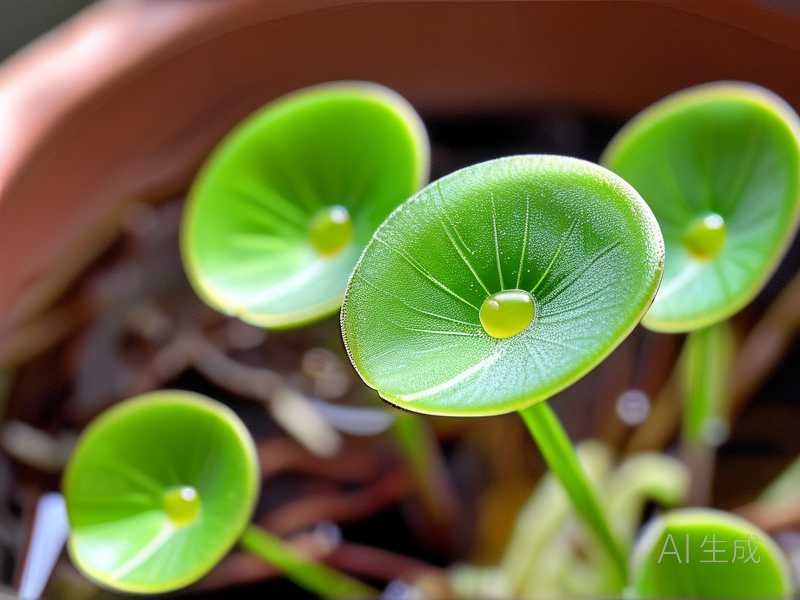
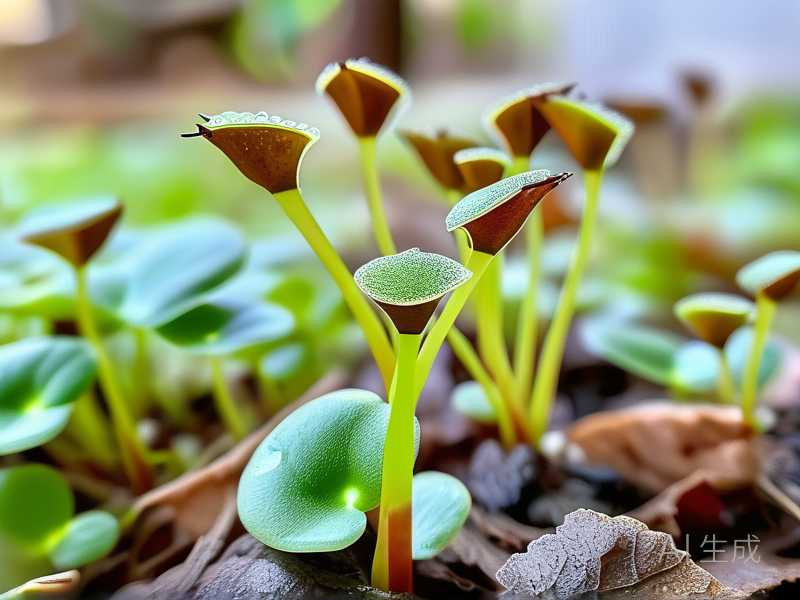
Sundews (Drosera species) are bog plants. They evolved in nutrient-poor, permanently wet environments. Their stolons, which are the creeping stems that spread out and produce new plantlets, are especially sensitive to changes in moisture.
When a stolon dries out, it's usually because one of three things happened. The soil dried for even a few hours. The humidity dropped too low. Or the roots got damaged by something like mineral buildup or waterlogged soil that turned anaerobic.
The RHS notes that most Drosera species need consistently moist, lime-free growing media and will decline rapidly if allowed to dry out even briefly. That matches what I've seen firsthand. These plants don't bounce back from drought stress the way a pothos does.
Light: Finding the Sweet Spot
Sundews want bright light. But there's a difference between bright light and baking heat.
I keep mine in a spot that gets four to six hours of direct morning sun, then indirect light for the rest of the day. The stolons stay green and active in that setup. When I tried a south-facing window with eight hours of harsh afternoon sun, the stolons nearest the glass turned brown within days.
If you're growing indoors, a south or east window works well in most climates. In Australia or the southern US, you might need a sheer curtain to filter the harshest midday sun. In the UK or Canada, you'll probably want as much direct light as you can get.
Light that's too weak is a slower killer. The plant stretches out, stolons get thin and pale, and they eventually collapse. I've seen this in my own plants during a dark winter. The stolons didn't crisp up. They just faded and stopped growing.
Watering: The Part Most People Get Wrong
Here's the thing. "90% of indoor plants die from overwatering" is a rule that gets thrown around a lot, and it's mostly true. But sundews are the exception. They want to sit in water. The trick is doing it correctly.
I use the tray method. The pot sits in a shallow saucer with about half an inch to one inch of water. I top up the tray every day or two with distilled water or rainwater. Never tap water if your water is hard.
I tried tap water for the first month because I didn't know better. The stolons started browning at the tips, and the leaves lost their dew. Once I switched to distilled, new growth came back healthy within two weeks. That was my first real lesson.
During hot summer weeks, I sometimes need to refill the tray twice a day. The water evaporates fast, and if the tray goes dry for even half a day, the stolons nearest the surface can crisp up.
If you're growing in a terrarium or closed container, you won't need a water tray. High humidity keeps everything hydrated. But you do need to watch for mold and stagnant air, which can rot the stolons just as badly as drought.
Soil and Repotting
I use a mix of two parts peat moss and one part perlite. That's it. No fertilizer, no compost, no potting soil with nutrients. Sundews get their nutrients from insects, and rich soil burns their roots.
The AHS points out that carnivorous plants require specialized, nutrient-poor media, and that standard potting mixes can be fatal. I learned that the hard way with my second plant. I repotted it into regular potting soil, and it was dead in ten days.
Repotting should happen every one to two years, or when the soil starts breaking down and getting compacted. I do it in early spring, just as growth picks up. I use a plastic pot with drainage holes, never terracotta, because terracotta leaches minerals and dries out too fast.
Feeding and Fertilizer
I don't fertilize my sundews. Ever. The insects they catch provide everything they need. If you're growing indoors with no bugs around, you can feed tiny amounts of diluted Maxsea or a similar carnivorous plant fertilizer once a month, applied to the leaves, not the soil.
I tried a foliar feed once at half strength. The stolons grew faster for a week, then the tips burned. Lesson learned. Less is more, and honestly, most home growers don't need to feed at all.
Seasonal Care: What Changes Throughout the Year
Spring
This is when things wake up. I trim off any dead stolons and old leaves with clean scissors. New growth starts pushing out within a week or two. I repot if needed and make sure the water tray stays full. No fertilizer. Just light and water.
Summer
Heat is the enemy here. I move my pots slightly back from the window to avoid scorching. I check the water tray twice daily during heatwaves. Good airflow matters too, so I crack a window or run a small fan nearby. Stagnant humid air in summer can cause fungal issues on the stolons.
Autumn
Growth slows down. I start reducing the water level slightly, but I never let the soil dry completely. I remove dying leaves to prevent mold. If I'm planning to keep the plant growing through winter indoors, I keep conditions stable.
Winter
This is where a lot of people lose their sundews. Short days and dry indoor heating create a double threat. I keep my plants on a bright windowsill and use a small humidity dome if the air gets too dry. I don't fertilize. I water less but still keep the tray topped up. If your sundew goes dormant, that's normal, but the soil should still stay moist.
Pests and Problems
The most common issue I've dealt with is brown, crispy stolons from dry air or a dry tray. That's a hydration fix, not a pest problem.
Aphids show up sometimes on new growth. I rinse them off with distilled water or use a cotton swab. Fungus gnats are a sign of overly wet, decaying soil, so I repot with fresh media and improve airflow.
Root rot from waterlogged, anaerobic soil is rare with sundews but possible if the soil is compacted and stale. Repotting fixes it.
Three Mistakes I See New Growers Make Every Time
Overwatering in the wrong way. Yes, sundews like wet soil, but they need oxygen at the roots too. Sitting in stagnant, smelly water is different from sitting in fresh, clean water. Change the tray water regularly.
Putting them in the wrong light. A dark corner kills them slowly. Blasting afternoon sun kills them fast. Bright, filtered light is what works.
Using the wrong pot or soil. Terracotta and fertilized potting mix are both bad news. Plastic pots and peat-perlite mixes are what you want.
FAQ
Can I use tap water if I let it sit overnight? No. Letting it sit doesn't remove minerals. Use distilled, reverse osmosis, or rainwater.
My stolons are brown but the plant still has green leaves. Is it dead? Not necessarily. Trim the brown stolons and check your water and light. New stolons can emerge from the crown if the roots are healthy.
How often should I repot? Every one to two years, or whenever the soil looks compacted or starts to smell. Early spring is the best time.
Final Thoughts
Preventing sundew stolons from drying out comes down to consistency. Keep the water clean and constant. Give bright light without baking the plant. Use the right soil and the right pot. Watch for seasonal shifts in humidity and temperature. Do those things, and your stolons will stay green and productive. I wish someone had told me all this before I lost three plants figuring it out.