bluename
I still remember the morning I found my first sundew's dewy tentacles chewed clean off. Two weeks later, the plant was dead. Here's the short answer: the insects eating your sundew are almost never the ones it catches — they're usually thrips, aphids, caterpillars, or fungus gnats that ignore the sticky trap entirely. The fix is a mix of physical barriers, airflow control, and smarter placement. Let me walk you through exactly what worked in my own collection.
I've been growing carnivorous plants on a sunny windowsill and a small outdoor porch for six years now. Sundews (Drosera) are honestly one of the most rewarding beginner carnivores. You get those glowing red tentacles, the glistening mucilage, and the little drama of a gnat getting caught. But here's the catch — they're delicate. The same dew that attracts prey also attracts pests that want to eat the plant itself. According to the RHS, pest damage on tender carnivores is usually a sign of stress, not bad luck. That line stuck with me.
Why Wild Insects Attack Sundews in the First Place
Let's get one thing straight. A healthy sundew is a predator, not a victim. When insects start eating the leaves, something upstream has gone wrong.
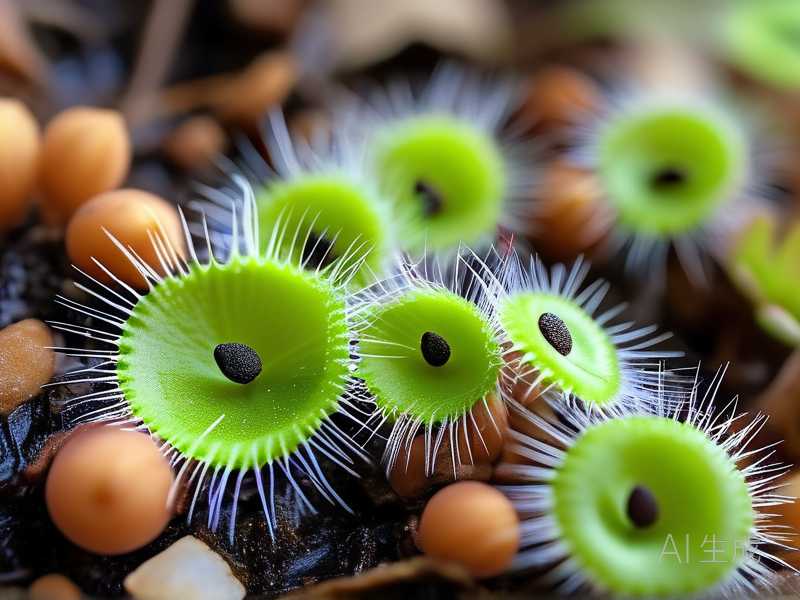
In my experience, there are three triggers:
- The plant is stressed (wrong light, soggy roots, poor air) and gives off weak tissue that pests love.
- You're growing outdoors with no barrier, so caterpillars and grasshoppers treat it as a salad bar.
- The growing medium stays too wet and fungus gnats move in — they don't eat the sundew directly, but their larvae churn the soil and invite secondary problems.
I tried moving a potted Drosera capensis outdoors one summer thinking it would catch more flies. It did. It also got shredded by a caterpillar in about four days. That was lesson one.
Light: The First Line of Defense
Sundews need serious light. Not "bright indirect" in the polite houseplant sense — actual direct sun, ideally four to six hours minimum.
When light is too low, leaves stretch, dew production drops, and tissue gets soft. Soft tissue is pest candy. Simple as that.
When light is too strong and sudden, leaves scorch and dew dries into a crusty film. I learned this the hard way after moving a pot from a shaded shelf straight into afternoon sun. It looked sunburned in a single day.
What I do now:
- Acclimate over two weeks, adding about an hour of sun every few days.
- Indoors, use a south- or west-facing window, or a full-spectrum LED kept close.
- Outdoors, give morning sun and dappled afternoon shade in hot climates.
The American Horticultural Society also notes that light-stressed carnivores recover slowly, so prevention beats rescue every time. Contact time with direct sun matters more than total brightness — that's something I only figured out after burning a few plants.
Watering Without Drowning the Thing
Sundews like their soil consistently moist. Not swampy. Not bone dry. Moist.
I top-water gently at the soil line and keep a shallow tray underneath. The tray method is the safest for beginners. But you have to empty it after a day or two — standing water plus warm air equals rot and fungus gnats.
Here's the rule I follow: water with distilled, rain, or reverse-osmosis water only. Tap water minerals build up and slowly kill the plant. I killed my second sundew this way and didn't realize it for weeks.
90% of indoor plants die from overwatering, and carnivores are even less forgiving. A sundew sitting in stagnant water will rot from the crown faster than you'd expect. If you smell anything sour when you lift the pot, you've gone too far.
Soil and Repotting Basics
Skip regular potting mix. It's too rich and too dense.
My go-to blend is roughly two parts peat moss to one part perlite, with a pinch of silica sand. That's it. No fertilizer, no compost, no vermiculite that holds minerals.
For pots, go small. Sundews have shallow roots and actually prefer being a little snug. A 4-inch plastic pot with drainage holes is plenty for a young plant.
Repot every one to two years, or when the medium breaks down and turns slimy. I repot in early spring before active growth kicks in. Support the crown with one hand, lift gently, and settle it back at the same depth. Don't bury the growing point.
Feeding and Fertilizing — Mostly Don't
This is where a lot of people go wrong. Sundews catch their own food. If yours is outdoors or near an open window, it's fine.
If it's sealed indoors and catching nothing, you can feed a single leaf with a tiny crushed insect once every two to three weeks. Half a bloodworm or one small fruit fly is plenty. More than that and the leaf rots.
Never use standard liquid fertilizer on the roots. Ever. It burns carnivorous roots fast. I tried a diluted orchid feed once on a spare plant — it died within ten days. That was the last time.
Seasonal Care That Actually Prevents Pest Damage
This is the part most guides gloss over, and it's the part where pest prevention really lives.
Spring
Growth restarts. This is when I clean up dead leaves, check for aphids hiding in new growth, and repot if needed. I also start hardening off any plants that will move outdoors.
New growth is tender — that's prime caterpillar food. Inspect every few days.
Summer
Heat and pests peak together. I keep outdoor pots in a spot with good airflow and morning sun only. Stagnant humid air invites thrips and mold.
If you see webbing or tiny speckled damage, act fast. A gentle rinse with distilled water knocks off many pests without harming the dew.
Autumn
I cut back on tray water as temperatures drop. Fewer insects around means less feeding pressure, but also less need for moisture. Clean up fallen debris — that's where pests overwinter.
Winter
Indoors, cool and bright is ideal. I stop feeding entirely and only keep the medium barely moist. No fertilizer, no repotting, minimal fuss. This dormancy-adjacent rest period makes a real difference in spring vigor.
My Two-Week Observation (And What Actually Changed)
After the caterpillar incident, I ran a simple experiment. I moved my outdoor Drosera into a fine mesh enclosure I built from window screening, kept airflow open on two sides, and checked daily for two weeks.
Day 1–3: no new damage. Day 4: spotted two tiny green caterpillars on the rim of the pot — removed by hand. Day 7: new tentacles started unfurling with fresh dew. Day 10: a fungus gnat population showed up in the tray. I emptied it and let the top layer dry slightly. Day 14: plant looked fully recovered. Dew production back to normal.
The mesh barrier was the single most effective change. Cheap, simple, and it doesn't block light.
The Three Mistakes That Kill Most Sundews
- Overwatering. Tray water left too long, no drainage, sour soil. Rot follows fast.
- Wrong light. Too little makes weak tissue; too much suddenly scorches. Acclimate slowly.
- Wrong pot or medium. Regular potting soil or oversized pots with dense mix suffocate roots.
I've made all three. The overwatering one took me two dead plants to really internalize.
Quick Pest Troubleshooting
- Aphids: small clusters on new growth. Rinse off with water, inspect daily.
- Thrips: silvery streaks, tiny black specks. Improve airflow, isolate the plant.
- Caterpillars: chew whole leaves overnight. Hand-pick, use mesh barriers.
- Fungus gnats: larvae in wet soil. Let the top layer dry slightly, empty trays.
Yellow leaves usually mean mineral buildup or old age. Brown crispy tips mean low humidity or scorched sun. Mushy crown means rot — act immediately.
FAQ
Can I use insecticide on a sundew?
I'd avoid most sprays. They can damage the dew and stress the plant. Physical removal and barriers are safer. If you must treat, isolate the plant and spot-test one leaf first.
Why did my sundew stop producing dew?
Usually low light or root stress. Check your window exposure first, then inspect the soil for sourness or mineral crust.
Do indoor sundews need to be fed?
Only if they're catching nothing. A tiny insect every couple of weeks is enough. Overfeeding rots leaves faster than underfeeding hurts the plant.
Final Thoughts
Keeping wild insects off your sundew isn't about chemical warfare. It's about giving the plant what it needs so its own defenses hold up, then adding a simple physical barrier when you grow outdoors. Fix the light, respect the water, use the right medium, and the pest problem mostly solves itself. Start with one healthy plant, watch it for two weeks, and adjust from there. That's how I finally stopped losing sundews — one small change at a time.