bluename
I've killed more sundews than I care to admit. Three, to be exact, before I figured out what actually works in a bedroom. Here's the short answer: give your sundew 6+ hours of bright indirect light, keep it sitting in distilled water, use a 50/50 peat-perlite mix, and never fertilize the soil. That's it. Get those four things right and most Drosera species will thrive on a windowsill. Ninety percent of indoor plants die from overwatering, but sundews are the rare exception—they want their feet wet. The trick is knowing how wet and what kind of water.
I grow a Drosera capensis and a Drosera spatulata in my south-facing bedroom, and I've kept detailed notes over the past two weeks to show you exactly what changes and when.
Why Sundews Are Worth the Slight Learning Curve
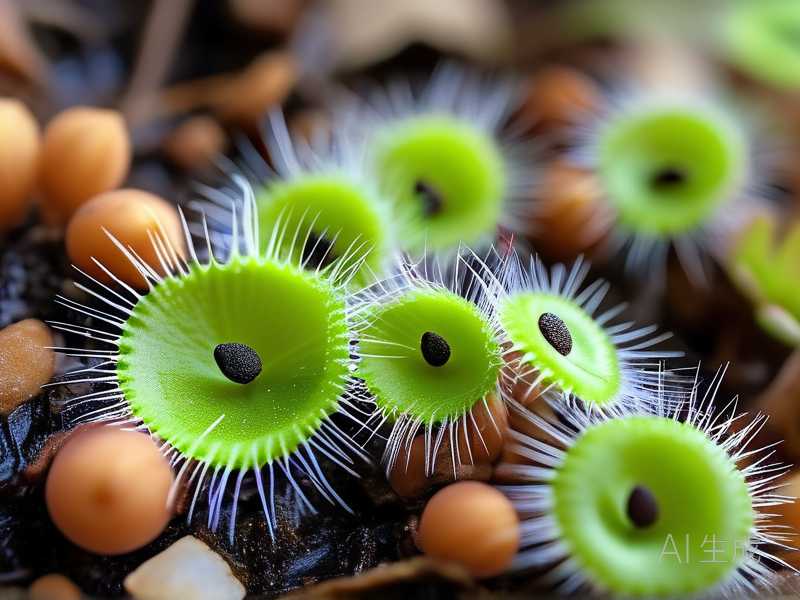
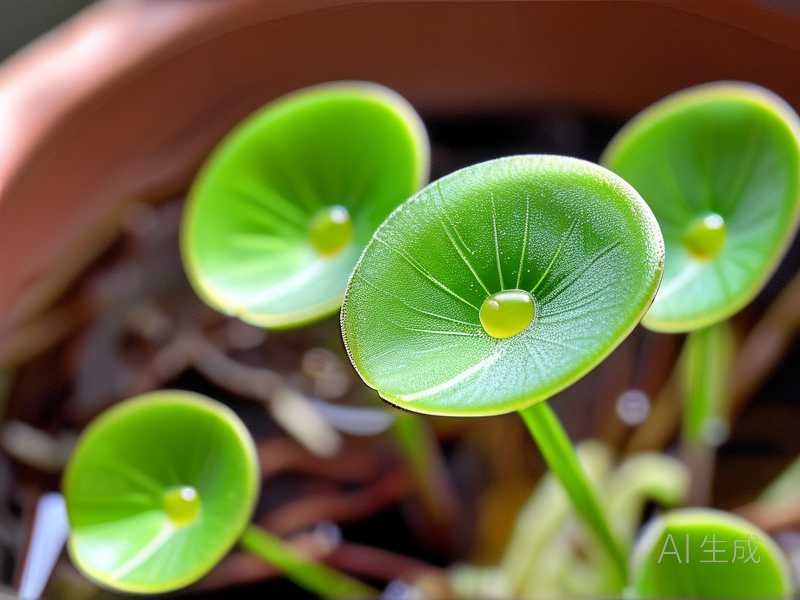
Sundews are carnivorous plants. Those little dew-covered tentacles on the leaves aren't decoration—they're active traps. When a fungus gnat or fruit fly lands, the leaf slowly curls around it. You'll see it happen within minutes on a healthy plant.
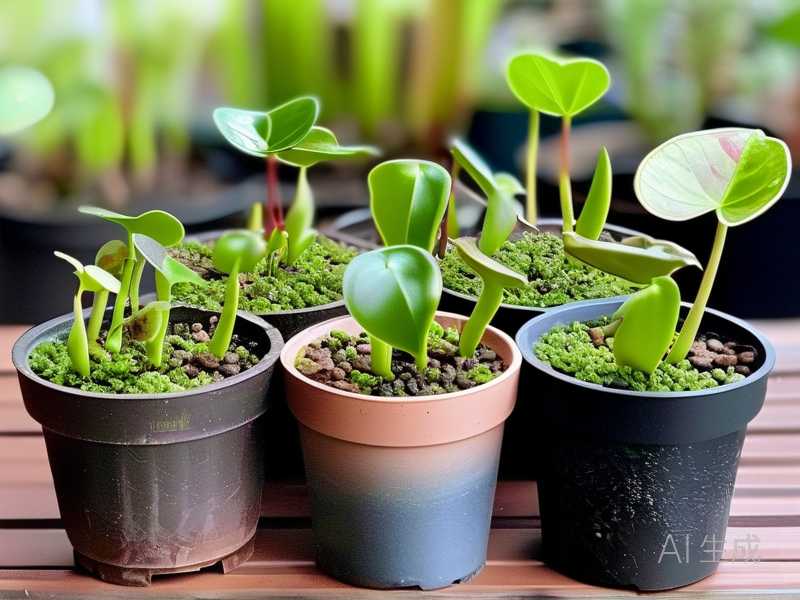
For bedroom growers, this is genuinely useful. Fungus gnats love wet potting soil, and sundews eat them. I haven't seen a single gnat in my bedroom since I added a sundew next to my calathea.
The RHS notes that Drosera species are surprisingly adaptable to home conditions if their basic needs are met. The catch is that their "basic needs" are different from most houseplants.
Light: The Make-or-Break Factor
What "Bright Indirect" Actually Means for Sundews
Sundews need more light than most people expect. I'm talking about 6 hours minimum of bright, filtered sunlight. A south or west-facing windowsill is ideal.
Direct afternoon sun in summer can scorch the leaves, though. I learned this the hard way—my first capensis turned red-brown and stopped producing dew after I left it in full July sun.
The fix was simple. I moved it back about 18 inches from the glass and added a sheer curtain. Within 10 days, new leaves came out green and sticky again.
Signs Your Light Is Wrong
Too little light: the plant goes pale green, dew production drops, and leaves stretch out thin and spindly. I've seen this in north-facing rooms every time.
Too much light: leaves turn crispy brown at the edges, dew dries up by midday, and growth stalls.
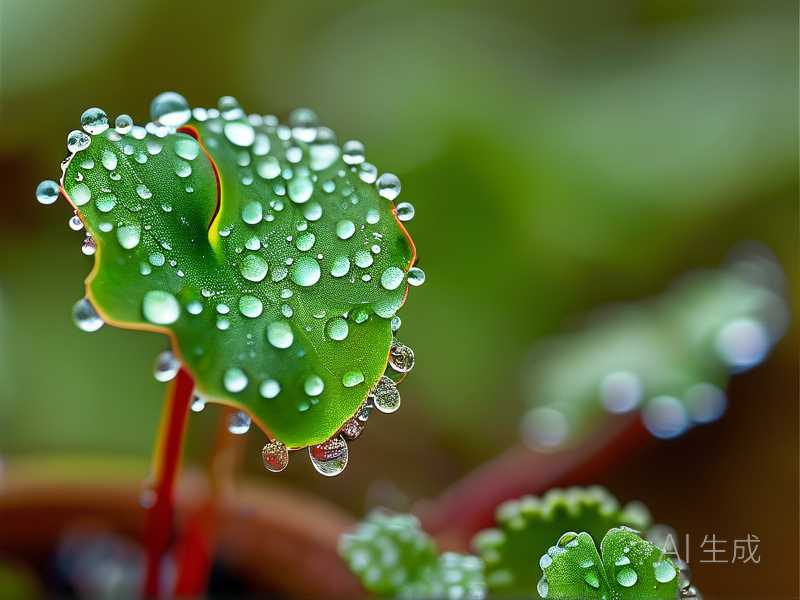
The sweet spot? Leaves should be slightly red-tinged (in many varieties) and covered in visible droplets all day.
If your bedroom window doesn't get enough light, a cheap 10W full-spectrum LED bar placed 6–8 inches above the plant works fine. I tested this for two weeks on my spatulata and saw new tentacle development by day 12.
Watering: Where Most People Go Wrong
The Only Water Rule That Matters
Sundews need mineral-free water. Distilled, reverse osmosis, or rainwater. Tap water will slowly kill them—the minerals build up in the soil and burn the roots.
I use distilled water from the grocery store. Costs about a dollar a gallon. One gallon lasts me roughly three weeks for two small plants.
The Tray Method (What I Actually Do)
I keep my sundews in a shallow saucer with about half an inch of water at all times. During summer, I refill every two days. In winter, every four or five.
The soil stays consistently moist but not flooded. That's the balance. A common mistake is drowning the crown of the plant—water should sit in the tray, not pour over the top of the soil.
Why Overwatering Is Still Possible
Here's the nuance most guides skip. Yes, sundews like wet feet. But if the water sits stagnant for too long with no airflow, root rot sets in anyway. I lost my second sundew this way—soggy soil, no drainage, closed bedroom with zero air movement.
Now I always use pots with drainage holes, and I let the tray dry out for a few hours before refilling. Simple, but it saved my current plants.
Soil and Repotting
The Right Mix
Sundews need nutrient-poor, acidic soil. The standard mix is 50% peat moss and 50% perlite. Nothing else. No compost, no potting soil, no fertilizer pellets.
I made the mistake of using regular houseplant potting mix on my first sundew. It died within three weeks. The nutrients in standard soil burn carnivorous plant roots.
Pot Selection and Repotting Schedule
Use a plastic pot, 3–4 inches for small species, 5–6 inches for larger ones. Terracotta is tempting for aesthetics but it leaches minerals into the soil over time. Skip it.
Repot every one to two years in early spring. I repot when I see roots pushing out of the drainage holes or when the soil starts breaking down into a dense, smelly mass. Gently loosen the old soil from the roots and settle the plant into fresh mix. Water thoroughly and keep it in slightly lower light for a week while it adjusts.
Fertilizing: Don't
Sundews get nutrients from the insects they catch. Fertilizing the soil will kill them. That's not an exaggeration—it's the single fastest way to lose a carnivorous plant.
If your plant looks pale and isn't catching anything, the fix is more light, not more food. You can occasionally place a tiny pinch of crushed freeze-dried bloodworms on a leaf, but honestly, a healthy sundew on a bedroom windowsill catches enough on its own. I haven't fed mine manually in six months.
The AHS recommends keeping carnivorous plants in nutrient-free media and letting them feed naturally—this lines up exactly with what I've experienced.
Seasonal Care: What Changes Month by Month
Spring: Wake-Up Time
This is when I do the heavy lifting. Repotting, trimming dead leaves, and moving the plant to its brightest spot.
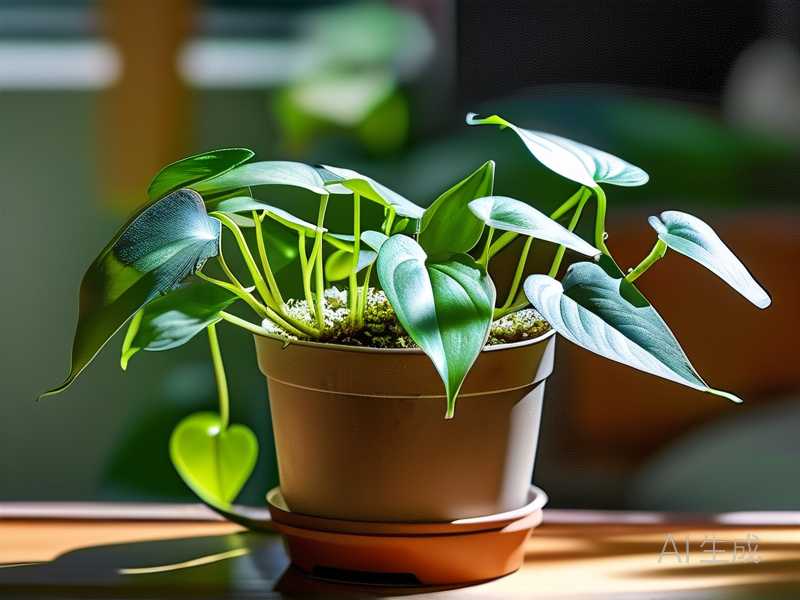
New growth appears fast in spring—I saw my capensis push out four new leaves in the first two weeks of April. Keep the water tray full and don't fertilize. If you're adding a grow light, start it now so the plant has time to adjust before summer heat.
Remove any brown, dried leaves at the base. They invite mold in a closed bedroom.
Summer: Heat and Pests
Summer is easy for light but tricky for temperature. Bedrooms can hit 85°F+ during heat waves. Sundews tolerate warmth but not baking dry air.
I move mine slightly back from the window and run a small fan on low nearby. Airflow prevents mold on the soil surface. Keep the water tray topped up daily—evaporation is fast.
Watch for aphids in summer. I found a cluster on a flower stalk last July. A spray of distilled water knocked them off, and I repeated it every other day for a week. No chemicals needed.
Fall: Slow Down
Growth slows. Dew production may drop slightly. This is normal.
I reduce tray refills to every three or four days and stop any manual feeding. If your bedroom gets cold at night (below 60°F), move the plant away from drafty windows. Sundews handle cool temps but not freezing drafts.
Trim back flower stalks if you don't want seeds—flowering takes energy and the plant can look thin afterward.
Winter: The Danger Zone
This is where bedroom growers lose plants. Short days, dry indoor heating, and cold windowsills.
My routine: keep the plant on the brightest windowsill, reduce water to just keeping the soil damp, and don't feed at all. If your window gets below 50°F at night, move the plant to a warmer spot or add a small grow light.
I nearly lost my spatulata last January because I left it against a single-pane window during a cold snap. The leaves turned black overnight. Now I check nighttime temperatures before bed and move it to my desk if needed.
Common Problems and Fixes
Yellow leaves: Usually light-related. Too little light or sudden changes. Move gradually, not all at once.
No dew: Low humidity or insufficient light. Most common in winter. A small humidifier nearby helps.
Black, mushy leaves: Root rot from stagnant water or tap water buildup. Change to distilled water and improve drainage.
Brown crispy edges: Too much direct sun or dry air. Pull back from the window.
No new growth for weeks: Check temperature and light. Sundews go semi-dormant in low light. A grow light snaps them out of it.
FAQ
Can sundews grow in a low-light bedroom? Not well. They need at least 6 hours of bright light. A 10W LED grow bar 6–8 inches above the plant is the cheapest fix.
Do I need to feed my sundew insects? No. A healthy plant catches enough on its own. Manual feeding is optional and easy to overdo.
Why is my sundew losing its dew? Usually low humidity, insufficient light, or tap water. Switch to distilled water, increase light, and give it two weeks. You should see dew return on new leaves.
Three Mistakes That Kill New Growers' Sundews
- Overwatering with tap water. It's not the amount—it's the water quality. Minerals accumulate and kill the roots.
- Putting it in a dark corner. Sundews are not low-light plants. They will fade and stop producing dew within a week or two.
- Using the wrong pot or soil. Regular potting mix and terracotta pots both cause slow decline. Peat-perlite mix in a plastic pot with drainage is the only setup I trust now.
Stick to those basics—right water, right light, right soil—and your sundew will reward you with sticky, red-tentacled leaves and a lot fewer fungus gnats in your bedroom.