bluename
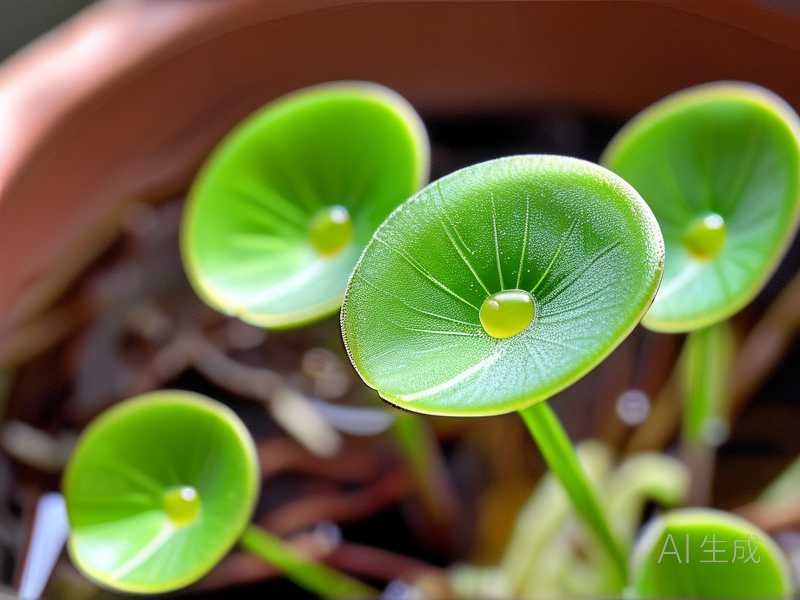
I still remember staring at a tiny packet of sundew seeds in January, convinced I'd wasted my money. Windowsill light was weak, my house was dry from the heating, and every forum thread made it sound like tropical sundews only sprout in summer. Here's the short answer: you can absolutely germinate sundew seeds in winter indoors, and the trick is mimicking a warm, humid bog on a bright shelf. I've now raised four batches between December and February. My current tray of Drosera capensis showed green specks on day 11 and real tentacled leaves by the two-week mark. Below is exactly what I did, plus the mistakes that killed my earlier attempts.
Why Winter Is Actually a Decent Time to Start Sundews
Sundews are among the easiest carnivorous plants for beginners. They're forgiving, they eat fungus gnats for free, and the dew-covered leaves look incredible on a kitchen windowsill. The RHS notes that most tropical species grow year-round indoors, which is why winter sowing works when you give them warmth and light.
Indoors, you control the temperature. That's a huge advantage over outdoor sowing. The real enemy in winter isn't cold, it's low light and dry air. Fix those two things and germination is surprisingly straightforward.
One thing to know: many sundews sold as houseplants are tropical or subtropical species. Those germinate fine in warmth. Temperate species like Drosera rotundifolia often need a cold stratification period first. Check your seed packet before you start.
My Exact Setup Before Sowing
I keep this simple. You don't need a grow tent.
- A clear plastic container with a lid, or a pot inside a zip bag
- A 10–20W LED grow light, or a very bright south-facing windowsill
- A seed-starting mix with zero fertilizer
- Distilled water, rain water, or reverse-osmosis water
- A spray bottle for misting
That's it. The whole setup cost me under $20 the first time.
Step-by-Step: How I Sow Sundew Seeds
1. Mix the soil. I use two parts peat moss to one part perlite, or a 50/50 blend of peat and silica sand. Never use potting compost with fertilizer. The AHS points out that carnivorous plants get nutrients from prey, not soil, and fertilizer burns seedlings fast.
2. Fill and saturate. Fill your container about 2 cm from the rim. Water it from below until the surface glistens. I let it sit in a tray of water for ten minutes.
3. Sow on the surface. Sundew seeds are dust-like. Do not bury them. I sprinkle them thinly from a folded piece of paper. Light helps germination, so surface sowing matters.
4. Seal in humidity. Put the lid on, or slide the pot into a zip bag. Leave a tiny gap for air exchange. Condensation on the lid is good.
5. Give light and warmth. I run my LED about 15 cm above the container for 14 hours a day. Room temperature around 21–24°C (70–75°F) works well.
6. Be patient. Most tropical sundews germinate in 2–4 weeks. Some take six. Don't dig around to check.
My Two-Week Observation Log
I kept notes on my latest winter batch, sown January 8.
- Day 3: Nothing visible. Lid foggy. I misted once.
- Day 6: A faint green haze on the peat. Could have been algae.
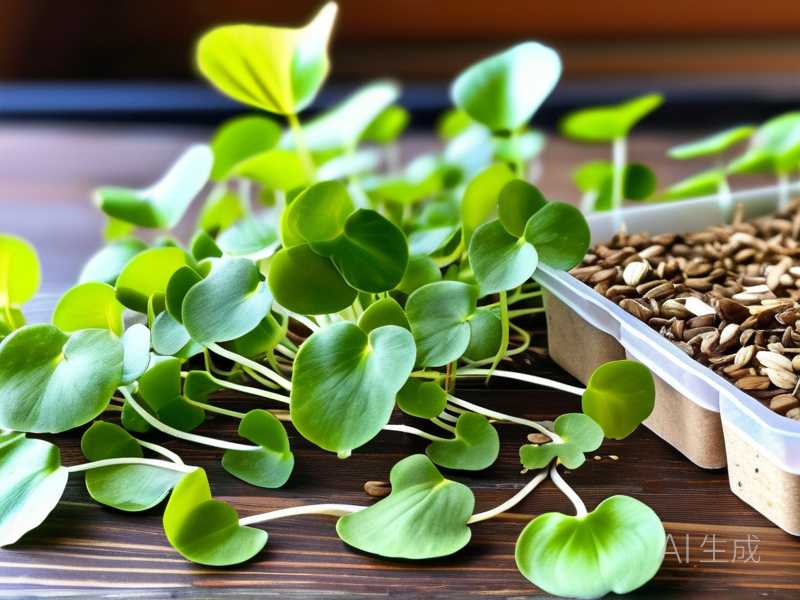
- Day 9: Tiny green dots near the brightest corner. These were real seedlings.
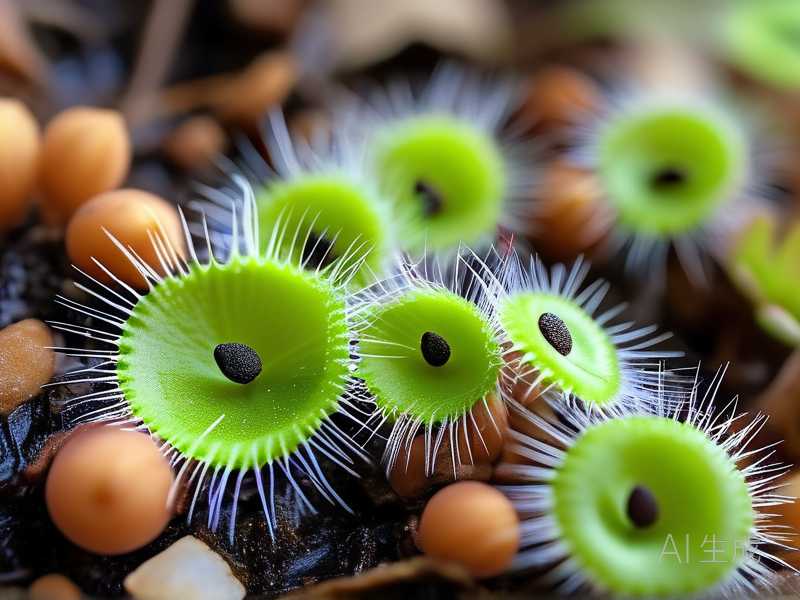
- Day 11: About a dozen visible specks, each smaller than a pinhead.
- Day 14: First true leaves forming. You can just see the tentacle-like edges.
- Week 3 onward: Seedlings slowly turn reddish under strong light and start catching their first gnats.
The two-week mark is when I stop worrying. If you see green dots by then, you're on track.
Light: The Make-or-Break Factor in Winter
Winter light through glass is weak. That's the biggest reason winter sowings fail.
I aim for 12–14 hours of bright, indirect light daily. A south-facing window plus a small LED is my go-to combo. If you only have a north window, use a grow light. Trust me on this one.
Too little light looks like this: pale green seedlings, long spindly stems, no red color, and slow growth. Too much light, especially from a hot lamp placed too close, bleaches leaves and dries the surface.
Keep the light 15–25 cm above the seedlings. Move it up as they grow.
Watering: The Rule That Saves Most Seedlings
Here's the line every new grower needs to hear: 90% of indoor plants die from overwatering. With sundews, that stat shifts slightly, since they like wet feet, but the wrong kind of wet still kills them.
My rule: keep the soil moist at all times during germination, but never let the container sit in stagnant, smelly water. I water from below with distilled water. Tap water leaves mineral deposits that slowly poison sundews.
Once seedlings are established, I let the water tray dry for a day before refilling. That small dry cycle keeps root rot away.
Soil and Containers
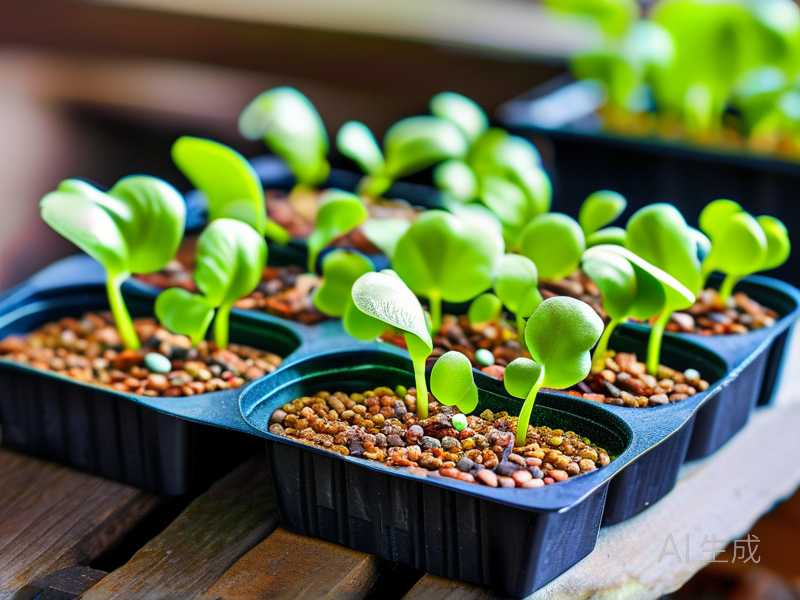
Use a shallow container. Sundew roots are short. A 5–8 cm deep tray is plenty for seedlings.
Avoid terracotta and unglazed clay. They leach minerals and dry out too fast. Plastic or glazed ceramic is the way to go. I learned this after watching a batch yellow and stall in a cute terracotta pot.
Feeding: Don't
Do not fertilize sundew seedlings. This is the number one way to kill them.
Seedlings catch their own tiny prey once they have dew. If your indoor air is gnat-free, you can offer a single crushed freeze-dried bloodworm per plant, once. That's it. Overfeeding rots the leaves.
Winter Care After Germination
Around week six, I start cracking the lid open for an hour a day. By week eight, the lid comes off and the plants live in a shallow water tray.
Winter indoors means low humidity, so I keep a small pebble tray nearby or group plants together. Room humidity of 50% or higher keeps dew production strong.
Keep the grow light running through the dark months. Then, once spring light returns, you'll see a growth spurt.
The Three Mistakes I Made (So You Don't Have To)
1. Overwatering. My first batch sat in a swampy tray for two weeks. The seeds rotted before germinating. The fix: moist, not flooded, and fresh water.
2. Light misplacement. I put a tray under a hot desk lamp. The surface baked and dried overnight. Now I use a proper LED at the right distance.
3. Wrong container. I tried a deep decorative pot. The seeds fell into gaps and dried out. Shallow trays with sealed lids work far better.
Common Problems and Fixes
- Green algae on the soil: Usually harmless. Increase airflow and reduce standing water slightly.
- Mold or fuzz: Open the lid for a few hours daily and remove affected spots.
- Pale, leggy seedlings: Move the light closer or increase hours.
- No germination after four weeks: Check temperature and light. Some species need cold treatment first.
- Yellowing leaves: Almost always minerals from tap water. Switch to distilled.
Your Questions, Answered
Can I germinate sundew seeds on a windowsill without a grow light? Yes, if it's a bright south-facing window and you seal in humidity. Growth will be slower, and winter color may stay green rather than red. A cheap LED speeds things up noticeably.
How long do sundew seeds take to sprout in winter? Most tropical species germinate in two to four weeks at room temperature. Some stubborn seeds take six weeks. Keep the container warm and bright the whole time.
Do I need to feed seedlings? No. They catch tiny insects on their own once dew appears. If your air is bug-free, one crushed bloodworm per plant after week six is plenty.
Final Thoughts
Winter germination comes down to three things: keep it warm, keep it bright, and keep the humidity sealed in. Get those right and sundew seeds reward you fast. I've watched a January sowing turn into a forest of sticky little leaves by March. Start with a shallow tray, skip the fertilizer, and don't panic when nothing shows for ten days. Your patience pays off, usually right around the two-week mark.