bluename
To help a sundew recover from leaf loss fast, stabilize its environment rather than pushing new growth with fertilizer. Give it bright light, mineral-free water, consistently moist carnivorous-plant soil, and suitable temperatures. Remove only fully dead leaves, check the crown for rot or pests, and avoid repotting unless the growing medium is contaminated or decomposed. Sundews (Drosera species) are prized for their sparkling, insect-catching leaves. Many can recover from severe damage, but the old leaves will not repair themselves; recovery appears as healthy new growth from the center.
First, Identify Why the Sundew Lost Its Leaves
Leaf loss is a symptom, not a diagnosis. Before changing the plant’s care, inspect the crown, growing medium, water source, and remaining leaves.
Common causes include:
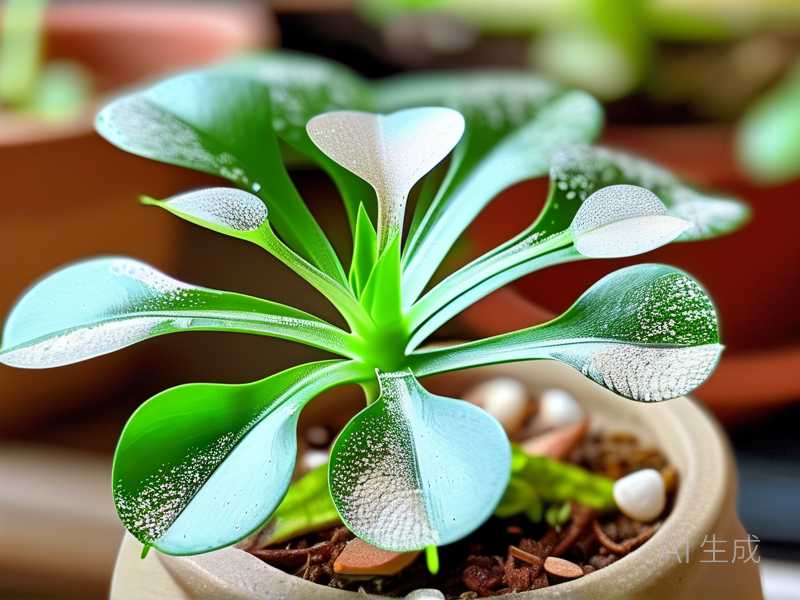
- Mineral-heavy tap water: Dissolved salts accumulate around the roots and may cause brown tips, reduced dew, weak growth, and eventual leaf loss.
- The pot dried out: Most sundews grow in naturally wet habitats and are poorly equipped to tolerate dry soil.
- Sudden exposure to strong sun: A plant moved directly from a shop or dim room into intense sunlight may develop scorched, brown leaves.
- Insufficient light: Weak, pale, stretched leaves with little or no dew often indicate inadequate light.
- Repotting or shipping stress: Older leaves may die after roots have been disturbed or growing conditions change abruptly.
- Excessive heat: Some sundews decline when their roots and leaves remain unusually hot, especially behind glass.
- Crown or root rot: Black, soft tissue and an unpleasant smell are more serious than ordinary leaf aging.
- Natural dormancy: Temperate sundews may lose their summer leaves and form a compact resting bud called a hibernaculum.
- Pests: Aphids, mites, and fungus gnat larvae can damage new growth or roots.
The good news is that a firm, living crown can often produce new leaves even when most of the visible foliage has disappeared.
Emergency Recovery Steps
If the growing point is still firm and shows any green, red, or bronze living tissue, use this recovery plan:
- Isolate the plant. Keep it away from other houseplants until aphids, mites, and fungal problems have been ruled out.
- Confirm the water source. Switch immediately to rainwater, distilled water, or reverse-osmosis water if tap water has been used.
- Check the growing medium. It should be moist and acidic, without ordinary potting soil, compost, fertilizer, or lime.
- Provide bright light. Give the plant strong light without immediately exposing a previously shaded sundew to harsh midday sun.
- Trim fully dead foliage. Use clean, fine scissors. Do not cut into the crown or remove leaves that still contain green tissue.
- Stop feeding and fertilizing. Wait until the plant is producing stable, dewy leaves again.
- Maintain airflow. Avoid sealing a weak plant under a humidity dome, which can encourage mold and crown rot.
- Watch the center of the rosette. New leaves emerging from the growing point are the clearest sign of recovery.
There is no safe product that forces instant regrowth. A stable root zone and suitable light are what allow a sundew to rebuild its leaves.
Light Requirements for New Leaf Growth
Most commonly cultivated sundews need much more light than an average foliage houseplant. Adequate light supports compact growth, red coloration in species capable of producing it, and the development of sticky mucilage or “dew.”
A sunny east-, south-, or west-facing window can work, depending on climate and glazing. Outdoors, many sundews perform well with several hours of direct sun. However, plants raised under artificial light or in a shaded store should be acclimated gradually over one to two weeks.
Under grow lights, tropical and subtropical sundews commonly respond well to approximately 12–14 hours of light per day. Place the plant close enough to receive strong illumination but not so close that the leaves overheat.
Signs of insufficient light
- Long, narrow, floppy, or unusually pale growth
- Little coloration in normally red species
- Reduced or absent dew on otherwise healthy new leaves
- Slow growth despite correct water and soil
- Leaves leaning strongly toward the light source
Signs of excessive sun or heat
- Bleached patches followed by crisp brown tissue
- Rapid decline immediately after relocation
- An overheated pot or water tray
- Damage concentrated on the window-facing side
- Leaf loss during hot afternoons
Sunburn does not mean the sundew must remain in shade. Move it temporarily to bright filtered light, then increase direct exposure gradually. On hot balconies or patios, protect the pot from heat reflected by concrete, metal railings, or walls.
How to Water a Sundew That Has Lost Its Leaves
Sundews generally need continuously moist soil, but water quality is just as important as water quantity. Guidance from the RHS for carnivorous plants emphasizes using rainwater and avoiding mineral-rich water and ordinary fertilized compost.
The tray method is practical for most actively growing sundews:
- Place a pot with drainage holes in a shallow tray.
- Maintain a modest level of mineral-free water in the tray.
- Refill when the tray is nearly empty rather than allowing the medium to dry.
- Flush the medium from above occasionally with suitable water if mineral accumulation is suspected.
Rainwater, distilled water, and reverse-osmosis water are the safest routine choices. If you test water with a total dissolved solids meter, many growers use below 50 parts per million as a conservative target. A meter measures overall dissolved material, however, and does not identify which minerals are present.
Too dry or too wet?
A sundew that has dried out may wilt quickly, lose dew, and develop crisp leaves. Rehydrate it by standing the pot in mineral-free water. Do not flood the crown or repeatedly move the plant between dry and saturated conditions.
Unlike many common houseplants, sundews are bog plants, so keeping a suitable medium wet is not automatically “overwatering.” Problems are more likely when:
- The medium is decomposed and airless.
- The pot has no drainage holes.
- The crown remains submerged.
- Organic debris is rotting around the growing point.
- A dormant temperate sundew is held in deep, stagnant water.
- Heat and poor airflow encourage microbial decay.
Water demand rises in bright, warm weather and falls during cool, low-light periods. Small pots also dry faster than deep pots, particularly outdoors.
The Best Soil and Pot for Recovery
Never use standard houseplant soil for a sundew. It is usually too nutrient-rich and may contain fertilizer, compost, lime, or wetting agents that damage sensitive roots.
A practical medium for many commonly grown species is:
- One part unfertilized sphagnum peat moss
- One part perlite or washed silica sand
Long-fiber sphagnum is another option for suitable species. Every ingredient must be free of fertilizer. Avoid beach sand, builder’s sand, garden compost, and any product containing added plant food.
Different sundews have different requirements. Tuberous Australian species, petiolaris-complex sundews, and specialist tropical species may need more specific media and seasonal care. The International Carnivorous Plant Society provides cultivation information for distinguishing these groups.
Choosing a pot
Plastic and fully glazed ceramic pots are usually safer than unglazed terracotta, which can dry rapidly and may release accumulated minerals. Select a pot with drainage holes and enough depth to keep the roots evenly moist. A depth of about 4–6 inches is practical for many small and medium sundews, although long-rooted species may benefit from deeper containers.
Do not place a small, weak sundew in an enormous pot merely to reduce watering. A moderately sized pot is easier to flush, inspect, and keep evenly illuminated.
When repotting is necessary
Repot if:
- The medium contains fertilizer or ordinary potting soil.
- Tap-water minerals have heavily contaminated the soil.
- The mix smells sour or has collapsed into dense sludge.
- Rot is spreading through the root zone.
- The plant is severely root-bound or unstable.
- The medium has been in use for roughly one to two years and is breaking down.
If the soil is suitable and the plant is simply recovering from shipping or sunburn, repotting may add unnecessary stress.
To repot, moisten the new medium first. Lift the sundew carefully, handle it by the root area rather than the leaves, and preserve healthy roots where possible. Position the crown at the surface instead of burying it. Water thoroughly with mineral-free water and provide stable light afterward.
Fertilizer and Feeding During Recovery
Do not add conventional fertilizer to a damaged sundew’s soil. Carnivorous plants evolved to obtain nutrients from captured prey while growing in nutrient-poor ground. Strong fertilizer can injure roots, encourage algae, and worsen leaf loss.
A sundew with no functional leaves cannot benefit from insect feeding. Wait until it produces several healthy leaves with visible dew. If it is grown indoors and catches nothing naturally, a tiny insect or a very small amount of appropriately sized dried insect food may be placed on one or two leaves occasionally. The food must be small enough for the leaf to handle without rotting.
Avoid:
- Meat, cheese, or other human food
- Large insects that overwhelm the leaf
- Feeding every leaf
- Fertilizing a freshly repotted or root-damaged plant
- Feeding a dormant temperate sundew
Weak foliar fertilizer is sometimes used by experienced carnivorous-plant growers, but it is unnecessary for recovery and leaves little room for error. Beginners will usually get safer results from light, clean water, and occasional prey after growth resumes.
A Practical Two-Week Recovery Monitoring Plan
The following is a monitoring framework, not a guarantee or a report of a personal experiment. Recovery speed depends on species, root condition, temperature, light, and the original cause of damage.
Days 1–3: Stabilize conditions
Correct the water source, remove any standing rotten material, and place the plant in bright but appropriate light. Photograph the crown from the same angle each day. This makes subtle changes easier to detect.
Do not expect damaged leaves to become green again. Look instead for:
- A firm central growing point
- A tiny curled leaf beginning to expand
- No further blackening of the crown
- Stable moisture without a foul smell
Days 4–7: Check whether decline has stopped
A viable sundew may begin extending a new leaf, although severe root damage can delay this. Continue to monitor the tray and keep conditions steady.
If new growth blackens before opening, reconsider the diagnosis. Check for overheating, contaminated water, aphids hidden in the crown, or decayed soil. Avoid making several major changes on the same day unless rot is actively spreading.
Days 8–14: Assess new growth quality
New leaves may begin to expand and color. Dew often appears only after a leaf has matured under adequate light and humidity, so a newly opening leaf is not necessarily unhealthy if it is initially dry.
Positive signs include:
- Leaves emerging at a normal shape and angle
- Increasing leaf size
- Firm tissue rather than soft black growth
- Mucilage developing on more mature leaves
- No rapid progression of brown or black tissue
If there is no visible growth after two weeks but the crown remains firm, continue stable care. Some species recover slowly, and temperate plants may be entering dormancy rather than actively declining.
Seasonal Sundew Care
Seasonal care should follow the plant’s growth cycle, not a universal calendar. Spring in the United States, Canada, and the United Kingdom generally falls from March through May, while Australian spring is usually September through November.
Spring
Actively growing sundews usually increase water use as light and temperature rise. Remove dead winter leaves without cutting the growing point. Spring is often a practical time to repot temperate species as they resume growth.
Increase sun exposure gradually and return the pot to a regular tray-watering routine. Do not feed until functional, dewy leaves have developed.
Summer
Keep the medium consistently moist and check small outdoor pots frequently. Strong airflow helps limit fungal growth, but hot, drying wind can dehydrate leaves.
Temperatures tolerated by one sundew may damage another. The commonly grown Cape sundew, Drosera capensis, is relatively adaptable, while some cool-growing species decline during prolonged heat. Shade the pot or move it away from heat-reflective surfaces if the root zone becomes excessively warm.
Autumn
As days shorten, tropical sundews may slow down indoors, while temperate species begin preparing for dormancy. Reduce feeding when growth slows, but do not allow actively growing plants to dry out.
Remove fallen debris that could mold around the crown. Outdoor pots should be identified by species before cold weather arrives; not every sundew is frost-hardy.
Winter
Temperate sundews such as many forms of Drosera rotundifolia may die back to a hibernaculum. This compact resting bud should remain cool and moist, not warm and forced into active growth.
Tropical and subtropical species generally require continued light and protection from frost. Indoors, keep them away from hot heating vents and cold window glass. Water use may decrease under shorter days, but the medium should not become dry.
Australian growers should apply these seasonal instructions according to local conditions rather than Northern Hemisphere months. Climate matters more than the calendar.
Troubleshooting Leaf Loss, Rot, and Pests
Brown or black leaves
A few old leaves dying from the outside of the rosette is normal. Rapid blackening throughout the plant can indicate mineral damage, drought, heat, or root failure.
Check whether the center remains healthy. Replace unsuitable water, correct environmental stress, and trim only fully dead leaves.
No dew on the leaves
Lack of dew is commonly linked to insufficient light, recent stress, or poor root function. Low humidity can contribute, but enclosing the plant in stagnant air is rarely the best solution.
Improve light gradually and maintain steady root moisture. Judge progress by new leaves rather than damaged old ones.
Crown or root rot
Symptoms include soft black tissue, a collapsing center, a sour smell, and leaves detaching easily. Remove the plant from badly decomposed medium, trim clearly rotten tissue with sterile tools, and repot into fresh carnivorous-plant mix. Keep the crown above the soil surface and improve airflow.
Recovery is uncertain if the entire growing point has rotted. Some species may regenerate from healthy roots, but this should not be assumed.
Aphids and mites
Aphids often cluster around flower stalks and tender new leaves, causing distorted growth. Mite damage may appear as stunted, malformed foliage and fine stippling.
Isolate the plant and inspect it with a magnifying glass. Small infestations may be reduced by carefully rinsing pests away with mineral-free water. If treatment is necessary, use only a product known to be safe for carnivorous plants and follow the label exactly. Test it on a small area first.
Fungus gnats and mold
Adult fungus gnats are usually more annoying than harmful, but larvae can damage delicate roots in persistently decomposed media. Surface mold often grows on dead prey, old leaves, or stagnant organic material.
Remove decaying debris, improve airflow, and replace broken-down soil when necessary. Avoid placing oversized food on the leaves.
Three Major Mistakes New Growers Make
1. Treating a sundew like an ordinary overwatered houseplant
A beginner may see wet soil and let it dry completely. For most sundews, that response causes more damage than the original concern.
Sundews need moist, low-mineral conditions. Correct excessive stagnation by improving the pot, medium, and airflow—not by allowing healthy roots to become dry. During dormancy, keep temperate species damp rather than deeply flooded.
2. Choosing the wrong light position
A dark shelf produces weak, dewless growth, while an abrupt move into fierce midday sun can scorch every existing leaf.
Move the sundew to brighter light in stages. Indoors, use a sunny window or an adequate grow light. Outdoors, acclimate it over one to two weeks and monitor heat around the pot.
3. Using the wrong pot or growing medium
A decorative container without drainage, unglazed mineral-laden clay, or fertilized houseplant soil can quickly undermine recovery.
Use a drained plastic or glazed pot with nutrient-poor carnivorous-plant medium. Keep the crown at soil level and use only mineral-free water. Repot only when the existing container or medium is genuinely contributing to the problem.
Frequently Asked Questions
Can a sundew grow back after losing all its leaves?
Yes, if the crown or roots are still alive. A firm growing point may produce new leaves after the stress has been corrected. A soft, completely black crown is much less likely to recover. Temperate sundews may also appear leafless while resting as a healthy hibernaculum.
How long does it take a sundew to produce new leaves?
A healthy, actively growing sundew may show new growth within several days to a few weeks. Recovery takes longer after severe root damage, cold stress, or repotting. Dormant species may not resume normal leaf production until their seasonal rest ends.
Should I cut off all brown sundew leaves?
Remove leaves only when they are fully brown or black and can be cut without disturbing the crown. Partly green leaves can still photosynthesize and support recovery. Use clean scissors, and never pull firmly on dead foliage because this can damage the growing point.
Final Thoughts
The fastest safe way to help a sundew recover from leaf loss is to correct the underlying stress and then keep conditions stable. Prioritize mineral-free water, strong appropriate light, moist nutrient-poor soil, drainage, and a healthy crown. Do not expect old leaves to repair themselves. Watch for firm new growth from the center—that is the clearest evidence that the sundew is recovering.
Sundew Care, Sundew Leaf Loss, Carnivorous Plant Recovery, Drosera Growing, Sundew Problems