bluename
How to Choose a Ventilation Fan for Sundew Greenhouse: A Home Grower's Real-World Guide
I killed my first three sundews before I figured out the real problem wasn't light or water. It was the air. If you're growing sundews in a greenhouse and wondering how to choose a ventilation fan for sundew greenhouse setups, here's the short answer: match the fan to your greenhouse's cubic footage, prioritize steady airflow over raw power, and aim for gentle, constant movement rather than blasting your plants. That one shift saved my collection.
Sundews (Drosera) are those gorgeous little carnivorous plants with glistening, dew-tipped tentacles. They catch fungus gnats and fruit flies, which makes them weirdly satisfying to keep on a sunny windowsill or in a small greenhouse. They're moderately easy once you get the basics right, but they punish laziness. Stale, humid air is their quiet killer.
Why Airflow Matters More Than You Think for Sundews
Sundews come from boggy, breezeless habitats, so it's tempting to think they hate moving air. Not true in a greenhouse. Enclosed spaces trap humidity and heat, and that combination invites botrytis, crown rot, and a whole parade of fungal headaches.
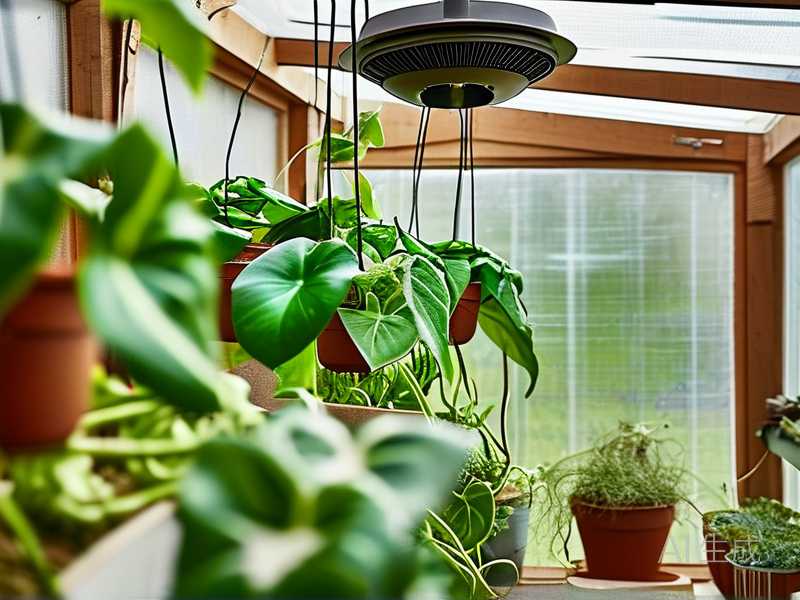
The RHS consistently flags poor ventilation as a leading cause of fungal disease in protected cultivation. I've watched this play out in my own 6x8 greenhouse. Without a fan, my Drosera capensis leaves developed fuzzy gray patches within four days of a humid spell.
Here's the thing about carnivorous plants specifically. Their sticky leaves collect debris, and stagnant air keeps those leaves wet. Wet plus still equals rot. A decent fan keeps the leaf surface drier between mistings without drying out the soil.
The Calculation Most People Skip
Before you buy anything, figure out your greenhouse's volume. Multiply length x width x average height in feet. My 6x8 greenhouse with a 7-foot peak works out to roughly 336 cubic feet.
Now for the rule I wish I'd known earlier: you want the entire volume of air exchanged roughly once every one to two minutes. So a fan rated around 150–300 CFM (cubic feet per minute) handles my space comfortably.
Don't just buy the biggest fan you can afford. Oversized fans create windburn and dry out your sundews too fast. I tried a 400 CFM inline fan in my little greenhouse and my Drosera spatulata looked crispy within a week. Lesson learned.
A simple way to think about it: small greenhouse, small fan. Big greenhouse, bigger fan. Match the machine to the space.
Oscillating Clip Fans vs. Inline Exhaust Fans
You'll mostly be choosing between two types. Each has a place, and I've used both.
Clip-On Oscillating Fans
These are my go-to for small hobby greenhouses. They clip to a frame or shelf, oscillate side to side, and move air gently across the plants. Cheap, quiet, and easy to reposition.
The catch is coverage. One clip fan won't push air through a long greenhouse. I run two in my space, one high and one low, angled so the air actually circulates rather than just swirling in one corner.
Inline Exhaust Fans
These pull hot, humid air out and draw fresh air in through vents. They're essential if your greenhouse gets above 90°F in summer. Inline fans are quieter than they look and move serious volume.
For sundews, I like pairing an exhaust fan with passive intake vents. That way fresh air comes in low and hot air leaves high. It mimics natural convection, which sundews handle well.
Don't run an exhaust fan on full blast 24/7 in a small space. I made that mistake and my humidity crashed below 40%. Sundews want 50–70% humidity. Intermittent operation, often on a timer, works better.
The Two-Week Test That Changed My Setup
Here's something I actually did rather than guessing. I set up my chosen clip fan on a simple timer, running 15 minutes on, 15 minutes off during daylight. Then I watched for two weeks.
By day three, the fuzzy mold spots on my capensis leaves stopped spreading. By day seven, new leaves unfurled clean and dewy. By day fourteen, the whole tray looked healthier, and the fungus gnat population dropped noticeably because the air was too breezy for them to hover.
That two-week window is my honest recommendation for anyone testing a new fan. Don't judge it in a day. Give the plants time to adapt.
I also learned to point fans slightly above the plants, not directly at them. Bouncing air off a wall or the roof creates gentle circulation without windburn. My leaves stay dewy; the air just keeps moving.
Placement Rules I Follow Now
Position matters as much as power. I mount one fan high near the ridge to push hot air down and around. A second fan sits low, near the intake vent, pulling cooler air in.
Keep fans at least a foot from your sundew crowns. Direct, constant wind on the growing point dries it out and causes deformed leaves. I learned this after a month of wondering why my plants looked windblown.
Also, clean your fan blades monthly. Dust and plant debris build up fast in a humid greenhouse, and a dirty fan moves less air while spreading spores. A quick wipe with a damp cloth does the job.
Sound, Power, and Practical Buying Tips
For a home greenhouse, look for fans under 40 decibels if it sits near your house or a neighbor's fence. I run a quiet clip fan and honestly forget it's on.
Check the power cord length before buying. Nothing's more annoying than a fan that can't reach your outlet without an extension cord snaking across the floor. Also confirm your fan is rated for damp environments. Greenhouse humidity destroys cheap electronics.
Look for adjustable speed settings. Being able to dial down to a gentle breeze is worth the few extra dollars. I run mine low in winter and higher in summer.
One more tip: buy one size up in CFM rating if your greenhouse gets full sun all day. Heat builds fast, and a little headroom on fan capacity gives you flexibility.
When Humidity and Airflow Fight Each Other
This is the balancing act nobody warns you about. Fans dry the air. Sundews need humidity. Too much airflow and you're fighting crispy leaves; too little and you're fighting mold.
My working formula: run fans intermittently, keep a humidity gauge visible, and maintain 50–70%. Use a timer so airflow cycles rather than blasting constantly. Group your plants together so they create their own humid microclimate while the fan keeps the air from going stale.
The AHS notes that good air circulation is one of the most overlooked factors in protecting plants from disease indoors and in protected structures. After my own trial and error, I'd add that it's especially true for anything with wet, sticky leaves.
A Quick Word on Winter Ventilation
Even in winter, don't seal everything up tight. A few minutes of air exchange daily prevents condensation buildup on leaves, which is where rot starts. I run my fan on low for short bursts even in January.
Cold air directly on sundews is fine briefly. Prolonged cold drafts are not. Keep the fan pointed so air circulates without chilling the crowns.
Three Mistakes New Growers Make
I've made all of these, so take it from someone who learned the hard way.
Mistake one: buying a fan that's too powerful. Bigger isn't better in a small greenhouse. Windburn is real, and it looks a lot like underwatering until you realize the leaves are drying from the air, not the soil.
Mistake two: pointing the fan straight at the plants. Indirect circulation beats direct blasting every time. Bounce the air off a wall.
Mistake three: running the fan nonstop. Constant full-power airflow strips humidity. Use a timer and cycle it.
Fix those three and you'll skip most of the heartbreak I went through.
Frequently Asked Questions
Do I really need a fan if my greenhouse has vents?
Vents help, but they rely on wind outside to work. On still days, your greenhouse sits stagnant. A small fan guarantees movement regardless of weather. I'd call it non-negotiable for sundews.
What size fan for a small 4x6 greenhouse?
Roughly 100–150 CFM covers a 4x6 space. A single oscillating clip fan usually handles it, as long as you position it to circulate air rather than blast one spot.
Can I run the fan at night?
Yes, and I often do in summer. Night airflow helps prevent dew sitting on leaves too long in warm conditions. In cooler months, I keep night airflow minimal.
Final Thoughts
Choosing a ventilation fan for your sundew greenhouse comes down to matching fan size to your space, choosing gentle circulation over raw power, and testing your setup over two weeks instead of one afternoon. My own collection transformed once I stopped treating airflow as an afterthought.
Start small, watch your plants, and adjust. Your sundews will tell you what they need, dewy and happy or crispy and sad. Trust the leaves, not the product label.