bluename
If your sundew leaves are turning sticky with mold, the fix is simpler than you think: cut the humidity, boost airflow, and stop misting the leaves. Mold on a sundew usually means the air around the plant is too still and too wet, not that the plant itself is doomed. I've pulled more than one drosera back from a fuzzy white mess, and in most cases the leaves recover within two weeks once you dry things out. Let me walk you through exactly what I do.
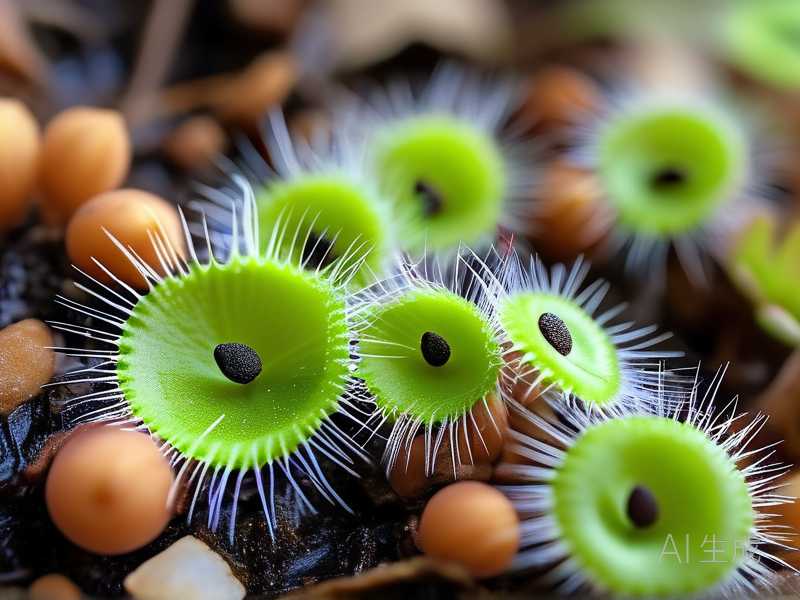
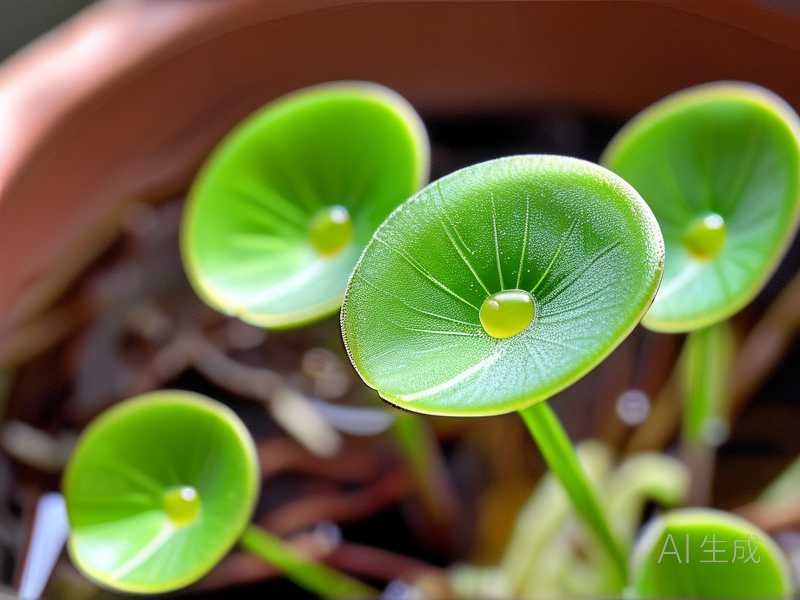
Sundews are those incredible little carnivores with tentacles that glisten like morning dew. That "dew" is actually a sticky mucilage that traps gnats, fruit flies, and mosquitoes. Honestly, they're one of the most rewarding plants to keep on a sunny windowsill. They're also reasonably easy once you understand their quirks, though beginners stumble on a few predictable things.
The catch is that the same sticky coating that catches bugs can also catch mold spores. When air sits still and moisture clings to the leaves, you get that gray-white fuzz. I learned this the hard way after killing my second sundew by being "extra caring" with a spray bottle.
Why Mold Loves Your Sundew Leaves
Mold needs three things to grow: moisture, warmth, and poor airflow. A sundew on a bright windowsill delivers warmth, and its natural mucilage delivers moisture. If your room is stuffy, that's the third ingredient.
Many people assume this plant wants a jungle-like terrarium. Not quite. The soil stays wet, sure, but the leaves themselves need to breathe. When I first started, I kept mine under a glass dome because it looked "professional." Big mistake. Condensation built up overnight and the sticky tentacles turned milky and fuzzy in about four days.
According to the RHS, good air circulation is one of the most overlooked factors in preventing fungal problems on houseplants. That applies double to sticky-leaved carnivores.
The Real Causes, Ranked
- Still, humid air — the number one culprit in my experience.
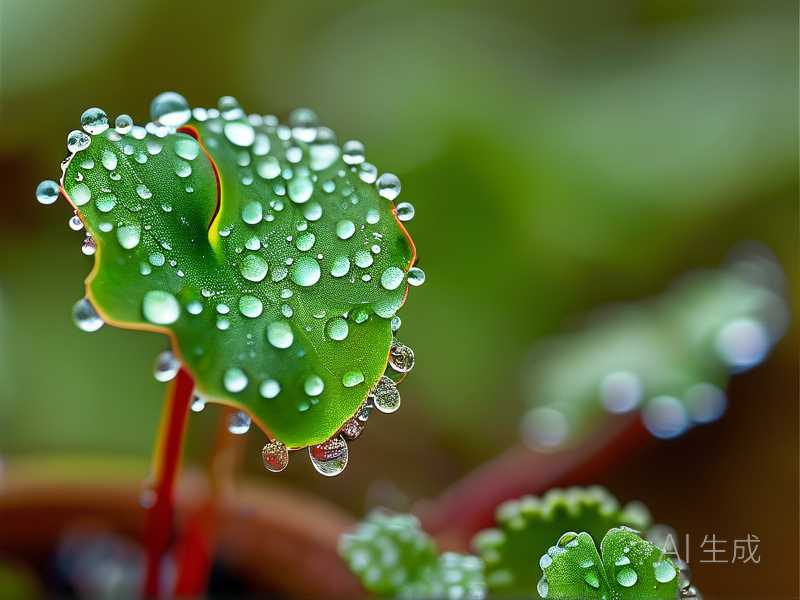
- Misting the leaves — people do this thinking it helps the dew. It doesn't. The plant makes its own.
- Overcrowding — plants packed together trap moisture between leaves.
- Water sitting on leaves overnight — from top watering or splashes.
- A closed terrarium with no ventilation.
Once you spot which one applies to you, fixing it is mostly common sense.
My 2-Week Fix: What I Actually Did
Here's the exact routine I used on a spatulata that developed white fuzz along its lower leaves.
Day 1: I stopped misting entirely and moved the plant to a spot with a gentle breeze from a nearby window. I removed the plastic dome for good.
Day 2–3: I gently wiped the fuzzy spots with a cotton swab dipped in distilled water. I didn't scrub. Just lifted the mold off the tentacles.
Day 4–7: I set a small clip fan on low, about three feet away, running for a few hours each day. I also cut back watering from daily to whenever the top of the soil felt barely damp.
Week 2: The new leaves came in clean and shiny. The old fuzzy ones eventually browned and I snipped them off. By day 14, there was no new mold at all. What I noticed most was how much faster the plant started catching gnats once the leaves were healthy again.
Light: Get This Right or Fight Mold Forever
Sundews want bright light. Not scorching midday sun through glass, but a solid four to six hours of direct morning light works well for most species.
When light is too weak, the plant grows soft and leggy, and those weak leaves hold moisture longer. That's a mold invitation. I keep mine in an east-facing window and it's thriving.
Watch for leaf burn in summer. If the tentacles turn brown and crispy at the tips, pull the plant back a foot or add a sheer curtain. Too much harsh light does damage too, just of a different kind.
Watering Without Creating a Swamp
This is where most people go wrong, and I include myself here. 90% of indoor plants die from overwatering, and while sundews are bog plants that genuinely like wet feet, the leaves still need to stay dry.
My rule: keep the pot sitting in a shallow tray of distilled or rainwater, about half an inch deep. Let the tray dry for a day before refilling. Never pour water over the top of the plant.
Tap water is a problem, by the way. Minerals build up and stress the plant. Rainwater or distilled is worth the effort.
Soil and Repotting
Use a mix of two parts peat moss (or a sustainable coco coir substitute) to one part perlite. No fertilizer in the soil, ever. I made that mistake once and burned the roots badly.
Choose a plastic pot with drainage holes, and keep it small. Sundews like snug roots. Repot every one to two years in early spring, and rinse the leaves gently afterward so no soil clings to the tentacles.
Feeding and Fertilizer
Skip fertilizer entirely. These plants feed themselves. If your sundew lives indoors with few bugs, you can offer a tiny pinch of freeze-dried bloodworms once a month on a single leaf. That's plenty.
Don't feed every leaf. Overfeeding causes rot and mold. Trust me, less is more here.
Seasonal Care
Spring is repotting and growth time. Trim dead leaves, refresh the soil, and give it maximum light.
Summer means watching for heat and drying trays. Increase airflow and never let the plant bake in stagnant air.
Fall is when I start reducing tray water slightly and clearing old leaves so nothing rots over winter.
Winter is the mold season indoors. Keep the plant cool, bright, and away from humid bathrooms. Cut back feeding to nothing and just maintain damp soil.
Common Problems and Fixes
Yellow leaves usually mean tap water minerals or too much fertilizer. Brown crispy tips mean sunburn. Fuzzy white patches mean mold, which you now know how to handle. Root rot shows up as a mushy black base and means the soil stayed soaked too long.
The American Horticultural Society's AHS notes that consistent, species-appropriate watering prevents most carnivorous plant problems. I've found that true across the board.
Three Beginner Mistakes I See Constantly
Overwatering. People drown the soil and the leaves at once. Keep the tray shallow and the leaves dry.
Wrong light. Too dark and the plant weakens. Too harsh and it burns. Bright, indirect to gentle direct is the sweet spot.
The wrong pot. Glazed ceramic without drainage is a death sentence. Stick with plastic and holes.
FAQ
Can I just scrape the mold off? You can wipe light fuzz with a damp swab, but if it keeps returning, fix the airflow or it will come right back.
Is mold on sundew dangerous to me? The common white mold on houseplants isn't harmful to healthy people. Still, don't sniff it and wash your hands after handling.
Will my sundew recover after mold? Yes, if the crown and roots are healthy. New leaves grow clean within about two weeks once conditions improve.
Getting a sundew through a mold scare is mostly about patience and small adjustments. Dry the leaves, move the air, ease off the misting, and give it bright light. Do that for two weeks and you'll likely see fresh, dewy tentacles again. I've been there, and honestly, the plant is tougher than it looks.