bluename
If your sundew is leaning like it just gave up on life, you're not alone. I've stared at plenty of lopsided, wobbly sundews on my windowsill, and honestly, the fix is usually simpler than you think. Most of the time it comes down to light direction, watering habits, and a pot that's just too small or too light. I'll walk you through exactly what I did over a two-week stretch to get my own sundew standing upright again, plus the mistakes that made things worse first. Stick with me and your plant can look balanced again without any fancy gear.
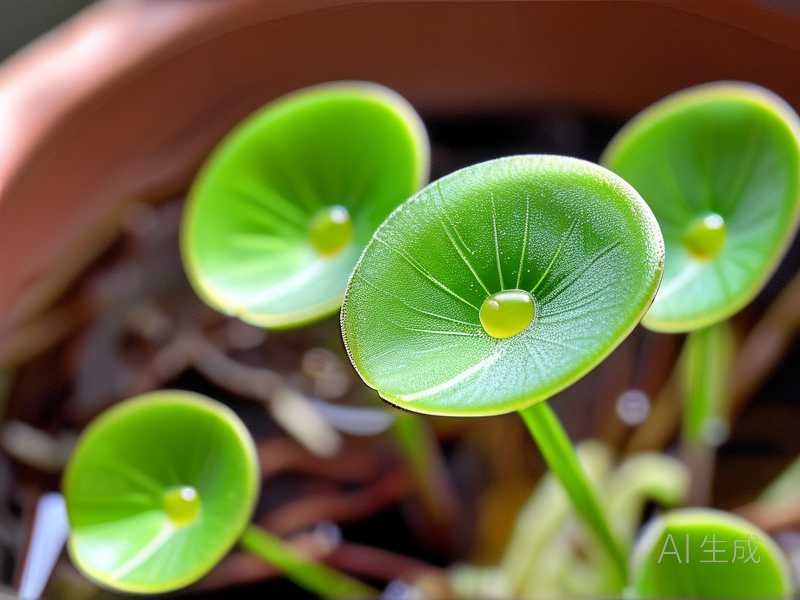
Sundews are those gorgeous little carnivorous plants with dewy tentacles that catch gnats and fruit flies. That dew is the whole show. It sparkles in good light and pulls in curious insects. As a houseplant, they're honestly low-maintenance once you get the basics right. The catch is they're fussy about water quality and light, and that's exactly where the crooked, unstable growth creeps in.
Why Your Sundew Is Growing Crooked and Unstable
Let me be blunt. A sundew that leans is a sundew that's chasing something. Usually it's light. Sometimes it's reaching for water. Occasionally it's just top-heavy and the pot can't hold it. Here's the thing I wish someone told me earlier: sundews don't grow crooked because they're lazy. They grow toward whatever keeps them alive.
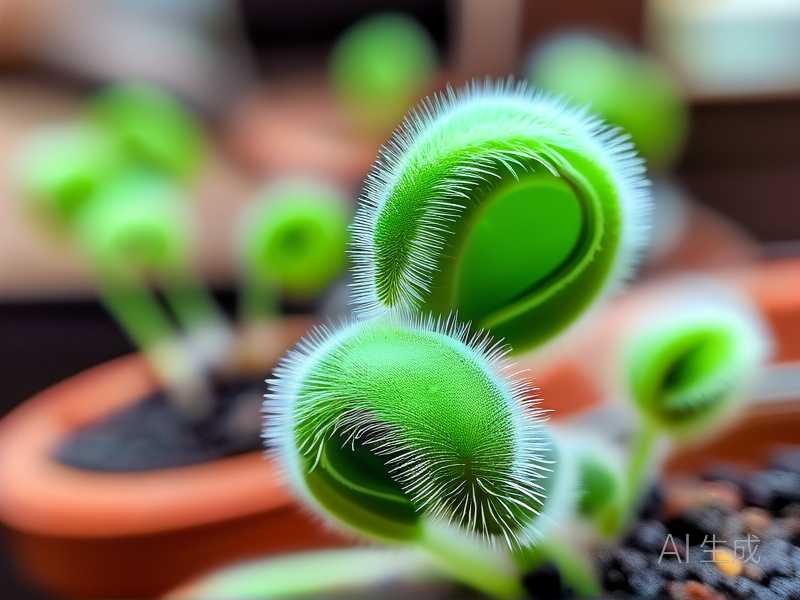
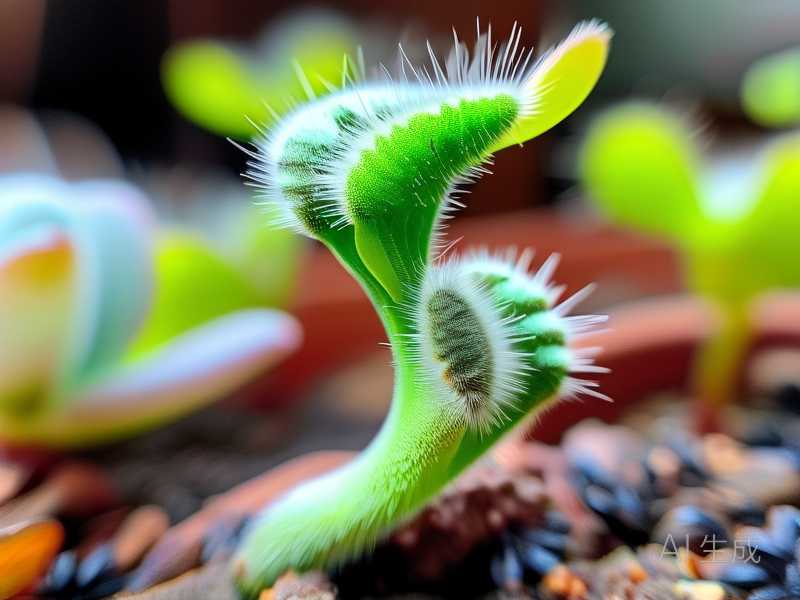
When light only comes from one side, the plant stretches and bends toward it. That's phototropism. Over weeks, the stem gets long and weak. The crown tips sideways. And because the whole thing is basically a shallow root system sitting on top of the soil, it topples.
Then there's the water side. If the soil dries unevenly, roots on one side die back and the plant loses its anchor. I've seen this in my own pots. One side of the soil stays soggy, the other goes crusty, and the sundew starts listing like a sinking ship.
And the pot itself matters more than people realize. A lightweight plastic pot in a water tray tips easily. A pot that's too small for a mature sundew can't counterbalance the top growth. I learned that the hard way after a gorgeous Drosera capensis face-planted into my windowsill.
According to the RHS, carnivorous plants like sundews need consistent moisture and bright light to stay healthy, and uneven conditions are a common cause of poor growth. That matches everything I've seen.
The Big Three Beginner Mistakes
I want to get these out of the way because I made all three. Every single one.
Mistake One: Overwatering
Here's a stat that should be on every plant label: 90% of indoor plants die from overwatering. Sundews are a weird exception because they actually like wet feet, but even they can rot if the water is stagnant and the roots sit in funk. I killed my second sundew by keeping it in a sealed glass jar with water that never moved. It looked fine for a week, then the crown turned to mush.
The fix isn't to let it dry out like a succulent. It's to keep the water fresh and shallow. More on that below.
Mistake Two: Light From the Wrong Direction
I used to park my sundew on a shelf where light only hit one side. Within ten days it was bent like a comma. I tried rotating it once a week, which helped a little, but the real fix was getting it closer to a window with light coming from above and the side.
Mistake Three: The Wrong Pot
I started with a tiny ceramic pot that looked cute. It was too light, too shallow, and the sundew tipped over every time I bumped the tray. Switching to a slightly heavier, wider pot fixed the wobble almost overnight. Shallow is fine for sundews, but light and tippy is not.
Light: The Real Reason Sundews Lean
Sundews want bright, indirect light. A south or east window in most homes works well. In the US, Canada, the UK, and Australia, the key is a few hours of gentle sun plus bright ambient light the rest of the day. Direct harsh afternoon sun can scorch the dew, but too little light makes the plant stretch and flop.
Here's what I did. I moved mine to a spot where light came from above and one side, not just a single beam. Then I rotated the pot a quarter turn every three days. Within about two weeks, the new growth started standing straighter. The old bent stem didn't magically correct itself, but the crown stopped leaning further.
If your sundew is already badly bent, don't expect the existing stem to straighten. It won't. You're encouraging new upright growth and supporting the old part. That's the realistic goal.
Watering: Keep It Wet, Keep It Fresh
Sundews need mineral-free water. Rainwater, distilled water, or reverse osmosis water. Tap water in most cities will slowly burn the roots and cause decline. I made this mistake for months before I switched, and the difference was obvious.
The tray method works best. Stand the pot in a shallow tray with about half an inch of water. Let the soil wick it up. Top up the tray, but don't let the pot sit in deep stagnant water for weeks. Refresh it every few days. If the water smells off, dump it and rinse the tray.
During hot spells, check the tray daily. In winter, when growth slows, you can let the tray go nearly dry between refills. That's the swing I use. And if you're ever unsure, erring on the wetter side is safer for sundews than for most houseplants.
Soil and Repotting
Sundews hate rich soil. Use a mix of sphagnum peat moss and perlite, roughly two parts peat to one part perlite. No fertilizer, no compost, no potting soil with nutrients. I tried a standard houseplant mix once and the plant sulked for weeks.
Repot every one to two years, or when the pot gets crowded. Choose a pot that's wider than it is tall and heavy enough not to tip. Plastic is fine if it sits in a tray, but a slightly heavier pot helps stability. When repotting, handle the roots gently. They're shallow and fragile. Settle the plant so the crown sits at soil level, then water it in and let it adjust for a week.
Feeding Your Sundew
This is where people overdo it. Sundews catch their own food outdoors, and indoors they'll grab the occasional fungus gnat. You usually don't need to feed them at all. If you want to, use a tiny amount of diluted Maxsea or a similar carnivorous plant fertilizer on the leaves once a month during active growth. Never pour fertilizer into the soil.
Don't feed during winter dormancy or when the plant looks stressed. I learned that after burning a few tentacles with a too-strong mix. Less is more, and skipping feeding entirely is often the safest call.
Seasonal Care That Actually Matters
Spring
Spring is when growth kicks back in. This is the time to repot if needed, trim dead leaves, and start gentle feeding. I check the crown for new upright growth and rotate the pot regularly. Move it to a brighter spot gradually so it doesn't scorch.
Summer
Watch the heat. Sundews can handle warmth, but baking on a hot windowsill dries the tray fast. I check water daily in summer and keep the pot out of harsh midday sun. Good airflow prevents mold on the dew.
Autumn
Growth slows. Cut back on feeding, start reducing tray water, and clean up dead leaves. This is when I start planning the winter spot.
Winter
Keep it cool but not freezing. Indoors, a bright windowsill works. Reduce water to keep soil just damp, stop feeding, and don't repot. The plant may die back slightly. That's normal. I let mine rest and it comes back strong in spring.
Pests and Problems
The usual suspects are fungus gnats, aphids, and mold. Good airflow and fresh water prevent most of it. Yellow leaves usually mean old age or water issues. Mushy crown means rot from stagnant water. Crispy leaves mean dry air or tap water burn. Fix the cause, remove the damaged parts, and give it two weeks to respond.
The AHS notes that consistent growing conditions are the foundation of healthy indoor plants. For sundews, consistency in light and water is everything.
FAQs
Will my bent sundew straighten out on its own? The old bent part won't straighten, but new growth will come in upright if you fix the light direction and rotate the pot.
Can I use tap water? No. Use rainwater, distilled, or reverse osmosis water. Tap water causes slow decline.
Why does my sundew keep tipping over? Usually a light pot, shallow roots, or one-sided light. Use a wider, heavier pot and rotate it regularly.
Final Thoughts
Fixing a crooked, unstable sundew is mostly about giving it light from the right direction, fresh mineral-free water, and a pot that can hold it steady. My own plant took about two weeks to show new upright growth after I made those changes. Be patient, skip the fancy products, and don't overfeed. Your sundew will thank you with a straight crown and plenty of dew.