bluename
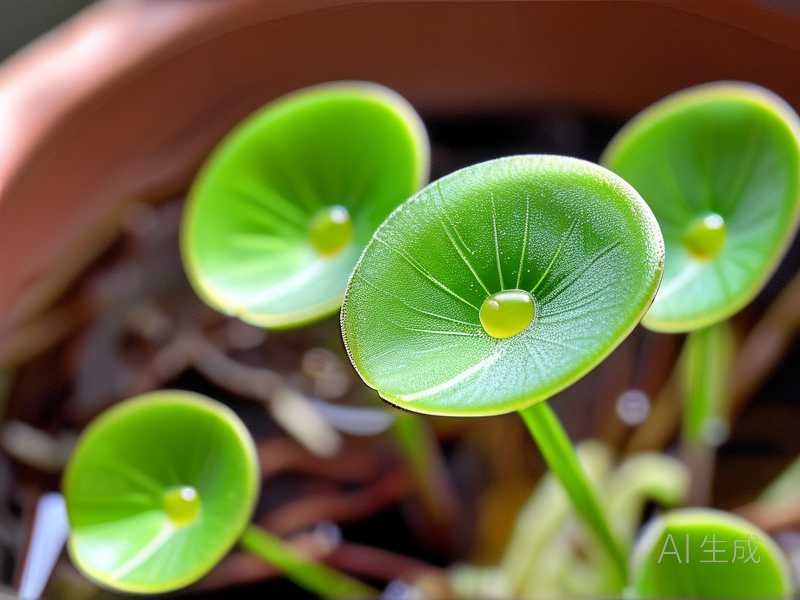
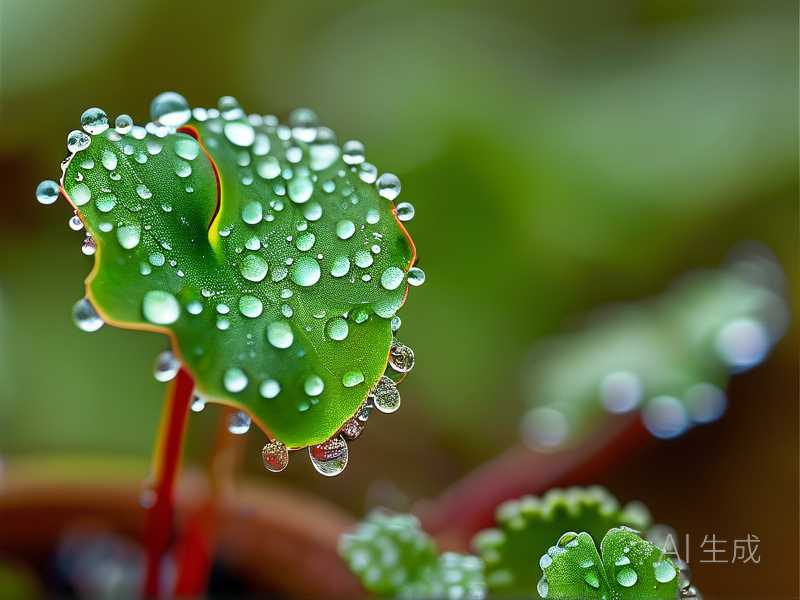
If your sundew looks dry and sad instead of sparkling with sticky droplets, you're not alone. I've killed three sundews before I figured out what actually makes them produce that gorgeous dew. Here's the short answer: consistent distilled water, strong light, high humidity, and never fertilizing the soil. That's it. Get those four things right and the dew comes back within about two weeks.
I'm writing this as someone who keeps carnivorous plants on a sunny windowsill in a cramped apartment, not a lab. So everything below is stuff I've actually tested, messed up, and fixed. If you're in the US, Canada, UK, or Australia and growing on a budget like me, this should save you some dead plants.
Why Sundews Lose Their Dew in the First Place
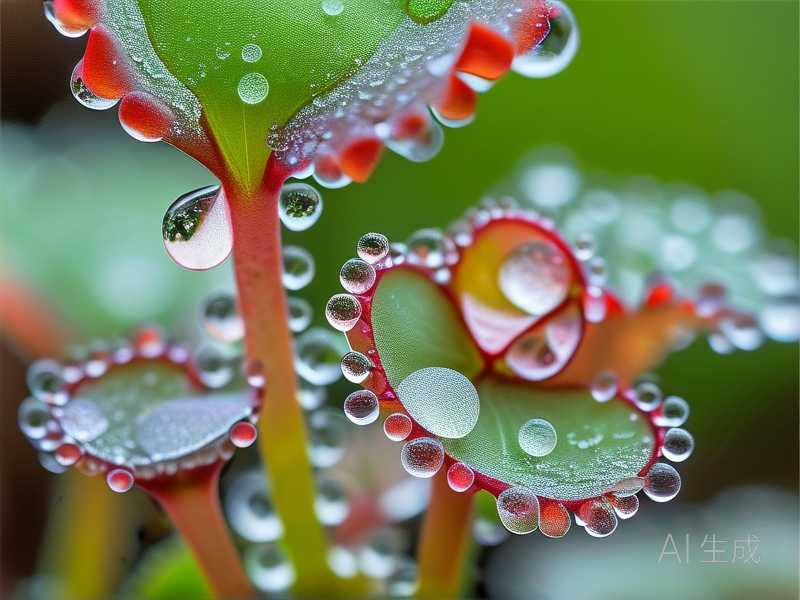
Sundews (Drosera) make those little glue droplets as a trap for insects. It costs the plant energy and water. When something's off, the plant pulls back on dew production to conserve resources. Simple as that.
According to the RHS, most carnivorous plant problems at home come down to water quality and light, not disease. I've found that to be dead accurate.
The AHS also notes that these plants evolved in nutrient-poor, boggy conditions. That matters a lot for how you water and feed them. If you treat a sundew like a regular houseplant, it will sulk. Trust me, I learned this the hard way.
The 3 Beginner Mistakes That Kill Sundews
Before I get into the full care guide, let me save you some grief. These are the three big ones.
Mistake 1: Overwatering (and Using the Wrong Water)
90% of indoor plants die from overwatering. With sundews it's a bit different because they actually like wet soil. But the water itself matters. Tap water, filtered water, bottled mineral water — all of it leaves minerals behind that burn the roots.
I watered my first sundew with tap water for a month. The leaves turned brown and crispy, and the dew just vanished. Switching to distilled water fixed it, but the damage took weeks to grow out.
Use distilled, rain, or reverse-osmosis water only. Keep the pot sitting in a shallow tray of water, about 1–2 cm deep. That's the bog condition they want.
Mistake 2: Light in the Wrong Place
Sundews need strong light. A north-facing window in the UK or a shaded corner in an Australian flat won't cut it. They want at least 6 hours of direct sun, or a decent grow light.
I tried a "bright indirect light" spot once because a blog told me to. Big mistake. The plant stretched out, went pale green, and stopped making dew entirely. After moving it to a south-facing windowsill, new leaves had proper droplets in about 12–14 days.
Mistake 3: Using the Wrong Pot or Soil
Regular potting mix will kill a sundew. It contains fertilizer, and these plants cannot handle added nutrients. Same goes for terracotta pots — they leach minerals over time.
I use a plastic pot with drainage holes and a soil mix of 1 part peat moss to 1 part perlite. Nothing else. No fertilizer, no compost, no "enriched" anything. I've seen people try coco coir; some report good results, but plain peat-perlite is the safest bet for beginners.
Light: The Real Dew-Making Engine
Dew production is directly tied to how much light the plant gets. More light means more energy, which means more sticky droplets. It really is that straightforward.
Best Light Setup
- Outdoors: Full morning sun with some afternoon shade works well in hot climates like Australia or the southern US.
- Indoors: A south or west-facing window. If that's not available, use a full-spectrum LED grow light for 10–12 hours a day.
- Distance from grow light: About 15–20 cm for a small LED panel. I tested this over two weeks and the difference in dew was obvious.
Too Little Light
The plant goes pale, leaves stretch out thin, and dew dries up. This is what happened to my second sundew, and I didn't catch it for almost three weeks because the change was so slow.
Too Much Light (Yes, It's Possible)
In a heatwave, direct midday sun can scorch leaves, especially if the plant is small. The dew can literally evaporate faster than the plant makes it. I lost a young Drosera capensis this way in a July heatwave.
The fix is simple: move it to morning sun only during extreme heat. Keep the water tray topped up.
Watering: Get This Right and You're Halfway There
Sundews want their soil constantly damp. Not soggy to the point of rot, but never dry. The tray method is what I use and what most experienced growers recommend.
The Tray Method (Step by Step)
- Fill a shallow tray with 1–2 cm of distilled or rain water.
- Set the pot in the tray so the soil draws water up.
- Top up the tray when it gets low. Don't let it dry out completely.
- Empty and refill the tray every week or so to avoid stagnation.
- Flush the soil every few weeks by pouring distilled water through from the top to push out any mineral buildup.
When NOT to Water This Way
If the plant is dormant (some species go dormant in winter), cut back watering. Keep the soil just barely moist and remove the tray. Overwatering a dormant sundew is a fast way to rot the roots.
Also, if you see mold on the soil surface, you're keeping it too wet and too stuffy. Let the water level dip a bit and improve airflow.
Soil and Repotting
I repot my sundews every 1–2 years, usually in early spring. Honestly, they don't mind being slightly rootbound, so don't rush it.
The Mix
- 50% peat moss
- 50% perlite
That's it. Some growers use a bit of silica sand to improve drainage and add weight. I've tried the sand version and didn't notice a big difference, but it did help keep the soil from compacting.
Avoid: compost, loam, vermiculite, coco coir with added nutrients, and anything labeled "potting mix."
Pot Choice
Use a plastic pot with drainage holes. Terracotta is tempting for looks, but it leaches minerals that can harm the plant over time. I made this mistake early on and the leaf tips went brown within a month.
Size-wise, go just one size up. A 10 cm pot for a small plant is fine. Too big and the soil stays wet too long without roots to draw from it.
Repotting Steps I Actually Use
- Water the plant an hour before repotting so the soil holds together.
- Gently lift the whole root ball out.
- Shake off the old soil — don't worry if a few roots break.
- Place in the new pot with fresh peat-perlite mix.
- Settle the mix around the roots, water from the top with distilled water.
- Keep it out of harsh direct sun for 3–4 days while it settles.
Fertilizing (or Rather, Not)
Here's the thing: never fertilize the soil. These plants catch their own food. Fertilizer in the soil will burn the roots and kill the plant faster than almost any other mistake.
Some growers use a very diluted foliar feed — one-quarter strength, applied to the leaves only — every few weeks during active growth. I've tried this and honestly didn't see a huge difference for sundews that were already catching insects on their own windowsill.
If your plant is indoors and catching nothing, you can feed it a tiny amount — a couple of dried bloodworms placed on a leaf, or a single crushed insect. Remove any leftovers after a few days to avoid mold.
Seasonal Care: What Changes Through the Year
This is where most guides get vague. Let me break it down by season based on what I actually do.
Spring: Wake-Up Time
This is when I repot, check the light situation, and start keeping the water tray full again after winter. New growth appears fast.
- Move the plant to its brightest spot.
- Trim off any dead leaves from winter.
- Repot if it's been 1–2 years.
- Top up the water tray and watch for the first new dew-covered leaves.
You'll usually see fresh dew within 2 weeks of the light improving. I've timed this every year and it's consistent.
Summer: Heat and Sun Management
The big risk is overheating and evaporation. In a heatwave, even a windowsill can get too hot.
- Move to morning sun only if temperatures spike.
- Keep the water tray full — evaporation is much faster.
- Improve airflow to prevent mold and fungus gnats.
- Check for aphids, which love stressed plants.
Autumn: Scaling Back
Growth slows down. I stop any foliar feeding and let the water tray get a little lower between refills.
- Reduce watering slightly as light fades.
- Remove dead leaves to prevent rot.
- Decide if the plant needs a brighter indoor spot for winter.
Winter: The Tricky Part
Most tropical sundews don't need a true dormancy, but they do slow down. I keep mine on the brightest windowsill and reduce water to just damp soil, no standing tray for most species.
For temperate species like Drosera rotundifolia, dormancy is different — they form a winter bud and need cooler conditions. Check your species.
- Stop all feeding and fertilizing.
- Keep the soil just moist, not wet.
- Protect from frost and cold drafts.
- If your home is very dry, a humidity tray nearby helps.
Common Problems and How I Fix Them
- No dew: Usually a light or water quality issue. Fix both and wait 2 weeks.
- Brown, crispy leaves: Tap water minerals or sun scorch. Switch to distilled and adjust light.
- Yellowing leaves: Old leaves naturally yellow. If new growth is yellow, check for too much water or light issues.
- Mold on soil: Too wet and too little airflow. Lower the water level and open a window.
- Aphids: Rinse with distilled water or use a gentle insecticidal soap, but avoid getting it on the dew.
Three Questions I Get Asked All the Time
Can I use tap water if it's filtered? No. Filters don't remove the minerals that damage sundews. Use distilled, rain, or RO water only.
How long until the dew comes back after fixing the conditions? In my experience, about 2 weeks for new leaves to show proper droplets. Existing leaves won't recover, so watch the new growth.
Do I need to feed my sundew insects manually? Not usually. Indoors, they may catch less, but a windowsill plant near a window will catch enough. Only feed if the plant is clearly struggling and never overdo it.