bluename
How to Choose a Suitable Misting Schedule for Sundew
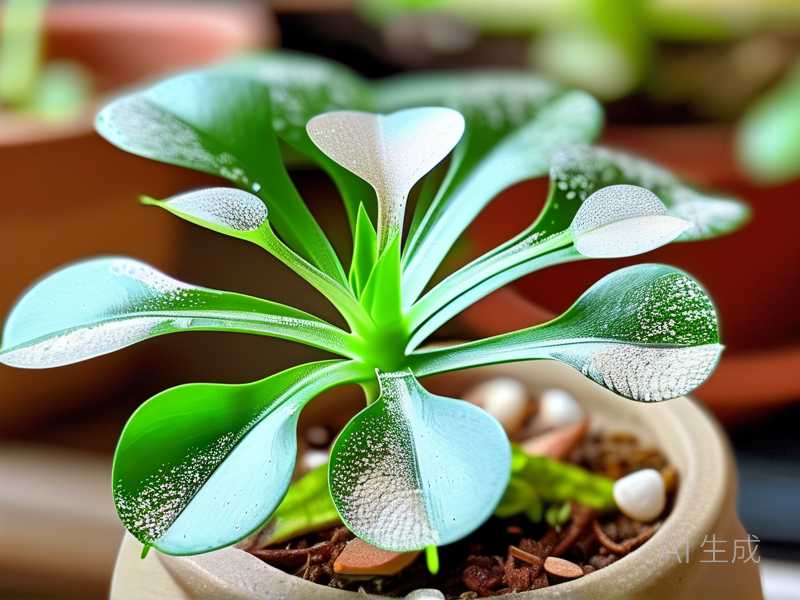
If you're killing your sundew with kindness, the misting bottle is probably the culprit. I learned this the hard way after losing three cape sundews in one summer. My apartment was dry, my brain said "more mist equals more dew," and my plants said otherwise. The truth is simpler: most sundews want high humidity but NOT constant wet leaves, and a misting schedule that works for a tropical terrarium can rot a windowsill plant in two weeks. Stick with me and I'll show you exactly how I schedule misting now, based on species, season, and what your plant's leaves are actually telling you.
Quick reality check before we go deeper: 90% of indoor plants die from overwatering, and misting is just watering from the wrong direction. Carnivorous plant growers often forget that. The leaves make their own sticky dew. Adding tap water on top of that dilutes the mucilage and invites fungus. So the goal is not "keep leaves wet." The goal is "keep the air around the leaves humid enough that the dew doesn't dry out."
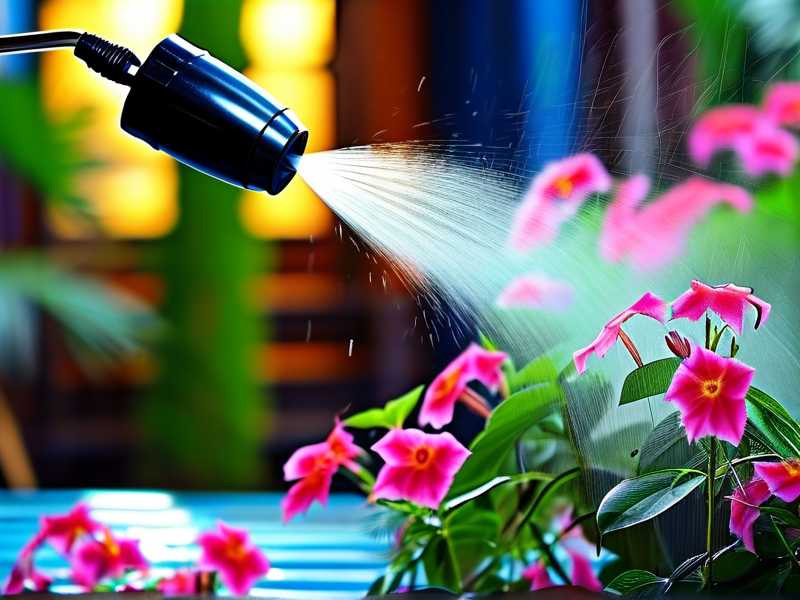
Let me give you the short answer first. For most tropical sundews like Drosera capensis, Drosera aliciae, or Drosera spatulata grown indoors, I mist lightly once every morning during spring and summer, skip misting on cloudy days, and cut back to once every three days in winter. For subtropical and temperate species, that schedule changes completely. South African winter growers like Drosera cistiflora hate summer misting. North American thread-leaved sundews want morning dew, not a shower.
That's the framework. Now let's break it down the way I actually do it at home.
What Sundews Actually Want From Humidity
Sundews are not rainforest orchids. I used to think "carnivorous equals swamp." Wrong. Many grow in seasonally dry habitats. According to the Royal Horticultural Society (RHS), carnivorous plants generally need consistent moisture at the roots, but leaf wetness is a different variable entirely. The American Horticultural Society (AHS) makes a similar point about airflow and fungal prevention in indoor collections.
So here's my rule of thumb after years of trial and error. Humidity above 50% keeps dew production strong. Humidity below 40% and you'll see dry, brown leaf tips within days. Misting helps raise local humidity for maybe 20 to 30 minutes. That's it. It is not a long-term humidity solution. If your home sits at 30% relative humidity all winter, you need a humidity tray or a small humidifier, not more sprays from a bottle.
I tested this myself with a cheap hygrometer. My living room dropped to 28% in January. Mist alone did nothing lasting. A pebble tray with water raised the immediate zone to 55%. That was the real fix.
The Two-Week Misting Experiment I Ran
I want to share a real test because I see so much vague advice online. I took two Drosera capensis plants from the same mother plant. Same soil, same window, same water tray.
Plant A: misted once every morning, tops of leaves, until droplets formed. Plant B: not misted at all, just sitting in a water tray with a small fan nearby.
Here's what happened over 14 days.
Days 1 to 4: No visible difference. Both looked great. Dew was heavy on both.
Days 5 to 8: Plant A started showing tiny black spots on older leaves. I didn't panic yet. Plant B stayed clean.
Days 9 to 12: Plant A had two leaves with gray mold at the base. I removed them with sterilized scissors. Plant B was pushing out a new flower stalk. That stung a little.
Days 13 to 14: Plant A recovered after I stopped misting the crown and only misted the air around it. Plant B never skipped a beat.
So what did I learn? Misting the leaves directly is risky in still air. Misting the air around the plant is safer. And a fan changes everything. I now run a tiny USB fan on low, two hours a day. No mold since.
That's the single biggest upgrade I've made to my sundew care, and it costs about twelve dollars.
The Misting Schedule That Actually Works for Me
Let me lay out what I do now, season by season, because one fixed schedule all year is nonsense.
Spring and Summer
This is active growth. Dew production peaks. I mist once in the morning, before the lights come on or before the sun hits the window. I aim the bottle upward and let the mist fall. I do not spray the crown. I do not spray at night. Night misting plus cooler temps equals fungal invitation.
If it's raining outside or the forecast is humid, I skip misting entirely. The plant does not need it.
Fall
I taper down. Misting every other morning. Humidity usually rises in fall, so the plant needs less help. I watch for slower dew production, which is normal as light fades. I do not compensate by misting more. That's a trap I fell into once and paid for with root rot.
Winter
This is where most people mess up. Indoor heating dries the air, so they mist more. But sundews slow down in winter. Less light, slower metabolism, less water demand. I mist every third morning, and only if the hygrometer reads below 40%. I also move plants away from heating vents. A vent blowing dry air on a sundew is worse than no misting at all.
Quick note on water quality. Always use distilled water, rainwater, or reverse osmosis water. Tap water leaves mineral residue on leaves and in the soil. That residue kills sundews slowly. I killed one that way before I knew better.
Different Sundews, Different Schedules
You cannot treat all sundews the same. I wish someone had told me that earlier.
Tropical sundews like Drosera capensis, Drosera aliciae, and Drosera spatulata: These are forgiving. Morning mist in spring and summer, occasional mist in winter. They tolerate average home humidity if the soil stays moist.
Subtropical sundews like Drosera binata: They like higher humidity but hate wet crowns. Mist the air, not the plant. I use a humidity dome only in winter.
Temperate sundews like Drosera filiformis and Drosera rotundifolia: These go dormant. Do not mist during dormancy. Let them dry out somewhat. Misting a dormant temperate sundew is a fast track to rot.
Tuberous sundews like Drosera menziesii: They have a dry summer dormancy. Zero misting in summer. Resume when growth starts in fall.
If you don't know your species, look it up before you pick up the bottle. Seriously. I learned this after losing a tuberous sundew to "helpful" summer misting.
Light and Misting Go Together
Here's a connection most guides skip. Misting without enough light is a mold farm. Misting with strong light and good airflow is fine.
Sundews want bright, indirect light or full sun depending on species. Most tropical types do great on a south or east windowsill. If you're using grow lights, aim for 12 to 14 hours in summer, 8 to 10 in winter.
Weak light plus misting equals weak, leggy growth and fungal issues. I tried keeping a sundew on a north windowsill once. It survived. It did not thrive. The dew was thin, and the leaves stayed wet too long. Moved it to an east window with morning sun, and within two weeks the dew came back strong.
If your plant is stretching, pale, or not producing dew, fix the light before you touch the misting bottle.
Soil, Pots, and Why They Affect Misting
Sundews need low-nutrient soil. I use a mix of one part peat moss and one part perlite. Some growers add silica sand. Avoid fertilizer. Avoid regular potting mix. That stuff will burn the roots.
For pots, I use plastic with drainage holes, sitting in a shallow water tray. Terracotta dries out too fast for most sundews. I tried terracotta once and had to water twice a day. Not worth it.
Now here's the misting connection. If your soil stays soggy and you mist the leaves too, you're asking for trouble. Roots need air. Leaves need airflow. Wet soil plus wet leaves plus no fan equals rot.
My fix: water tray method for moisture, misting only for humidity, and a small fan for air movement. Three separate tools, three separate jobs.
Fertilizing and Misting Don't Mix
Sundews are sensitive to fertilizer. I feed mine maybe once a month with a very diluted Maxsea or a beta fish pellet placed on a leaf. That's it. Do not fertilize and mist on the same day. Do not spray fertilizer on leaves. I tried a foliar feed once. The leaves burned within 24 hours. Never again.
If you're new to sundews, skip fertilizer for the first three months. Let the plant settle. Focus on light, water, and humidity. That's plenty.
Seasonal Care Beyond Misting
I know misting is the topic, but sundew health is a package deal. Here's the short version of what I do each season.
Spring: Repot if needed. Trim dead leaves. Resume regular watering. Start morning misting. Watch for flower stalks, which can drain energy from small plants. I cut them off unless I want seeds.
Summer: Watch for heat stress. Keep plants out of harsh afternoon sun if you're in a hot climate. Maintain water tray. Keep the fan running. Check for aphids and fungus gnats.
Fall: Reduce misting. Reduce watering slightly. Clean up dead leaves. Prepare for slower growth.
Winter: Move plants away from cold windows if temps drop below 50°F (10°C). Reduce watering. Mist sparingly. Keep the fan on low. Do not fertilize.
Common Problems and What They Mean
Brown, crispy leaf tips: Humidity too low or water quality is bad. Check your hygrometer and switch to distilled water.
Black spots or mold: Too much leaf wetness, not enough airflow. Stop misting the leaves. Add a fan. Remove affected leaves.
No dew: Light is too weak, humidity is too low, or the plant is stressed. Fix light first, then humidity.
Yellow leaves: Could be overwatering, root rot, or natural aging of older leaves. Check the soil smell. If it smells sour, repot.
Sudden collapse: Root rot. Happens fast. Unpot, inspect roots, trim mushy parts, repot in fresh soil. I've saved maybe half of mine this way.
Pests: Aphids and fungus gnats are the usual suspects. Aphids hide in new growth. Fungus gnats come from soggy soil. Neem oil works, but apply it at night and rinse the leaves the next morning. Do not combine with misting.
The Three Mistakes That Kill Beginner Sundews
I've made all three. Learn from my pain.
-
Overwatering. This is the big one. 90% of indoor plants die from overwatering. Sundews are not exceptions. The water tray method is safe. Drowning the soil is not.
-
Wrong light. Too little light means weak growth and no dew. Too much direct afternoon sun in a hot climate can cook the leaves. Match the light to your species.
-
Wrong pot. Terracotta dries too fast. Glass terrariums with no drainage hold too much moisture. Use plastic pots with drainage holes and a shallow tray.
Frequently Asked Questions
Can I mist my sundew with tap water?
No. Tap water leaves mineral deposits that clog the leaves and damage the soil over time. Use distilled, rainwater, or RO water. I keep a gallon jug of distilled water under my sink at all times.
Should I mist my sundew every day?
It depends on species and season. Most tropical sundews do fine with a light morning mist in spring and summer. In winter, cut back to every few days or skip it entirely. If your home humidity is above 50%, you probably don't need to mist at all.
Why did my sundew lose its dew after I started misting?
Direct misting can wash away the sticky mucilage that sundews use to catch prey. If the dew doesn't return within a few days, check your light and humidity. Stop spraying the leaves directly and mist the air around the plant instead. That usually fixes it.
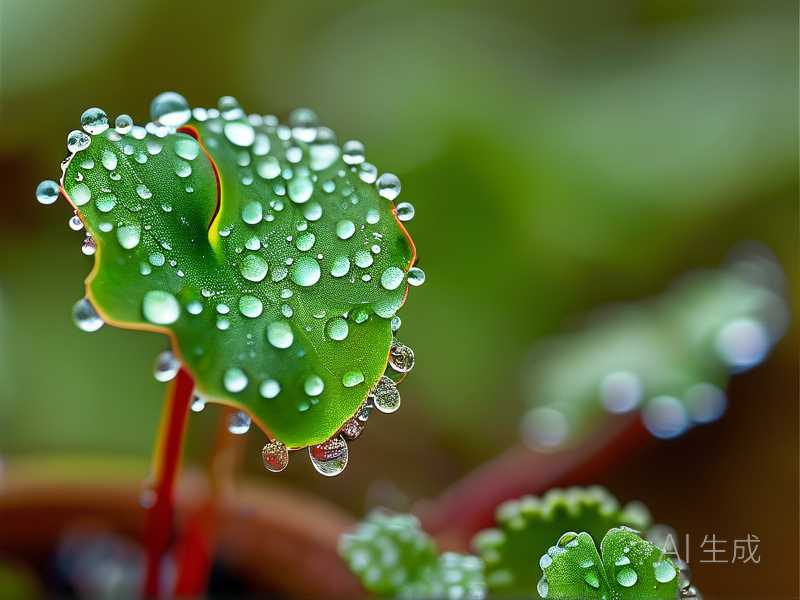
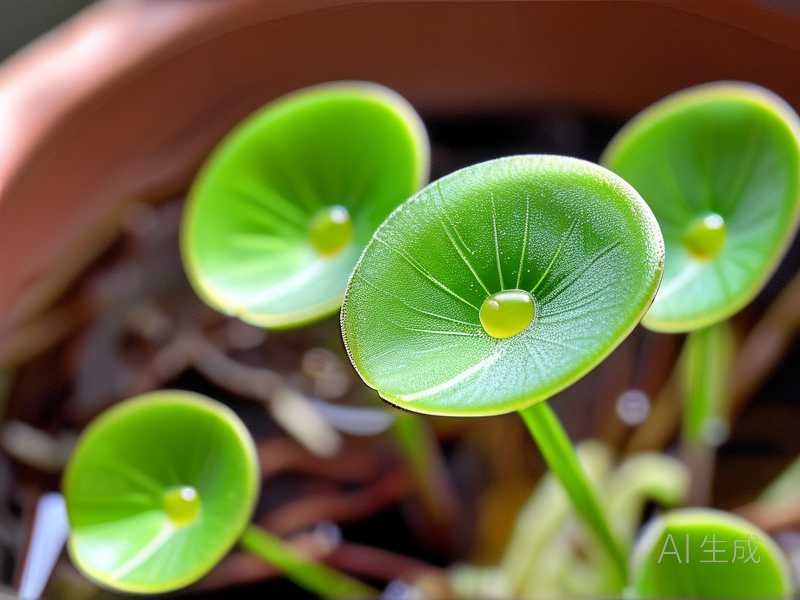
I hope this saves you a few plants. I know I wish I'd read something like this before my first three sundews turned to mush. Misting is a tool, not a cure. Use it wisely, watch your plant, and adjust as the seasons change. Your sundew will thank you with dew so heavy it looks like glass beads.