bluename
How to Help Sundew Adapt to Outdoor Weather Gradually
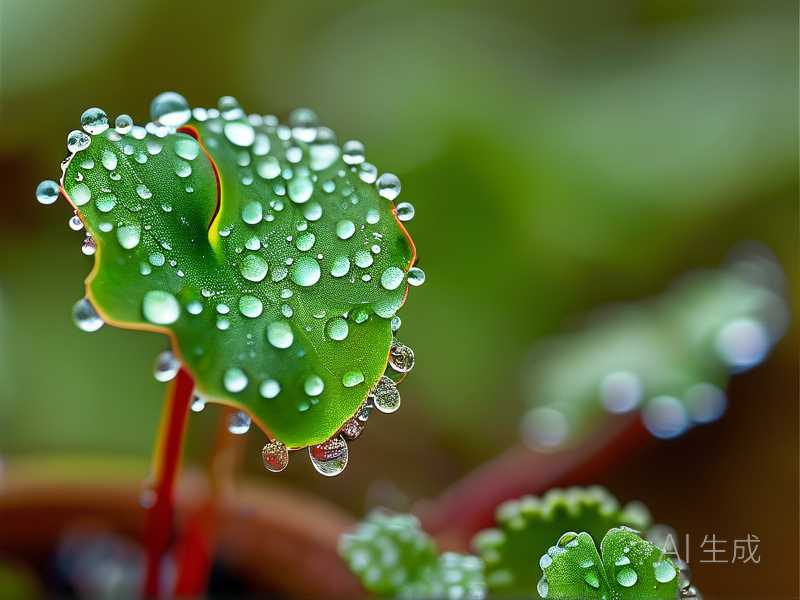
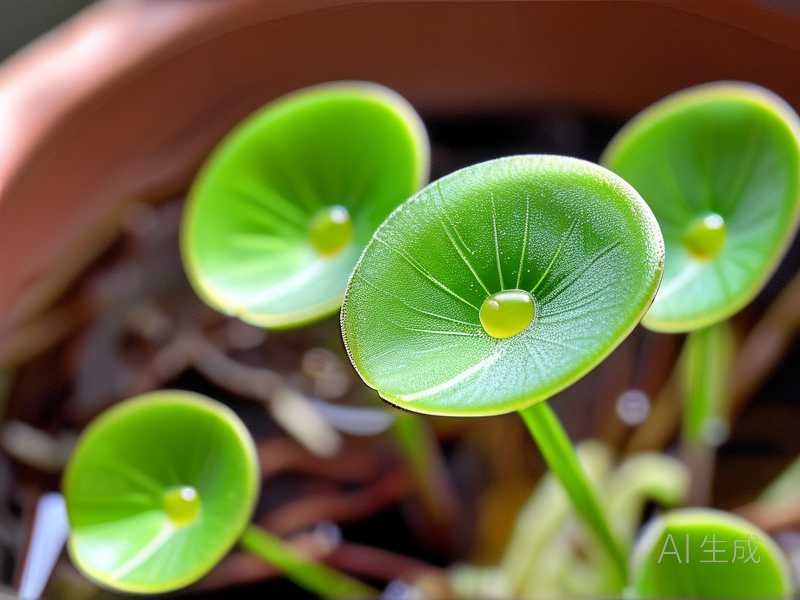
I killed my first three sundews trying to move them outside too fast, so let me save you that heartbreak right now. The answer is simple: you have to help sundew adapt to outdoor weather gradually over two to three weeks, not two or three days. Sundews are those fascinating carnivorous plants with sticky, glistening tentacles that catch tiny insects. They look like living jewels on your windowsill. But indoors they live in a cushioned bubble. Real sun, wind, and temperature swings will shock them fast. I learned this the hard way, and I want your plant to survive the move.
Why Sundews Struggle With Sudden Outdoor Weather
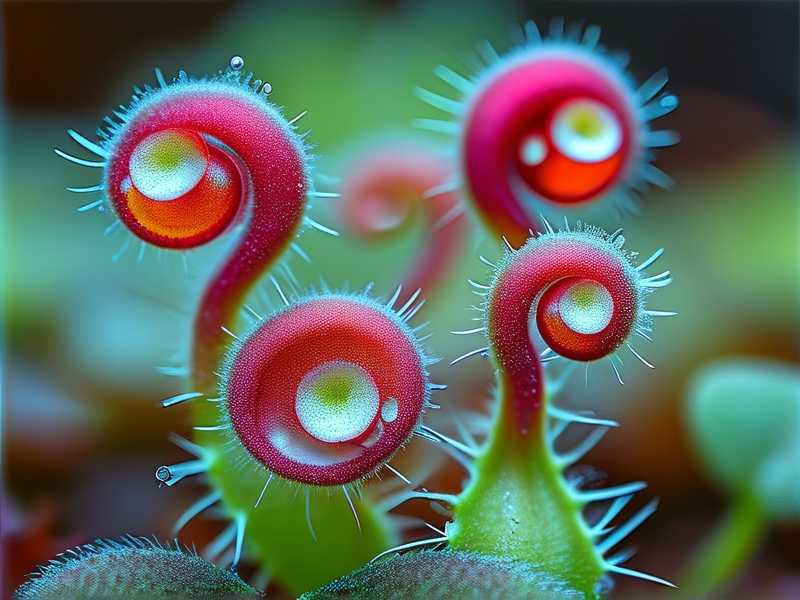
Sundews grow slow and steady in stable indoor conditions. Most homes stay between 65 and 75°F with gentle light from a window. Outside, everything changes at once. The sun is stronger. Humidity drops or spikes. Wind dries the dew on their leaves. Rain can flood a small pot in minutes.
The Royal Horticultural Society notes that most carnivorous plants need a careful transition period when moving between indoor and outdoor conditions. I ignored that advice once, and my Drosera capensis looked like burnt straw within a day.
You will see the damage as crispy leaf tips, dried dew, or a collapsed rosette. Sometimes the whole plant turns brown and mushy if cold rain hits it. That is not a pest problem. That is environmental shock.
My 2-Week Gradual Acclimation Plan That Actually Worked
Here is the exact schedule I use now. It worked on my Drosera capensis, my Drosera spatulata, and even a fussy Drosera binata. I watched each plant every day for two weeks and wrote notes on what changed.
Week 1: Shade and Short Visits
Days 1 to 3: Put the pot outside in full shade for one hour. Morning is best. Avoid midday sun completely. I place mine under a patio chair or on the north side of the house.
Days 4 to 5: Extend to two hours in shade. Check the leaves for any drying. If the dew looks milky or the tips curl, back off for a day.
Days 6 to 7: Three hours in shade. Start giving one hour of gentle morning sun if the weather is mild.
Week 2: More Sun, Longer Stays
Days 8 to 9: Four hours outside, with two hours of soft morning sun.
Days 10 to 11: Five to six hours outside. Include morning sun but still avoid harsh afternoon sun.
Days 12 to 14: Leave the plant out for most of the day in dappled light. If nights stay above 50°F, you can start leaving it out overnight in a sheltered spot.
By day 14, my sundews had thicker dew and darker red tentacles. That is the sign they are adapting. If your plant still looks pale or dry after two weeks, repeat days 8 to 11 for another week.
The Big Three Newbie Mistakes That Kill Sundews
Mistake 1: Overwatering
Almost every carnivorous plant death I have seen starts with the soil. And here is the truth: 90% of indoor plants die from overwatering. Sundews are not houseplants, but they still rot if their roots sit in stagnant, soggy soil.
I used to think "bog plant" meant "swamp plant." Wrong. Sundews want damp soil, not muddy soup. I keep my pots in a tray with half an inch of water and let the tray dry for a day before refilling. In winter, I let the soil stay just barely moist.
If your sundew turns black at the base, that is root rot. Unpot it, cut away the mushy roots, and repot in fresh sphagnum. I lost a beautiful D. adelae this way before I learned the tray method.
Mistake 2: Light Misplacement
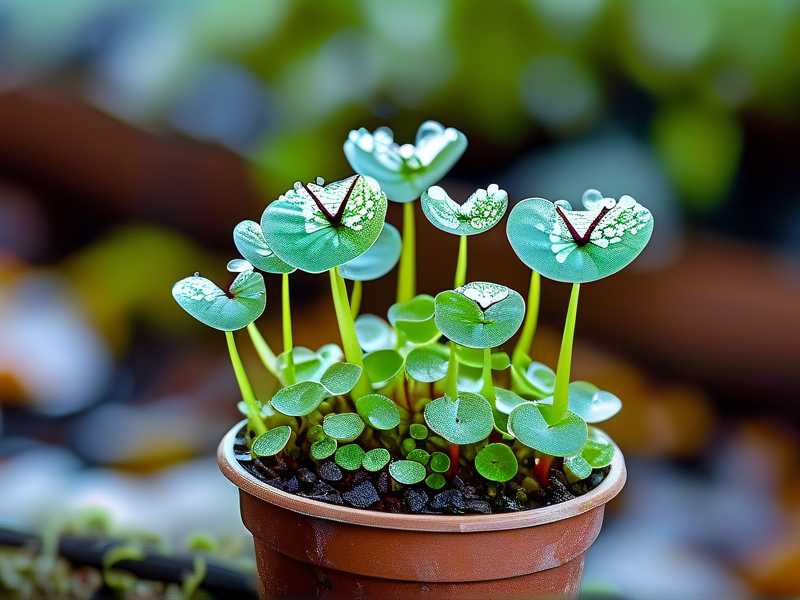
Sundews need bright light to make dew. But sudden full sun burns them. I once put a healthy D. capensis on a south-facing porch in July. By 2 PM, the leaves were white and crispy.
The fix is filtered light. Use a sheer curtain outdoors, or place the pot where it gets morning sun and afternoon shade. Indoors, a south or east window works well. If your plant has no dew, it needs more light. If it has brown patches, it needs less direct sun.
Mistake 3: Wrong Pot
I tried growing a sundew in a terracotta pot once. Big mistake. Terracotta wicks moisture away from the soil, and sundews hate drying out. Plastic or glazed ceramic pots hold moisture far better.
Also, skip the fancy self-watering containers. They keep the soil too wet for too long. A simple 4-inch plastic pot with drainage holes is perfect. I use clear orchid pots sometimes so I can see the roots and moisture level.
Soil, Water, and Repotting the Right Way
Sundews need acidic, nutrient-poor soil. I mix two parts peat moss with one part perlite or coarse sand. Never use regular potting mix. The fertilizer in it will burn the roots.
For water, use only distilled, rain, or reverse osmosis water. Tap water has minerals that build up and kill sundews over time. The Australian Carnivorous Plant Society recommends testing your water if you are unsure. I just collect rain in a bucket and store it under my bench.
Repot every one to two years in early spring. I do it when the plant looks crowded or the soil breaks down. Gently rinse the roots and trim any dead ones. Then pot into fresh mix. Keep the plant in shade for a week after repotting. No fertilizer. Ever. Sundews get their nutrients from bugs, not from you.
Seasonal Care for Outdoor Sundews
Spring
This is the best time to start acclimation. As days warm, move your sundew outside following the two-week plan. Trim any dead winter leaves with clean scissors. If you repot, do it now so the plant has all season to grow.
I feed my outdoor sundews one small insect every two weeks in spring. A dead fruit fly or ant works fine. Do not overfeed. One bug per plant is plenty.
Summer
Watch the heat. Sundews can handle warmth but not baking roots. I move my pots to a spot with morning sun and bright shade after lunch. Keep the water tray filled, but never let the pot sit in deep water all day during a heatwave. That cooks the roots.
Good airflow matters too. I space my pots apart so air moves between them. This prevents mold and fungus gnats. If you see aphids, blast them off with water or use a mild insecticidal soap. I check the undersides of leaves every few days.
Autumn
As nights cool, start reducing water. Let the tray dry between refills. Stop feeding by early fall. The plant will slow down on its own.
If you live where frost comes early, bring the sundew inside before the first freeze. I move mine to a bright windowsill and cut back on watering. Remove any yellow or brown leaves so pests have nowhere to hide.
Winter
Most sundews go semi-dormant in winter. They need less water and no fertilizer. I keep mine near a south window and water only when the soil surface starts to dry. Do not let them sit in cold, wet soil. That is a recipe for rot.
If you keep them outdoors in a mild climate like parts of California or Australia, cover them during frost nights with a cloche or move them to a shed. I use a simple clear plastic storage bin with holes drilled in the lid. It keeps the humidity up and the frost off.
Common Pests and Problems I Have Dealt With
Aphids love sundew flower stalks. I wash them off with a gentle spray of water. If that fails, I use diluted neem oil. But be careful. Oil can damage the dew glands. I apply it only to the stalks, not the leaves.
Fungus gnats are annoying but not deadly. They actually become food for the sundew. The real danger is root rot from wet soil. If your plant collapses, check the roots immediately.
Yellow leaves usually mean too much water or not enough light. Brown, crispy leaves mean too much sun or dry air. I keep a small notebook and write down what I change each week. That helped me stop guessing.
Frequently Asked Questions
How long does it take for a sundew to adapt to outdoor weather?
Most sundews need two to three weeks of gradual exposure. I do one hour in shade on day one and add time slowly. If the plant shows stress, I hold at the same stage for a few extra days.
Can I put my sundew outside in direct sun right away?
No. That is the fastest way to kill it. Even sun-loving species like Drosera capensis need a transition period. Start with full shade and add morning sun only after a week.
What is the best water for outdoor sundews?
Rainwater is best. Distilled or reverse osmosis water works too. Never use tap water, because the minerals build up in the soil and poison the plant over time.
My final tip is simple. Go slow. Watch your plant every day. Keep notes. The two-week plan I shared has saved every sundew I have moved outside since that first disaster. You can do this, and your plant will reward you with sticky, sparkling leaves all season. For more detailed care guides, check the resources from the Royal Horticultural Society and the American Horticultural Society. They both offer excellent advice for carnivorous plant growers.