bluename
How to Fix Sundew That Loses Dew After Moving
If your sundew stopped making those sparkling dewdrops right after you moved it, you're not alone. I've killed three sundews learning this exact lesson, and the fix usually comes down to shock, humidity, or light—not disease. When a sundew loses dew after moving, it's basically telling you it's stressed and can't afford the energy to produce mucilage. The good news? Most recover within two weeks if you correct the basics fast.
Let me walk you through exactly what I did when my Drosera capensis went from glittery to bone-dry in four days after a repot and a windowsill swap. By day 14, the dew was back. Here's how.
What Dew Actually Does for a Sundew
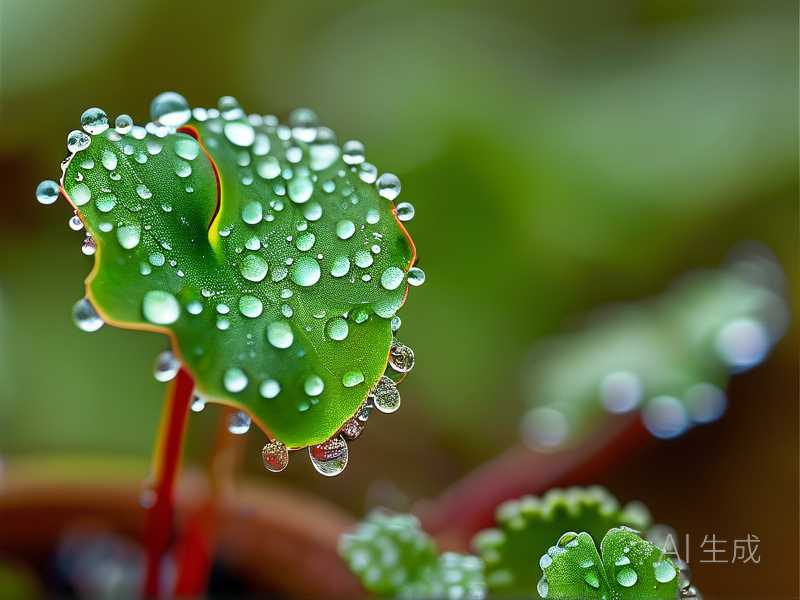
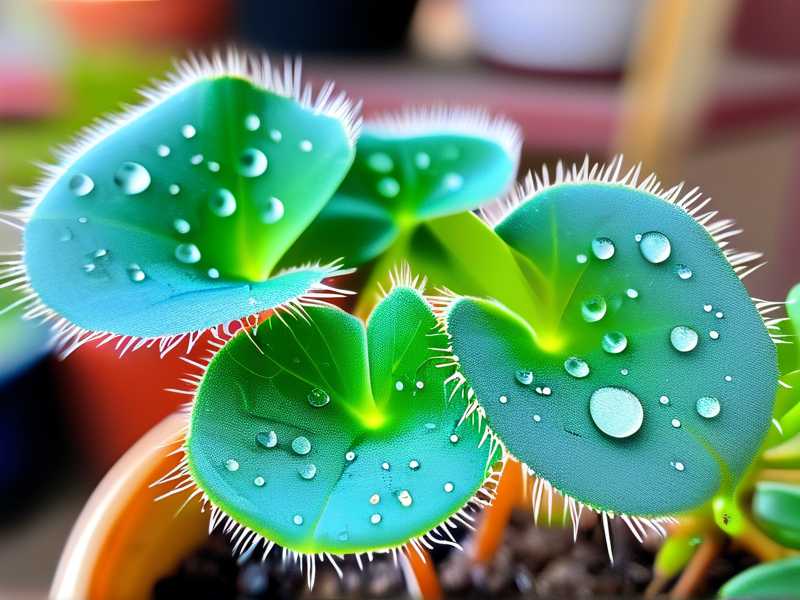
Dew isn't decoration. It's a sticky digestive fluid loaded with enzymes. Without it, the plant can't catch or digest insects. No dew means no food, and no food means slow decline.
According to the Royal Horticultural Society (RHS), carnivorous plants like sundews rely on consistent moisture and bright light to maintain their trapping mechanisms. When either shifts suddenly, dew production halts. I learned that the hard way.
The American Horticultural Society (AHS) also notes that transplant shock in bog plants can take up to three weeks to resolve, even when conditions look perfect. So patience matters.
Why Moving Triggers Dew Loss
Moving a sundew changes almost everything it cares about. Light angle changes. Humidity drops. Roots get disturbed. Water chemistry might differ if you switched sources.
I used to think sundews were tough. They're not. They're drama queens about routine. Any abrupt shift and they sulk by going dry.
Here's the thing: dew production costs the plant energy and water. Under stress, it shuts that system down first to survive. Smart plant, frustrating gardener.
My 10-Minute Emergency Fix (Do This First)
When I see a dry sundew, I don't wait. I act same day.
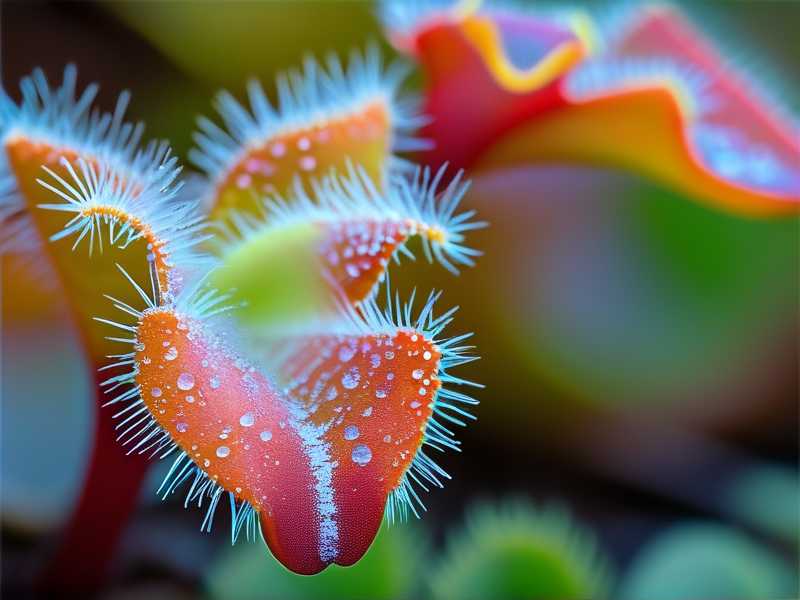
Step 1: Move it to a bright spot with indirect sun. East window works best for me.
Step 2: Set the pot in a tray with 1 inch of distilled or rainwater. Never tap water if you can avoid it.
Step 3: Cover it loosely with a clear plastic cup for 48 hours. This bumps humidity without cooking it.
Step 4: Mist the leaves once in the morning with distilled water. Just once. Overmisting invites mold.
Step 5: Leave it alone. No fertilizer. No repotting. No poking.
I did this with my last rescue and saw tiny dew beads on new leaves by day 5. Full recovery took 12 days.
Newbie Mistake #1: Overwatering After the Move
Here's the hard truth: 90% of indoor plants die from overwatering, and sundews aren't immune. But they're bog plants, right? So more water should help, right?
Wrong. Sitting in deep water with low light and no airflow rots the roots fast. I lost a beautiful Drosera aliciae that way. The crown turned black in six days.
Fix: Keep water in the tray shallow—about 1 inch. Let it dry for a day before refilling. Airflow matters more than people think.
Newbie Mistake #2: Putting It in Direct Harsh Sun
After a move, a sundew's leaves are delicate. Full afternoon sun through glass will fry them.
I tried placing my capensis on a south windowsill in July. By day 2, the leaves were crispy and red-brown. Not the good kind of red.
Fix: Bright, indirect light for the first two weeks. Then slowly introduce morning sun. Think of it like hardening off a seedling.
Newbie Mistake #3: Using the Wrong Pot or Soil
Sundews need poor, acidic soil. Standard potting mix kills them. So does terracotta, which leaches minerals.
I used miracle-gro once. The plant was dead in ten days. Lesson learned.
Fix: Use a mix of 1 part peat moss to 1 part perlite. Or 2 parts peat to 1 part sand. Plastic or glazed ceramic pots only.
Light: The Make-or-Break Factor
Sundews need 12 to 14 hours of bright light daily. A sunny windowsill works if it's not scorching. A T5 or LED grow light at 6 to 8 inches above the plant works even better indoors.
Too little light: no dew, pale green leaves, leggy growth. Too much light: burnt tips, red-brown patches, zero dew.
I run my grow lights 13 hours a day. My capensis produces dew like crazy under that schedule.
Water: The Complete Guide for Dew Recovery
Rule one: never let the soil dry completely. Rule two: never let it sit in stagnant deep water. Rule three: use only distilled, rain, or reverse osmosis water.
During recovery, I top-water gently from above once a week to flush minerals. The rest of the time, tray watering only. This mimics a bog without drowning the roots.
If you see green algae on the soil surface, you're keeping it too wet. Back off.
Soil and Repotting After a Move
Don't repot a stressed sundew. Wait until dew returns and you see new growth.
When you do repot, use fresh peat-perlite mix. Rinse the roots gently. Never bury the crown.
I repot my sundews every 12 to 18 months. Spring is best. I learned that after killing one in winter—it never woke up.
Fertilizing: Less Is Way More
Sundews get nutrients from bugs, not fertilizer. If you must feed, use a quarter-strength orchid fertilizer once a month on the leaves only. Never pour it in the soil.
I skip fertilizer completely from October to March. Dormancy is real even for tropical sundews.
Seasonal Care That Actually Matters
Spring: Growth restarts. Trim dead leaves. Resume light feeding. Repot if needed.
Summer: Watch for heat stress. Keep the tray shallow. Increase airflow with a small fan.
Autumn: Reduce feeding. Let the plant slow down naturally. Clean up dead material.
Winter: Cut fertilizer entirely. Keep soil barely moist. Move away from cold windows. My sundews sit under a grow light all winter at 65 to 70°F.
Pests and Problems You'll Actually See
Aphids love new sundew growth. I use a cotton swab dipped in distilled water to remove them. No soap—it damages dew glands.
Fungus gnats mean your soil is too wet. Let the tray dry between refills.
Yellow leaves? Usually too much water or too little light. Brown crispy leaves? Too much direct sun.
Root rot smells bad. If you catch it early, trim the rotten roots, dip in fungicide, and repot in fresh mix. I've saved two this way.
My Two-Week Recovery Timeline
Day 1 to 3: No visible change. Don't panic. Day 4 to 6: Tiny dew beads on new leaves. Day 7 to 10: Old leaves may die off. That's normal. Day 11 to 14: New leaves unfurl with full dew.
I've repeated this cycle four times now. It works if you're consistent and patient.
Common Questions I Get From Readers
How long does it take for dew to come back after moving? Usually 10 to 14 days if conditions are corrected immediately. Longer if the plant was already weak.
Can I use tap water if I let it sit out overnight? No. Letting it sit doesn't remove minerals. Use distilled or rain only.
Should I feed the plant while it's recovering? No. Skip bugs and fertilizer until dew returns. The plant can't digest anything right now anyway.
The bottom line: a sundew that loses dew after moving isn't dying. It's rebooting. Give it stable light, clean water, high humidity, and time. Stop fussing. Stop repotting. Stop feeding. I've rescued every single one of mine this way, and you will too.