bluename
How to Choose a Organic Pest Repellent for Sundew: A Practical Guide for Home Growers
If you've ever watched tiny gnats circle your sundew and wondered whether a spray bottle might do more harm than good, you're in the right place. Choosing an organic pest repellent for sundew is trickier than it sounds.
Here's the short answer: most organic sprays will damage or kill your sundew. That's because sundews are carnivorous. They absorb nutrients through their leaves, and many "natural" products contain oils, soaps, or botanical extracts that burn those sensitive tentacles.
I learned this the hard way. I killed my first two sundews with a neem oil spray I thought was gentle. It wasn't.
So what actually works? Let me walk you through everything I've figured out over years of growing these plants indoors.
Why Sundews Are Different From Your Other Houseplants
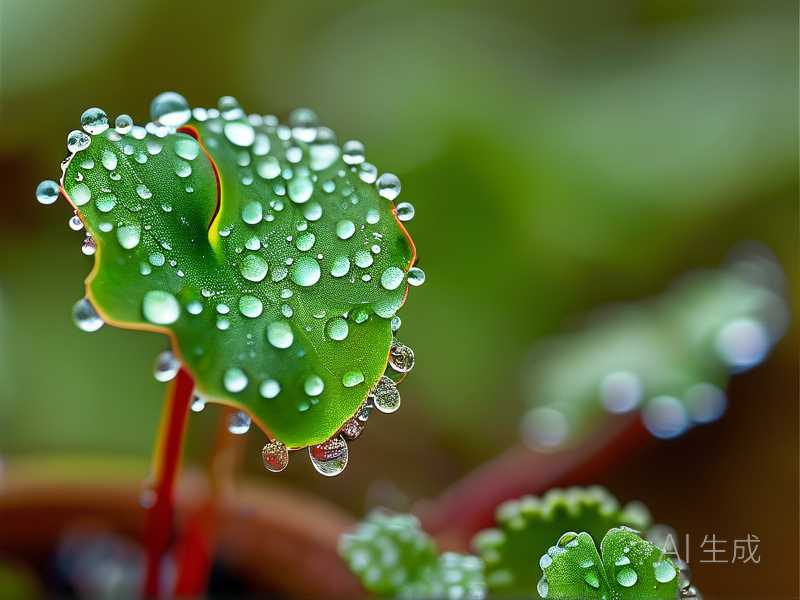
Sundews (Drosera species) are carnivorous plants. Their leaves are covered in sticky tentacles that trap small insects. That's how they feed.
This matters for pest control because their leaves aren't like regular plant leaves. They're absorbent. Anything you put on them gets taken in, for better or worse.
The Royal Horticultural Society (RHS) notes that carnivorous plants are particularly sensitive to chemicals, including some approved for organic gardening. That's worth remembering before you reach for any bottle.
Most sundews sold to home growers are tropical varieties like Drosera capensis or Drosera spatulata. They're relatively easy to keep alive. But they're not forgiving when it comes to chemical exposure.
What "Organic" Actually Means on a Label
Here's something many people don't realize. "Organic" doesn't automatically mean "safe for carnivorous plants."
Neem oil? Organic. Can still smother a sundew's tentacles.
Insecticidal soap? Organic. Can strip the mucilage right off the leaves.
Pyrethrin? Derived from chrysanthemums. Organic-approved. But it can cause leaf burn on sensitive plants.
So when I say "organic pest repellent for sundew," I mean something that's both naturally derived and safe for a plant that eats bugs for a living.
That's a short list.
What I Actually Use and Recommend
After plenty of trial and error, here's what I've landed on.
Option 1: Plain Distilled Water Flushes
This sounds too simple, but it works more often than you'd think. If you've got fungus gnats, the problem is usually the soil staying too wet. Flushing the soil with distilled water and letting the top layer dry out can break the gnat life cycle.
I tried this on a Drosera capensis that had gnats swarming its pot. Within about 10 days, the gnat population dropped noticeably. By the two-week mark, they were basically gone.
No spray. No chemicals. Just water management.
Option 2: Beneficial Nematodes
Steinernema feltiae nematodes are microscopic worms that hunt fungus gnat larvae in the soil. They're completely safe for sundews because they stay in the soil and never touch the leaves.
You mix them with water, apply to the soil, and they do the work underground. I've used these on multiple carnivorous plants with zero leaf damage.
One application lasts weeks. Two applications usually wipe out a gnat problem entirely.
Option 3: Sticky Traps (Yellow Cards)
These don't repel pests from the plant directly, but they catch the adults flying around. Break the adult population, and you break the egg-laying cycle.
Place yellow sticky traps near your sundew, not touching it. The sundew will actually catch some gnats itself. The traps just speed things up.
I keep a couple of these near my grow shelf year-round. They're cheap, they last a while, and they give you a visual read on what pests are active.
What to Avoid (And Why)
I want to be specific here because this is where most people go wrong.
Neem oil: I've seen it recommended in forums for sundews. I've also seen the photos of dead sundews afterward. Don't do it.
Insecticidal soap: Same story. It dissolves the sticky mucilage on the tentacles, and the leaves often turn black within days.
Hydrogen peroxide soil drenches: Some growers use diluted H2O2 for gnat larvae. It can work, but the margin for error is thin. Too strong, and you damage the roots. I've stopped using it.
Essential oil sprays: Peppermint, rosemary, clove – these are popular "natural" repellents. They're also phytotoxic to many delicate plants. Sundews are about as delicate as it gets.
The RHS recommends Integrated Pest Management (IPM) as a first line of defense for any plant, which means starting with cultural controls before chemicals. For sundews, that's really the only safe lane.
The Three Mistakes That Kill Most Sundews
I've made all three of these. Let me save you the trouble.
Mistake 1: Overwatering
90% of indoor plants die from overwatering. That includes sundews, even though they like wet soil.
The difference is how you water them. Sundews want to sit in a tray of water, not be drowned in a soggy pot with no drainage. If the soil stays waterlogged and stagnant, root rot sets in fast.
I killed a beautiful Drosera admirabilis this way. The soil looked fine on top, but the roots were mush when I finally checked.
Mistake 2: Wrong Lighting
Sundews need a lot of light. Full sun or a strong grow light, ideally 12–14 hours a day.
Put them in a shady corner, and they'll etiolate – stretch out, lose their color, and stop producing dew. Put them under a weak desk lamp, and the same thing happens.
I once moved a sundew to a "bright" windowsill that turned out to get maybe two hours of direct sun. Within a week, the leaves went pale and the dew disappeared. It took a month under a proper grow light to recover.
Mistake 3: Using the Wrong Pot
Terracotta pots wick moisture away from the soil. That's great for succulents. Terrible for sundews.
Use plastic or glazed ceramic pots with drainage holes. Set them in a water tray. That's the setup that works.
I've also seen people plant sundews in rich potting mix. That's another killer. Sundews need nutrient-poor soil – sphagnum peat moss and perlite, nothing more.
My Two-Week Observation: What Actually Changed
I want to give you a real timeline here, not just theory.
Day 1: I noticed fungus gnats around my Drosera capensis. Maybe 15–20 adults visible. I applied beneficial nematodes to the soil and set out two yellow sticky traps.
Day 3: Sticky traps had caught about a dozen adults. A few gnats were still flying.
Day 7: Adult gnat count dropped to maybe 3–4. The sundew itself was catching a few on its own.
Day 10: Almost no adults visible. No new larvae activity in the soil.
Day 14: Zero gnats. Sundew showed no leaf damage. Dew production was normal. No blackening or browning on the tentacles.
That's the approach I trust now. Nematodes plus sticky traps. No sprays, no oils, no soaps.
Seasonal Care That Supports Pest Prevention
A healthy sundew resists pests better. Here's how I adjust care through the year.
Spring
This is when growth kicks back in. I increase watering slightly and make sure the plant gets plenty of light. If I'm repotting, early spring is the time. I check for any pests that might have overwintered in the soil.
Summer
Heat can stress sundews, especially indoors near windows. I keep them out of harsh afternoon sun if temperatures spike. Good airflow matters – a small fan on low helps prevent fungal issues. I watch for spider mites, which thrive in hot, dry conditions.
Autumn
Growth slows down. I reduce feeding (the plant catches fewer bugs naturally) and start thinking about winter setup. I clean up any dead leaves to remove hiding spots for pests.
Winter
Tropical sundews don't need a dormancy period, but they do slow down. I keep them under grow lights, maintain the water tray, and don't fertilize at all. Indoor heating dries the air, so I check for spider mites more often.
Frequently Asked Questions
Can I use diluted dish soap on my sundew for pests?
No. Dish soap strips the protective mucilage from the tentacles and can cause serious leaf damage. Even diluted, it's risky. Stick with beneficial nematodes or sticky traps instead.
My sundew has black leaves. Is that pests or something else?
Black leaves on sundews are usually from root rot, chemical exposure, or sudden environmental changes – not pests. Check your watering routine first. If the soil smells sour or the roots look brown and mushy, it's rot. If you recently sprayed something, that's likely the cause.
Do I need to feed my sundew if it's catching gnats on its own?
No. If your sundew is catching insects naturally, it's getting what it needs. Supplemental feeding with dried bloodworms or fish food is optional and mainly useful if the plant isn't catching anything on its own. Overfeeding can cause leaf burn, so less is more.
Final Thoughts
Choosing an organic pest repellent for sundew comes down to one principle: don't put anything on the leaves that you wouldn't want absorbed into the plant.
Beneficial nematodes, sticky traps, and proper watering solve most pest problems without risking your plant. I've watched these methods work over two-week stretches, and I've watched sprays kill sundews in days.
The slower approach is the safer one. And honestly, it works just as well.