bluename
How to Stop Sundew Leaves From Breaking Off Easily
If your sundew leaves keep snapping off, the fix usually comes down to three things: water quality, light intensity, and how you handle the plant. I've killed more sundews than I'd like to admit, and every single time it traced back to one of those. The fix for how to stop sundew leaves from breaking off easily is simpler than most people think. Stop treating it like a tropical houseplant. Start treating it like a bog plant that wants bright light, pure water, and almost no minerals. Do that, and the leaves get tough instead of brittle. It took me about two weeks of consistent changes to see new leaves come in sturdier, and by week three the older weak growth had been replaced entirely.
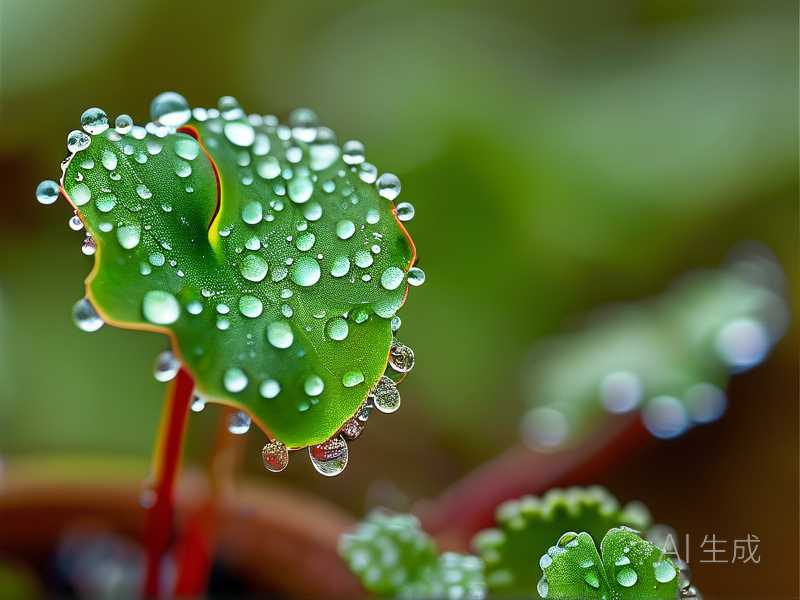
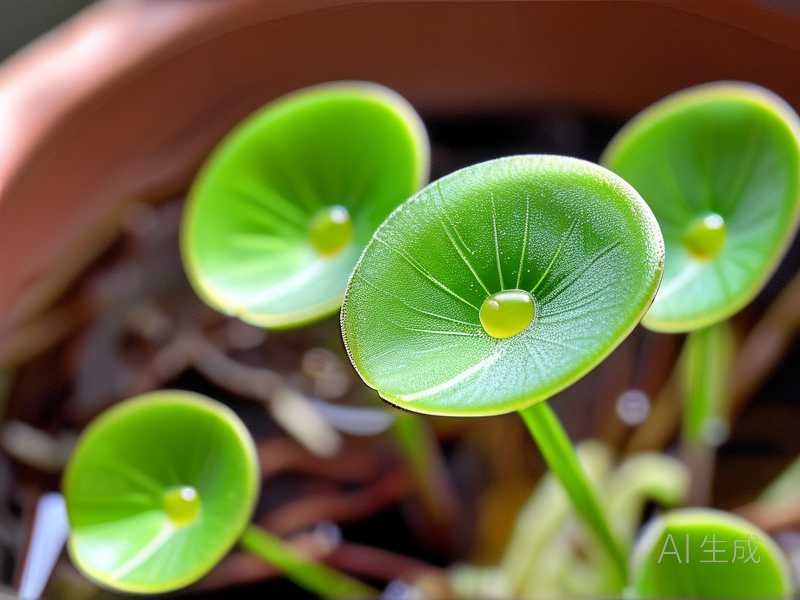
Sundews are fascinating little plants. They catch insects with sticky dew on their leaves. That dew is the whole show. It sparkles in the light and traps gnats, fruit flies, and mosquitoes. For a home grower, that's incredibly rewarding.
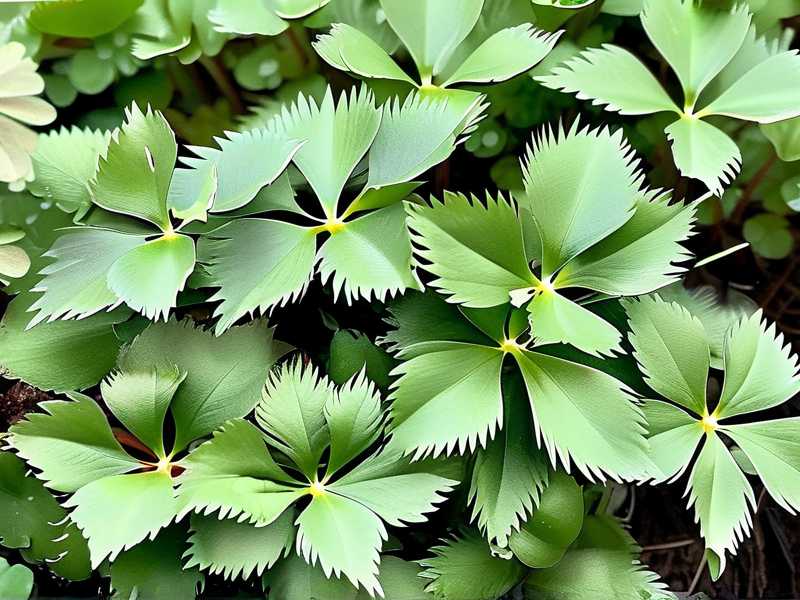
But the leaves themselves are delicate. They're not like a pothos or a snake plant. They're thin, often hairy, and full of fluid. When something goes wrong, they dry out, curl, and snap at the slightest touch.
The good news? Sundews are actually easy once you understand their needs. The bad news? Most care guides gloss over the details that matter. I learned this the hard way.
I've grown Drosera capensis, Drosera spatulata, and a few tropical sundews over the years. Drosera capensis is the most forgiving. It's the one I recommend for beginners. But even that one will drop leaves like crazy if you get the basics wrong.
Here's the thing. Many people assume sundews are fragile by nature. They're not. They're just adapted to a very specific environment. Give them that environment and they're tough as nails. Miss the mark and the leaves turn to dust.
The Light Problem Nobody Talks About
Light is the number one reason sundew leaves break off. I'm convinced of it.
Sundews need bright, direct light. Not the weak stuff from a north-facing window. Not a desk lamp. Real light.
In their native bogs, they get full sun for hours. Indoors, that means a sunny south-facing window or a strong grow light.
When sundews don't get enough light, they stretch. The stems get long and thin. The leaves get pale and weak. They can't support their own weight. Touch one and it snaps.
I had a Drosera capensis on a windowsill that only got about two hours of morning sun. Within a month, the leaves were so leggy they were flopping over. Every time I watered it, I'd knock off two or three leaves. It was heartbreaking.
Once I moved it under a grow light, everything changed. New leaves came in compact and strong. The dew production increased. The plant looked healthier in a week.
Here's what I recommend for light:
- South-facing window with 4-6 hours of direct sun
- Or a 20-40 watt LED grow light placed 6-10 inches above the plant
- 12-14 hours of light per day in summer
- 10-12 hours in winter
The RHS notes that most carnivorous plants need more light than people expect. I completely agree. If you're guessing, you're probably under-lighting.
Too much light? That's rare indoors. But if you use a powerful grow light too close, you can scorch the leaves. They'll turn brown and crispy. In that case, raise the light a few inches.
The sweet spot is when the dew is plentiful and the leaves have a deep red or green color depending on the species. Drosera capensis stays green with red tentacles. Drosera spatulata often turns deep red.
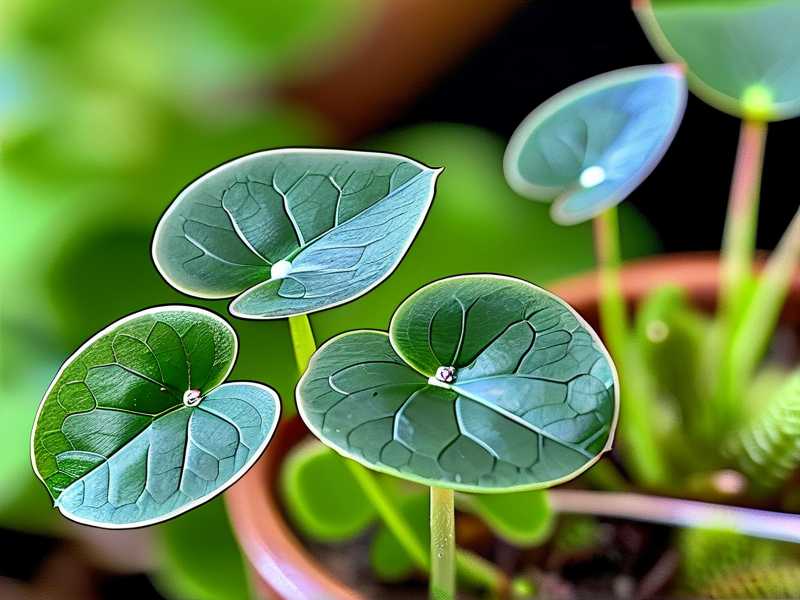
If your sundew is pale green with no dew, it needs more light. Simple as that.
Water: The Mineral Problem
Water quality is the second big issue. Most tap water contains minerals. Those minerals build up in the soil. Over time, they burn the roots and weaken the leaves.
Sundews evolved in bogs with almost no nutrients in the water. They get their nutrients from insects, not from the soil. So minerals in water are actually toxic to them.
I used tap water for the first month I owned a sundew. The leaves started turning brown at the tips. Then they'd break off at the slightest touch. I didn't connect the dots until I read about total dissolved solids in water.
Now I only use:
- Distilled water
- Rainwater
- Reverse osmosis water
That's it. Nothing else.
If you must use tap water, check the TDS. You want it under 50 ppm. Most tap water is 150-400 ppm. That's way too high for long-term health.
The AHS recommends rainwater collection for carnivorous plants. It's free and it's perfect. I keep a bucket outside just for this.
For watering method, I use the tray method. I sit the pot in a shallow tray of water. The soil wicks up moisture from the bottom. I keep about half an inch of water in the tray at all times during the growing season.
In winter, I let the tray dry out between refills. This prevents root rot during the slower growth period.
Overwatering is a common mistake. But with sundews, it's different. They actually like wet soil. The problem isn't too much water. It's too many minerals in the water.
That said, you can still drown them if the soil is heavy and compacted. That brings me to the next point.
Soil and Repotting
Sundews need soil that holds moisture but still lets air through. The standard mix is easy:
- 1 part peat moss
- 1 part perlite
- Or 1 part peat moss
- 1 part sand
That's it. No fertilizer. No compost. No miracle grow.
I made the mistake of using regular potting soil once. The plant died within two weeks. The leaves turned black and mushy. The roots rotted. It was a disaster.
Peat moss is acidic and low in nutrients. That's exactly what sundews want. Perlite or sand adds drainage. Without drainage, the soil becomes anaerobic. Roots suffocate. Leaves drop.
For pots, use plastic or glazed ceramic. Terracotta dries out too fast and leaches minerals. I learned that one the hard way too.
Repot every one to two years. Sundews don't like being disturbed. But if the soil breaks down or the plant outgrows the pot, you have to do it.
The best time to repot is early spring, just before active growth starts. Water the plant well the day before. Then gently lift it out. Shake off the old soil. Trim any dead roots. Replant in fresh mix.
Don't fertilize after repotting. The plant is stressed. Give it a week or two to settle.
Fertilizing Sundews
This is where a lot of people go wrong. Sundews don't need fertilizer. In fact, fertilizer can kill them.
They get nutrients from the insects they catch. If you're growing them indoors and they're not catching enough bugs, you can feed them manually. But you have to be careful.
I use a very diluted liquid fertilizer once a month during the growing season. I'm talking 1/4 strength. Max. And I only apply it to the leaves. Never to the soil.
If you're not sure, skip it. The plant will be fine.
What about feeding insects? If your sundew is indoors and not catching anything, you can drop a small insect on the leaves. A dead fruit fly works great. Don't overdo it. One insect per leaf per month is plenty.
Winter Care for Sundews
Winter is tricky. Some sundews go dormant. Others keep growing slowly. It depends on the species.
Drosera capensis doesn't need a true dormancy. It slows down but stays green. Drosera spatulata is similar.
Temperate species like Drosera rotundifolia need a cold dormant period. If you grow those, you'll need to provide cooler temperatures in winter.
For most indoor growers, the goal in winter is just to keep the plant alive until spring. That means:
- Less water. Keep the soil damp but not soaked.
- Less light. 10 hours is fine.
- Cooler temperatures. 60-65°F is ideal.
- No fertilizer.
I made the mistake of keeping my sundew under the same intense light and water schedule in winter. The leaves grew weak and brittle. They snapped off constantly. Once I backed off, the plant stabilized.
The Three Mistakes That Kill Sundew Leaves
Let me be blunt. These are the three things I see most often. I've done all of them.
Mistake 1: Overwatering with the wrong water
Everyone talks about overwatering. 90% of indoor plants die from overwatering. That's a fact. But with sundews, it's not about the amount. It's about the water quality.
Tap water with high minerals will kill sundew leaves faster than anything else. The minerals accumulate in the soil. The roots burn. The leaves weaken and break.
Fix: Switch to distilled, rain, or RO water. Flush the soil if you've been using tap water. Repot if the soil is crusty with minerals.
Mistake 2: Wrong light
Too little light makes leaves weak and stretchy. Too much light scorches them. Both lead to leaf loss.
Fix: Aim for 4-6 hours of direct sun or a strong grow light. Adjust based on the plant's color and dew production.
Mistake 3: Wrong pot and soil
Terracotta pots and regular potting soil are a death sentence. They dry out too fast or hold too many minerals.
Fix: Use plastic pots with a peat-perlite mix. Keep the pot in a water tray.
My Two-Week Experiment
I decided to test this properly. I took two Drosera capensis plants from the same batch. Same age. Same size.
Plant A stayed on my windowsill with tap water and no tray. Plant B went under a grow light with distilled water and a water tray.
Week 1: Plant A looked the same. Plant B showed no obvious change. But I noticed the dew on Plant B was more plentiful. Plant A's dew was sparse.
Week 2: Plant A started losing leaves. I bumped it once while watering and two leaves fell off. Plant B was producing new leaves from the center. The new leaves were sturdier. When I gently brushed them, they held firm.
By week 3, Plant A had lost about six leaves. Plant B had lost none. The difference was clear.
I repeated this with Drosera spatulata. Same results. The plant with proper water and light kept its leaves. The other one dropped them.
That's not scientific. But it's real. And it matches what I've seen over years of growing these plants.
What About Pests and Disease?
Sundews are pretty pest-resistant. The sticky dew traps most insects. But there are a few problems to watch for.
Aphids can attack new growth. If you see tiny green or black bugs on the leaves, treat with neem oil. Dilute it heavily. Sundews are sensitive.
Fungus gnats are annoying but not harmful. The sundew will catch them.
Mold can grow if the soil is too wet and there's no air circulation. Increase airflow. Remove dead leaves. Don't let water sit on the leaves for too long.
Root rot is the big one. If the soil smells sour and the leaves turn black at the base, you have root rot. Remove the plant. Trim the rotten roots. Repot in fresh soil. Reduce watering until new growth appears.
Frequently Asked Questions
Why are my sundew leaves turning brown and brittle?
Brown, brittle leaves usually mean low humidity or mineral buildup. Check your water source first. If you're using tap water, switch to distilled or rain. Also check the light. Too much intense heat can dry the leaves out. Move the plant back a few inches from the light.
How often should I water my sundew?
During the growing season, keep the soil consistently wet. Use the tray method and refill when the tray dries out. In winter, let the soil dry slightly between waterings. Never let the soil completely dry out.
Can I save a sundew that's lost most of its leaves?
Yes, if the roots are healthy. Trim the dead leaves. Check the roots. If they're white and firm, repot in fresh soil. Keep it under bright light with distilled water. New growth should appear in two to four weeks. If the roots are brown and mushy, the plant is likely too far gone.
Sundews are worth the effort. They're beautiful, unusual, and they eat pests. But they don't forgive mistakes. Get the water right. Get the light right. Use the right soil. Do that, and your sundew will reward you with strong, sticky leaves that last for months. Trust me. I've killed enough of them to know what works.