bluename
If your sundew leaves are turning orange and you know it's not the natural blush that some species get in bright light, the fix starts with three quick checks: root temperature, water purity, and light intensity. In most cases, unnaturally orange sundew leaves are a stress response caused by mineral buildup in the soil, waterlogged roots, or light that's too harsh for the plant's current condition. I've killed more sundews than I'd like to admit, and every single time the orange crept in before the decline started. So let me save you the heartbreak.
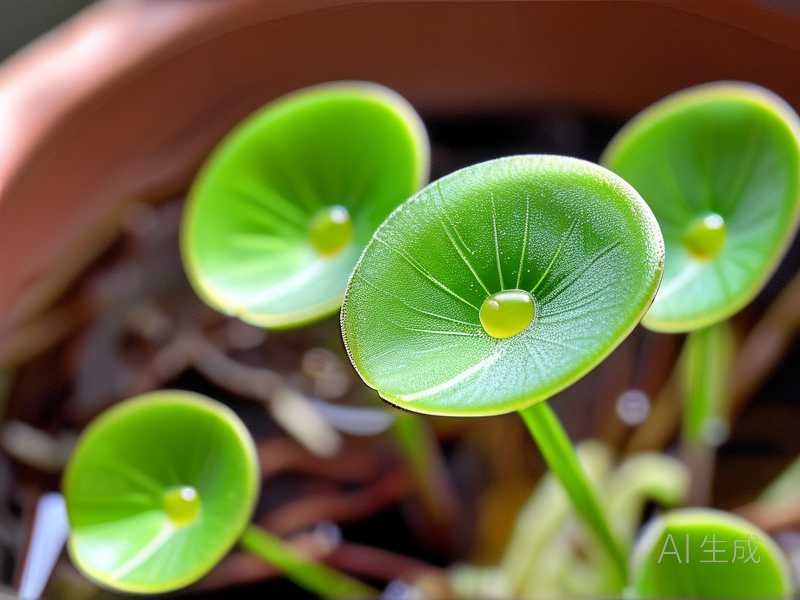
Sundews are those gorgeous little carnivores with dewy tentacles that catch fungus gnats and fruit flies. They're genuinely fun to keep. They're also surprisingly fussy about water chemistry and root airflow — and that's why so many houseplant people struggle with them.
I'm writing this as someone who has kept cape sundews, spatulate sundews, and a few tropical varieties on kitchen windowsills for years. I've made the mistakes, fixed them, and watched recovery happen. Here's the full playbook.
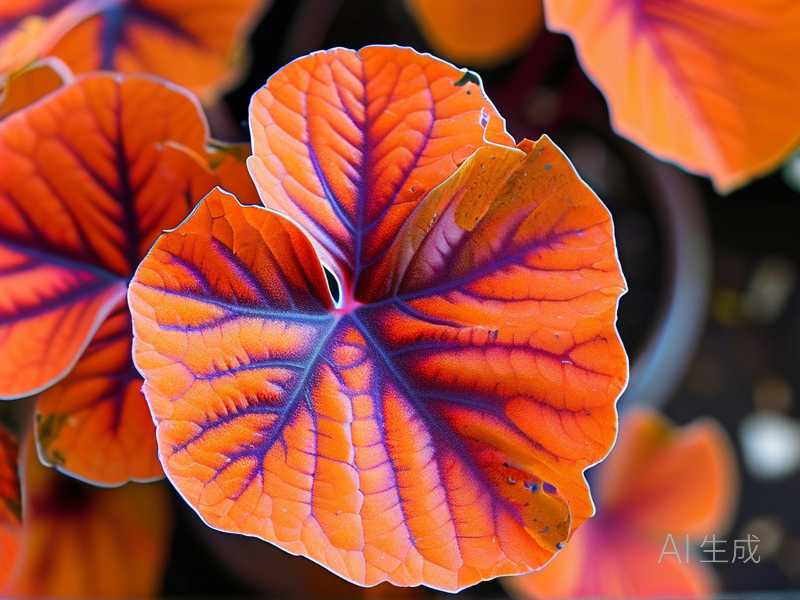
Why Sundew Leaves Turn Orange That Isn't Normal
Let's get the distinction clear first. Some sundews do develop reddish or orange tints in strong light — that's anthocyanin production and it's healthy. A cape sundew in full sun often looks bronzed.
What's not normal: leaves turning orange from the base outward, or turning orange while going limp, or orange combined with dry, crispy tentacles and stalled dew production.
That pattern points to stress, not sunburn tanning. And "90% of indoor plants die from overwatering" is a stat that gets thrown around in houseplant circles — honestly, for carnivorous plants the real killer is bad watering combined with the wrong water type, not just frequency.
According to the RHS, most carnivorous plant problems in cultivation trace back to water quality and root conditions rather than pests. That matches everything I've seen.
Check Your Water First — This Is Usually the Culprit
My first sundew turned orange because I watered it with tap water for three weeks. Three weeks. That's all it took.
Sundews evolved in bogs with almost zero minerals. Tap water contains dissolved calcium, magnesium, and chlorine. Those minerals accumulate in the soil and burn the fine roots.

When roots get damaged, the plant can't move water efficiently. Leaves stress, dew stops forming, and the color shifts orange or brownish.
What to use instead:
- Rainwater, collected and stored in a clean container
- Distilled water from the grocery store
- Reverse osmosis water
- Zero-TDS purified water
What to avoid: tap water, softened water, bottled mineral water, and honestly most "filtered" water unless it's true RO.
I bought a cheap TDS meter for about fifteen dollars. Anything under 50 ppm is workable. I aim for under 20 ppm. That meter changed my whole approach.
My two-week observation test: After switching my orange-stressed spatulate sundew to distilled water, I saw new dew formation on fresh leaves by day nine. The oldest orange leaves never recovered — that's normal. Don't expect a color reversal. Watch the new growth instead.
The Three Beginner Mistakes That Cause Orange Leaves
1. Overwatering Without Drainage
This is the classic. I see people keeping sundews in sealed terrariums with no airflow, or in decorative pots without drainage holes.
Yes, sundews like consistently moist soil. No, they don't like stagnant, smelly, anaerobic muck.
The tray method works best for me: a pot with drainage holes sitting in a shallow water tray. Let the tray dry for a day between refills. Roots get moisture, but they also get oxygen.
The overwatering trap: When soil stays saturated and compacted, roots suffocate, rot begins, and the leaves go orange from the bottom up. If your pot smells sour, you've got root rot.
2. Light in the Wrong Place
Sundews need bright light. But "bright" and "blasting" are different things.
I once put a newly shipped cape sundew directly under a grow light at full intensity. Within four days, the older leaves turned orange and crispy. It wasn't tanning — it was shock.
What I do now: Acclimate new plants over ten to fourteen days. Start at half the light intensity you eventually want. Push closer or increase hours gradually.
If your plant is already orange from light stress, move it back a bit. Give it bright but indirect light for two weeks and watch new leaves. Sunburned leaves won't green up again, but the plant will push fresh growth.
3. The Wrong Pot and Soil
Sundews want poor, acidic, nutrient-free soil. A standard potting mix will kill them. The minerals and fertilizer burn roots fast.
My go-to mix: two parts sphagnum peat moss, one part clean silica sand, one part perlite. That's it. No compost, no worm castings, no fertilizer.
For pots, glazed ceramic or plastic with drainage holes works fine. I avoid terracotta because it can leach minerals over time and dries out too fast for bog plants. A shallow pot is often better than a deep one.
The Light and Temperature Balance
Sundews like six to eight hours of bright light. A south or west windowsill works for many varieties in the US and UK. In Australia and the southern US, watch out for afternoon sun that gets too intense in summer.
Signs light is too weak: pale green leaves, little to no dew, stretched-out growth. Signs light is too harsh: orange or red-brown leaves that turn crispy, dew drying quickly, scorched edges.
Here's the part people miss. Light stress and water stress work together. A plant in strong light with mineral-rich water will go orange fast. Fix the water, and suddenly that same light level is fine.
Temperature matters too. Most sundews tolerate 65–85°F comfortably. Prolonged heat above 90°F combined with dry air can trigger orange, stressed leaves even when watering is right. I boost humidity during heatwaves by sitting the pot on a pebble tray.
How I Water Sundews Properly
The rule I follow: always keep the soil damp but never waterlogged. Water from the top until it drains, then set the pot in a shallow tray with no more than half an inch of water.
During active growth: refill the tray as it drops. In warm weather, that can mean every day.
During dormancy (some temperate species): reduce watering. Not dry — just less constant. I let the tray fully dry between refills during winter.
The smell test: if the water in the tray goes cloudy or smells off, empty it, rinse the tray, and let the pot drain for a few hours. That alone prevents a lot of root rot.
I learned this after losing a beautiful filiformis to stagnant water in a closed tray. The leaves went orange, then black. Now I never let tray water sit more than two days.
Soil, Repotting, and the Loop I Escaped From
I repot sundews every one to two years, usually in early spring. If the soil starts breaking down into a dense, muddy mass, it's overdue.
My repotting steps:
- Water the plant the day before so roots are turgid.
- Gently tease the plant out, keeping as much root as possible.
- Shake off old soil loosely — don't wash roots bare unless you're dealing with rot.
- Pop it into fresh peat-sand mix at the same depth.
- Water with distilled water and keep it out of direct sun for a week.
I tried skipping this for three years once. The peat decomposed, turned compacted, and the plant sat in a sludge layer. Orange leaves, stalled growth. Repotting into fresh mix fixed it within two weeks.
Feeding and Fertilizing — Mostly Don't
Sundews catch their own food. Feed them live or dried insects occasionally — one tiny insect per leaf every two or three weeks max. Don't overdo it.
Never fertilize the soil. I know some growers use very diluted foliar mist fertilizer, but I don't. Too risky, and mistakes show up fast as orange, damaged leaves.
If you feed with freeze-dried bloodworms, use a tiny pinch on a couple of leaves. Rehydrate the leaf first. Feeding too much causes leaf burn — and yes, that looks orange.
Seasonal Care, Hands-On
Spring
This is recovery season. I trim dead leaves, check soil freshness, and repot if needed. Light increases naturally, and I start feeding lightly. New growth is your best indicator of health. If spring leaves come in green and dewy, you've fixed the orange problem.
Summer
Heat is the challenge. I keep pots out of harsh afternoon sun and maintain humidity. Watch for mold on damp soil — airflow helps. Fungus gnats can invade, but the sundew usually handles them.
Autumn
Growth slows. I cut back feeding and start letting trays dry between refills. I also move plants toward their winter spot and clean up any decaying leaves to prevent rot.
Winter
Temperate species want a cool dormancy — think 40–50°F. Tropical species stay warm. I drop watering slightly, never let the mix stay soggy, and skip feeding entirely. Reduced light means reduced water needs. Overwatering in winter is where a lot of orange-leaf cases turn into dead plants.
Troubleshooting Orange Leaves by Pattern
Orange from the base, soil smells sour: root rot. Repot into fresh mix, trim mushy roots, switch to distilled water.
Orange on old leaves, healthy new growth: usually old-age dieback or past damage. No action needed if new leaves look fine.
Orange with crispy, dry tentacles: likely water quality or heat. Check TDS, boost humidity.
Orange patches after refilling the tray: mineral buildup. Flush the pot with distilled water and refresh the tray.
Orange spreading fast across many leaves: stop fertilizing, check for pests like thrips under a bright light, and isolate the plant.
The Questions I Get Most
How long after fixing water quality will a sundew recover? New leaves usually show improvement in ten to fourteen days. Old orange leaves stay that way. Judge recovery by new growth only.
Can orange leaves turn green again? No. Damaged leaf tissue doesn't revert. Focus on the next flush of leaves and let the old ones die off naturally.
Is it safe to trim orange leaves right away? If the leaf is fully dry, trim it. If it's still producing dew, leave it — the plant is still using it. I trim leaves when they stop producing dew entirely.