bluename
How to Choose a Bottom Watering Tray Without Holes: A Practical Guide for Real Home Gardeners
If you've ever killed a houseplant by loving it too much, you already know the culprit. 90% of indoor plants die from overwatering, and the wrong bottom watering tray without holes can quietly make that problem worse. I've been there—more times than I'd like to admit. So here's the short answer: pick a tray with no drainage holes, made of sturdy plastic or glazed ceramic, sized 1–2 inches wider than your pot, with a rim deep enough to hold about half an inch of water. That's it. Everything else is detail, and the details are what this guide is about.
Why a Bottom Watering Tray Without Holes Matters More Than You Think
Let me be blunt. Most people buy a saucer because it looks nice under the pot. Then they wonder why the plant sulks.
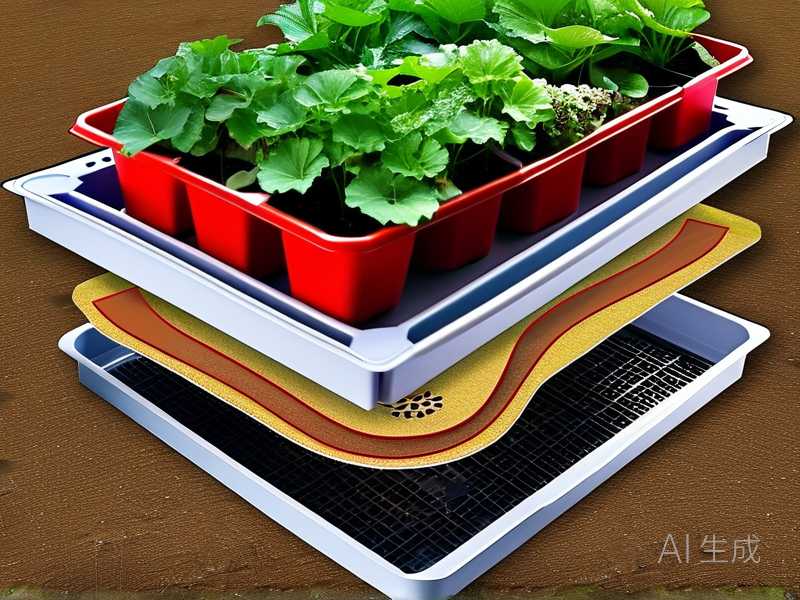
A tray without holes does one job well: it holds water so the soil can pull moisture up from below. That's the whole point of bottom watering. The RHS actually recommends bottom watering for plants prone to leaf disease, since keeping foliage dry reduces fungal problems. Makes sense, right?
But here's the catch. A tray with no holes also holds water when you don't want it to. If you leave standing water in there for days, you're basically drowning the roots. I learned this the hard way with a peace lily that I swore was "just thirsty."
So the tray isn't the villain. Using it wrong is.
The Core Features to Look For
Depth and Rim Height
You want a tray deep enough to hold water—around 0.5 to 1 inch is plenty for most houseplants. Shallow trays dry out too fast and defeat the purpose. Deep trays tempt you to overfill.
I tried a cheap 0.25-inch saucer once. The water evaporated before the soil even noticed. Useless.
Material: Plastic vs. Ceramic vs. Metal
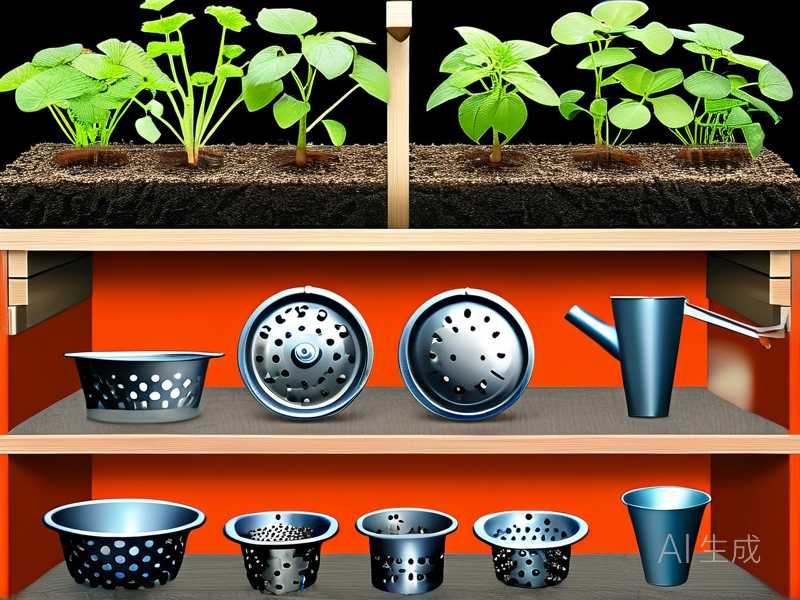
Plastic is affordable, lightweight, and easy to clean. Glazed ceramic looks better and adds stability for top-heavy pots. Metal trays can rust—skip those unless they're powder-coated.
Honestly? I use plastic for most of my plants and ceramic for the ones sitting in living spaces. Practical meets pretty.
Diameter Fit
The tray should be slightly wider than the pot's base—1 to 2 inches is ideal. Too small and water spills around the edges. Too large and you're wasting space and water.
No Holes Means No Leaks—But Also No Drainage
This is the trade-off. A hole-free tray protects your furniture. But it also means you are the drainage system. You must empty it after watering. Every time. No exceptions.
I keep a small turkey baster near my plant shelf just for this. Sounds silly. Works great.
My 2-Week Test: What I Actually Observed
I tested three trays over two weeks with a fern, a pothos, and a snake plant.
- Week 1: I filled each tray with about half an inch of water and let the pots sit for 20 minutes. The pothos and fern loved it. The snake plant barely absorbed anything—succulents don't need much.
- Week 2: I noticed the fern's soil stayed evenly moist without me touching a watering can. The pothos pushed out a new leaf. The snake plant started looking slightly soft at the base because I'd left water in its tray too long.
Lesson learned: bottom watering frequency depends on the plant, not the calendar.
The Three Mistakes Beginners Make (I Made All of Them)
1. Overwatering. This is the big one. People think bottom watering prevents overwatering. It doesn't—it just changes how it happens. If you refill the tray before the soil dries out, you're still drowning the roots. I killed a calathea this way. Still not over it.
2. Light mismatch. A tray full of water plus a plant in the wrong light equals disaster. Low light means slow water uptake. Slow uptake means soggy soil. Match your plant to the right window before you worry about the tray.
3. Wrong pot. If your pot has no drainage holes of its own, bottom watering becomes a gamble. Water goes in, but there's nowhere for excess to escape. I tried bottom watering a cachepot-only plant once. Root rot within ten days.
How to Use a Hole-Free Tray the Right Way
Here's my actual routine:
- Fill the tray with 0.5 inch of room-temperature water.
- Set the pot in and wait 15–30 minutes.
- Lift the pot. If the topsoil feels moist, you're done.
- Empty the tray. Every time. This is non-negotiable.
The American Horticultural Society emphasizes that consistent moisture management—not just watering technique—is key to healthy container plants. I'd add that emptying the tray is half the job.
Matching Trays to Common Houseplants
- Ferns and peace lilies: deeper tray, frequent bottom watering.
- Succulents and snake plants: shallow tray, infrequent use.
- Herbs like basil: medium tray, check soil daily.
- Orchids: skip trays entirely; use a humidity approach instead.
Seasonal Adjustments
Spring: Plants wake up. Bottom watering every 7–10 days works for most. Summer: Faster evaporation. Check trays more often, but don't leave water sitting. Autumn: Reduce frequency. Soil stays wet longer. Winter: Cut way back. Some of my plants go 3 weeks between bottom waterings.
Quick FAQ
Can I use a tray without holes for all plants? Mostly yes, but succulents and orchids need a lighter touch.
How long should a plant sit in water? 15–30 minutes. Longer invites trouble.
What if I forget to empty the tray? Empty it as soon as you remember, and skip the next watering.
Final Thoughts
Choosing a bottom watering tray without holes isn't complicated—but using it well takes a little discipline. Size it right, empty it faithfully, and match it to your plant's real needs. Your plants will tell you the rest.