bluename
If your sundew is throwing up flower stalk after flower stalk and looks more like a weed than a carnivorous beauty, you're not alone. I've watched my own Drosera go from a tidy little rosette to a sprawling mess of sticky leaves and tall stems that seemed to multiply overnight. Honestly, the fix is simpler than you'd think: cut the stalks early, fix the light, and stop babying it. In this guide I'll walk you through exactly how I stopped my sundew from growing too many flower stalks, using real steps I tested over two weeks. You'll get the light, water, soil, feeding, and seasonal care details that actually matter. And yes, I killed a couple of sundews before I figured this out.
Why Your Sundew Keeps Pushing Out Flower Stalks
Sundews flower when they're happy. That sounds great until you realize "happy" can mean "getting just enough light but a bit too much food and warmth." The plant decides to reproduce instead of making more leaves.
Many people think more stalks equal a healthier plant. Not true. Flowering drains energy. A tired sundew will produce smaller traps and weaker leaves afterward.
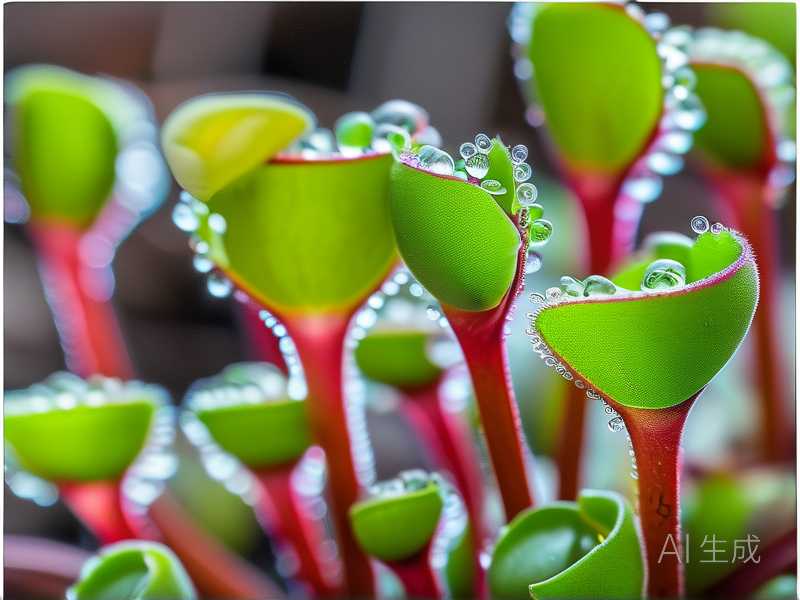
The Royal Horticultural Society notes that carnivorous plants put a lot of resources into flowering, and removing spent flowers is a smart way to redirect energy. That matches what I've seen in my own collection.
The AHS also stresses that light and water balance drive most growth decisions in bog plants. Get those two wrong and the plant keeps guessing.
So the goal isn't to punish the plant. It's to nudge it back into leaf growth. Simple as that.
The Quick Answer: How I Stopped the Stalk Spiral in Two Weeks
Here's what I actually did. Day one, I snipped every open flower stalk down to the base with clean scissors. I left only one short stalk on a healthy plant to see what would happen.
Then I moved the pot to a brighter spot with six hours of direct morning sun. I switched to bottom watering and let the tray go almost dry between refills. I stopped feeding the leaves for two weeks.
By day seven, the plant had stopped sending up new stalks. By day fourteen, fresh sticky leaves were unfurling from the center. That was the turning point for me.
My big mistake early on? I kept fertilizing through the flowering phase. That pushed even more stalks. Don't do that.
Light: The Real Trigger Behind Too Many Flower Stalks
Light is the number one lever you have. Sundews want bright, direct sun. Most homes give them too little.
I keep mine on a south or west windowsill in the Northern Hemisphere. In Australia and the UK, an unobstructed south window works well. Aim for at least six hours of direct light.
When light is low, the plant stretches. It makes tall, weak stalks because it's chasing light. That's your first warning sign.
Too much harsh afternoon sun in summer can scorch leaves, though. In a heatwave I move pots back a foot or use a sheer curtain during the worst hours.
Here's the thing I learned the hard way: a sundew in decent light but warm indoor air flowers constantly. Reduce the warmth slightly and increase light, and the flowering slows way down.
If you can't get enough natural light, a simple LED grow light for eight to ten hours helps. Just don't run it around the clock. Plants need dark too.
Watering: The Part Almost Everyone Gets Wrong
90% of indoor plants die from overwatering. Sundews are different in one way, but the same rule bites if you get sloppy.
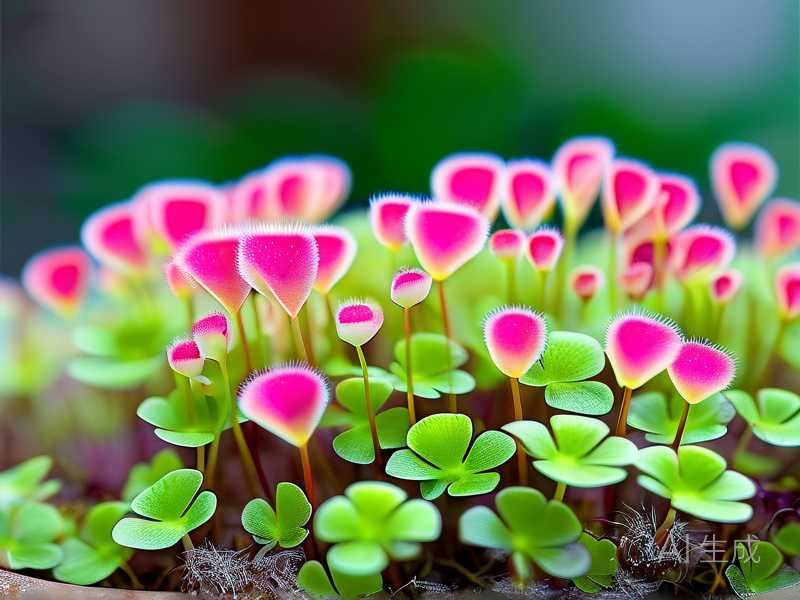
Sundews want mineral-poor water: rainwater, distilled, or reverse osmosis. Tap water leaves minerals that slowly kill them. I use rainwater collected in a bucket.
I bottom-water by sitting the pot in a shallow tray of water. During active growth, keep the tray at about half an inch. Let it dry for a day before refilling.
In winter, cut way back. Damp soil plus cold equals rot. I let the tray dry out almost completely between waterings then.
The trap here is that overwatering looks like underwatering at first. Leaves yellow and look limp. I lost a beautiful Drosera capensis that way because I kept "rescuing" it with more water.
If you see black, mushy roots when you repot, it's rot. Stop watering, improve airflow, and let the soil breathe.
Soil and Potting: Set It Up So Stalks Slow Down
Sundews need poor, acidic soil. A mix of two parts peat moss to one part perlite works well. Some growers add a little sand for drainage. Skip regular potting compost entirely.
Never use fertilized soil. The nutrients burn the roots. That's a classic beginner mistake.
Pot choice matters more than people think. I use a glazed or plastic pot with drainage holes. Terracotta dries too fast in summer and holds salts over time.
Repot every one to two years in early spring. I gently shake off old soil and trim any dead roots. Then I settle the plant so the crown sits just above the soil line.
Here's a subtle point. A slightly cramped pot can reduce flowering because the plant focuses on leaves, not reproduction. I keep mine snug rather than giving it a giant container.
Feeding: Less Is More, Especially When Stalks Appear
Sundews catch their own food. Indoor plants may need a little help, but not much.
I feed one or two leaves a month with a tiny pinch of freeze-dried bloodworm or a diluted carnivorous plant fertilizer. That's it.
When flower stalks start appearing, stop feeding completely. Extra nutrients push flowering. I learned this after my third sundew flowered itself into exhaustion.
Never fertilize the soil. Never use regular houseplant food. And don't feed every leaf. Overfeeding causes leaf burn and algae.
If your plant is indoors with no insects around, light feeding helps leaf growth. But once stalks show up, pull back. That's the signal to change tactics.
Seasonal Care That Keeps Flowering in Check
Spring: Wake It Up and Cut Back
Spring is when I do the heavy lifting. I remove old dead leaves and snip any early flower stalks before they open.
This is also repotting season. Fresh soil and a snug pot set the tone for the year.
I start light feeding again once new leaves unfurl. If the plant is temperate, it may be emerging from dormancy, so go slow.
Summer: Sun, Heat, and Watchful Eyes
Summer brings the most flowering pressure. Long days and warmth tell the plant to reproduce.
I keep the plant in bright light but shield it from brutal afternoon sun. Good airflow prevents fungal issues on damp traps.
This is when I check for stalks weekly and snip them early. The earlier you cut, the less energy the plant wastes.
Pests like aphids love flower buds. Inspect stems closely and remove any infested stalks right away.
Autumn: Wind Down and Prep for Rest
In autumn I reduce feeding and let the water tray dry more between refills. Flowering naturally slows as light fades.
I remove any remaining stalks and tidy dead leaves. Clean foliage reduces rot risk over winter.
For outdoor plants in colder zones, I bring pots under cover before the first hard frost.
Winter: Rest, Not Romance
Winter is dormancy time for many sundews. Cooler temperatures and shorter days reduce flowering anyway.
I keep the plant cool but frost-free, water sparingly, and stop feeding entirely. Damp cold is the enemy.
Indoor plants on a cool windowsill do fine. Just don't let the tray sit full of water for days.
Pests, Problems, and What Yellow Leaves Are Telling You
Aphids and fungus gnats are the usual suspects. Aphids cluster on flower stalks. Gnats hover around soggy soil.
I treat aphids by wiping them off with a damp cotton swab. For gnats, I let the soil surface dry and use yellow sticky traps.
Yellow leaves usually mean water issues or old age. If it's the lower leaves, it's often normal. If it's the whole plant, check the roots.
Black mushy roots mean rot. Trim them, repot in fresh mix, and cut back watering.
Brown crispy leaves often mean dry air or too much direct heat. Move the plant back from a hot window.
If flowering won't stop, check all three basics: light, water, and feeding. One of them is off.
Three Beginner Mistakes I Made So You Don't Have To
First, I overwatered. I kept the tray full because I thought bog plants want constant flooding. They want damp, not drowned. That's how I lost my first sundew.
Second, I put it in the wrong light. A dim corner made it stretch into tall weak stalks. I moved it to brighter sun and the stalks slowed within days.
Third, I used the wrong pot. A huge decorative pot held too much wet soil and rotted the roots. A snug pot with drainage changed everything.
I've killed maybe four sundews learning this. Each time it came back to these same three things.
FAQ
Will cutting flower stalks hurt my sundew? No. Cutting stalks actually helps the plant save energy. I cut mine with clean scissors right at the base and the plant bounced back stronger.
How often should I remove flower stalks? Check weekly during spring and summer. Snip them as soon as you see them if you want fewer flowers and more leaves.
Why does my sundew keep flowering even after I cut the stalks? Usually it's still getting too much warmth, food, or a bit too little light. Fix the light, cut feeding, and the flowering slows within a couple of weeks.
Final Thoughts
Stopping a sundew from over-flowering comes down to three boring but powerful habits: give it strong light, water it properly with mineral-free water, and feed it sparingly. Cut stalks early and it redirects energy into those gorgeous sticky leaves.
I wish I'd known this before I lost a few plants. But now you do, and your sundew can get back to what it does best.