bluename
 How to Prevent Sundew from Being Eaten by Pets: A Plant Lover’s 2-Week Safety Guide
As a passionate carnivorous plant enthusiast, I’ve faced the heart-stopping moment many pet owners dread: finding my curious cat, Whiskers, with a paw dangerously close to my prized Cape Sundew’s sticky tentacles. The panic is real. We love our vibrant, insect-trapping sundews and our furry companions equally, but their coexistence poses a genuine risk. Pets, driven by instinct or playfulness, might nibble on these fascinating plants, potentially harming both themselves and your delicate sundew. After my own scare, I dedicated myself to finding a foolproof system. This guide shares my personal, step-by-step journey over two weeks to create a safe, thriving environment for both—a process that involved trial, error, and ultimate success.
Understanding the Risks: Why This Matters
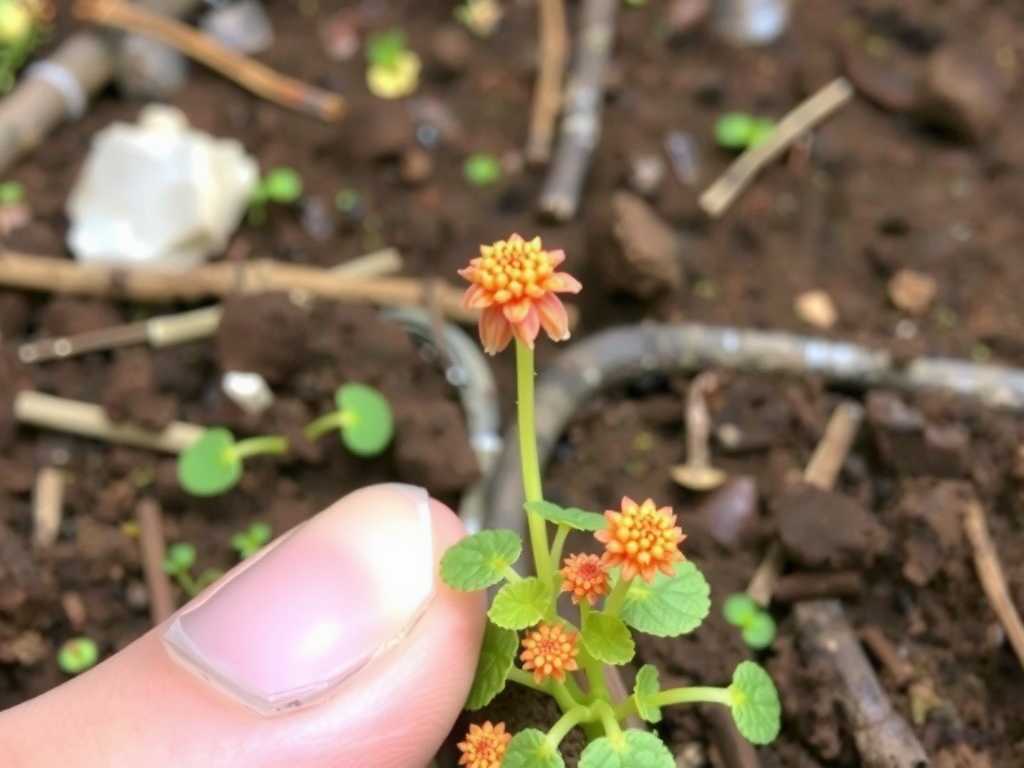
Before we dive into solutions, it’s crucial to grasp the “why.” Sundews (Drosera) are not typically listed as highly toxic like some houseplants, but they are not meant for consumption. According to resources from the ASPCA (American Society for the Prevention of Cruelty to Animals) and the Royal Horticultural Society (RHS), the primary concern is the plant’s digestive enzymes and mucilage. Ingesting this sticky substance can cause gastrointestinal upset in pets—think drooling, vomiting, or diarrhea. More importantly, the physical glue-like dew can irritate the mouth, tongue, and paws. For the plant, a pet’s attention can mean broken leaves, stolen traps, and severe stress, stunting its growth. My mission became clear: implement a multi-layered prevention strategy.
My 2-Week Implementation Plan: A Diary of Trial and Error
I decided to test a combination of physical barriers, strategic placement, and behavioral training over a 14-day period, meticulously observing both Whiskers and my sundew collection.
Week 1: Setting Up the First Line of Defense
My initial focus was on immediate physical separation and environmental adjustment.
- Day 1-2: The Great Plant Migration. I audited all my sundew locations. Any plant on a low table, windowsill, or the floor was immediately relocated. I chose a dedicated, tall plant shelf in my bright home office—a room where Whiskers spends little time. The shelf is over 5 feet tall, making casual investigation difficult. I also cleared the surrounding area to prevent “launching pads” like nearby chairs.
- Day 3-4: Introducing the Barrier Method. For my most accessible sundew, a young Drosera capensis on a slightly lower shelf, I installed a simple yet effective cloche (a glass bell jar). This served two purposes: it protected the plant and created a visible, physical boundary. I also tested a small, decorative wire mesh cage around another pot. Whiskers’ reaction was immediate curiosity, but the barriers prevented direct contact.
- Day 5-7: The First Challenge and a Natural Deterrent. Here was my first mistake. I used a commercially available bitter apple spray on the outside of the plant pots, assuming the smell would deter Whiskers. However, I failed to check the spray’s ingredients thoroughly. A few days later, I noticed a slight dulling on the leaves of one plant. I immediately stopped and realized some sprays can clog a sundew’s sensitive glands. I washed the pot exterior thoroughly. As a safer alternative, I placed citrus peels (oranges and lemons) on the soil surface of a few pots—a trick often cited by horticultural experts. Cats generally dislike citrus scents. This worked well as a pot-level deterrent without affecting the plant’s health.
Week 2: Refinement, Training, and Observation
The second week was about reinforcing good habits and fine-tuning the setup.
- Day 8-10: Positive Reinforcement Training. Whenever Whiskers ignored the plant zone, I rewarded her with a treat and praise. If she showed interest in the shelf, I used a firm “no” and redirected her attention to a cat grass planter I had set up specifically for her in another room. This provided a safe, acceptable alternative for her grazing instinct. Consistency was key.
- Day 11-12: Optimizing the Environment. I noticed the room’s humidity was dropping due to the air conditioner, which wasn’t ideal for the sundews under their cloches. I added a small humidifier near the shelf to create a localized humid microclimate, ensuring my barriers weren’t compromising plant health. I also installed a small, gentle fan for air circulation to prevent mold—a common pitfall when using enclosures.
- Day 13-14: Final Assessment and Integration. By the end of the two weeks, a new routine was established. Whiskers had largely lost interest in the “off-limits” shelf, preferring her cat grass. My sundews, freed from potential predation, showed remarkable improvement. The D. capensis, previously stunted from a prior brush with a paw, was producing new, vibrant leaves with plentiful dew. The system was working.
Key Strategies for Long-Term Success
Based on my experience, here are the most effective tactics to keep your pets away from sundews and ensure sundew safety in pet households.
1. Strategic Placement is Your Best Friend Elevation is the simplest solution. High shelves, hanging planters, or wall-mounted terrariums are ideal. Ensure the location receives the ample light sundews require (4-6 hours of direct or very bright indirect light). Consider rooms that can be closed off, like a sunroom or study, as a primary safe zone for carnivorous plants and pets.
2. Physical Barriers: Simple and Effective For open spaces, barriers are non-negotiable. Cloches, mini greenhouses, or terrariums with ventilation are excellent. They protect the plant, maintain humidity, and are clear “do not touch” signals. For larger collections, a dedicated plant cabinet with glass or mesh doors is a fantastic investment, creating a stunning display that is completely secure.
3. Provide Attractive Alternatives Pets often chew plants out of boredom or a need for fiber. As recommended by pet behaviorists, offering a dedicated patch of pet-safe grass (wheatgrass, oat grass) can satisfy this urge and divert attention from your sundews. Engaging toys and regular playtime also reduce curiosity-driven plant investigations.
4. Use Pet-Safe Deterrents Cautiously While I caution against sprays near the plant itself, you can use pet-safe deterrents on the surroundings. Double-sided tape on the edges of shelves (cats hate the sticky feel) or aluminum foil can work. The citrus peel method is a natural option, but monitor your sundew to ensure no mold develops on the soil.
Addressing Your Top Concerns
Is sundew plant poisonous to cats or dogs? While not classified as severely poisonous, sundews are considered unsuitable for ingestion. The sticky dew contains enzymes that can cause oral and gastrointestinal irritation, leading to symptoms like vomiting, drooling, or loss of appetite. If you suspect your pet has eaten part of a sundew, contact your veterinarian or the ASPCA Animal Poison Control Center immediately.
What are the signs my pet has interacted with my sundew? Look for sticky residue on fur, paws, or around the mouth. Behavioral signs include excessive pawing at the face, drooling, gagging, or repeated swallowing. The plant itself will show damage—broken leaves, missing tentacles, or disturbed soil.
Can I train my pet to leave my sundews alone? Absolutely. Consistency is crucial. Use positive reinforcement to reward ignoring the plants. Employ a firm, clear command like “leave it” when they approach, and always redirect them to an appropriate toy or their own cat grass. Over time, they learn the plants are not part of their domain.
Creating a harmonious home for both predatory plants and curious pets is entirely achievable. It requires a proactive, layered approach combining smart placement, physical barriers, and behavioral understanding. My two-week experiment transformed a source of constant worry into a stable, peaceful setup. My sundews are dewier and healthier than ever, and Whiskers is content with her own designated greens. By prioritizing prevention and understanding the needs of all your living companions, you can enjoy the unique beauty of sundews without compromising your pet’s safety or your peace of mind.