bluename
 How to Care for Sundew in a Cold Climate with Snow: A Northern Grower’s Survival Guide
I love carnivorous plants, and the sundew, with its glistening, dewy tentacles, has always been my favorite. But for years, I hesitated to grow them. I live where winters are long, harsh, and buried under feet of snow. The common advice was clear: most sundews are tender and need warm, humid conditions year-round. Bringing them indoors under grow lights felt like a compromise, never quite replicating the vibrant health I saw in pictures from subtropical growers. My core dilemma was this: How could I help these fascinating, insect-eating plants not just survive, but truly thrive, through a freezing, snowy winter? This wasn't just about keeping them alive in a pot on a windowsill; it was about understanding and replicating their natural cold-weather rhythms. After extensive research and a season of careful experimentation, I successfully guided several sundew varieties through a deep dormancy. Here is my complete, step-by-step account, including the mistakes I made and the solutions I found over a crucial two-week observation period that made all the difference.
Understanding the "Why": Dormancy is Non-Negotiable for Many Sundews
Before we dive into the "how," it's essential to grasp the "why." Many popular sundew species, like Drosera filiformis, D. intermedia, and D. rotundifolia, are native to temperate regions with cold winters. For these plants, a period of dormancy is not a stress to be avoided but a vital, required part of their life cycle. According to the International Carnivorous Plant Society (ICPS), attempting to grow these temperate species under constant warm conditions will eventually weaken and kill them. They need this rest period to conserve energy, reset their growth cycle, and produce healthier, more robust pitchers (or leaves, in the sundew's case) come spring. My goal was to provide this dormancy authentically, using the cold climate I had, rather than fighting against it.
My Step-by-Step Process for Overwintering Sundews in Snow Country
Preparing Your Sundews for the Cold Snap
The journey begins long before the first frost. In late summer to early autumn, I stop feeding my plants and begin reducing water slightly, allowing the soil to approach damp rather than soggy. This signals to the plant that the growing season is winding down. I also cease dividing or repotting to avoid stimulating new, tender growth that would be vulnerable to cold. For the hardy temperate species I focus on, I move their pots to a protected outdoor location—an unheated cold frame, a sheltered porch, or against the south-facing wall of my house. This allows them to experience the gradually cooling temperatures naturally.
The Transition to Dormancy: A Critical Two-Week Observation
This was the most nerve-wracking and educational phase for me. In mid-autumn, just as nighttime temperatures began consistently hovering near freezing (0°C or 32°F), I initiated the final transition. I trimmed away any dead or dying leaves to prevent mold. Then, I heavily mulched the pots. I used a mix of pine needles and sphagnum moss, piling it up to and over the crown of the plant. This layer acts as a vital insulating blanket.
For the next two weeks, I became a dedicated observer. My initial setup was a failure. I had placed some pots in a spot that received morning sun, which would thaw the plants too quickly on cold days. I noticed the Drosera filiformis starting to look mushy at the base—a sign of freeze-thaw damage. This was my first major "pitfall."
- The Problem: Inconsistent temperatures causing repeated freezing and thawing.
- The Solution: I immediately moved all pots to a location that remained consistently cold and shaded for the winter—the north side of my garden shed. This spot would stay frozen once winter truly set in, providing stable dormancy. Within that two-week window, the plants that had been moved stabilized. They stopped showing active growth and their remaining leaves took on a tighter, more compact form. Success! They had entered dormancy.
Deep Winter Management: Embracing the Snow
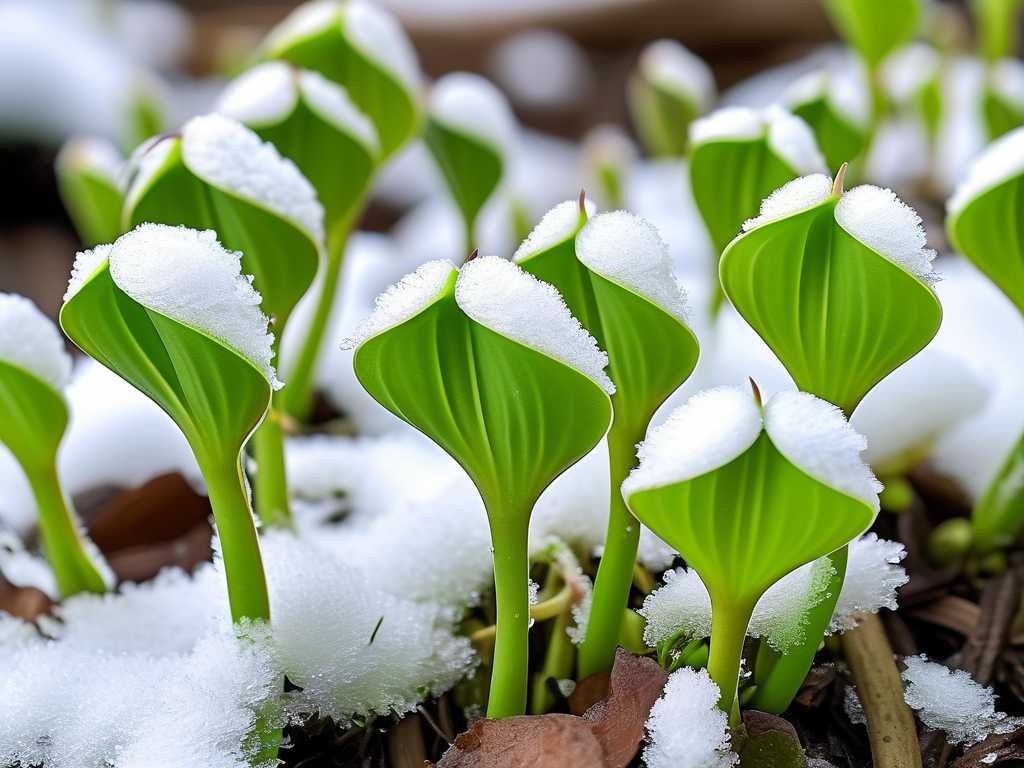
Once the plant is fully dormant and temperatures are permanently below freezing, your job shifts from active care to monitoring. Here, snow is your unexpected ally. A thick blanket of snow is one of nature's best insulators. It protects the dormant plant beneath from biting wind and extreme temperature dips. I learned to appreciate heavy snowfalls, knowing they were creating a perfect microclimate for my sundews. I did not water them during this time, as the pots were frozen solid.
For growers in cold climates without reliable snow cover, the alternative is to use a thick layer of mulch or even move the potted, dormant plant into an unheated garage or shed where it will stay cold but not exposed to the worst of the elements. The key is to keep them cold (between -7°C to 4°C or 20°F to 40°F is ideal) and dormant, not warm and growing.
The Spring Thaw and Wake-Up Call
As daylight increases and temperatures slowly rise above freezing in early spring, the process reverses. I carefully remove the heavy winter mulch to prevent rot as new growth begins. This is a time for patience. The plants will look terrible—often like a small, blackish hibernaculum (a tight bud of dormant leaves). Do not assume they are dead. I resume watering with distilled or rainwater very gently, keeping the soil moist but not waterlogged. It can take several weeks for the first new, tiny, red leaves to emerge. This slow, natural reawakening is a sign of a healthy dormancy cycle completed.
Key Considerations for Different Sundew Types
It's crucial to know your sundew species. My guide focuses on temperate sundew species for cold climates. If you have tropical sundews (like D. capensis or D. aliciae), they must be brought indoors before temperatures drop below 10°C (50°F) and grown under bright lights all winter. Attempting to cold-treat them will be fatal. Always research your specific plant's native habitat.
Expert Insights for Added Confidence
To bolster my approach, I align it with expert guidance. The Carnivorous Plant Society of the United Kingdom (CPS) explicitly recommends a cold dormancy period for temperate Drosera, noting it promotes stronger flowering in the season. Furthermore, the concept of using a plant's natural hardiness is supported by horticultural best practices. The Royal Horticultural Society (RHS) advises that many hardy perennials benefit from a period of cold to break dormancy and ensure synchronized spring growth. Applying this principle to hardy carnivorous plants is a logical extension of proven horticultural science.
I tried to let my sundew go dormant on a sunny porch. What went wrong? As I experienced, a sunny location in winter can cause deadly freeze-thaw cycles. The plant thaws during a sunny day and refreezes at night, rupturing its cells. Move it to a consistently cold, shaded spot for stable dormancy.
My dormant sundew looks completely black and dead. How can I be sure it's alive? Resist the urge to discard it! The hibernaculum (dormant bud) is often dark and small. Wait until well into spring. Gently scrape a tiny bit of the media near the crown; if you see any white or greenish tissue, it's alive. Patience is the most important tool here.
Can I just keep my temperate sundew under grow lights indoors all year to avoid the cold? You can for a season or two, but it will gradually decline. Without the required dormancy, the plant exhausts itself, leading to stunted growth, lack of flowers, and eventual death. Providing a cold rest period is essential for its long-term health, much like it is for a tree that loses its leaves.