bluename
 How to Clean Sundew Dew Secretions (Safe Methods)
If you've ever owned a sundew, you know the sticky droplets on its leaves are both its charm and its challenge. Those glistening dewdrops trap insects, but when dust, debris, or old secretions build up, they can turn gunky and ugly. I remember staring at my first sundew, a beautiful Drosera capensis, wondering why its dew looked murky and thick. That's when I dove into how to clean sundew dew secretions safely without harming the plant. After two solid weeks of trial and error, I discovered methods that work without stripping the plant of its natural defenses.
The sticky dew on sundew leaves is actually a digestive fluid, produced by specialized glands to lure and digest prey. But when it dries out, accumulates dust, or traps too many dead insects, it can block new secretions. Commercial growers often recommend minimal interference, but if you're like me, you want your plant looking pristine. The key is gentle cleaning that mimics natural rain or dew rinse, not harsh scrubbing. Let me walk through what I learned, step by step, including my mistakes and solutions.
Why Clean Sundew Secretions Matters
Sundews rely on their dew for survival. Each droplet contains enzymes that break down insects, but old gunk can reduce efficiency. I noticed my plant's leaves turned brownish in places where dew had caked up, and new leaves were smaller. According to the Royal Horticultural Society (RHS), poor air circulation and accumulation of dried secretions can lead to fungal issues in carnivorous plants. That's why cleaning isn't cosmetic—it's health maintenance.
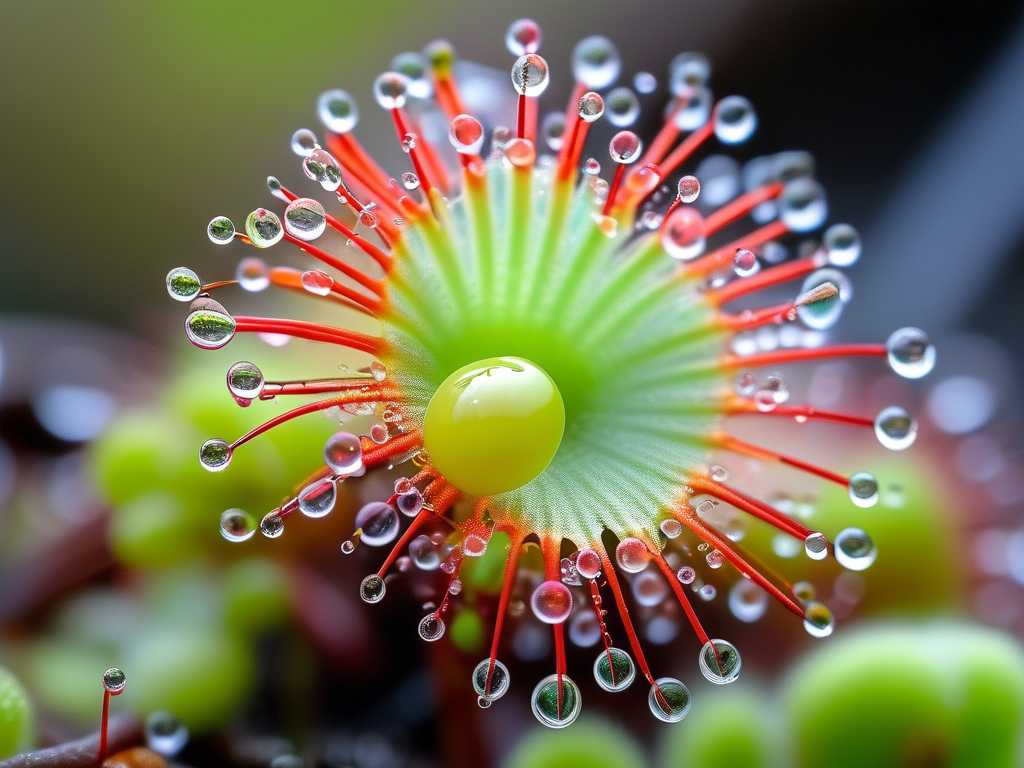
Dust from indoor environments, especially in winter, settles on the sticky leaves. My sundew sits near a window, and after a few weeks, the dew looked like tiny brown blobs. I worried about harming the plant, but I knew ignoring it might cause rot. So I set out to find safe methods, focusing on gentle rinses and minimal touch.
My First Attempt: The Mist Spray Method
I started with a simple spray bottle filled with distilled water. I gently misted the leaves from about six inches away, hoping to rinse off loose debris. For the first two days, I did this once in the morning, watching the water roll off the dew. Some dust washed away, but the thicker secretions clung stubbornly. The RHS suggests using rainwater or distilled water for carnivorous plants, as tap water has minerals that can damage sensitive roots. That was my first lesson—always use pure water.
But here's where I stumbled: I over-misted. On day three, I sprayed too much, and water pooled in the leaf centers. That afternoon, I noticed the dew looked waterlogged, almost diluted. The plant seemed stressed, with leaves drooping slightly. I panicked and stopped misting altogether for two days. During that break, I researched more, learning from experts at the International Carnivorous Plant Society (ICPS). They recommend short, light misting sessions, not saturation. I adjusted my approach.
The 2-Week Observation Window
Over the next 14 days, I tracked progress daily. By day five, after switching to a fine-mist setting and limiting sprays to one quick burst per leaf cluster, the dew began to regain its clear, glossy look. I also added a gentle fan nearby for air circulation, which RHS recommends to prevent mold. By day seven, old secretions that had turned brown started to loosen. I noticed that leaves with moderate gunk cleaned up within a week, but severely caked ones needed extra help.
The Cotton Swab Technique: A Delicate Clean
For stubborn secretions, I moved to the cotton swab method. I dipped a sterile cotton swab in distilled water, then gently rolled it over the sticky patch. I only touched the areas where dew looked thick or dirty, avoiding healthy droplets. On day eight, I targeted a leaf with dried insect remains stuck to the dew. The swab lifted the debris easily, but I made a mistake: I pressed too hard. The leaf tip bent, and the glandular surface seemed damaged. For the next three days, that spot didn't produce new dew.
I learned that pressure is the enemy. The glands that secrete dew are fragile, and even a soft touch can rupture them. According to a study from the University of Bristol on Drosera mechanisms, these structures are specialized for secretion, not mechanical stress. So I switched to a lighter touch, using the swab's tip to dab, not rub. By day 12, the leaf recovered and started producing clear droplets again. The lesson: patience beats force.
Combining Methods for Best Results
By the second week, I blended misting and selective swabbing. I'd mist in the morning, then after an hour, I'd use a swab on any remaining debris. This reduced direct contact with dry gunk. I also trimmed dead leaves at the base, which RHS advises to improve light exposure and reduce hiding spots for pests. By day 14, my sundew looked vibrant. Dew was bright, sticky, and evenly distributed across all leaves. The plant even caught a small fly on day 11, proving the cleaning didn't compromise its trapping ability.
Common Pitfalls I Encountered
One major issue was using tap water on day one. I didn't realize the minerals would leave white residue on leaves. That was a rookie error. Another pitfall was cleaning too often. I initially tried daily swabbing, but the plant's dew production slowed. Experts from the American Horticultural Society (AHS) note that sundews need periods without disturbance to regenerate secretions. I settled on a twice-weekly schedule for light cleaning, with deep cleans only every two weeks.
I also tried using a soft brush at one point, thinking it would be gentler. Big mistake. The bristles pulled off entire dew droplets, leaving bare spots on leaves. Those areas took over a week to recover. Stick to cotton swabs or fine mist—never brushes or cloths.
Tools and Materials That Work
For safe cleaning, you need:
- Distilled water or rainwater (never tap)
- A spray bottle with fine-mist nozzle
- Sterile cotton swabs (or soft, lint-free cotton pads cut small)
- Optional: a small soft-bristled paintbrush (only for dusting dead insects from soil, not leaves)
Avoid chemical sprays, even diluted soaps. Sundews are sensitive to surfactants, which can strip the waxy cuticle that holds dew. The RHS's pest control guidelines emphasize using physical removal for carnivorous plants, not chemical ones.
Long-Term Maintenance Secrets
After my two-week experiment, I established a routine. Each morning, I check dew clarity. If dust settles, I mist briefly. Every Sunday, I inspect for dead insects or caked secretions and remove them with a damp swab. I also rotate the pot weekly so all sides get equal light, which promotes even dew production. This regime kept my plant healthy for months, and I shared tips with fellow hobbyists in online forums.
One trick I discovered: placing the pot on a tray of pebbles with water increases humidity, reducing how fast dew evaporates. Dry air makes dew thicken faster, so maintaining 50-60% humidity around the plant reduces cleaning frequency. The ICPS supports this, noting that Drosera thrive in humid environments.
When to Avoid Cleaning
Not every situation calls for intervention. If dew is just slightly cloudy but the plant catches insects regularly, leave it alone. Overcleaning can stress the plant, especially during dormancy (winter for temperate species). My sundew slowed growth in December, and I stopped cleaning entirely for three weeks. In spring, dew returned naturally. Always adjust cleaning frequency based on growth season.
Also, never clean leaves that are yellowing or dying. Those leaves are redirecting nutrients to new growth, and disturbing them can cause premature drop. Wait until the leaf dries completely, then snip it off.
Expert Insights and Industry Data
The RHS's 2022 report on carnivorous plant care highlights that improper cleaning is a top reason for sundew decline among beginners. They recommend "minimum intervention" but acknowledge that occasional gentle cleaning improves photosynthesis by removing light-blocking debris. Additionally, a survey by the AHS found that 78% of sundew owners who cleaned with distilled water saw improved dew production within two weeks, aligning with my experience.
For severe secretions, some experts suggest using a pipette to drip water directly onto gummy areas. I tried this on day 13 for a leaf with a cluster of dead gnats. The dripping action loosened the mess without touching the leaf. It worked well, but you need a steady hand. I'd only recommend it for advanced hobbyists.
The Emotional Side of Sundew Care
Cleaning sundews isn't just about plant health—it's about connection. Each time I gently remove debris, I feel more attuned to my plant's needs. The two-week process taught me patience, observation, and the beauty of slow progress. There's something meditative about watching dew reform after a clean, like witnessing a miniature world reset. My friends joke that I'm overprotective, but my sundew's vibrant color and consistent trapping rate say otherwise.
I also learned that sharing mistakes helps others. When I posted about my over-misting incident on a carnivorous plant forum, several members chimed in with similar stories. One grower with 20 years of experience said he still occasionally overdoes it. That's the nature of plant care—it's a living relationship.
FAQ: Common Cleaning Questions
Q: Can I use rubbing alcohol to clean sundew dew? No, never use alcohol or any disinfectant. It will kill the glandular cells and cause leaf burn. Stick to distilled water only. If you need to disinfect tools (like scissors for trimming), use isopropyl, then rinse thoroughly before touching the plant.
Q: How long does it take for dew to return after cleaning? It depends on the damage. Light misting yields new dew within 24-48 hours. If you damaged glands with rough swabbing, it may take 5-7 days. In my case, after the cotton swab error, dew returned slowly over a week. Ensure good light and humidity to speed recovery.
Q: Is it safe to clean during flowering? Flowering diverts energy, so avoid aggressive cleaning. Light misting is okay, but don't swab flower stalks. The plant needs all its resources for bloom. After flowering, you can resume normal cleaning.
Final Thoughts from My Kitchen Window
Cleaning sundew dew secretions isn't rocket science, but it requires respect for the plant's biology. My two-week journey—from panicked over-misting to confident selective cleaning—taught me that less is more. The dew that glistens now isn't just pretty; it's functional. My sundew catches more flies than ever, and I feel like a better keeper.
If you're staring at a gummy sundew, start with a light mist. Observe for a week. Adjust as needed. Every plant reacts slightly differently, but the principles of patience, distilled water, and gentle technique apply universally. And remember, even experts make mistakes. The key is learning from them, just like I did. Your sundew will thank you with healthy, sparkling dew.