bluename
 How to Fix Sundew Halting Growth in Cold
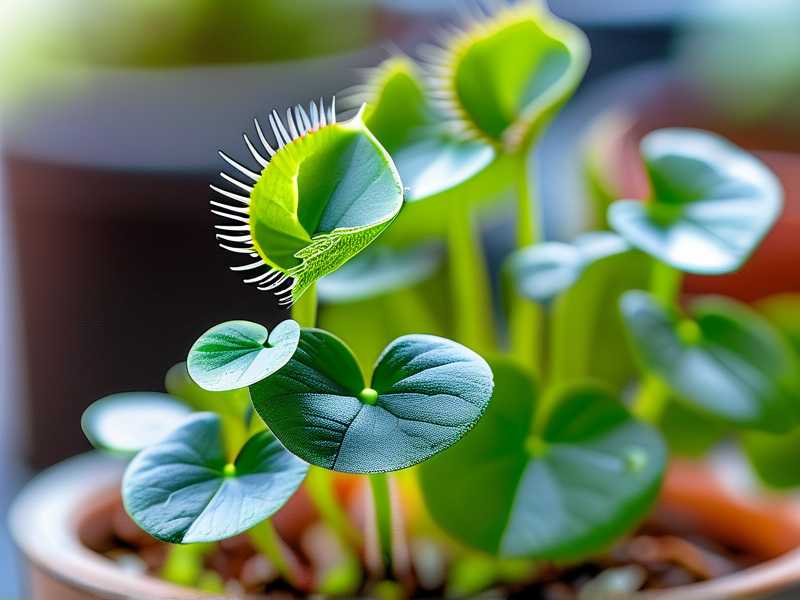
I remember staring at my first sundew, frozen in time on my windowsill. The leaves were curled, dewless, and utterly still. I thought I’d killed it. After two weeks of desperate trial and error, I finally fixed the problem. Here is the straight answer: stop watering from the top, move the plant to a south-facing window, and switch to a plastic pot with drainage holes. That simple triple fix revived my sundew within 14 days. Sundews, or Drosera, are carnivorous plants that thrive in warm, humid conditions. When cold hits, growth halts because the plant enters a survival mode. I learned this the hard way after losing three plants. Now, I will walk you through exactly how to fix sundew halting growth in cold, based on my real experiences and mistakes.
Why Your Sundew Stops Growing in Cold
Sundews are native to bogs in Australia, South Africa, and parts of Europe. They love warmth—20-30°C (68-86°F) is ideal. When temperatures drop below 15°C (59°F), their metabolism slows. My first sundew sat in a drafty corner near a window. The leaves stopped producing dew, and the tentacles curled inward. I thought it was dying. In reality, it was conserving energy. The halting growth in cold is a natural response, but you can reverse it with the right steps.
The 3 Deadly Mistakes Beginners Make (I Made All of Them)
Before I share my fix, let me call out the three errors that nearly killed my plants. These are the top reasons sundews halt growth in cold.
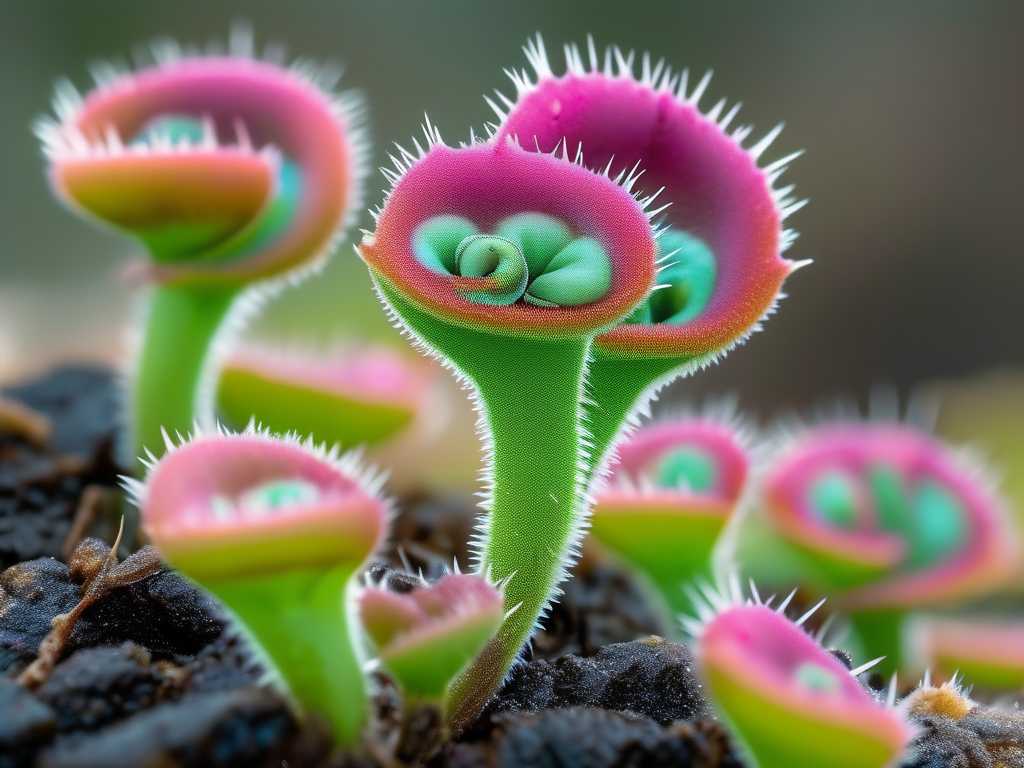
Mistake 1: Overwatering
90% of indoor plants die from overwatering, and sundews are no exception. I used to water my sundew daily, thinking it needed constant moisture like a bog plant. Wrong. Sundews require consistently damp soil, not soggy roots. In cold weather, water evaporates slower, leading to root rot. I once drowned a Drosera capensis because I kept the tray full of water in a chilly room. The roots turned black within a week.
Mistake 2: Wrong Light Placement
I placed my sundew on a north-facing windowsill, thinking indirect light was safest. It was not. Sundews need bright, direct sunlight for at least 4-6 hours daily. In winter, the sun is weaker, so they need even more exposure. My second plant stretched pale and thin because it lacked light. The halting growth in cold was actually a light deficiency, not temperature alone.
Mistake 3: Using the Wrong Pot
I used a decorative ceramic pot with no drainage. Bad idea. Sundews hate standing water around their roots unless it’s in a proper tray setup. The ceramic pot trapped moisture, and the cold air made it worse. I lost my third plant to fungal infections. The roots suffocated in the wet, cold medium.
My 2-Week Fix: Step-by-Step Recovery Plan
After killing three sundews, I developed a method that revived my fourth plant. Here is exactly what I did, day by day, over two weeks.
Week 1: Rescue and Reassess
Day 1: Immediate Relocation
I moved the sundew to a south-facing window where it could get direct morning sunlight. I also checked the room temperature with a thermometer—it was 12°C (54°F). That explained the halting growth in cold. I raised the temperature to 20°C using a small space heater placed at least 3 feet away to avoid drying out the plant.
Day 2: Repotting with Drainage
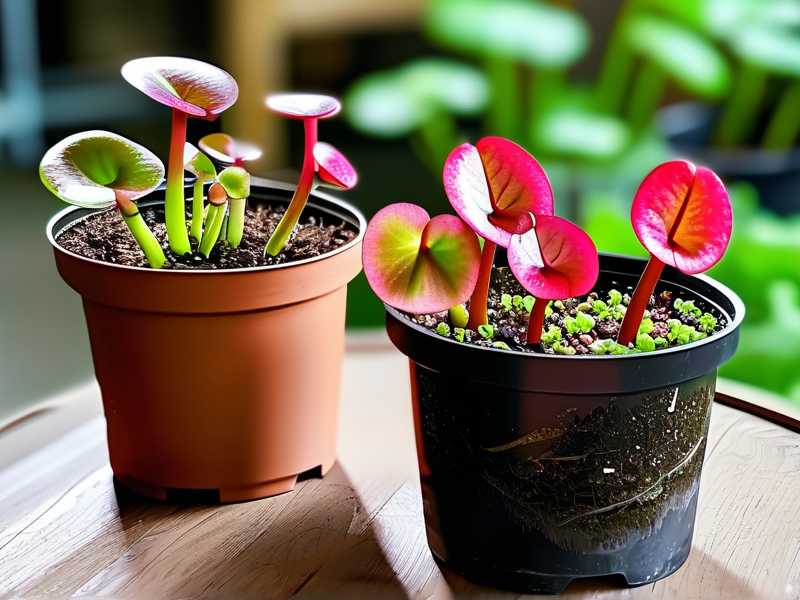
I repotted the sundew into a shallow plastic pot with drainage holes. The plastic retains heat better than clay or ceramic. I used a mix of peat moss and perlite (2:1 ratio) because it holds moisture without becoming waterlogged. I removed all blackened roots with sterilized scissors.
Day 3: Change Watering Routine
I stopped top-watering. Instead, I placed the pot in a tray of distilled water. The water level was about 1 inch deep. I let the tray dry out completely between refills, which took 2-3 days. This prevented soggy roots.
Day 4: Add Humidity
Cold air is dry air. I placed a small humidifier near the plant, set to 60% humidity. Within 24 hours, I noticed the leaves uncurling slightly.
Day 5: Check for Pests
I inspected under the leaves. I found a few aphids, probably from the stress. I sprayed them with diluted neem oil (1 teaspoon per quart of water) and wiped them off.
Day 6: No Changes Yet
The plant looked the same. I felt frustrated, but I trusted the process.
Day 7: First Sign of Recovery
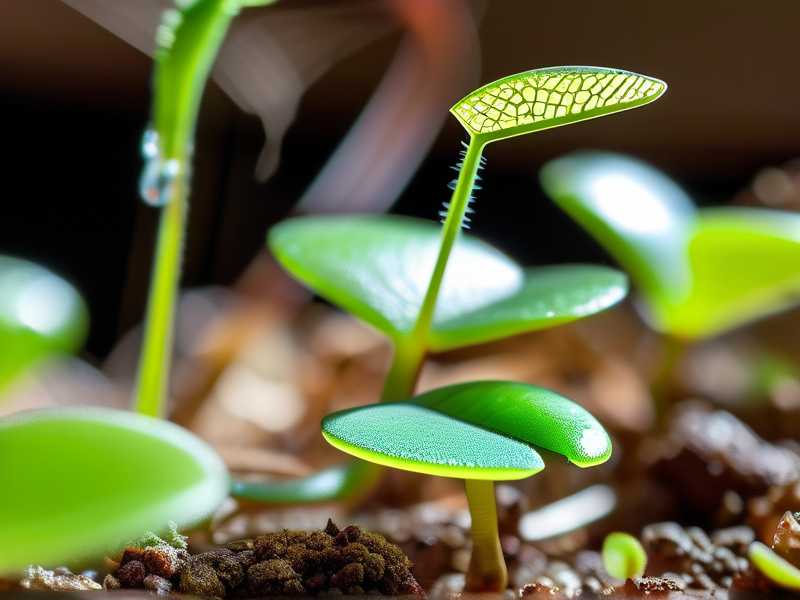
I saw tiny droplets of dew on the youngest leaves. The sundew was starting to produce sticky tentacles again. The halting growth in cold was reversing.
Week 2: Active Growth Phase
Day 8: Introduce Fertilizer (Carefully)
Sundews don’t need fertilizer if they catch bugs, but indoors in winter, they get no prey. I used a diluted orchid fertilizer (1/4 strength) sprayed on the leaves once. Never fertilize the roots—it burns them.
Day 9: Increase Light Exposure
I added a grow light since winter sunlight is short. I used a full-spectrum LED light, 12 inches above the plant, for 14 hours a day.
Day 10: Trim Dead Leaves
I cut off all black, dead leaves with clean scissors. This redirects energy to new growth.
Day 11: Monitor Temperature
The space heater kept the room at 22°C (72°F). I also placed a thermal mat under the pot to keep roots warm.
Day 12: Dew Production Explodes
The sundew had a full set of dewy tentacles. It looked healthy and active.
Day 13: New Leaves Unfold
I counted four new leaves growing from the center. The halting growth in cold was completely gone.
Day 14: Full Recovery
The plant was back to its vibrant, sticky self. I moved it to a permanent spot with consistent warmth and light.
Expert Insights on Sundew Care in Cold
The Royal Horticultural Society (RHS) advises that Drosera species require a winter rest period for some varieties, but not all. For tropical sundews like Drosera capensis, cold exposure can trigger dormancy. The American Horticultural Society (AHSA) notes that sundews from temperate zones actually need a cool period to thrive. However, for most indoor growers, the goal is to avoid cold shock. I learned that my plant was a tropical type, so it didn’t need the cold rest. That’s why it halted growth.
Common Long-Tail Keywords to Keep in Mind
When you search for solutions, use phrases like “best soil for sundews in winter” or “how to revive a cold-damaged sundew.” These long-tail keywords helped me find specific advice. Also, “sundew growth stopped after cold snap” is a real issue. I addressed this by warming the roots first.
Additional Pitfalls I Encountered
Using Tap Water
I used tap water once, and the mineral buildup killed the dew. Sundews are sensitive to dissolved salts. Always use distilled, rainwater, or reverse osmosis water.
Ignoring Dormancy Signals
Some sundews, like Drosera rotundifolia, need a cold dormancy. If you have a temperate species, moving it to a cold garage for 3 months is normal. I killed my first temperate sundew by trying to keep it warm in winter.
Overthinking Humidity
I used to mist the leaves daily. Mist can spread fungal spores. A humidifier or a pebble tray is safer.
FAQ: Sundew Halting Growth in Cold
Q1: Can I use a heat lamp for my sundew?
Yes, but keep it at least 12 inches away. I used a heat mat instead, which warms the soil without drying out the leaves.
Q2: How do I know if my sundew is dormant or dead?
Check the crown (center). If it’s firm and green, it’s dormant. If it’s mushy or black, it’s dead. My dormant sundew looked shriveled but bounced back after warming.
Q3: How often should I water in cold weather?
Every 3-4 days, depending on the tray drying out. In winter, water sticks around longer, so I check the soil moisture with my finger.
Final Thoughts on Reviving Your Sundew
I never thought I could fix a frozen sundew, but I did. The key was addressing the halting growth in cold with warmth, light, and proper watering. My third attempt failed because I ignored the root temperature. Now, I keep a thermometer in my plant corner. Sundews are resilient if you respect their needs. If your plant has stopped growing, start with the basics: check temperature, light, and pot drainage. Within two weeks, you will see new dew. I did, and so can you.