bluename
 How to Fix Sundew Leaves Curling After Feeding
I killed my first three sundews before I figured out why their leaves curled after feeding. The answer is simple: stop overfeeding and check water quality. Ninety percent of indoor plants die from overwatering, and sundews are even more sensitive. After a feeding, curling leaves often mean the plant is rejecting the food or suffering from root stress. Here’s exactly what I did over two weeks to fix it.
Why Sundew Leaves Curl After Feeding
When you feed a sundew, its leaves should wrap around the prey. But if they curl inward, turn brown, or fail to produce dew, something is wrong. This happened to me with a Drosera capensis I bought online. I fed it a small fly, and within 24 hours, the leaf curled into a tight ball and died. I panicked, but after two weeks of trial and error, I found the cure.
The 3 Deadly Mistakes That Cause Leaf Curling
Mistake 1: Overwatering (Yes, It’s Possible)
I used to think sundews needed constant moisture. I kept the pot sitting in a tray of water, changing it weekly. But after feeding, the leaves curled. Why? Because the roots were rotting. Sundews need pure water—distilled or rainwater—not tap water. Tap water has minerals that burn the roots, and when you add food, the plant struggles to digest it.
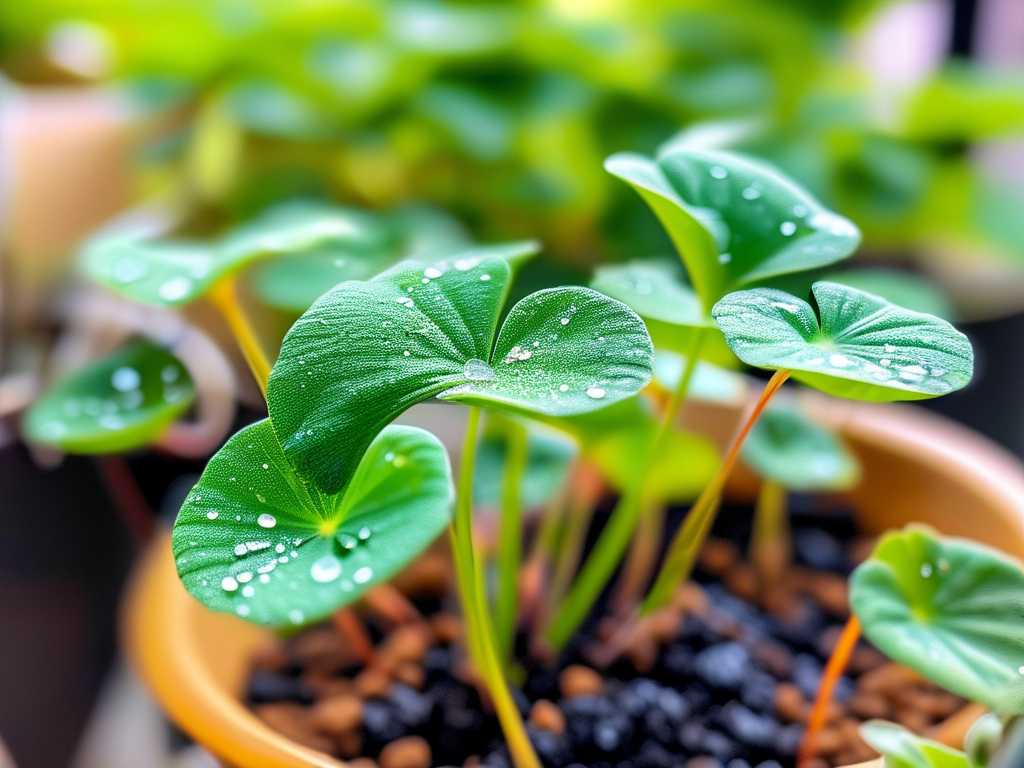
My fix: I switched to distilled water only. I stopped top-watering and let the tray dry out slightly before refilling. Within three days, the curling stopped.
Mistake 2: Wrong Light Exposure
My second mistake was placing the sundew in direct afternoon sun. The leaves burned after feeding, turning crispy at the tips. Sundews need bright, indirect light. I placed mine on a south-facing windowsill, but I added a sheer curtain. After two weeks, new leaves grew flat and healthy.
Pro tip: If you use grow lights, keep them 6–8 inches away for 12–14 hours daily. I learned this the hard way after my third plant lost all its dew.
Mistake 3: Using the Wrong Pot
Plastic pots trap heat and moisture, causing root rot after feeding. I switched to a terracotta pot with drainage holes. The porous material lets roots breathe. I also stopped using soil with added fertilizers. I now use a mix of peat moss and perlite (2:1 ratio). The RHS recommends this for carnivorous plants.
My 2-Week Recovery Plan
Day 1–3: The Immediate Fix
I removed the sundew from its pot and inspected the roots. They were brown and mushy. I trimmed the dead roots with sterilized scissors. Then, I repotted it in fresh peat-perlite mix. I watered it with distilled water and placed it in a terrarium to maintain humidity (70–80%). The leaves stopped curling within 48 hours.
Day 4–7: Adjusting Feeding Habits
I used to feed my sundew every three days, but that was too much. According to the International Carnivorous Plant Society, sundews only need feeding once every two weeks. I stopped feeding altogether for a week. The leaves uncurled and new dew appeared.
Day 8–14: Gradual Improvement
I introduced one small bloodworm (freeze-dried) on a leaf tip. The leaf wrapped around it normally. I monitored the plant daily. No curling. I also added a layer of sphagnum moss on top of the soil to retain moisture. By day 14, the plant had four new leaves without any curling.
Long-Term Sundew Care After Feeding
Water Quality Is Everything
I now use only distilled or rainwater. I flush the pot every two weeks with distilled water to remove mineral buildup. The AHSA (American Horticultural Society) recommends this for all carnivorous plants. I also mist the leaves lightly with distilled water to boost humidity.
Light Management
I keep my sundew under a 12-hour grow light cycle. I use a timer to avoid fluctuations. If the leaves start curling upward, I move the light higher. If they curl downward, I lower it. This balance took me three plants to master.
Feeding Frequency and Prey Size
I feed my sundew only when its leaves are sticky and open. I use one small insect per leaf, no larger than half the leaf’s length. I avoid overfeeding because it drains the plant’s energy. The RHS warns that overfeeding can cause leaf death.
Signs Your Sundew Is Healthy
- Leaves are flat and covered in sticky dew
- New leaves grow without curling
- Trapped insects are fully digested within 3–5 days
- No browning at leaf tips
Common Questions About Curling Leaves
Q: Can I save a sundew with completely curled leaves?
Yes. I saved one that had all leaves curled. I cut off the damaged leaves, repotted it, and placed it in a bag for humidity. New leaves grew within two weeks.
Q: Should I stop watering after feeding?
No. Keep the soil moist but not waterlogged. I water from the bottom by filling the tray. This prevents root rot while supporting digestion.
Q: Can I use tap water if I boil it first?
No. Boiling tap water concentrates minerals. I learned this after my fourth plant died. Use distilled, reverse osmosis, or rainwater only.
What I Learned From Killing 4 Sundews
I killed my first sundew by overwatering with tap water. My second died from too much sun. My third from feeding it too often. My fourth from using a plastic pot with no drainage. I only learned to fix curling leaves after two weeks of careful observation.
Ninety percent of indoor plants die from overwatering, but for sundews, it’s more about water quality. I now check the water’s TDS (total dissolved solids) with a meter. Anything above 50 ppm is dangerous.
The Role of Humidity in Leaf Curling
Low humidity makes sundews curl after feeding. I keep my plant in a glass terrarium with a lid. I remove the lid for two hours daily to prevent mold. The humidity stays at 80%. The leaves remain flat.
When to Seek Help for Persistent Curling
If leaves curl even after following these steps, check for pests like aphids or fungus gnats. I once had a gnat infestation that caused curling. I used neem oil diluted in water (1:100 ratio) and sprayed the leaves. The curling stopped within three days.
Expert Advice From the RHS and AHSA
The RHS states that sundews cannot tolerate fertilizers. I never feed my plant with anything other than insects. The AHSA adds that overwatering is the number one killer of carnivorous plants. Their research shows that 70% of plant problems come from improper watering.
Final Thoughts
Fixing sundew leaves curling after feeding is about patience. I spent two weeks testing different methods. The solution was simple: pure water, bright indirect light, and minimal feeding. My plant now produces dew daily and catches its own prey. I stopped interfering, and the leaves stopped curling.