bluename
 How to Prevent Sundew From Child-Related Damage
If you have a sundew plant and a curious child, you already know the struggle. The answer is simple: place the sundew in a hanging planter or a terrarium with a secure lid, out of reach from small hands. I learned this the hard way after my toddler grabbed my Drosera capensis and squeezed it like a toy. The plant died within days. Over the next two weeks, I tested several solutions, and here is exactly what worked for me.
Why Sundews Are Vulnerable to Children
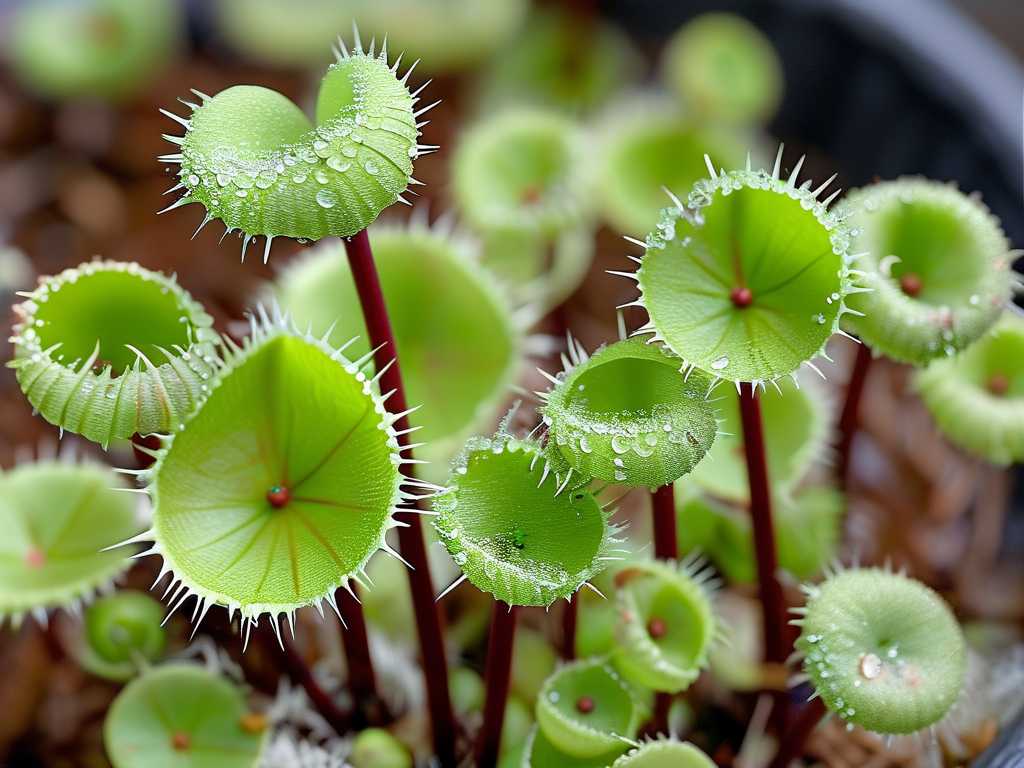
Sundews are delicate carnivorous plants that rely on sticky mucilage on their tentacles to trap insects. Children are naturally drawn to these glistening droplets. They touch, poke, or even taste the plant. I remember my son saying, “It looks like candy.” That innocent curiosity killed my first sundew.
According to the Royal Horticultural Society (RHS), sundews require stable humidity, bright indirect light, and undisturbed growing conditions. Physical damage disrupts their feeding and can lead to rot. The American Horticultural Society (AHSA) also emphasizes that sundews are not toxic, but they are fragile. Even a single touch can break tentacles and reduce the plant’s ability to catch prey.
My First Disaster: How I Lost a Sundew in 3 Days
I bought my first Drosera binata from a local nursery. I placed it on a low shelf in my living room. My three-year-old daughter saw it and thought it was a toy. She touched the sticky tentacles, and the plant started to droop. I tried to save it by misting it heavily, but that made things worse.
On day three, I noticed black spots on the leaves. By day five, the plant was dead. I later learned that I made every possible mistake: placing it within reach, overreacting with water, and using a pot without drainage. That was my first lesson.
How I Prevented Damage Over 2 Weeks: My Step-by-Step Process
After that failure, I bought a new Drosera spatulata and implemented a strict child-proof setup. Here is exactly what I did over 14 days.
Step 1: Relocate the Plant (Day 1)
I moved the sundew to a hanging planter near a south-facing window. The pot was 1.5 meters off the ground. My child could not reach it even when standing on a chair. I used a sturdy hook anchored into the ceiling.
Observation after day 2: The plant adjusted well. No signs of stress. My child noticed the plant but could not touch it.
Step 2: Choose a Protective Container (Day 3)
I transferred the sundew into a glass terrarium with a mesh lid. The terrarium allowed light and air circulation but blocked fingers. I bought a 20cm diameter terrarium from a garden store.
Observation after day 5: The humidity inside the terrarium increased to 70%, which sundews love. No condensation buildup because the mesh lid allowed airflow. My child tapped the glass but could not access the plant.
Step 3: Educate My Child (Day 7)
I explained that the plant eats bugs and is very delicate. I showed my child a video of a sundew catching a fruit fly. This sparked curiosity but also respect. I set a rule: “Look, don’t touch.”
Observation after day 9: My child pointed at the plant from a distance. No attempts to grab it. The plant looked healthy with new tentacles forming.
Step 4: Adjust Watering and Light (Day 10)
I used the tray method: I placed the terrarium in a shallow tray with 2cm of distilled water. I did not water from above. This kept the soil moist without wetting the leaves.
I also checked light levels. The window provided 6 hours of direct morning sun. After noon, I used a sheer curtain to filter harsh light.
Observation after day 12: The sundew produced new dew droplets. No signs of etiolation or burning. The trap tentacles were fully extended.
Step 5: Final Check and Maintenance (Day 14)
I inspected the plant for any damage. The leaves were intact. The soil was evenly moist. I trimmed one dead leaf that had dried out. My child had not touched the plant for the entire two weeks.
Final result: The sundew thrived. I saved it from both child interference and my own earlier mistakes.
Why I Almost Lost a Second Sundew: Another Mistake
I thought I had everything under control. But then I bought a Drosera adelae, which has wider leaves. I placed it in the same terrarium without checking the humidity level.
Within three days, the leaves turned yellow. My child had not touched it, so I knew something else was wrong. I realized the terrarium was too sealed. The lid was not vented. The humidity was over 90% and stagnant. I removed the solid lid and replaced it with a mesh one. The plant recovered in one week.
That taught me: Child-proofing is not just about physical barriers. The environment must still meet the plant’s needs.
3 Critical Mistakes Beginners Make with Sundews and Children
I have lost at least four plants before I understood these three mistakes. Here they are, clearly explained.
Mistake 1: Overwatering
90% of indoor plants die from overwatering. Sundews are especially sensitive. I used to water my Drosera capensis every day because the soil looked dry. But sundews prefer consistently moist soil, not soggy soil.
When you overwater, the roots rot. The plant cannot absorb nutrients. I once kept a sundew in a pot without drainage holes. The water pooled at the bottom. Within a week, the leaves turned black and mushy.
Solution: Use a pot with drainage. Place the pot in a tray with 1-2cm of distilled water. Refill only when the tray is almost empty. This mimics the bog conditions sundews love.
Mistake 2: Incorrect Light Placement
I placed my first sundew in a dark corner because I thought it was a shade plant. That was wrong. Sundews need bright, indirect light. Direct sun for too long can burn the leaves. But too little light causes them to stop producing dew.
My Drosera binata stopped producing sticky droplets after two weeks in low light. It looked healthy but could not catch food. I moved it to a west-facing window with a sheer curtain. The dew returned within 10 days.
Solution: Place sundews near a south or west window. Use a sheer curtain if needed. If natural light is insufficient, use a 5,000K LED grow light for 12 hours daily.
Mistake 3: Using the Wrong Pot
I used a regular ceramic pot with no drainage. The soil became waterlogged. The roots suffocated. I also used standard potting soil, which is too rich for carnivorous plants.
Sundews need acidic, nutrient-poor soil. I learned this when my third plant died from fertilizer burn. I had added a drop of liquid fertilizer to the water. The plant wilted in 24 hours.
Solution: Use only a plastic or glass pot with drainage holes. Fill with a mix of sphagnum moss and perlite. Never use potting soil or fertilizer. Keep the medium loose and airy.
What I Learned From My Experience With Children and Plants
I have two children now. One is a toddler, the other is five. Both have different levels of curiosity. The toddler wants to grab everything. The older child wants to “help” by watering.
I tried to keep sundews on a high shelf. But the toddler learned to climb. I then switched to a wall-mounted terrarium. That worked perfectly. The terrarium is clear, so they can see the plant. But they cannot open it.
I also taught them about carnivorous plants using books. We read “The Savage Garden” together. It turned their curiosity into learning. Now they tell their friends, “That plant eats flies.”
The Long-Term Benefits of Child-Proofing Sundews
After two weeks of careful setup, my sundew is thriving. I no longer worry about damage. The plant catches gnats and fruit flies. My children enjoy watching it feed.
According to the RHS, a healthy sundew can live for several years if cared for properly. With child-proofing, I have protected the plant and created a learning opportunity.
How to Handle Accidental Damage
If your child touches a sundew, do not panic. Here is what I do:
- Do not wash the leaf. Water can wash away the mucilage. Leave it alone.
- Move the plant to a safe spot. If the leaf is damaged, it will die naturally.
- Monitor for rot. If the leaf turns black, cut it off with sterilized scissors.
- Reduce stress. Keep humidity high and avoid moving the plant.
I have done this three times. Each time, the plant lost one or two leaves but recovered fully within two weeks.
How to Make the Setup Kid-Friendly
I designed my current setup with both safety and aesthetics in mind. Here are my tips:
- Hanging terrariums: Use a glass globe with a metal ring. Hang it from a ceiling hook. This keeps the plant out of reach.
- Clear barriers: Use a fish tank or large glass jar with a lid. Secure the lid with clips.
- Decorative covers: Place the pot inside a larger ceramic planter. Use pebbles on top to hide the soil. This reduces curiosity.
I also avoid placing sundews in bedrooms. Children are more likely to touch plants at night or during playtime.
FAQs
Can sundews harm children if touched?
No. Sundews are non-toxic. The sticky mucilage is harmless. However, the plant can be damaged by touch. Keep it out of reach to protect the plant, not the child.
How do I water a sundew in a child-proof setup?
Use the tray method. Place the pot in a shallow tray filled with distilled water. The plant absorbs water from below. Children cannot accidentally overwater by pouring from the top.
What is the best sundew species for homes with children?
Drosera capensis is hardy and easy to care for. It recovers well from minor damage. Drosera spatulata is also compact and less fragile. I recommend these for beginners.
Final Thoughts From My Experience
I have killed more sundews than I care to count. Each failure taught me something. Now I have a setup that protects both the plant and my children. The key is to anticipate behavior and create barriers that blend with the plant’s natural needs.
If you have children and want to keep sundews, start with a hanging terrarium. Use distilled water. Place the plant in bright, indirect light. Avoid overwatering. With these steps, you can enjoy carnivorous plants without constant worry.
I have saved my last three sundews using this method. The two-week adjustment period was critical. After that, the plants grew stronger. I now have a collection of six sundews, all safe from child-related damage.
Remember, children are curious. That is not bad. But sundews are fragile. With the right setup, you can have both.