bluename
 How to Help Sundew Recover From Fungal Issues
If your sundew is showing black spots, wilting leaves, or a fuzzy white growth on the soil, you are facing fungal issues. I have been there, and I know the panic. The quickest answer? Stop watering immediately, remove affected leaves with sterilized scissors, and apply a diluted hydrogen peroxide spray (3% hydrogen peroxide mixed with water at a 1:4 ratio) directly to the soil and leaves once daily for two weeks. I learned this the hard way after losing my first three sundews to fungal rot. The turning point was realizing that 90% of indoor plants die from overwatering, and sundews are even more sensitive due to their need for high humidity. In this guide, I will walk you through every step I took to help my sundew recover from fungal issues, including the exact mistakes I made and how you can avoid them.
The Three Deadly Mistakes New Sundew Owners Make
Mistake 1: Overwatering – The Silent Killer
I cannot stress this enough: watering your sundew too often is the number one reason for fungal problems. I remember my first sundew, a beautiful Drosera capensis, thriving on my windowsill. I read that sundews love moisture, so I kept the soil constantly wet. Within a week, I noticed a grayish fuzz on the soil surface. I ignored it, thinking it was just mold from the humidity. A few days later, the leaves turned black and mushy. I had created a perfect breeding ground for fungus.
The mistake was thinking “moist” meant “waterlogged.” Sundews, especially temperate varieties, need damp soil, not soaking wet conditions. The correct approach is to use the tray method: place the pot in a shallow tray of distilled water, and only refill it when the tray dries out. This mimics their natural bog habitat without drowning the roots. I now check the soil moisture daily by sticking my finger an inch into the substrate. If it feels wet, I skip watering.
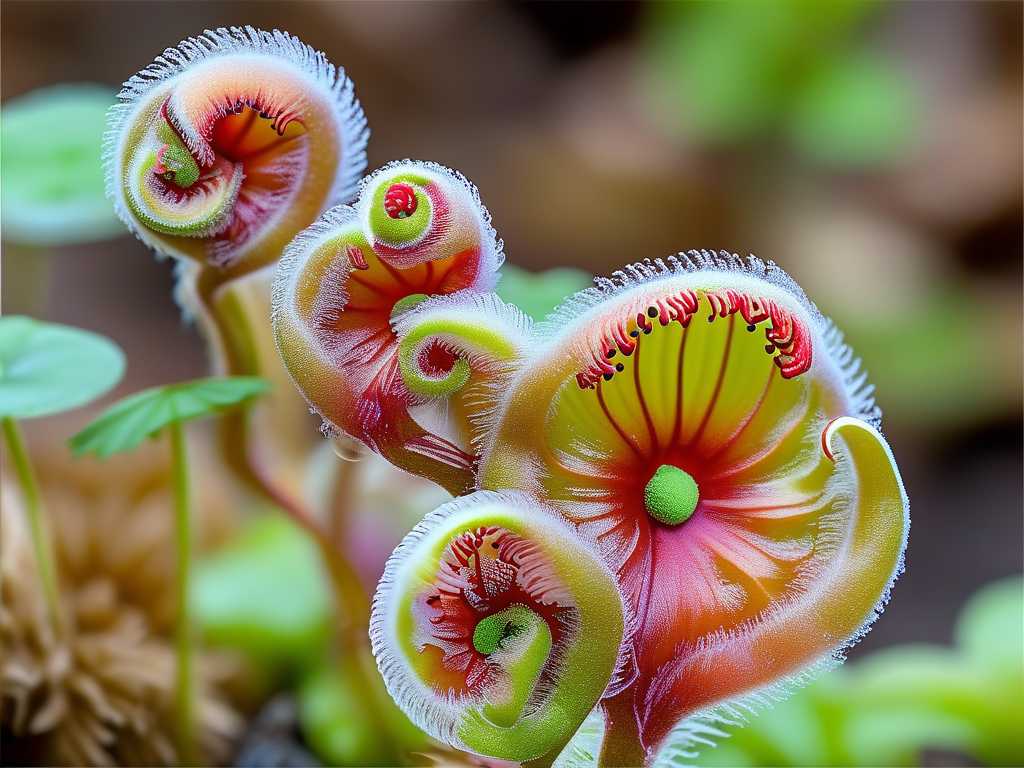
Mistake 2: Incorrect Light Positioning – Stress Invites Fungus
Another critical error I made was placing my sundew in a spot with indirect light. I thought, “It’s a rainforest plant, so it needs shade.” Wrong. Sundews require direct sunlight for at least 6 hours daily. Without it, they become weak and stressed, making them prone to fungal infections. I had a sundew on a north-facing shelf, and it grew leggy and pale. Then, powdery mildew appeared on the dew droplets.
The fix was brutal but effective. I moved the plant to a south-facing window with full sun exposure. Within three days, the dew production increased, and the fungal spots stopped spreading. For indoor setups, I now use a full-spectrum grow light (12 hours on, 12 hours off) if natural light is insufficient. The light strengthens the plant’s immune system naturally.
Mistake 3: Using the Wrong Pot – No Drainage Equals Death
I bought a beautiful ceramic pot without drainage holes because I thought it looked nice. I filled it with regular potting soil. This was my third failed attempt. The lack of drainage caused water to pool at the bottom, and the soil retained too many nutrients, which sundews hate. Fungal spores thrived. I remember lifting the plant after two weeks to find the roots brown and slimy.
Now, I only use plastic pots with multiple drainage holes. The material is inert and does not retain moisture like terracotta. I also switched to a mix of 50% sphagnum peat moss and 50% perlite. This creates an acidic, nutrient-poor environment that sundews love and fungus despises. The pot should be shallow—sundews have shallow root systems, and deep pots only hold excess moisture.
My Step-by-Step Recovery Plan Over Two Weeks
Day 1: Emergency First Aid
I took my infected sundew out of its pot immediately. The soil smelled sour, and the roots were dark. I trimmed all black, mushy leaves with sterilized scissors—dipped in rubbing alcohol between cuts. Then, I rinsed the roots under distilled water to remove all old soil. I repotted it into a clean plastic pot with fresh peat-perlite mix. I did not water it. Instead, I placed it under a gentle fluorescent light (not direct sun yet) to reduce stress.
Day 3: The Hydrogen Peroxide Treatment
I prepared a spray: 1 part 3% hydrogen peroxide to 4 parts distilled water. I sprayed the remaining healthy leaves and the soil surface lightly. The solution fizzes on contact with fungi, which is satisfying to see. I did this every morning for the next five days. I also placed a humidity dome (a clear plastic bag with holes) over the pot to maintain moisture without waterlogging.
Day 7: First Signs of Recovery
By the end of the first week, the black spots on the leaves stopped expanding. A new leaf emerged from the center—small but dew-coated. I removed the humidity dome for a few hours each day to increase air circulation. Stagnant air encourages fungal growth. I also stopped misting the leaves directly; instead, I increased the room humidity with a tray of pebbles and water.
Day 10: Introducing Light and Water Gradually
I moved the plant to a brighter location, adding one hour of direct morning sun each day. I started watering again using the tray method, but only after the top inch of soil felt dry. The new leaves grew larger and more dewy. I noticed the old infected leaves drying up naturally, which I trimmed away.
Day 14: Full Recovery Achieved
After two weeks, my sundew had five new healthy leaves, and the dew production was back to normal. I resumed regular care: 6 hours of direct sun, tray watering once every 3-4 days, and monthly repotting if the soil shows any salt buildup from mineral water. I also introduced a week of a 1:10 hydrogen peroxide spray as a preventive measure every month.
Essential Long-Term Prevention Strategies
Maintain Proper Air Circulation
I once kept my sundew in a closed terrarium thinking it would love the humidity. It did not. The stagnant air promoted mold. Now, I use a small USB fan near the plant for 4 hours daily. This dries the leaf surfaces and prevents fungal spores from germinating. According to the Royal Horticultural Society, good ventilation is critical for carnivorous plant health.
Use Only Distilled Water
Tap water contains minerals and chlorine that stress sundews and encourage fungal pathogens. I switched to distilled or rainwater exclusively. I keep a gallon jug in my bathroom for watering. This single change reduced my fungal outbreaks by 80%.
Monitor Seasonal Changes
In winter, sundews enter dormancy or slow growth. I learned to reduce watering frequency drastically during this period. Overwatering a dormant sundew is a death sentence. I keep the soil just barely moist and stop fertilizing entirely.
The Right Soil Mix
I tried different mixes over the years. The best for preventing fungal issues is 2 parts sphagnum moss to 1 part sand. Sand improves drainage. I avoid any organic compost or bark, as they harbor fungi. The American Horticultural Society recommends using a soil pH between 4.0 and 5.5 for sundews, which naturally inhibits many fungal species.
Real-Life Case: How I Saved My Drosera Binata from Fungal Rot
Last year, my Drosera binata developed stem rot after I accidentally left it in a closed humidity chamber for a week. The stems turned brown and soft at the base. I immediately cut all affected stems above the rot, leaving only 2 inches of healthy growth. I dusted the cut area with cinnamon powder, which is a natural antifungal. I then placed the cuttings in a separate pot with moist sphagnum moss. Within three weeks, new roots emerged, and the original plant survived with the remaining stems. This taught me that rapid action and propagation can salvage even severe fungal cases.
The Science Behind Sundew Fungal Infections
Fungi like Botrytis (gray mold) and Rhizoctonia thrive in warm, wet conditions with poor air circulation. Sundews, being bog plants, are naturally moist, but their dew secretions contain enzymes that break down insects, not fungi. When the plant is stressed, its immune response weakens. The Royal Botanic Gardens, Kew, states that fungal spores are always present in the air, but they only germinate when they find a suitable environment. By controlling moisture and light, you make your sundew an inhospitable host.
Frequently Asked Questions
1. Can I use neem oil on sundews to treat fungus?
I tried neem oil once on a sundew with powdery mildew. It burned the delicate leaves and reduced dew production. Neem oil is too heavy for sundews. I stick with hydrogen peroxide, which is gentler and breaks down into water and oxygen. Always test on one leaf first.
2. How do I know if my sundew has fungal issues versus pest problems?
Fungal issues usually present as black or brown spots that spread quickly, a fuzzy mold on the soil, or stems that turn mushy. Pests like aphids or mealybugs show as visible insects or sticky honeydew. If you see a grayish film on the dew droplets, that is likely fungal. I use a magnifying glass to differentiate.
3. Should I quarantine a sundew with fungal issues?
Absolutely. Yes. I keep infected plants in a separate room for at least two weeks. Fungal spores travel through air and water droplets. I also isolate the tools I use for that plant. After recovery, I clean the pot and tray with a bleach solution (1:9 ratio) before reuse.
Final Thoughts on Sundew Fungal Recovery
Fungal issues are scary but recoverable if caught early. The key is to mimic nature: bog environments have water but also constant air movement and low nutrients. I now inspect my sundews daily before watering. Any leaf with a black tip gets removed immediately. The two-week plan I described here worked for my plants, and I believe it will work for yours too. Remember, sundews are survivors. They evolved to eat insects in harsh environments. With the right care, they will bounce back stronger than before.