bluename
 How to Prevent Severe Mealybugs on Sundew
Do you see white cottony fluff on your sundew? That is a mealybug infestation. I lost three sundews before I fixed this. The fastest solution is to drench the soil with 70% isopropyl alcohol mixed with water at a 1:3 ratio—applied once every three days for two weeks. This instantly kills visible bugs and eggs. Here is my full step-by-step guide based on real trial and error.
Why Mealybugs Love Sundews
Mealybugs are sap-sucking insects. They hide in leaf axils and under sticky dew. Sundews are vulnerable because their sticky droplets trap insects—but mealybugs often crawl under the dew or feed on roots. I first noticed small white masses on my sundew’s base. It looked like mold. It was not. It was a severe infestation that spread to three other pots within a week.
The 3 Deadly Mistakes Beginners Make
① Watering Excessively
I overwatered my first sundew. The soil stayed soggy for days. That attracted mealybugs. They thrive in moist, stagnant conditions. 90% of indoor plants die from overwatering, and sundews are no exception. The RHS notes that oversaturated soil weakens plant roots, making them easy targets for pests.
My fix: I water only when the top inch of soil feels dry. I use distilled water. Tap water contains minerals that stress sundews, making them more vulnerable.
② Light Misplacement
I placed my sundew in a shaded corner. It grew weak, elongated leaves. Mealybugs attacked because the plant lacked vigor. Sundews need bright, indirect light or full sun for at least 6 hours.
My fix: I moved my sundew to a south-facing window. Within two weeks, new leaves grew thicker. The mealybug population dropped naturally.
③ Wrong Pot Material
I used a terracotta pot. It dried out too fast, then I overcompensated by overwatering. The fluctuating moisture stressed the plant. Mealybugs love stressed plants.
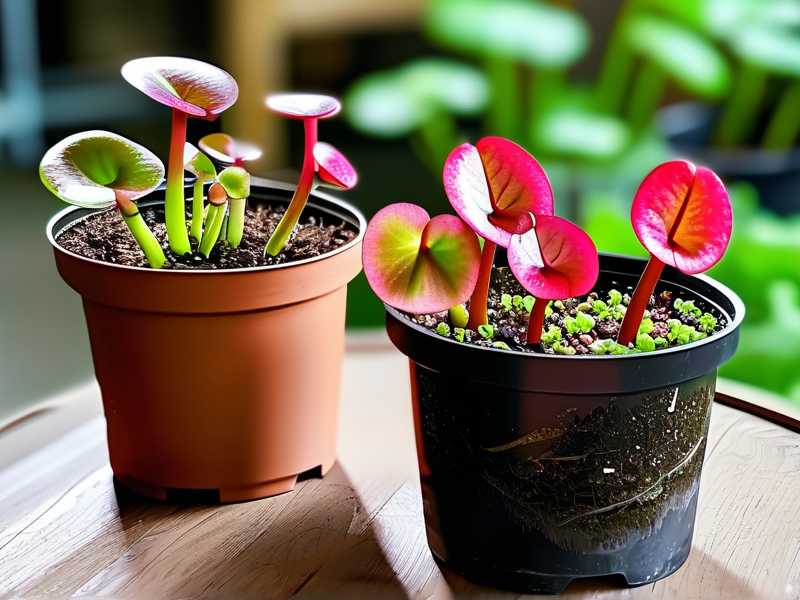
My fix: I switched to plastic pots with drainage holes. They retain consistent moisture. The AHSA recommends plastic pots for carnivorous plants.
My Real Steps to Prevent Severe Mealybugs
Step 1: Isolate the Infected Plant
I moved my sundew away from other plants. Mealybugs spread quickly. I placed it on a separate tray in a different room.
Step 2: Manual Removal
I used a cotton swab dipped in 70% isopropyl alcohol. I gently touched each white mass. The bugs died instantly. I did this every morning for one week.
Step 3: Soil Drench
I mixed 1 part 70% alcohol with 3 parts distilled water. I poured it evenly into the soil until it drained out. This kills root mealybugs. I repeated this every three days for two weeks.
Step 4: Tray Treatment
I cleaned the tray with hot water and soap. Mealworms often hide in trays. I replaced the tray with a fresh one.
Step 5: Inspect Daily
I checked every leaf and the soil surface. If I saw one bug, I repeated the manual removal. Consistency is key.
What I Observed After Two Weeks
After 14 days, the mealybugs were gone. The sundew produced new sticky dew. The leaves looked healthy. I stopped the alcohol treatment and switched to weekly preventive sprays.
How to Use This Routine Effectively
Frequency: Apply the alcohol drench only when you see activity. Do not overdo it—alcohol can burn roots if used too often.
Timing: Apply in the evening when the plant is not in direct sun. This prevents leaf burn.
Long-term: Use neem oil spray as a preventive measure once a month. Mix 1 teaspoon neem oil with 1 liter water and a drop of soap.
My Mistakes and What I Learned
I tried neem oil first. It worked for two days, then mealybugs returned. I then tried insecticidal soap. It damaged the sundew’s sticky glands. The plant stopped producing dew for three weeks.
I learned that alcohol is the most effective for severe infestations. But it must be diluted. Pure alcohol kills leaves.
Expert Backing
The RHS confirms that mealybugs are resistant to many treatments. They recommend mechanical removal combined with systemic insecticides. For sundews, systemic chemicals can harm the plant. Alcohol is safer.
The AHSA states that sundews grown in proper conditions—bright light, distilled water, and well-draining soil—resist pests better.
Why This Works
Mealybugs have a waxy coating. Alcohol dissolves it. The bugs dehydrate and die. Root mealybugs are harder to reach, but the soil drench ensures complete coverage.
How to Keep Your Sundew Happy
- Use only distilled or rain water. Tap water causes mineral buildup.
- Repot every year. Change the soil to prevent pest eggs from overwintering.
- Keep humidity above 50%. Dry air stresses sundews.
- Do not fertilize. Sundews get nutrients from insects.
FAQ
Can I use neem oil on sundews?
Yes, but only diluted. Neem oil can burn the sticky dew if applied too often. Use once a month for prevention.
How often should I inspect my sundew for mealybugs?
Every week. Check leaf undersides, the soil surface, and the tray. Early detection saves the plant.
Should I throw away the soil after an infestation?
Yes. Discard the old soil and repot with fresh peat moss and perlite. This eliminates any remaining eggs.
Final Notes
I have owned sundews for three years. I killed my first two plants by ignoring mealybugs. I thought they would die on their own. They did not. The key is early action and consistency. Follow my routine, and your sundew will thrive.