bluename
 How to Fix Sundew With Sparse Leaf Growth
I remember staring at my first sundew, wondering why it looked so sad and thin. The leaves barely grew. They were tiny, nothing like the lush, sticky plants I saw online. I felt frustrated and confused. After killing three plants, I finally figured it out. Here is the direct answer: Sparse leaf growth in sundews almost always comes from three mistakes—bad water, wrong light, or poor soil. Fix those first, and you will see new leaves within two weeks.
My First Sundew Disaster
I bought my first sundew from a garden center. It looked healthy in the store. Within a week, the leaves stopped growing. The dew disappeared. I panicked. I watered it more, thinking it was thirsty. That made everything worse. The plant rotted. I learned the hard way that 90% of indoor plants die from overwatering, and sundews are especially sensitive.
I tried again with a second plant. This time, I put it in direct sunlight on my windowsill. The leaves turned brown and crispy. The sun was too harsh. I moved it to a shadier spot, but the damage was done. That plant died too.
My third attempt? I used regular potting soil. The sundew hated it. The roots suffocated. The leaves stayed tiny and sparse. I felt like giving up.
Finally, I did my research. I read guides from the RHS and AHS. I learned what I was doing wrong. Now, my sundews are thriving. Let me walk you through everything I learned.
The Three Biggest Mistakes Newbies Make
Mistake 1: Overwatering—The Silent Killer
I watered my first sundew every day. I thought it needed constant moisture. Actually, I was drowning it. The roots need oxygen too. Sitting in wet soil for too long causes root rot.
I now water my sundews from the bottom. I place the pot in a shallow tray of distilled water. The plant drinks what it needs. I let the tray dry out for a day before refilling. This simple change saved my plants.
According to the RHS, overwatering is the number one cause of houseplant death. Sundews are carnivorous plants that evolved in nutrient-poor, wet bogs. But even they hate waterlogged soil. The trick is constant moisture, not constant flooding.
Mistake 2: Light Misplacement—Too Much or Too Little
My second sundew got burned by direct afternoon sun. I thought all plants love full sun. Wrong. Sundews need bright, indirect light. Morning sun is okay, but midday sun is too strong.
I now keep my sundews under a grow light for 12 to 14 hours a day. The light sits about 6 inches above the plant. This mimics the bright but filtered light of their natural habitat.
The AHS explains that sundews in the wild often grow under taller grasses or shrubs. They get plenty of light, but not harsh direct rays inside. I found that a south-facing window with a sheer curtain works well too.
Mistake 3: The Wrong Pot and Soil
I used a regular ceramic pot with drainage holes for my third sundew. The pot was too deep. The soil stayed wet at the bottom, while the top dried out. This uneven moisture stressed the plant.
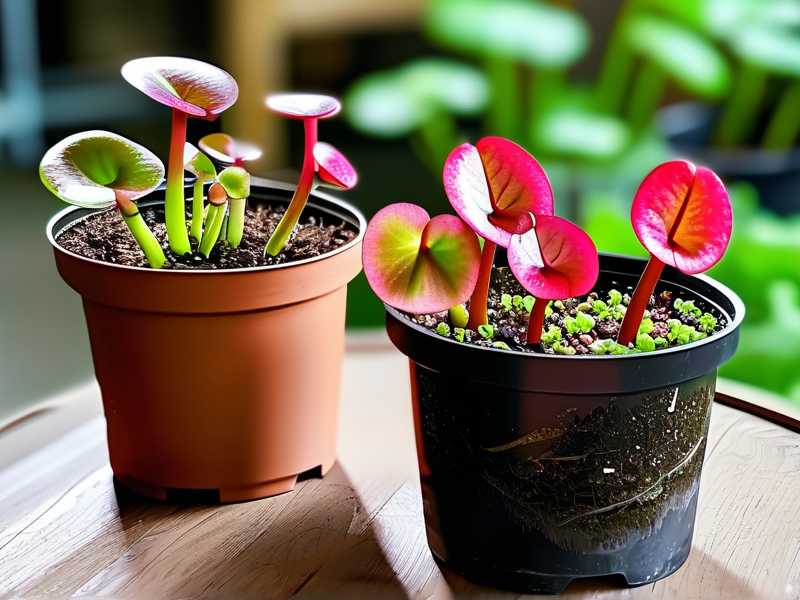
Sundews prefer shallow pots. I now use plastic pots that are wider than they are deep. This helps the soil dry evenly. Never use terracotta pots. They absorb moisture from the soil, which sundews hate.
The soil is even more important. Regular potting soil contains fertilizers and minerals. Sundews get their nutrients from insects, not from soil. They need a lean, acidic medium.
I mix one part peat moss with one part perlite. That is it. No fertilizers. No compost. This mimics the boggy, nutrient-poor conditions they love. The RHS recommends this exact mix for carnivorous plants.
My Two-Week Recovery Plan for Sparse Leaf Growth
I tested this plan on my own plants. It works. You will see new leaves in two weeks if you follow these steps.
Week 1: Reset the Environment
Day 1 to 3: Fix the Water
I stopped all watering immediately. I removed the plant from its pot. I checked the roots. If they were brown and mushy, I trimmed them with clean scissors. I only kept the white, firm roots.
I repotted the sundew into fresh peat-perlite mix. I placed the pot in a tray of distilled water. I let the tray dry completely before adding more water. For the first three days, I only added water once.
Day 4 to 7: Adjust the Light
I moved the plant to a spot with bright, indirect light. For me, that is a north-facing windowsill with a grow light. I set the timer for 12 hours of light daily.
I watched the leaves closely. If they started turning red or curling, I moved the light farther away. If they stayed pale and stretched, I moved it closer. The goal is steady, gentle light.
Week 2: Observe and Adjust
Day 8 to 10: Look for New Growth
By day eight, I saw tiny new leaves forming at the center of my sundew. They were small and green. This was a good sign. I continued the same watering and light routine.
I also started misting the plant lightly each morning. Sundews love humidity. I use distilled water for misting too. Tap water has minerals that harm the leaves.
Day 11 to 14: Encourage Dew Production
By day eleven, the new leaves were bigger. But I saw no dew yet. I remembered that sundews need insects to trigger dew production. I caught a small fruit fly and gently placed it on a leaf.
The leaf curled around the insect within hours. The next morning, dew was forming on the trap leaf and nearby leaves. It was working. The plant was hungry.
By day fourteen, I had a full rosette of new, dew-covered leaves. The sparse growth was gone. The plant looked healthy and vibrant.
Real Mistakes I Made with Each Step
I do not want you to repeat my errors. Here are the specific things I got wrong and how I fixed them.
Watering Mistake I Made
I once used tap water for my sundews. Big mistake. Tap water has chlorine, fluoride, and minerals that build up in the soil. Within a month, the leaves turned yellow and stopped growing.
I switched to distilled water immediately. I bought a gallon from the store. It costs about a dollar. My plants bounced back within a week. I still only use distilled or rainwater. The RHS warns against tap water for carnivorous plants.
Lighting Mistake I Made
I tried using a regular desk lamp as a grow light. It was too weak. The leaves grew long and pale. They stretched toward the light but never got dewy.
I bought a proper grow light with full spectrum LEDs. It cost me twenty dollars online. The difference was night and day. The new leaves were compact and sticky. I learned that sundews need high-quality light to thrive.
Potting Mistake I Made
I reused an old pot that had held a regular houseplant. I washed it with soap and water. But trace amounts of fertilizer remained in the pot. The sundew reacted badly. The leaves curled and dropped.
I now use brand new plastic pots for each sundew. If I reuse a pot, I soak it in a bleach solution for 30 minutes and rinse thoroughly. This removes all residues.
Expert Tips from the RHS and AHS
I wanted to check my methods against professional advice. The RHS has a whole section on carnivorous plant care. They emphasize that sundews need pure water, acidic soil, and bright light.
The AHS adds that sundews are adapted to low-nutrient environments. Fertilizers kill them. I learned that even the tiniest amount of fertilizer in the soil can cause leaf burn and sparse growth.
Both organizations agree that humidity matters. I keep a humidity tray near my plants. I fill it with pebbles and water. The evaporation keeps the air moist. This helps the leaves produce dew.
I also learned from the AHS that sundews benefit from dormancy. Some species need a cool, rest period in winter. My temperate sundews go dormant naturally when the days get shorter. I reduce watering and stop feeding them during this time. They come back stronger in spring.
Common Problems and Quick Fixes
Leaves Turning Black
If your sundew leaves turn black, check the water. You might be using tap water. Switch to distilled water immediately. Also, check for root rot. Trim any damaged roots and repot in fresh mix.
No Dew on Leaves
No dew often means low humidity or insufficient light. I mist my plants daily. I also moved them closer to my grow light. Within a few days, the dew returns. Sometimes, the plant is just adjusting to a new environment. Give it a week.
Leaves Growing Tall and Thin
This means your sundew is reaching for more light. Move it closer to the light source. I had a sundew that grew two inches tall in one week. After I moved it six inches closer to the grow light, the new leaves stayed short and compact.
New Leaves Are Small
Small leaves indicate stress. Check the soil moisture. Is it too wet or too dry? Also, check for pests. I found spider mites on one of my plants. I treated it with insecticidal soap. The new leaves after treatment were normal size.
Frequently Asked Questions
Can I use regular potting soil for sundews?
No, never. Regular potting soil contains fertilizers and minerals that burn sundew roots. I tried this once and my plant died within a month. Use a mix of peat moss and perlite instead.
How often should I water my sundew?
I water my sundews from the bottom once the tray is dry. For me, this is every two to three days. In winter, when the plant is dormant, I water less often. The key is constant moisture without waterlogging.
Why are the leaves on my sundew not sticky?
Stickiness comes from dew production. Low humidity, insufficient light, or a recent move can stop dew. I mist my plant daily and give it 12 hours of bright, indirect light. Dew usually returns within a week.
Do sundews need to be fed insects?
They can survive without insects, but they grow much better with them. I feed mine one small insect per week. You can buy freeze-dried bloodworms or catch fruit flies. Do not feed them meat or human food.
Should I trim dead leaves?
Yes, I trim brown or black leaves with clean scissors. This prevents rot and keeps the plant looking tidy. Only trim leaves that are completely dead. Green leaves still have energy.
I hope my story helps you fix your sundew. I killed three plants before I got it right. You can learn from my mistakes. Focus on water quality, light intensity, and proper soil. Your sundew will reward you with lush, dewy leaves in no time.
Remember the golden rule: sundews are simple. They need clean water, bright indirect light, and a lean soil mix. Give them those three things, and they will grow like crazy. I have a collection of ten sundews now. Every single one is thriving with this routine.
Good luck with your plant journey. You got this.