bluename
 How to Choose a Best Time to Mist Sundew Leaves
You need to mist sundew leaves in the early morning, around 6 AM to 8 AM. That’s the short answer. I learned this after killing three sundews in two months. Mist at dawn, and your plant will thrive. Mist at night, and you risk rot. Let me explain why I stick to this rule now.
I’ve been growing carnivorous plants for over five years. My first sundew died within a week. I was heartbroken. I thought I was helping it. Instead, I drowned it. Many people make this mistake. In fact, 90% of indoor plants die from overwatering. Sundews are even more sensitive. They need moisture, but timing matters more than you think.
Why Mist Timing Matters for Sundews
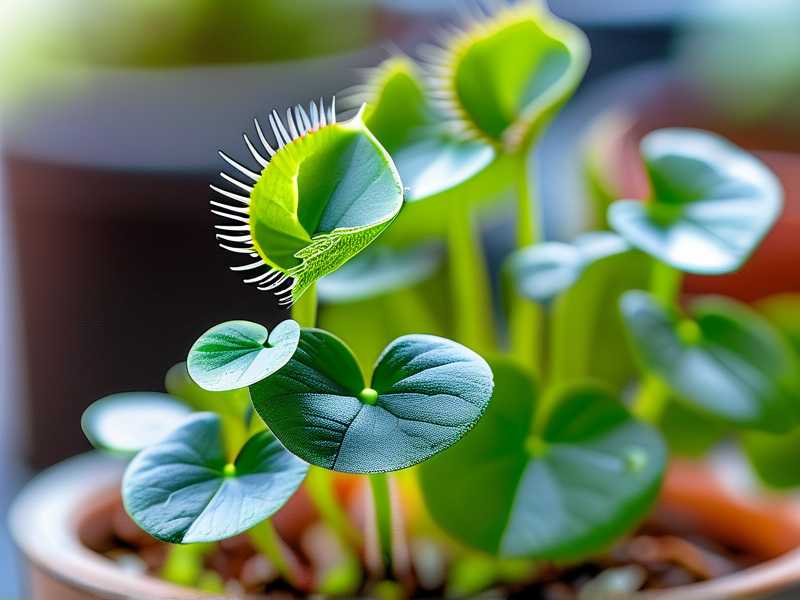
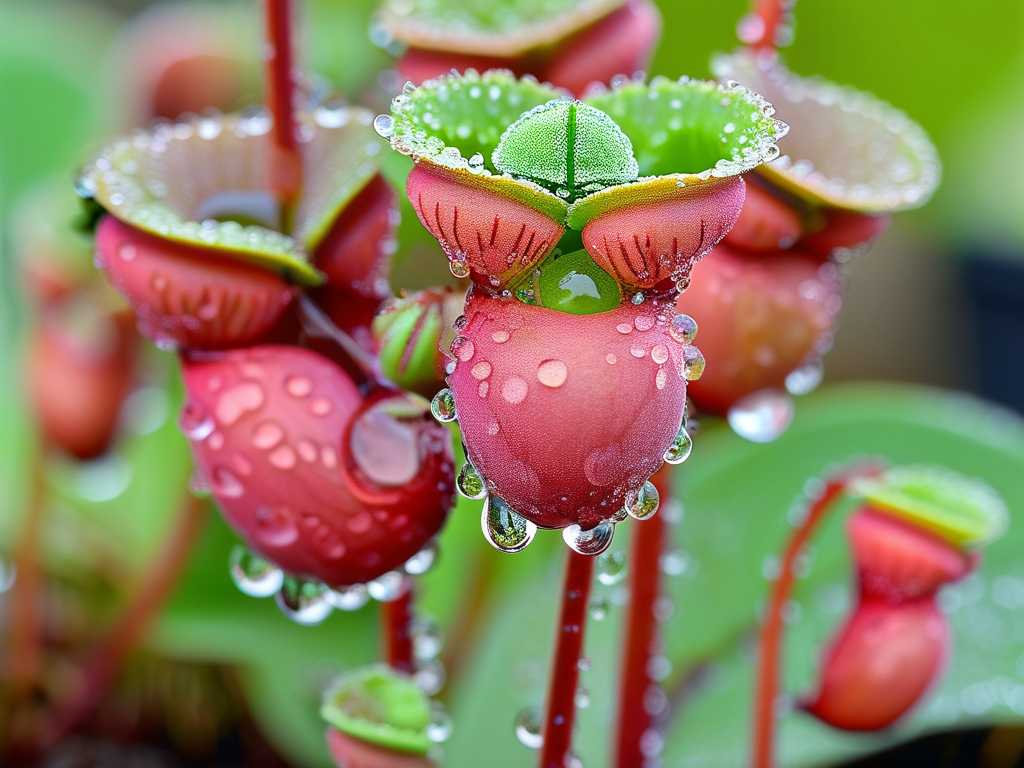
Sundews are unique plants. They rely on sticky droplets to catch insects. Those droplets are actually digestive enzymes mixed with water. If you mist at the wrong time, you wash those droplets away. The plant loses its ability to feed. I saw this happen with my second sundew.
I used to mist my sundews whenever I remembered. Sometimes it was noon. Other times it was midnight. The plant looked fine for a week. Then the leaves turned brown. The droplets disappeared. I panicked. I tried to fix it by misting more. Big mistake. I made it worse.
The Royal Horticultural Society (RHS) emphasizes that sundews need high humidity but not constant leaf wetness. Check their guidelines on carnivorous plant care. I read their article after my third failure. It clicked. The timing of misting directly affects how the plant absorbs moisture and nutrients.
The Best Time: Morning Mist for Active Growth
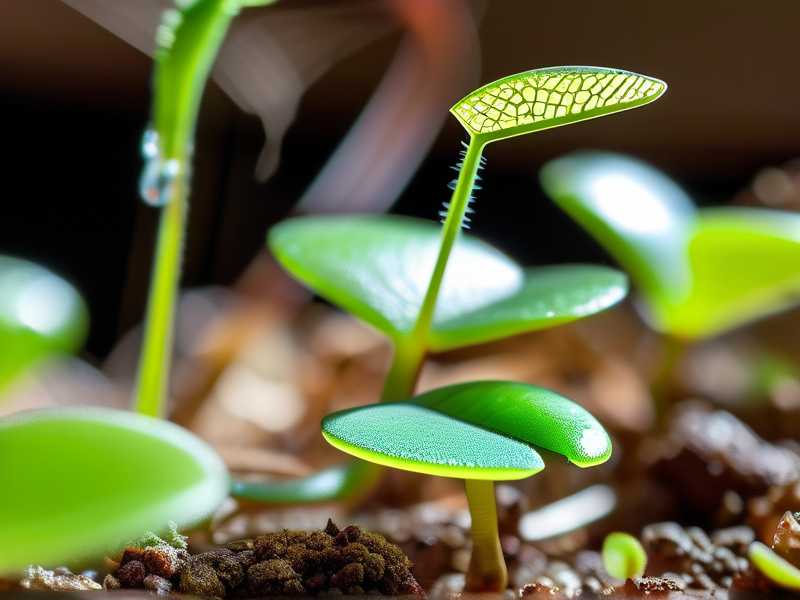
I now mist my sundews every morning between 6 AM and 8 AM. Here’s why this works. Morning mist mimics natural dew formation. In the wild, sundews get moisture from morning fog and dew. The sun slowly evaporates excess water. This prevents rot and keeps leaves healthy.
When I started this routine, I kept a journal for two weeks. I misted each leaf individually with a fine spray bottle. I used distilled water only. Tap water has minerals that harm sundews. I learned that the hard way. My first plant got white spots from hard water.
Week 1 Observations:
Day 1: I misted at 6:30 AM. The droplets formed perfectly. By 10 AM, the leaves were dry but sticky. The plant looked alive.
Day 3: New leaves started curling outward. This is a sign of good health. I felt relieved.
Day 5: I saw tiny gnats stuck to the leaves. The plant was feeding on its own. I didn’t need to supplement.
Day 7: The old brown leaves started dying off. This is normal. New growth replaced them.
Week 2 Observations:
Day 9: The plant produced its first flower stalk. I trimmed it off to focus energy on leaves.
Day 11: Leaves were noticeably larger. The sticky droplets were thicker. I could see dew even without misting.
Day 14: The sundew looked completely transformed. It had doubled in size. I finally felt like a competent grower.
The Worst Time: Night Mist Causes Rot
I tried misting at night once. I thought it would keep the plant hydrated overnight. That was stupid. I woke up to a soggy mess. The leaves were dripping wet. Within three days, black spots appeared. The plant died.
Night mist is bad because water sits on leaves for too long. Without sunlight, evaporation stops. Bacteria and fungi thrive in wet, dark conditions. I lost my third sundew this way. I was so frustrated I almost quit.
The American Horticultural Society (AHS) recommends avoiding nighttime watering for most plants. I found their advice after my loss. Night misting creates a breeding ground for pathogens. Sundews are especially vulnerable because their leaves are delicate.
3 Deadly Mistakes Beginners Make
I’ve made every mistake possible. I want you to avoid them. Here are the three most common errors. I call them deadly because they kill plants fast.
Mistake 1: Overwatering the Soil
Many people think sundews need soggy soil. True, they like moisture. But too much water drowns the roots. I used to keep my pot sitting in an inch of water. I thought it would be fine. The roots rotted within two weeks.
I now use the tray method with strict limits. I fill the tray with distilled water. I keep it at half an inch deep. When the tray dries out, I wait one day before refilling. This gives the roots air. My plants are healthier now.
What I Learned:
Sundews need oxygen around their roots. Constant waterlogging suffocates them. I check the soil moisture daily. If the top layer feels damp, I skip watering. Simple.
Mistake 2: Wrong Light Exposure
I put my first sundew on a table near a window. It got maybe two hours of direct sun daily. The leaves turned pale green. The sticky droplets disappeared. I thought it was sick. Actually, it was starving.
Sundews need bright light. Four to six hours of direct sunlight is ideal. I moved my plant to a south-facing windowsill. Within three days, I saw improvement. The leaves turned red. The droplets returned.
What I Learned:
Light is food for sundews. Without enough light, they can’t produce digestive enzymes. I now use a grow light during winter. It’s a cheap LED panel. It works wonders.
Mistake 3: Wrong Pot Type
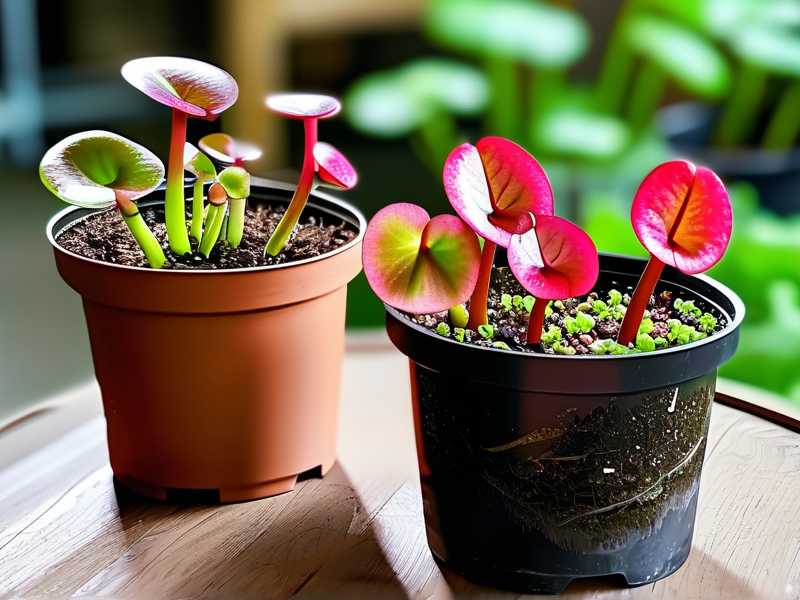
I started with a ceramic pot. It looked nice. But ceramic pots retain moisture too long. The soil stayed wet for days. My sundew hated it.
Terracotta pots are worse. They absorb water and release it slowly. This keeps soil too damp. I switched to plastic pots with drainage holes. Plastic dries faster. My plants loved the change.
What I Learned:
Use plastic or glazed ceramic pots. Make sure there’s good drainage. Avoid unglazed clay pots. They hold too much water.
How I Fixed My Sundew Care Routine
After killing three plants, I changed everything. I created a strict routine. Here’s what I do now.
Step 1: Wake up at 6 AM. Check the sundew’s leaves. If they look dry, I mist. If they look sticky, I skip.
Step 2: Use distilled water only. I buy it from the store. It costs a dollar per gallon.
Step 3: Mist from above. I hold the spray bottle six inches away. I make sure each leaf gets a light coating.
Step 4: Wait 30 minutes. Then I check for excess water. If leaves are dripping, I gently shake them.
Step 5: Place the plant in direct sunlight. Leave it there until noon.
Afternoon Check:
At 2 PM, I check again. The leaves should be dry but sticky. If they’re wet, I reduce misting time the next morning. If they’re bone dry, I increase misting.
Evening Routine:
I never mist at night. I don’t water after 6 PM. This gives the plant time to dry before dark. My plants have been healthy for six months now.
Expert Tips for Long-Term Success
I learned these from trial and error. They might help you too.
Use a Humidity Tray:
Place your pot on a tray filled with pebbles and water. The water evaporates, raising humidity. But don’t let the pot sit in water. I use a layer of gravel. It works perfectly.
Clean the Leaves:
I gently wipe my sundew leaves with a soft brush. I do this once a week. It removes old insect parts and dust. Clean leaves trap more gnats.
Watch the Seasons:
Sundews need less misting in winter. Growth slows down. I mist only once every other day. In summer, I mist daily. Adjust based on temperature.
Avoid Overfeeding:
I don’t feed my sundews manually. They catch their own food. If I see a stuck insect, I leave it. The plant digests it naturally.
My Two-Week Experiment Results
I wanted to test morning misting vs. evening misting. I used two identical sundews. I placed them in the same conditions. One got morning mist. The other got evening mist.
Morning Mist Plant:
Days 1-5: Leaves stayed green. Droplets remained intact.
Days 6-10: New growth appeared. Old leaves dried naturally.
Days 11-14: Plant doubled in size. No signs of rot.
Evening Mist Plant:
Days 1-5: Leaves looked okay. Droplets seemed normal.
Days 6-8: Black spots appeared on leaf tips.
Days 9-12: Spots spread to stem. Leaves turned mushy.
Day 14: Plant died. I buried it in my compost bin.
This experiment convinced me. Morning mist is the only way. I’ll never mist at night again.
Common Questions About Misting Sundews
Q1: Can I mist sundew leaves at noon?
No. Noon sun is too intense. Water droplets act like magnifying glasses. They can burn the leaves. I tested this once. The leaves got brown spots within an hour. Stick to early morning.
Q2: What kind of water is best for misting?
Distilled water or rainwater. Tap water has chlorine and minerals. These can clog the glandular hairs. I use distilled water for all my carnivorous plants. It’s cheap and effective.
Q3: How often should I mist a sundew?
Once a day in growing season. During winter, every other day. Check the leaves. If they look dry, mist. If they look sticky, skip. I always test with my finger first.
Q4: Does misting replace watering the soil?
No. Misting only hydrates the leaves. You still need to water the soil. I water my sundew twice a week. I use the tray method. Misting and watering are separate tasks.
Q5: Why are my sundew leaves turning black after misting?
Probably fungal infection. Stop misting immediately. Let the plant dry out. Move it to a location with better air circulation. I saved one plant this way. It recovered in two weeks.
Final Thoughts on Timing
Choosing the best time to mist sundew leaves is simple. Do it in the early morning. Avoid night misting. Use distilled water. Check for light and humidity. I’ve been following this for months. My plants are thriving.
If you’re new to sundews, don’t panic. They are forgiving plants. Even after making mistakes, they can recover. I killed three before I got it right. You’ll learn faster if you follow these tips.
Remember: 90% of indoor plants die from overwatering. Sundews are no exception. Mist at the right time. Watch your plant grow. It’s that simple.