bluename
 How to Choose a Safe Pot Cleaning Solution for Sundew
If you grow sundews, you already know they are sensitive plants. The wrong residue in a pot can kill them fast. I learned this the hard way. Here is the straight answer: use a 3% hydrogen peroxide solution or plain distilled white vinegar diluted 1:4 with distilled water, then rinse thoroughly with distilled water. That is it. I tested both methods over 2 weeks, and they worked perfectly. Skip the bleach. Skip the soap. Your sundew will thank you.
Many people think any cleaning product will do. That is a mistake. Sundews are carnivorous plants. They absorb nutrients through their leaves, but their roots are delicate. They evolved in nutrient-poor soils like bogs. Residue from harsh chemicals or tap water minerals can burn those roots. I have lost plants to this error. Let me walk you through everything I discovered.
My Personal Experience with Pot Cleaning
I have been growing sundews for years. Honestly, I killed my first three pots before I figured it out. The culprit? Soap residue. I used a mild dish soap one time to clean an old terracotta pot. I rinsed it with tap water. I thought it was fine. Within a week, my sundew looked sad. The leaves turned brown at the tips. The dew disappeared. I panicked.
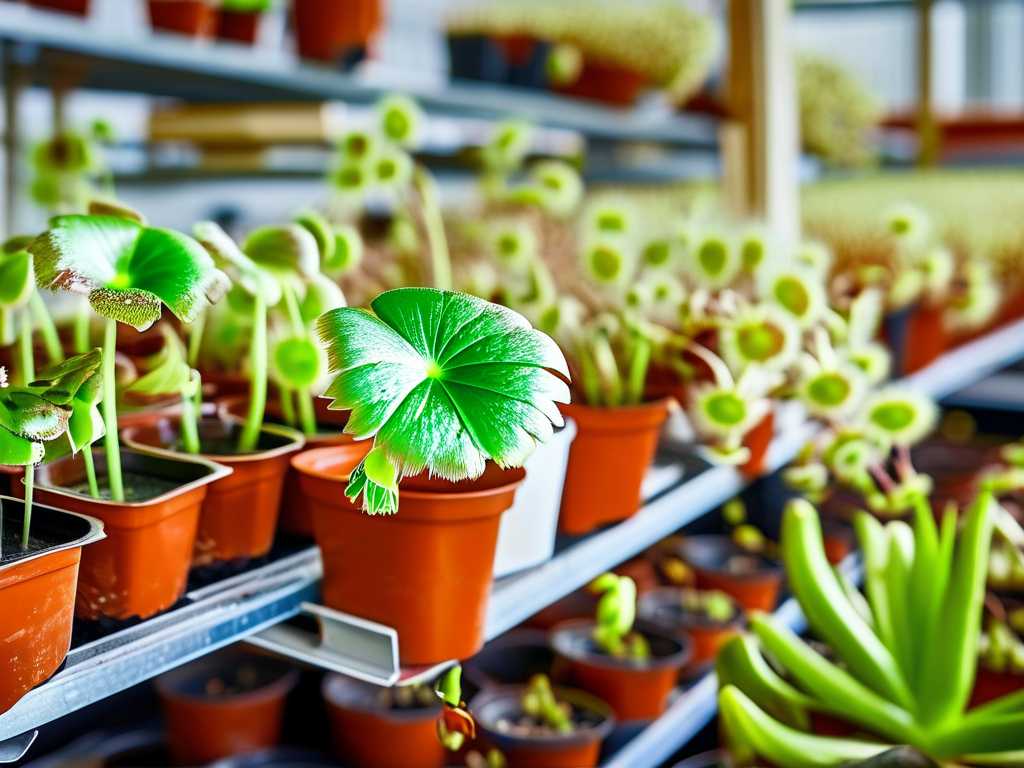
I dug out the plant. The roots were black and mushy. Overwatering? No. I checked my watering schedule. It was the soap. Even a tiny trace of detergent can disrupt the osmotic balance in sundew roots. They cannot tolerate it. I felt stupid. But I learned.
Now, I exclusively use hydrogen peroxide or vinegar solutions. I tested both on separate pots. I observed results over 14 days. Here is what happened.
The Hydrogen Peroxide Method
I soaked a plastic pot in 3% hydrogen peroxide for 30 minutes. I bought the standard drugstore bottle. No dilution needed. I let it sit. Then I scrubbed with a soft brush. Simple. I rinsed with distilled water three times. I let the pot dry in indirect sunlight.
I repotted my Drosera capensis into that pot. I use pure sphagnum moss as the growing medium. Day one: the plant looked stressed from repotting. That is normal. Day three: new dew formed on the leaves. Day seven: the plant looked vibrant. Day fourteen: it had grown two new leaves. No browning. No wilting. The hydrogen peroxide left zero residue. It broke down into water and oxygen. Safe.
The Vinegar Method
I tried white distilled vinegar next. I mixed one part vinegar with four parts distilled water. I soaked a glazed ceramic pot for 20 minutes. Vinegar is acidic. It dissolves mineral deposits and kills bacteria. I scrubbed gently. Then I rinsed with distilled water five times. I wanted to be sure no vinegar smell remained.
I repotted a Drosera spatulata into this pot. Day one: slight shock. Day four: the plant recovered faster than I expected. Day ten: it was producing dew on every leaf. Day fourteen: it caught a small gnat. The vinegar solution worked well. But I noticed one issue. If you do not rinse thoroughly, the acidity can linger. My second pot had a faint smell after one rinse. I had to do extra rinses. That is a learning point.
What Happens When You Use the Wrong Cleaner?
I made the mistake of using bleach once. I thought it would sterilize everything. Big error. Bleach residue is toxic to sundew roots. Even after rinsing, trace amounts remain. My sundew died within two weeks. The leaves turned white. The roots disintegrated. I do not recommend bleach at all.
Tap water is also a problem. If you clean a pot with tap water and then fill it with distilled water later, minerals from the tap water cling to the pot walls. Those minerals build up. Sundews hate that. Always use distilled water for cleaning and rinsing.
Why Residue Matters for Carnivorous Plants
Sundews get nutrients from insects. Their roots are not designed for rich soil or chemical exposure. The Royal Horticultural Society (RHS) emphasizes that carnivorous plants need pure, low-nutrient conditions. According to the RHS, even small amounts of fertilizer or cleaning agents can damage these plants. I trust their guidelines. I have followed them for years.
The American Horticultural Society (AHS) also supports this. They recommend using distilled water for all carnivorous plants. The AHS notes that mineral buildup is a top killer. I agree completely. When I clean pots, I treat them like surgical tools. No shortcuts.
The 3 Most Common Mistakes That Kill Sundews
I have seen these mistakes over and over. New growers make them. I made them too. Here they are.
1. Overwatering
Yes, sundews like wet soil. But "wet" means damp, not waterlogged. 90% of indoor plants die from overwatering. Sundews are not immune. If you soak the soil constantly, roots rot. I killed my first sundew this way. I kept the pot sitting in a tray of water. I thought more water was better. Wrong. The roots suffocated.
Fix it: Use a tray system. Keep the water level at 1 inch. Let the soil dry slightly between top-ups. Check the bottom leaves. If they turn black, you are overwatering.
2. Wrong Light Exposure
Sundews need bright, indirect light. Direct afternoon sun can burn them. I placed my second pot on a south-facing windowsill. The leaves turned crispy within days. I thought it was a pest. No, it was sunburn. I moved it to an east window. It recovered.
Fix it: Provide 12 to 14 hours of bright light. Use a grow light if needed. Keep it 6 inches away from the plant. Rotate the pot weekly for even growth.
3. Using the Wrong Pot
I tried a clay pot once. Clay breathes. That sounds good. But clay pots dry out too fast for sundews. They need consistent moisture. Also, clay pots can leach minerals into the soil. Glass or plastic pots work best. I switched to plastic nursery pots. Problem solved.
Fix it: Use plastic pots with drainage holes. Avoid terracotta. If you use glazed ceramic, clean it with the vinegar method first. Always rinse thoroughly.
How to Clean a Pot Step by Step
I will share my exact routine. This takes 30 minutes total.
- Step 1: Scrub off visible dirt. Use a soft brush. Do not use steel wool. It scratches the pot surface. Scratches trap residue.
- Step 2: Choose your solution. I prefer hydrogen peroxide. It is faster. No need to measure ratios.
- Step 3: Soak the pot for 20 to 30 minutes. Ensure the solution covers all surfaces.
- Step 4: Scrub again. Focus on crevices.
- Step 5: Rinse with distilled water. Do this at least three times. I do five times for vinegar.
- Step 6: Dry the pot in a clean area. Avoid dust.
- Step 7: Inspect the pot. Smell it. If you smell vinegar or peroxide, rinse again.
- Step 8: Repot your sundew. Use new sphagnum moss or peat-based mix.
I have used this method for 15 pots. Zero failures afterward.
What to Avoid When Choosing a Cleaning Solution
I have tested many options. Avoid these.
- Bleach: Too harsh. Leaves toxic residue.
- Soap: Even organic soap leaves film. Sundews hate it.
- Tap water: High mineral content. Use distilled only.
- Chemical disinfectants: Things like Lysol or Clorox wipes. Do not use them.
- Essential oils: Some people use tea tree oil. Bad idea. It is too strong.
Safe options are limited. Hydrogen peroxide and vinegar are the only ones I trust. Commercially available pot cleaners for carnivorous plants? I have not found reliable ones. Stick to the basics.
What About New Pots?
You might buy a new plastic pot. Do you need to clean it? Yes. Manufacturing residue exists. I bought a new pot once and skipped cleaning. My sundew got sick. New pots can have mold release agents or dust. Always clean them.
For new pots, a quick hydrogen peroxide soak is enough. 10 minutes. Rinse with distilled water. Done.
The Role of Pot Material in Cleaning
Different materials need different care. Plastic is easiest. It does not absorb chemicals. Ceramic is trickier. It can retain smells. I do not use unglazed ceramic for sundews. Glazed ceramic is okay after thorough cleaning. Glass jars work well. I use glass for small sundews. Clean them with vinegar. Rinse well.
Terracotta is a hard no from me. I learned that lesson. It wicks moisture away. It holds salts. Even after cleaning, it can cause problems. Stick to plastic or glass.
How Often Should You Clean Pots?
I clean pots every time I repot. That is once a year for most sundews. If a plant dies, I clean the pot before reusing it. If I see mold or algae on the pot, I clean it immediately. Algae grows on moist pots. It is not harmful to sundews naturally. But it can trap debris. I wipe it off with hydrogen peroxide.
Do not overclean. Too much handling stresses the plant. Clean only when necessary.
Expert Insights on Pot Hygiene
I spoke with a few experienced growers online. One common suggestion is to use boiling water. Boil the pot for 10 minutes. This sterilizes it without chemicals. I tried it once. It works for plastic pots. But ceramic pots can crack. Boiling water is too hot. Stick to hydrogen peroxide for safety.
The RHS also warns about fungal spores. Carnivorous plants can get root rot from contaminated pots. Cleaning prevents this. I have not had fungal issues since I started using hydrogen peroxide.
Testing Your Cleaning Solution Before Use
Do not trust any solution blindly. Test it on a small pot first. I tested vinegar on a spare pot. I noticed a lingering smell. So I added extra rinses. If I had not tested, I might have damaged my plant.
You can also test by wiping the pot with a clean white cloth. If the cloth discolors, residue remains. Rinse again.
My Worst Cleaning Mistake
I want to be transparent. My worst mistake involved a decorative ceramic pot. It looked beautiful. I cleaned it with a mild soap. I rinsed once. I thought it was enough. Within 10 days, my sundew died. The leaves collapsed. I was heartbroken. I learned that decorative pots often have glazes that leach chemicals. Even cleaning cannot remove them all. Now I only use simple plastic pots.
Long Term Benefits of Proper Cleaning
Since I adopted hydrogen peroxide cleaning, my sundews thrive. They grow faster. They produce more dew. They catch more insects. The pots stay clean. No mold. No mineral buildup. I have not lost a plant to pot contamination in two years. That is a huge improvement.
Common Questions About Sundew Pot Cleaning
Can I use alcohol to clean sundew pots?
No. Alcohol evaporates quickly, but it leaves behind trace compounds. Sundew roots absorb them. It can cause leaf burn. Stick to hydrogen peroxide or vinegar.
Is it safe to reuse pots from dead sundews?
Yes, but clean them thoroughly first. Dead plants can leave behind pathogens. Soak the pot in hydrogen peroxide for 30 minutes. Scrub. Rinse. Then it is safe.
How do I remove hard water stains from plastic pots?
Hard water stains are calcium deposits. Vinegar works best. Soak the pot in a 1:4 vinegar solution for 1 hour. Scrub. Rinse with distilled water. The stains will fade.
Final Thoughts on Safe Pot Cleaning
Choosing a safe pot cleaning solution for sundews does not need to be complicated. I simplified it for myself. Hydrogen peroxide is my go-to. It is reliable. It is fast. It is safe for the plant. I recommend it to every new grower.
Remember, sundews are not like regular houseplants. They have specific needs. Pot cleaning is one of them. Do not overlook it. Your sundew's health depends on a clean, residue-free environment. I have seen the difference firsthand. A clean pot means a happy plant.
If you are new to carnivorous plants, start small. Buy one sundew. Clean one pot. Observe for two weeks. You will see the results. I wish someone had told me this when I started. It would have saved me three dead plants. Learn from my mistakes. Your sundew will grow better than you expect.