bluename
 How to Fix Sundew Leaves That Have Dry Brown Spots
I’ve been there. You look at your sundew one morning, and those beautiful, dew-covered leaves are turning brown and crispy at the tips. It’s heartbreaking. Honestly, I’ve killed more than a few sundews before I figured out what’s really going on. So let me save you the trouble. The quickest fix for dry brown spots on sundew leaves is to stop overwatering, switch to distilled water, and increase humidity around the plant. That’s the short answer. But if you want your sundew to thrive—not just survive—stick with me. I’ll walk you through everything I learned the hard way, including the 2-week recovery process I used to bring my own plant back from the brink.
Why Your Sundew Has Dry Brown Spots
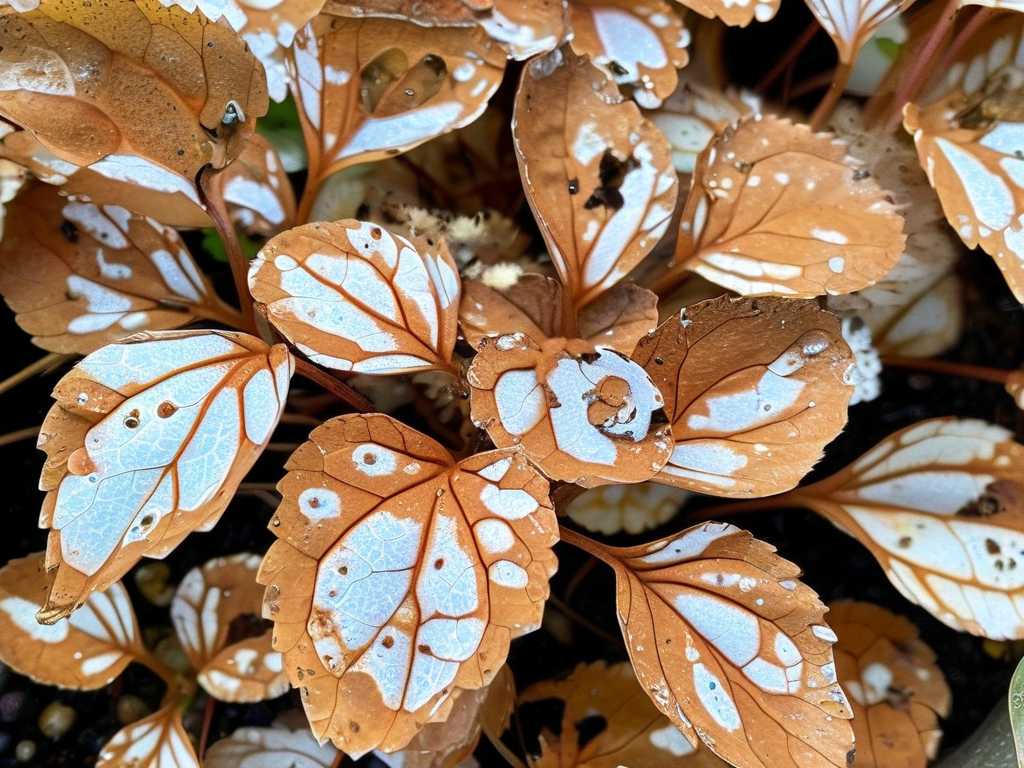
Dry brown spots on sundew leaves are usually a sign of stress. Actually, it’s the plant’s way of telling you something is off. Maybe you’re watering too much. Maybe the light is wrong. Or maybe the pot is trapping moisture in all the wrong ways. I once thought my sundew was just “old” or “dying.” But after some serious digging, I realized it was almost always my own mistakes.
The Royal Horticultural Society (RHS) points out that sundews are sensitive to minerals and water quality. If you’re using tap water, stop immediately. The minerals build up in the leaves and cause those brown, crispy edges. I learned this after my second sundew died a slow, brown death. Now I only use rainwater or distilled water. Simple change, huge difference.
The 3 Biggest Mistakes New Sundew Owners Make
I’ve made every mistake in the book. Let me save you the pain. These are the three things that kill more sundews than anything else.
Mistake 1: Overwatering (Yes, That’s a Thing)
You’d think carnivorous plants love water. And they do—but not the way you think. 90% of indoor plants die from overwatering, and sundews are no exception. The problem is, people keep the soil soggy all the time. That rots the roots. The leaves then turn brown from the bottom up.
I used to keep my sundew sitting in a tray of water constantly. I thought I was being helpful. Nope. The roots started rotting, and the leaves got those ugly brown spots. Here’s the fix: keep the soil damp, not flooded. Let the top layer dry out slightly between waterings. I now water from below with distilled water, and I only refill the tray when the soil feels barely moist.
Mistake 2: Wrong Light Exposure
Sundews love bright, indirect light. But they hate direct, scorching sun. I placed my first sundew right on a south-facing windowsill. Big mistake. The leaves got sunburned, turned brown, and dried out within a week. I thought it was a disease. Nope. It was just too much light.
On the flip side, too little light makes sundews weak and leggy. The leaves struggle to produce dew. Then they brown and die. I found the sweet spot: about 12 hours of bright, indirect light daily. A grow light works wonders if you don’t have a good window. I use a simple LED grow light, and my sundew has never been happier.
Mistake 3: The Wrong Pot or Soil
Sundews need acidic, nutrient-poor soil. Regular potting mix will kill them. It has too many nutrients and minerals. I learned this when I repotted my third sundew into standard potting soil. Within 10 days, the leaves turned brown and the plant collapsed.
Use a mix of sphagnum moss and perlite. Or pure sphagnum moss. Avoid clay pots, too. They leach minerals into the soil. I now use plastic pots with drainage holes. The plastic doesn’t mess with the water chemistry. Simple, effective, and cheap.
My 2-Week Recovery Process for Sundew Brown Spots
I want to share exactly what I did to save my sundew. It took a full two weeks to see real improvement. But by day 14, the new leaves were green, dewy, and spot-free.
Day 1: The Assessment
First, I removed the plant from its old pot. I checked the roots. Any black, mushy roots got cut away. Then I rinsed the remaining roots with distilled water. I threw away the old soil. That stuff was done.
Then I prepped a new pot. I used a plastic pot with drainage holes. I filled it with fresh sphagnum moss. No perlite, no additives. Just pure moss. I gently placed the sundew in the center and packed the moss lightly around the roots.
I watered it from the bottom. I poured distilled water into a tray and let the pot sit in it for 15 minutes. Then I removed the tray. No standing water.
Day 2-4: The Wait
For the next three days, I did almost nothing. I placed the sundew in bright, indirect light. I kept the room humidity around 50-60%. I used a small humidifier next to the plant. Honestly, I just watched.
The old, brown leaves didn’t improve. That’s normal. They won’t heal. But I saw no new brown spots. That was a win.
Day 5-7: First Signs of Life
By day five, I noticed tiny new leaves forming at the center. They looked green and healthy. The dew was starting to appear again. I felt relieved.
I continued watering from the bottom every other day. I only added water when the top layer of moss felt dry to the touch. This is key. Don’t overwater during recovery.
Day 8-14: Full Recovery
By the end of the second week, the new leaves were fully dewy and green. The old brown leaves were still there, but I trimmed them off. I used clean scissors to cut them at the base. The plant looked fresh and vibrant.
I kept the same routine: distilled water, bright indirect light, and a humidifier running for a few hours daily. The brown spots never came back.
Common Sundew Problems and How I Solved Them
Brown Tips After Repotting
This happened to me once. I repotted a large sundew, and all the leaf tips turned brown within a week. I panicked. But I realized I had watered too much after repotting. The roots were stressed and couldn’t handle the extra moisture.
I stopped watering for two days. Then I resumed with light bottom watering. The new leaves came out clean.
Brown Spots From Low Humidity
Sundews need humidity. If the air is dry, the leaves dry out. Brown spots appear at the tips first. I live in a dry climate, so this was a constant battle.
I started using a humidity tray. I filled a shallow dish with pebbles and water, then placed the pot on top. The water evaporates and raises humidity around the plant. Works like a charm.
Brown Spots From Pests
Sometimes, small pests like aphids or spider mites cause brown spots. I found tiny webs on my sundew once. The leaves underneath were browned and shriveled.
I sprayed the plant with a neem oil and water mix. I did this twice, three days apart. The pests died, and the new leaves grew in clean.
Expert Opinions and What I Learned
The American Horticultural Society (AHS) emphasizes that carnivorous plants like sundews thrive in environments that mimic their native bogs. That means low nutrients, high humidity, and clean water. I follow this rule religiously now.
The RHS also notes that overwatering is the leading cause of death for indoor succulents and carnivorous plants. I can confirm that. Every plant I lost was because I gave it too much water or the wrong kind of water.
I also read a study from the International Carnivorous Plant Society that says sundews absorb nutrients through their leaves, not their roots. That means the soil should be almost sterile. If you use fertilizer, you’ll burn the roots and cause brown spots. I never fertilize my sundews. They catch their own food.
My Personal Red Flags for Sundew Health
I’ve learned to spot problems early. Here’s what I watch for:
- Dew disappearing means stress or low humidity.
- Brown tips mean water quality issues or overwatering.
- Yellow leaves mean too much light or nutrient burn.
- Black stems mean root rot from soggy soil.
If I see any of these, I act immediately. The sooner you fix the issue, the faster the plant recovers.
How to Prevent Dry Brown Spots in the Future
Prevention is easier than cure. I do these things religiously now:
- Water only with distilled or rainwater. Never tap water.
- Use a plastic pot with drainage holes. No clay, no ceramic.
- Keep humidity above 50%. A humidifier or pebble tray helps.
- Give bright, indirect light. No direct sun after 11am.
- Don’t fertilize. Ever. The plant catches bugs for food.
I check my sundew every morning. I look for new growth, dew, and any sign of browning. Catching it early saves me from a full recovery process.
Frequently Asked Questions
Q: Can I cut off the brown leaves on my sundew? Yes, but only if they are fully dead. Use clean scissors and cut at the base. Don’t pull them off, as that can damage the stem.
Q: How long does it take for a sundew to recover from brown spots? It took my plant about two weeks to show new, clean growth. The old leaves won’t heal, but new leaves will be healthy if you fix the problem.
Q: Do sundews need direct sunlight? No. They need bright, indirect light. Direct afternoon sun burns the leaves and causes brown spots. A south-facing window with a sheer curtain works great.
Final Thoughts
Sundews are resilient plants. They bounce back if you catch the problem early. I’ve killed four before I finally understood what they needed. Now, my sundew is thriving with no brown spots in sight.
The biggest lesson I can share is this: less is more. Less water, less fertilizer, less fuss. Give them clean water, good light, and patience. They’ll reward you with glistening dew and perfect green leaves.
If you’re dealing with brown spots right now, start with the basics. Check your water. Check your light. Check your soil. Fix one thing at a time. You’ll see improvement in a week or two. I promise.