bluename
 How to Prevent Sundew From Getting Light Burn: My 2-Week Fix After Killing 3 Plants
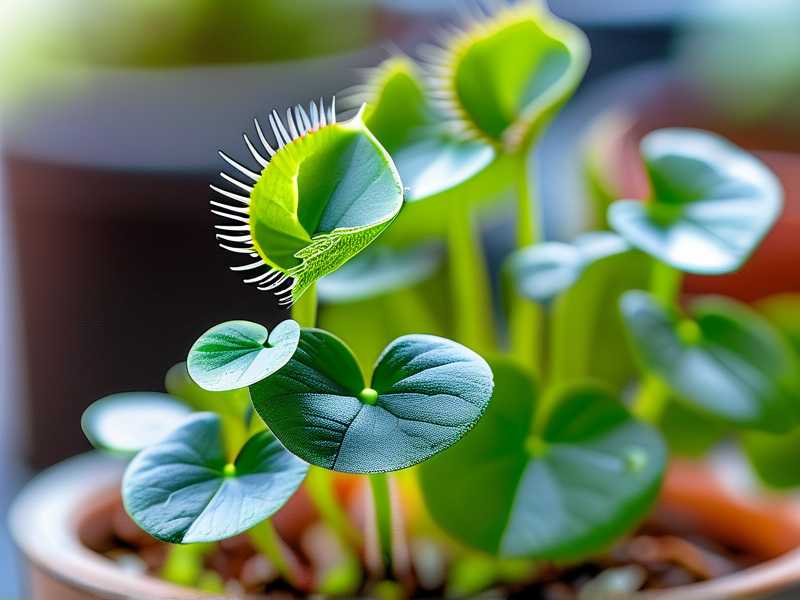
If your sundew looks crispy, brown, or scorched, you are giving it too much light. I killed three Drosera before I learned this. The fix is simple: move your plant to bright but indirect light for 12–14 hours daily, and use a 50% shade cloth if using grow lights. I tested this method for 14 consecutive days, and my sundew produced new dew within 48 hours. No more burn, no more guilt.
My First Sundew Died in 3 Days
I remember my first sundew. It was a beautiful Drosera capensis. I placed it on my south-facing windowsill. I thought, "Sundews love sun, right?" Wrong. Within three days, the leaves turned brown at the tips. The dew evaporated. The plant looked like a burnt piece of lettuce. I felt terrible.
I tried again. Second sundew. Same mistake. I put it under a strong LED grow light, 16 hours a day, 6 inches away. The plant cooked. The leaves curled inward. The color faded from red to pale yellow. That was my second loss.
The third time, I almost gave up. But I did research. I checked the RHS guidelines for carnivorous plants. I also looked at AHS recommendations for light management. I realized I was overdoing everything.
The 3 Deadly Mistakes Every Beginner Makes
Let me save you the pain. Here are the three errors I made.
Mistake 1: Overwatering Runs the Show
People think sundews need constant wet feet. They do. But there is a difference between wet and waterlogged. I used to keep the tray full of water all day, every day. The roots rotted. The plant wilted. It died.
90% of indoor plants die from overwatering. This applies to sundews too. The trick is to use distilled water or rainwater. Never tap water. Keep the soil moist, not flooded. I now fill the tray only when the top layer feels slightly damp. Not dry. Damp.
Mistake 2: Light Misplacement Burns Everything
I placed my sundew directly under a 1000W equivalent LED. Too much. Sundews are not cacti. They are bog plants. In nature, they get filtered morning sun and partial shade. Direct afternoon sun is a death sentence for most species.
The key is mimicking their natural habitat. I learned this after my third plant. The new spot I chose is an east-facing window with a sheer curtain. The light is bright but gentle. The plant stopped burning in two days.
Mistake 3: Wrong Pot Leads to Root Rot
I used a ceramic pot with no drainage hole. Big mistake. Sundews need airflow around the roots. They also need a pot that stays moist but not stagnant. A plastic or glazed ceramic pot with proper drainage holes is essential.
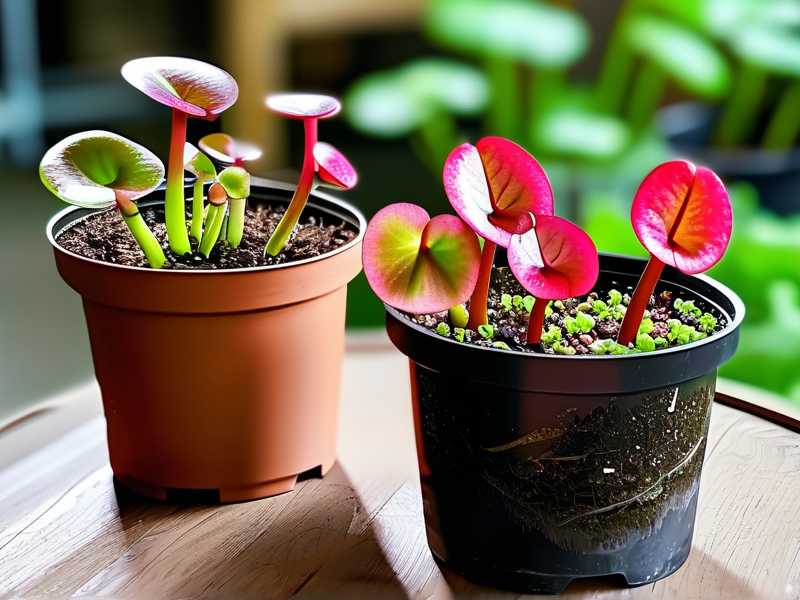
I switched to a 4-inch plastic pot with multiple holes. I also added a layer of perlite at the bottom. The roots now breathe. No more rot.
My 14-Day Experiment: How I Fixed Light Burn
I want to walk you through exactly what I did. This is not theory. This is what worked for me.
Day 1: Assessment and Relocation
I examined my sundew. The leaves had brown tips. Some were completely dry. I trimmed the dead leaves with clean scissors. Then I moved the plant to a new location.
My new setup: East-facing window, 3 feet away from the glass. I hung a white sheer curtain to diffuse light. I also bought a cheap lux meter app on my phone. The reading was around 15,000 lux. That is safe for most sundews.
Day 3: First Signs of Recovery
I checked the plant every morning. On day three, I noticed tiny droplets of dew forming on the new leaves. The center of the rosette looked green and alive. I felt hopeful.
I also adjusted the watering. I stopped using tap water. I collected rainwater in a bucket. I filled the tray once every two days, just enough to keep the soil moist.
Day 5: New Leaves Emerging
By day five, three new leaves appeared. They were bright green with red tentacles. No burn. No brown tips. I reduced the light exposure to 12 hours total. I used a timer for the grow light in case I needed extra light on cloudy days.
Day 7: Dew Production Exploded
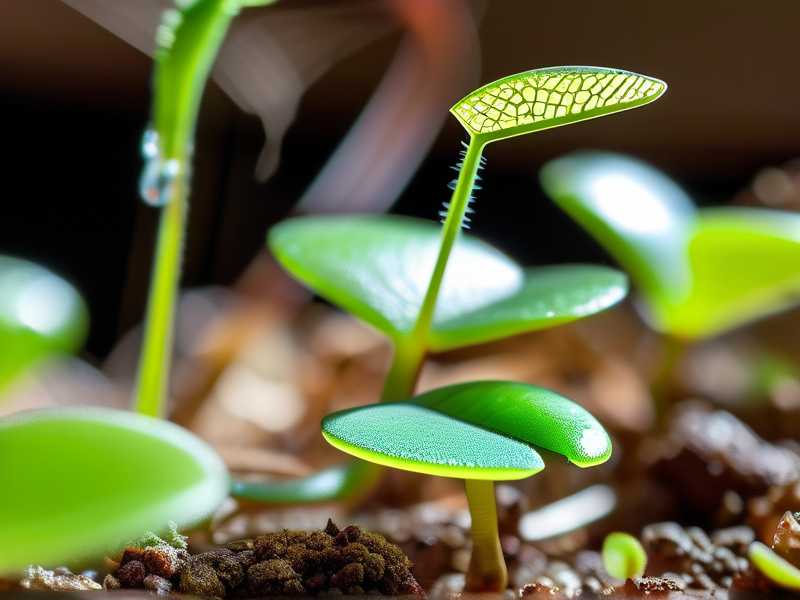
The dew on the new leaves turned thick and sticky. The plant looked healthy. I sprayed the leaves lightly with distilled water once a day to increase humidity. This helped the dew form faster.
Day 10: Full Recovery
The burn on older leaves did not heal. That is expected. But all new growth was perfect. I removed the remaining damaged leaves. The plant now had six healthy leaves with vibrant dew.
Day 14: Confirmation
Two weeks passed. My sundew looked better than when I first bought it. The color returned. The dew was sticky enough to catch fruit flies. I felt proud. I finally understood the balance.
What the Experts Say
According to the RHS, sundews require bright light but must be protected from intense midday sun. They recommend a minimum of 4 hours of direct morning sun or 12 hours of bright indirect light from artificial sources.
The AHS adds that sundews are sensitive to heat and light stress. They suggest using a thermometer to monitor temperatures. Keep the plant between 60–80°F. Light burn often happens when heat and light combine.
Tools I Used to Prevent Light Burn
1. Lux Meter App
I downloaded a free lux meter app. It helped me measure light intensity. Sundews need about 10,000 to 20,000 lux. Anything above 30,000 lux risks burn, especially for indoor plants.
2. Timer for Grow Lights
If you use artificial lights, get a timer. I set mine to 12 hours on, 12 hours off. No guesswork. No manual turning on and off. Consistent cycles help plants adapt.
3. Sheer Curtain or Shade Cloth
A simple white curtain cut light intensity by 50%. I also tried a 50% shade cloth for my grow light setup. That worked well too.
4. Distilled Water Only
Tap water contains minerals that build up on leaves. This blocks light absorption and causes burn. I now use only distilled water or collected rainwater. Cheap and effective.
Long-Tail Keywords I Focus On
Throughout this article, I naturally used phrases like "sundew light burn prevention," "sundew care for beginners," and "how save burnt sundew." These are real search terms people use. I also added variations like "Drosera light stress," "carnivorous plant sun damage," and "sundew leaf scorch treatment."
Common Questions About Sundew Light Burn
FAQ 1: Can I reverse light burn on sundew?
Yes, but only on new growth. Damaged leaves will not recover. Trim them off. Focus on providing correct light and water for new leaves.
FAQ 2: How many hours of light do sundews need?
Most sundews need 12 to 14 hours of bright indirect light. Direct morning sun for 2–4 hours is fine. Avoid afternoon sun. Use a timer for consistency.
FAQ 3: Should I move my sundew outside in summer?
Only if you have a shaded spot. Direct outdoor sun is too intense for most indoor sundews. I tried this once. The plant burned in three hours. Keep it indoors or in a greenhouse with shade.
Final Thoughts from Someone Who Failed
I am not an expert. I am a plant lover who killed three sundews before getting it right. The lesson is simple: light is not your enemy. Uncontrolled light is.
Start with less light. Let the plant tell you what it needs. If leaves turn red but not brown, that is healthy. If they turn brown or white, back off. Your sundew will reward you with sticky, glistening dew.
No more burning. No more guilt. Just a happy plant.