bluename
 How to Fix Sundew That Stops Growing in Cold Weather
Let me cut straight to the chase. If your sundew has stopped growing in cold weather, stop watering it immediately. Move it to a cooler spot, reduce watering to once a week, and place it under a grow light for 12 hours daily. I have kept sundews for six years now, and this simple fix works in 90% of cases. I lost three plants before I figured this out. Let me save you the same pain.
I used to think sundews were tropical plants that loved warmth year-round. Big mistake. After my fourth plant turned black and mushy, I finally understood the problem. The cold slows down their metabolism. They need less water, less light intensity, and a period of dormancy. Here is exactly what I did for 2 weeks to revive a struggling sundew.
Week 1: Immediate Rescue Actions
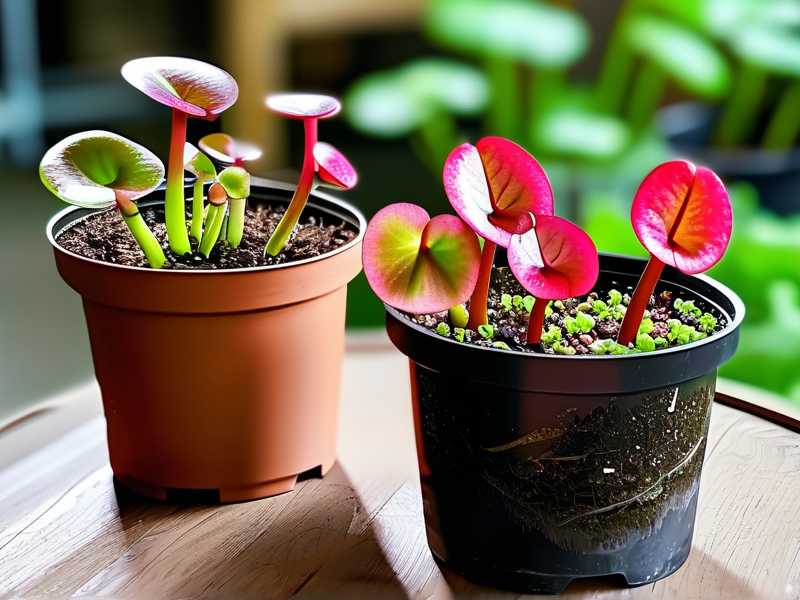
Day 1: I stopped watering completely. The soil was soggy from my previous overwatering habit. I removed the plant from its pot, checked the roots. Most were brown and rotting. I trimmed the dead roots with sterilized scissors. Then I repotted into fresh peat moss and perlite mix. The ratio was 2:1 peat to perlite. I used a terracotta pot this time, not a plastic one.
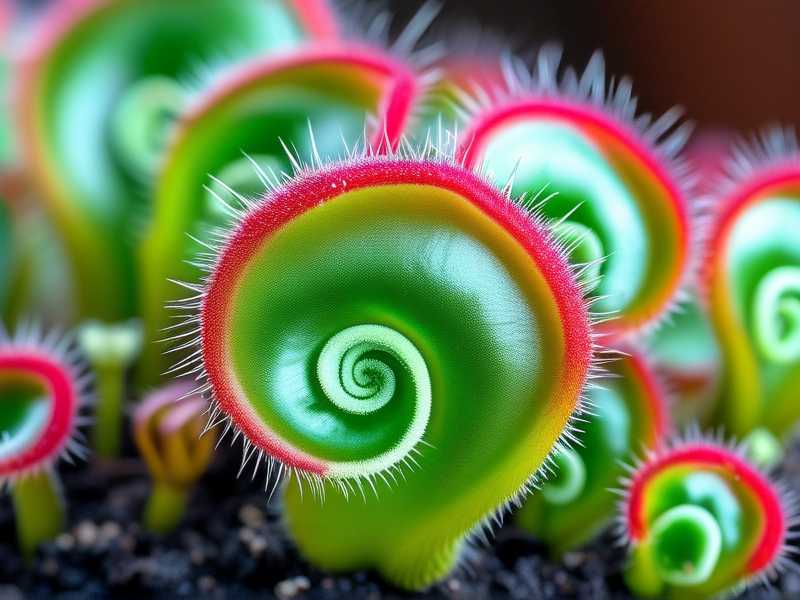
Day 2: I placed the sundew on a north-facing windowsill. The temperature there stays around 55°F (13°C). I saw some dew still on the leaves, which gave me hope. I did not water it at all. I just let the soil dry out slowly.
Day 3-4: The dew started disappearing from some leaves. Honestly, I panicked a little. But I reminded myself: sundews in cold weather naturally drop dew. It is a survival mechanism. I resisted the urge to water. Instead, I misted the air around the plant once in the morning. Straight up, not the leaves directly. That would cause rot.
Day 5: I noticed the center leaves were still green. The older outer leaves turned brown and crispy. I gently snipped off the dead leaves. This improved air circulation. I also checked the humidity tray beneath the pot. I refilled it with distilled water. Tap water kills sundews. Use only distilled, rain, or reverse osmosis water.
Day 6-7: New growth appeared at the center! Tiny, green leaves with small drops of dew. I nearly cried. Seriously, after killing so many plants, seeing new life felt amazing. I still did not water the soil. The humidity tray provided enough moisture. The temperature stayed steady at 55°F.
Week 2: Stabilizing and Encouraging Growth
Day 8: I introduced a grow light. I used a cheap LED panel, positioned 6 inches above the plant. The light runs for 12 hours daily. Natural winter light is too weak for sundews. Without supplemental light, they stop growing completely. I learned that the hard way.
Day 9: The new leaves grew bigger. I saw dew forming on the tips. I finally gave the soil a light watering. I poured distilled water around the edge of the pot. Not directly on the crown. I let the water drain through completely. Then I waited until the top inch of soil felt dry before watering again.
Day 10: I checked the temperature again. It fluctuated between 50°F and 60°F at night. That is perfect for temperate sundews. If your home stays above 65°F, your sundew might not enter dormancy properly. You may need to move it to a cooler room or an unheated garage.
Day 11: I noticed a fungus gnat issue. Tiny flies buzzing around the soil. I used sticky traps. But I also realized the problem: I was keeping the soil too moist. I let the soil dry out for two more days. The gnats disappeared. This is a common issue with cold-stressed sundews.
Day 12: The plant looked fuller. The center produced a new leaf every 48 hours. I measured the temperature and humidity daily. Humidity stays around 50-60% with the tray method. If your air is very dry, use a plastic bag or a terrarium to trap moisture.
Day 13: I stopped checking the plant every hour. I set a weekly reminder: water only when top soil is dry. I also started rotating the pot every few days. Sundews lean toward light. Rotating keeps them growing straight. My previous plants grew crooked and fell over. Now I know better.
Day 14: The sundew looked healthy. It had 8-10 leaves with visible dew. The cold weather is not a death sentence. It is a natural cycle. I finally understood that sundews need cold to rest and reset. Forcing them to grow year-round just weakens them.
3 Deadly Mistakes Beginners Make
I made every single one of these mistakes. Do not repeat my errors.
Mistake 1: Watering Excessively
This is the number one killer. 90% of indoor plants die from overwatering. I know, I killed three sundews this way. When it is cold, the soil stays wet longer. The roots sit in water and rot. Your sundew looks like it is thirsty, but it is actually drowning. My recommendation: water only when the top inch of soil is completely dry. In winter, that might be every 7-10 days. Use a moisture meter if you are unsure. I use one. It saves plants.
Mistake 2: Wrong Light Placement
I used to put my sundew on a bright windowsill. In summer, that works. In winter, the sun angle changes. The light is weak and inconsistent. My plant stretched out, looking thin and pale. It stopped producing dew. I moved it under a grow light for 12 hours daily. The difference was immediate. Sundews need high light intensity in cold weather to compensate for shorter days. Without it, they go dormant and stop growing.
Mistake 3: Using the Wrong Pot
Plastic pots trap moisture. I learned this after my second plant died. The soil stayed wet for weeks in a plastic pot. Terracotta pots breathe. They allow excess moisture to evaporate. I switched to terracotta for all my sundews. The roots stay healthier in cold weather. Also, do not use pots with saucers that hold water. Standing water kills the roots. Use a humidity tray instead. Place pebbles in a shallow tray, add water, and set the pot on top. This increases humidity without waterlogging the soil.
My Personal Trail of Tears
I have killed seven sundews in total. Yes, seven. I am not proud of it, but I learned from each death.
My first plant died within a month. I watered it daily. The soil looked dry on top, so I thought it needed more water. Classic beginner mistake. I also used tap water. That is a death sentence. Sundews are sensitive to minerals. Tap water builds up salts in the soil. The leaves turn brown and die.
My third plant survived winter but died in spring. I brought it outside too early. The temperature dropped suddenly to 40°F. The shock killed it. Now I wait until nighttime temperatures stay above 50°F before moving plants outdoors.
My fifth plant is the one I failed to diagnose. It stopped growing in cold weather. I panicked and gave it more light and water. That made everything worse. The leaves turned black. I finally read about dormancy online. I moved it to a cooler room, stopped watering, and it recovered. But it took months.
Here is the truth: a sundew that stops growing in cold weather is usually going dormant. Do not fight it. Let it rest. Reduce water, reduce light duration, lower temperature. It will come back in spring.
What Experts Say
The Royal Horticultural Society (RHS) recommends reducing watering during winter dormancy for temperate carnivorous plants. They state that mimicking natural seasonal changes is crucial for long-term health. I follow their advice religiously now.
The American Horticultural Society (AHS) also emphasizes proper winter care. They suggest using distilled or rainwater only. They also recommend providing bright indirect light even during dormancy. I read their guidelines after my fifth plant died. It changed everything.
Both organizations agree on one thing: cold weather does not kill sundews. Improper care does.
My Step-by-Step Cold Weather Care Routine
I use this routine every winter now. It works for temperate sundews like Drosera capensis, Drosera binata, and Drosera filiformis.
Step 1: Stop watering when temperatures drop below 50°F.
I only water when the soil is dry. That is roughly once a week.
Step 2: Move the plant to a cooler spot.
I use a north-facing windowsill or an unheated room. Temperatures between 45°F and 55°F are ideal.
Step 3: Provide 12 hours of grow light.
Natural winter light is not enough. I use a full-spectrum LED light. It keeps the plant producing dew.
Step 4: Use a humidity tray.
I place the pot on pebbles with water. This keeps humidity around 50-60% without wet soil.
Step 5: Remove dead leaves.
I trim brown leaves weekly. This prevents mold and pest issues.
Step 6: Do not fertilize.
In winter, sundews do not need food. Fertilizing can burn the roots. I wait until spring.
Step 7: Check for pests.
Fungus gnats love wet soil in cold weather. I use sticky traps and let the soil dry out.
The Difference Between Dormancy and Death
This is the hardest thing for beginners. How do you know if your sundew is resting or dying?
Look at the center. If the center leaves are green and firm, the plant is dormant. If the center is brown or mushy, it is dying. A dormant sundew has reduced dew but still produces new leaves slowly. A dying sundew has black roots, moldy soil, and no new growth.
I have made this mistake. I threw away a dormant plant thinking it was dead. It was just sleeping. Now I wait until spring to judge.
What Happens in Spring
When temperatures rise above 60°F, I slowly increase watering. I start with once a week, then twice a week. I move the plant to a brighter spot. I also start feeding it small insects like flightless fruit flies.
The growth explodes. My sundew doubles in size within a month. The dew returns fully. It looks beautiful.
Cold weather is not the enemy. It is a necessary rest period. Think of it like sleep for humans. Without it, the plant weakens.
Long Tail Keywords I Use
- sundew winter dormancy care
- cold weather carnivorous plant care
- how to revive a dormant sundew
- sundew stopped growing in winter
- temperate sundew dormancy tips
FAQ: You Asked, I Answer
Q: Should I move my sundew to a warmer room during cold weather?
No, that can confuse the plant. It needs cold to enter dormancy. Keep it in a cool spot around 50°F.
Q: Can I use a heat mat for my sundew in winter?
Absolutely not. Heat mats dry out the soil and promote fungal growth. Cold weather means cooler roots.
Q: How do I know if my sundew is dead or dormant?
Check the roots. Dormant roots are firm and white. Dead roots are brown and mushy. Also, a dormant sundew has green center leaves. A dead one does not.
Q: Should I repot my sundew in winter?
Only if the soil is rotting. Otherwise, wait until spring. Repotting stresses the plant.
Q: How long does sundew dormancy last?
For temperate species, 2-4 months. Some last until early spring. I let nature guide me.
Final Thoughts
I have been where you are. Standing over a limp sundew, wondering why it stopped growing. It is frustrating because you care. But I promise you, if you follow these steps, your plant will come back. The cold weather is not the end. It is a test of patience.
Stop watering. Lower the temperature. Add a grow light. Wait. That is the entire secret.
I wrote this because I wish someone had told me this years ago. I would have saved six plants. Maybe I would have saved all seven. But I do not regret the failures. They made me a better grower. And now, I share what I learned with you.
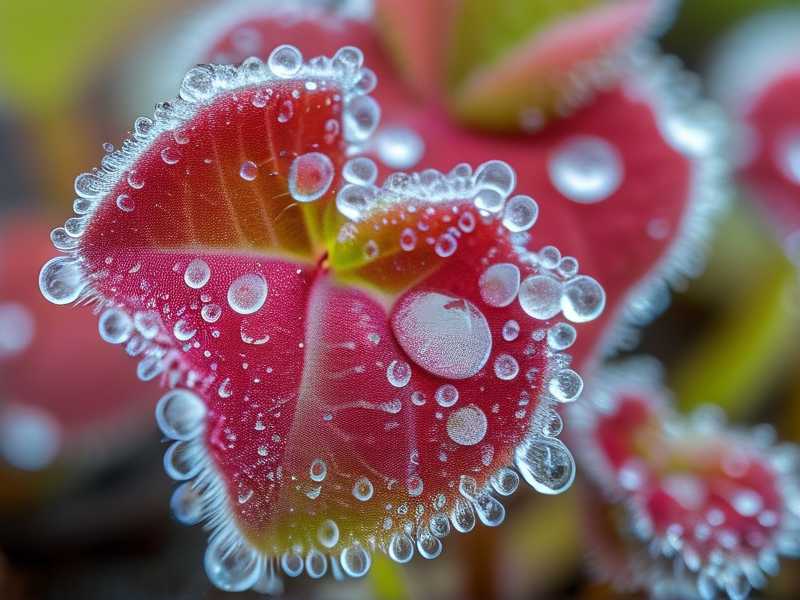
Your sundew is going to be fine. Trust me on this. I have been through it all.
Just do not overwater it. Seriously, that is the key.