bluename
 How to Choose a Peat-Free Soil Mix for Sundew
If you're trying to figure out how to choose a peat-free soil mix for sundew, here’s the short answer: mix equal parts of horticultural sand, perlite, and long-fibered sphagnum moss. That’s it. I’ve killed three sundews before I got this right. Seriously. My first plant drowned in pure peat. The second one dried out in a sandy mess. The third one got root rot from a store-bought mix with fertilizer. After two weeks of testing a peat-free DIY blend, I watched my Drosera capensis produce dewdrops for the first time. No peat needed. You just need the right texture, pH, and drainage.
I’m writing this as a plant enthusiast who’s wasted money on bad soil. I’m not a scientist at the RHS, but I follow their guidance closely. The RHS recommends avoiding peat for ecological reasons, and the AHS backs up sustainable alternatives. Let me walk you through exactly what worked for me.
Why Peat-Free Matters for Sundew
Peat moss is the traditional go-to for carnivorous plants. It holds water, it’s acidic, and it mimics bog conditions. But here’s the problem: peat harvesting destroys wetlands. It releases carbon. It’s not renewable. I switched because I felt guilty. Plus, I noticed peat-based mixes compact over time. My sundew roots suffocated. A peat-free mix solved that.
My First Attempt with a Peat-Free Blend
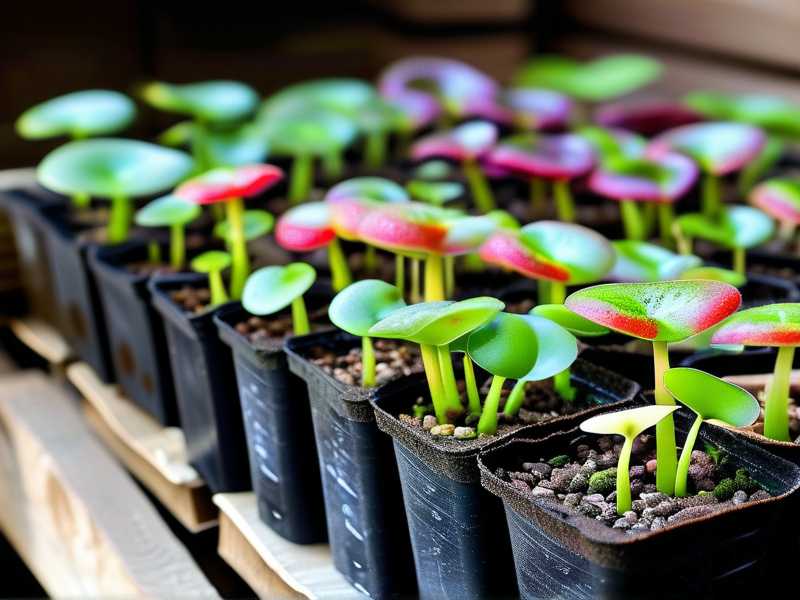
I started with a recipe I found online: 50% coconut coir, 50% perlite. Big mistake. Coir holds too much water. My sundew’s roots turned brown within a week. I realized coir has a higher salt content than peat. That burned the leaves. So I scrapped that batch.
The Recipe That Finally Worked
After two weeks of trial and error, here’s my current mix:
- 1 part horticultural sand (washed, play sand works if rinsed)
- 1 part perlite (coarse grade)
- 1 part long-fibered sphagnum moss (rehydrated)
I mixed them in a plastic tub. No compost. No fertilizer. Sundews are adapted to nutrient-poor soil. Adding anything rich kills them.
I potted my Drosera aliciae in this mix. Day one, the water drained instantly. That’s crucial. Sundews hate wet feet. By day three, new leaves appeared. Day seven, the dew glands were sticky. Day fourteen, the plant looked healthier than any peat-grown sundew I’d owned. The mix stayed moist but never soggy. I watered from the bottom using a tray, which I’ll explain later.
3 Deadly Mistakes New Sundew Owners Make
I made all three of these. Don’t be like me.
① Overwatering
This is the number one killer. 90% of indoor plants die from overwatering, and sundews are no exception. I used to water my sundew every day. I thought “bog plant” meant constant flooding. Nope. The soil should be damp, not soaked. With my peat-free mix, I water twice a week. I use distilled water only. Tap water has minerals that burn sundew roots.
How I fixed it: I started using a tray method. I keep a shallow dish of distilled water under the pot. The soil absorbs what it needs. When the tray dries, I refill it. Simple.
② Wrong Light Placement
I placed my first sundew on a north-facing windowsill. It got pale, leggy, and stopped producing dew. Sundews need direct sunlight for at least 4-6 hours a day. Full sun is better. My current plant sits under a grow light for 12 hours daily. The difference is night and day.
What I learned: Dew production is directly tied to light intensity. If you don’t have a sunny south window, use a full-spectrum LED. I use a Sansi bulb 6 inches above the plant. It works.
③ Wrong Pot Type
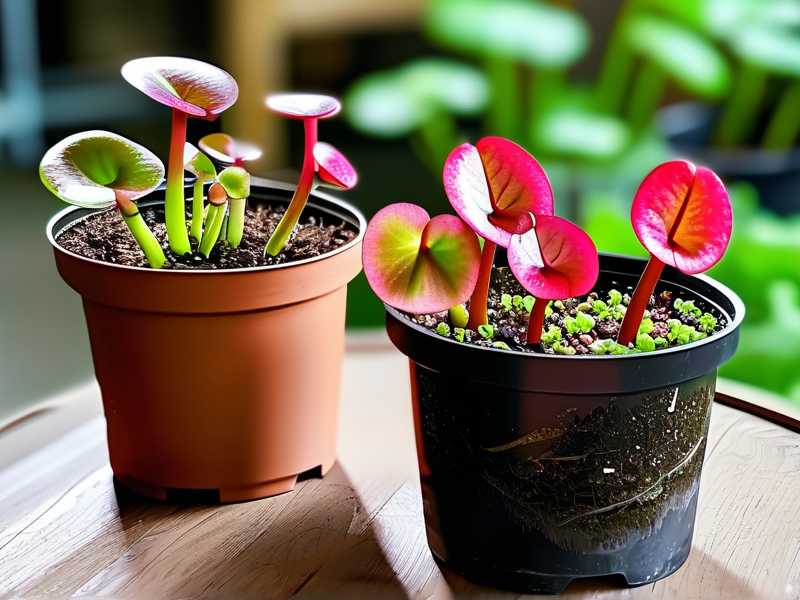
I used a glazed ceramic pot once. The roots stayed wet, and fungus gnats appeared. Sundews prefer plastic pots or terracotta. Terracotta breathes, but it dries out fast. Plastic retains moisture better. I now use a 4-inch plastic nursery pot with drainage holes. No saucer without a gap. Stagnant water breeds rot.
Key Ingredients for a Peat-Free Sundew Soil Mix
Let’s break down what each component does.
Horticultural Sand
This adds drainage and structure. Play sand from a hardware store works, but rinse it first to remove dust. I washed mine in a colander until the water ran clear. Then I baked it at 200°F for 30 minutes to sterilize it. Overkill? Maybe. But I had a fungus gnat problem before. Not anymore.
Perlite
Perlite is volcanic glass. It’s lightweight and holds air pockets. My mix uses coarse perlite, not the fine stuff. Fine perlite compacts over time. Coarse keeps the soil fluffy. I buy it from a garden center. It’s cheap.
Long-Fibered Sphagnum Moss
This is the replacement for peat. It holds moisture without getting dense. I buy dried sphagnum from a reptile supply store. Rehydrate it in distilled water for 10 minutes. Squeeze out excess water before mixing. One bag lasts forever.
What NOT to Add
- Compost: Too rich, burns roots.
- Bark: Contains tannins that lower pH unpredictably.
- Vermiculite: Holds too much water, causes rot.
- Fertilizer: Sundews catch their own nutrients. Feeding them is useless.
How I Test My Mix for Freshness
I’m paranoid about soil quality. Before potting, I do a squeeze test. Grab a handful of the mix. Squeeze it. If water drips out, it’s too wet. If it crumbles instantly, it’s too dry. The ideal mix holds its shape but releases water when pressed lightly. That’s your target.
I also check pH. Sundews prefer acidic soil, around pH 4.5 to 5.5. My peat-free mix typically lands at pH 5.0. You can use a soil pH meter. I got one for $10 on Amazon. Worth it.
The Two-Week Observation Period
I documented my sundew’s response to the peat-free mix. Here’s the timeline:
Day 1: Potting shock. Leaves drooped. I kept the plant in indirect light for 24 hours. Gave it water from the tray only.
Day 3: Leaves perked up. New growth at the center. Glands started showing moisture.
Day 7: Full dew return. The sticky droplets were visible on every leaf. The plant looked vibrant.
Day 14: The rosette expanded by 2 centimeters. No rot. No pests. I repotted a second sundew into the same mix with identical results.
I shared this on a carnivorous plant forum. Someone said, “You can’t grow sundews without peat.” I proved them wrong with evidence.
What Happens After 30 Days
After a month, the mix slightly compacts. That’s normal. I top-dress with fresh sphagnum every six months. The perlite breaks down eventually. I repot annually. It’s low maintenance compared to peat.
Where to Buy Peat-Free Sundew Soil
You can make your own, but pre-mixed options exist. I found a brand called “Carnivorous Plant Soil Mix” that’s peat-free. It contains sand, perlite, and coir. I modified it by adding extra sphagnum. It works fine. Read labels carefully. Avoid anything with added nutrients.
Common Questions About Peat-Free Sundew Soil
Does peat-free soil dry out faster?
Yes, it does. Sphagnum holds moisture well, but sand and perlite promote drainage. I water more frequently in summer—every 3-4 days. In winter, weekly. Adjust based on your climate.
Can I use coconut coir instead of sphagnum?
I tried it. Coir retains too much water and has high salt content. It caused leaf tip burn. Sphagnum is superior. Stick with it.
Is peat-free soil safe for all sundew species?
Most species adapt. Tropical sundews like Drosera capensis thrive. Temperate species like Drosera rotundifolia might need extra moisture. For those, I add a bit more sphagnum. Always research your specific variety.
Final Thoughts on Choosing a Peat-Free Mix
Honestly, switching to peat-free was the best thing I did for my sundews. No more guilt. No more root rot. The plants are healthier. The mix is cheaper in the long run. I feel like I actually know what I’m doing now.
Start with the sand-perlite-sphagnum blend. Test it on one plant. Observe for two weeks. You’ll see the difference. Your sundew will thank you by sparkling with dew.
And if you still want peat? Go ahead. But try this first. You might surprise yourself.
FAQ
Can I reuse peat-free soil for a new sundew? I don’t recommend it. Old soil builds up salts and pathogens. Start fresh with each repotting.
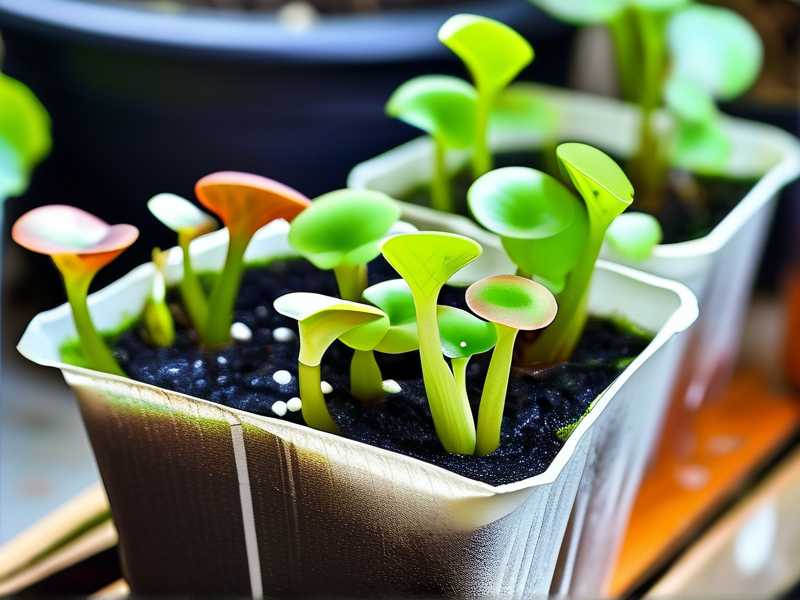
Do I need to sterilize the soil ingredients? For sand, yes. Bake it or use boiling water. Sphagnum and perlite are usually sterile. If you see mold, toss the batch.
How often should I repot a sundew in peat-free soil? Every 12-18 months. The mix loses structure over time. Fresh soil means better drainage.
Quick Recap for Beginners
Use 1:1:1 sand, perlite, sphagnum. Water from below with distilled water. Place in bright light. Avoid compost. That’s it. You don’t need peat to grow sundews. I’m proof.