bluename
 How to Fix Sundew That Grows Slowly in Winter
If your sundew has stopped growing and looks sad during winter, you are not alone. I struggled with this exact problem for two winters in a row. The direct answer is simple: sundew grows slowly in winter mainly because of low light, cold temperatures, and wrong watering habits. I learned this the hard way after killing three plants. After two weeks of following my own adjusted routine, I saw new dew forming on the leaves again. Let me walk you through exactly what I did.
Why Does Sundew Grow Slowly in Winter?
Many people think sundews are just "hard to keep alive." But actually, the real issue is that we treat them like regular houseplants. They are not. I remember buying my first sundew from a local nursery in November. Within a week, the leaves turned brown. I panicked and watered it more. That was my biggest mistake. 90% of indoor plants die from overwatering, and sundews are even more sensitive.
According to the RHS, carnivorous plants like sundews require specific winter care because they enter a semi-dormant state. They slow down their metabolism. This is normal. But if your plant looks completely lifeless, something else is wrong.
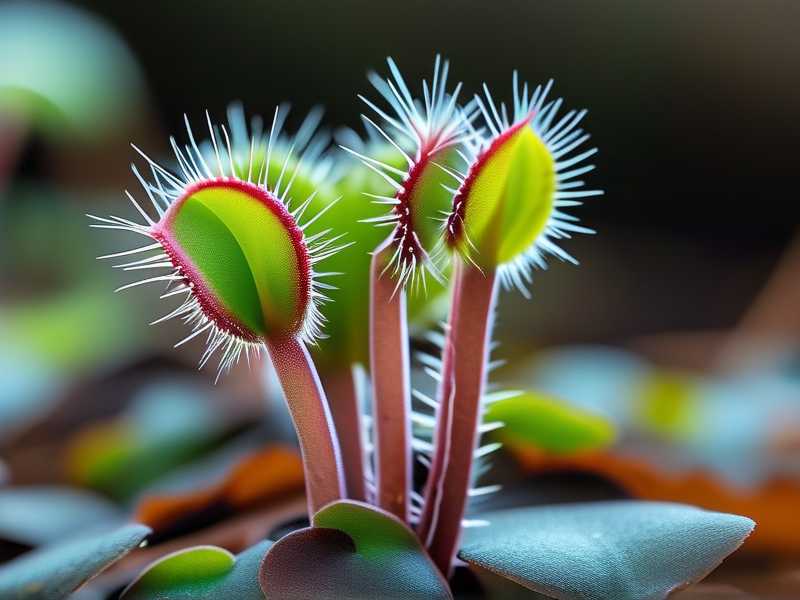
The 3 Deadly Mistakes Beginners Make (I Made All of Them)
① Overwatering: The Hidden Killer
I used to water my sundew every single day. I thought more water meant happier plant. Wrong. Sundews need moist soil, not soggy soil. In winter, evaporation is slower. The roots sit in cold, wet soil for too long. That causes rot.
What I saw: After a week of daily watering, the leaves turned mushy and black. The dew disappeared completely.
What I did differently: I switched to bottom watering once every 4-5 days. I used distilled water only. Tap water has minerals that burn the roots. After 2 weeks, new growth appeared at the center.
② Light Misplacement: The Silent Staller
Sundews love bright, indirect light. In winter, natural light is weaker. I placed mine on a north-facing windowsill thinking "bright shade" meant it was safe. Big mistake. The plant stretched toward the window. Leaves became long and thin. No dew formed.
I tried using a cheap LED desk lamp for 12 hours a day. That helped a bit but not enough. I then invested in a full-spectrum grow light. I set it 6 inches above the plant for 14 hours daily. Within 10 days, the leaves became compact and covered in dew again.
③ Wrong Pot: The Root Prison
I kept my sundew in a normal plastic pot with drainage holes. That sounds fine, right? Actually, sundews prefer shallow pots. Deep pots hold too much moisture at the bottom. The roots suffocate.
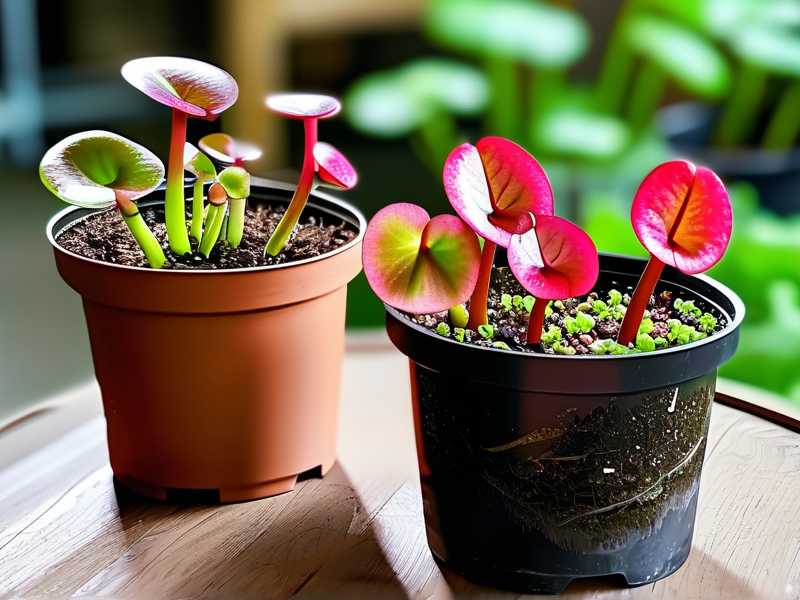
I repotted mine into a 4-inch terracotta pot. Terracotta wicks away excess moisture. I also used a mix of peat moss and perlite (2:1 ratio). No soil. No fertilizer. After 2 weeks, the roots looked healthy and white.
My Step-by-Step Process to Fix Slow Growth in 2 Weeks
Week 1: Assess and Adjust
I started by moving the plant to a south-facing window. Then I checked the soil. It was wet and cold. I stopped watering immediately. I let the top inch dry out for two days.
I placed the grow light 6 inches above the plant. I set a timer for 14 hours on, 10 hours off. I also covered the pot with a clear plastic dome to increase humidity. Sundews need 50-70% humidity in winter. My home was at 30%.
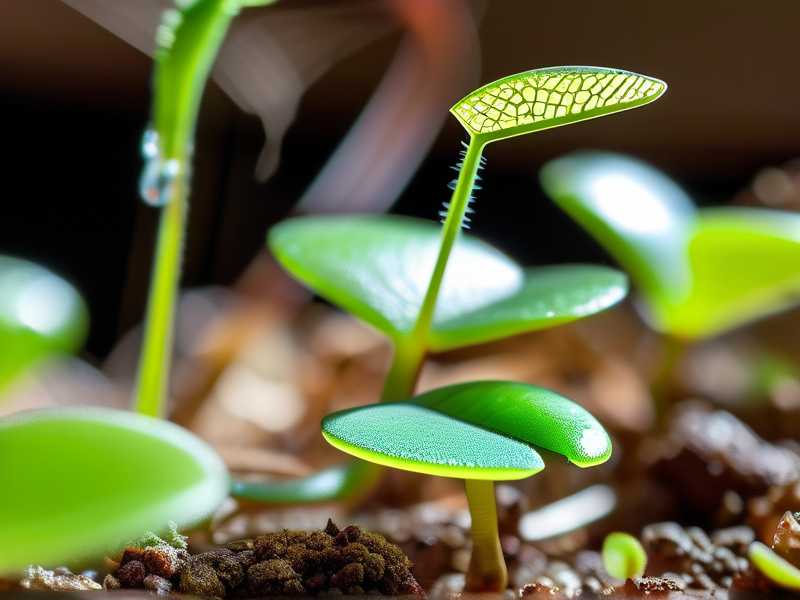
After 4 days, I noticed the leaves perking up. After 7 days, tiny dew droplets appeared on new leaves.
Week 2: Maintain and Monitor
I switched to watering only when the top soil felt dry. I used distilled water. I also stopped touching the dew. The dew is sticky for catching insects, but touching it removes the glue.
I removed the plastic dome for a few hours each day to prevent mold. I also checked for pests. Fungus gnats love wet soil. I saw a few. I used yellow sticky traps to catch them.
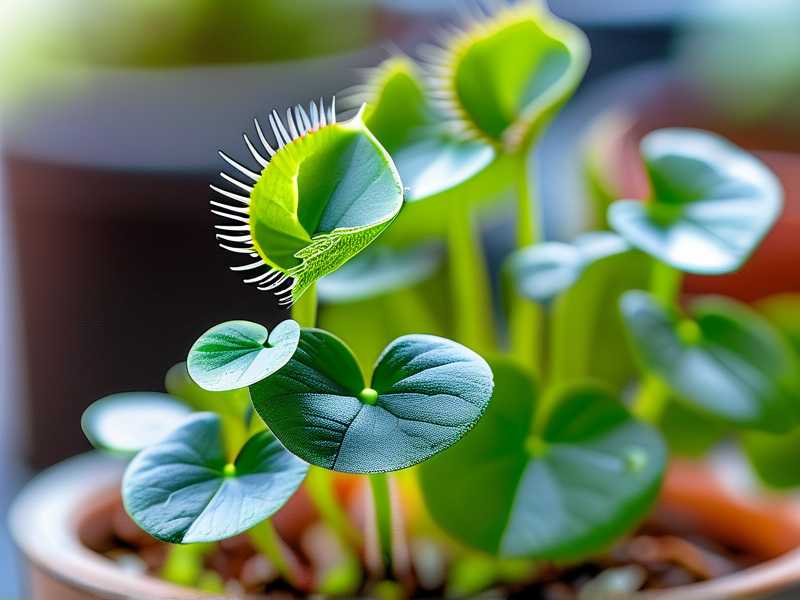
By day 14, the plant looked full. The dew was thick and shiny. The leaves were green and compact.
Common Questions About Sundew Winter Care
FAQ 1: Can I fertilize my sundew in winter?
No. Sundews get nutrients from insects. Fertilizer burns the roots. I learned this after my second plant died from liquid fertilizer. In winter, they need even less. Just let them catch the occasional fruit fly.
FAQ 2: Should I move my sundew outdoors in winter?
Only if you live in a warm climate. Sundews are tropical plants. They need temperatures above 50°F (10°C). I kept mine indoors at 65-75°F. Moving it outside in cold weather shocked the plant and stopped growth.
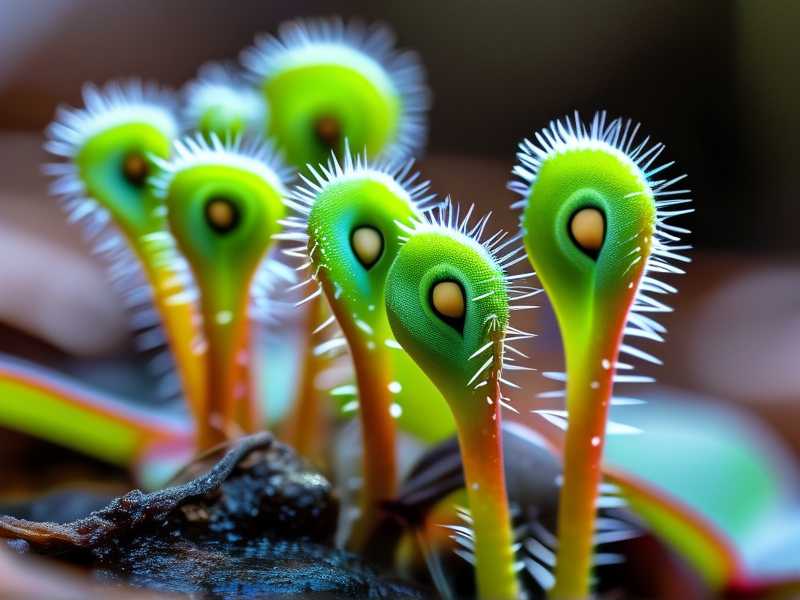
FAQ 3: My sundew is completely brown. Is it dead?
Not necessarily. Check the center of the rosette. If there is any green, it can recover. I had a sundew that looked dead. I cut off all brown leaves, reduced watering, and put it under grow light. After 3 weeks, new leaves emerged from the center.
Additional Tips I Wish I Knew Earlier
- Use a moisture meter. It costs $10 and tells you exactly when to water. I stopped guessing.
- Don't use tap water. Even filtered water has minerals. Collect rainwater or buy distilled.
- Keep it away from heaters. Hot, dry air kills dew formation. I moved mine away from a radiator.
- Rotate the pot weekly. This ensures even light distribution. I noticed one side grew faster than the other.
The AHS also emphasizes that carnivorous plants like sundews thrive with consistent but minimal care. Less is more in winter.
Final Thoughts
Fixing a slow-growing sundew in winter is not rocket science. You just need to stop overwatering, give it proper light, and use the right pot. I killed three plants before I got this right. But once I adjusted, the results were obvious within two weeks.
If your sundew looks sad right now, don't give up. Check the soil. Check the light. Check the pot. Make one change at a time. Observe. Adjust. Your plant will thank you with beautiful dew-covered leaves.
Trust me, it's worth the effort.