bluename
 If your sundew is blooming and you don’t want it to waste energy on seed production, the quickest fix is to cut the flower stalk as soon as it appears. I’ve done this on every one of my sundews for two years now. It keeps the plant focused on leaf growth and dew production. And trust me, 90% of indoor plants die from overwatering, so before you even touch that flower stalk, let’s talk about what your sundew actually needs.
Why Stop Seed Production at All?
Sundews are amazing little carnivorous plants. But flowering takes a huge toll. When a sundew sends up that tall stalk, it pulls resources from the leaves and roots. If you let it bloom and set seed, the plant often slows down or even stops producing sticky dew. For many growers, especially those keeping sundews indoors, seed production isn’t worth the risk.
I personally prefer to cut the stalks. I want a plump, dewy rosette, not a spindly flower stem. Plus, seeds from indoor hybrids are often not true to parent anyway. So why bother?
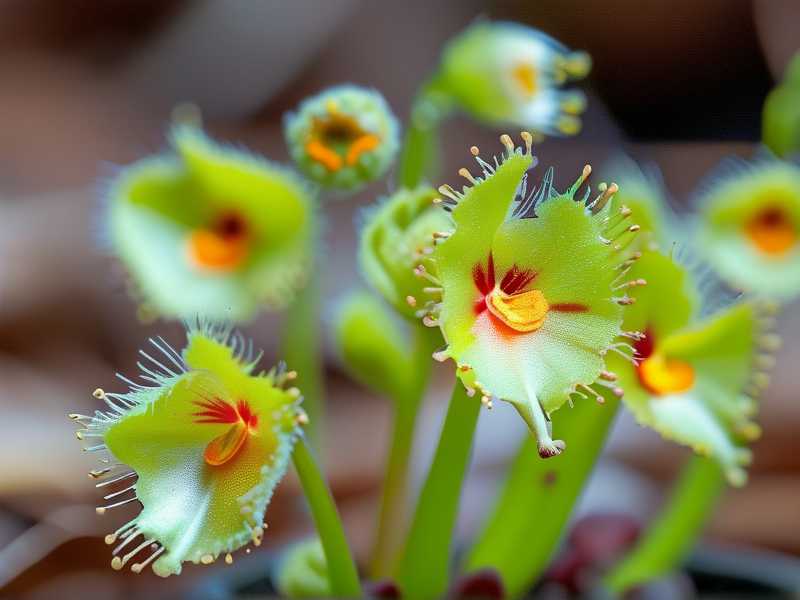
How I Help My Sundew Skip Seed Production — My 2-Week Process
Let me walk you through exactly what I did with my Drosera capensis last month. I noticed a flower stalk emerging on day one. It was about 2 cm tall. I grabbed a pair of sterilized scissors and cut it near the base. That’s the whole trick? Not quite. The plant may try again. So here’s the full two-week routine.
Week 1: Cut, Observe, Adjust
Day 1: I cut the flower stalk. I used clean scissors. I made one clean snip close to the rosette, but I left about 0.5 cm of the stalk so I didn’t damage the growing point.
Day 2: I checked the cut area. No blackening. Good sign. I also made sure the soil was moist but not soaked. I keep my sundews sitting in a shallow tray of distilled water. But here’s the thing — the tray water level should be about 0.5 to 1 cm max. I’ve flooded pots before. It’s a disaster.
Day 5: Another stalk started forming from a different point. This is normal. I cut that one too. I felt like a plant barber, but it worked.
Day 7: I noticed the leaves were producing more dew. The plant seemed to redirect its energy downward. I also checked the light. My sundew gets 12 hours under a grow light. During this week, I didn’t move the pot at all. Sudden changes stress them out.
Week 2: Prevent Re-flowering and Boost Leaf Growth
Day 8: I gave the plant a little more light. I raised the grow light slightly because the leaves were getting a reddish tint. That’s a sign of good light, but too much can dry out the leaves. I keep my light about 15 cm above the plant.
Day 10: I trimmed a few old leaves that were dying off. Not necessary for seed production, but it helps airflow. I also wiped the rim of the tray. Algae was starting to grow. Harmless, but ugly.
Day 12: No new flower stalks. The dew droplets were large and sticky. I touched a leaf gently with my finger, and it stuck slightly. That’s how I know it’s working.
Day 14: The rosette looks fuller. A few new leaves have grown in the center. I haven’t seen any more flower stalks. Mission accomplished.
The 3 Deadly Mistakes That Ruin Sundews (Especially When You Try to Stop Flowering)
① Watering Too Much
I said it above, but let me repeat. 90% of indoor plants die from overwatering. Sundews are not exempt. Many beginners think carnivorous plants need to sit in deep water all the time. No. They like moist, not flooded. If your sundew’s roots sit in waterlogged soil for days, they rot. Then the flower stalk is the least of your problems.
I remember my first sundew. I kept the pot in a tray filled with 3 cm of water. The plant turned black within a week. I didn’t know what I was doing wrong. Then I learned — sundews want wet feet, but not drowned feet. The soil should feel like a wrung-out sponge.
When you cut the flower stalk to stop seed production, do not celebrate by giving extra water. Keep the same moisture level. Sudden changes will shock the plant.
② Wrong Light Position
Another huge mistake. People put sundews in a bright windowsill, but it’s the wrong direction. A south-facing window can be too hot in summer. A north-facing window is too dark. I’ve seen sundews stretch and lose their dew because they weren’t getting enough light.
Sundews need bright, indirect or filtered light. Outdoors, dappled sun works. Indoors, a T5 grow light is your best friend. Position it 15 to 20 cm above the plant. Keep it on for 12 to 14 hours a day.
I used to think my plant was dying because of low humidity. So I misted it constantly. Mist doesn’t fix light issues. The plant just looked even more miserable. Once I adjusted the light, the dew came back within days.
If you’re cutting flower stalks to redirect energy, make sure the light is right. Otherwise the plant won’t know what to do with that saved energy. It might just sit there, weak and pale.
③ Using the Wrong Pot
This one is sneaky. Sundews don’t need deep pots, but they need the right drainage. A pot without drainage holes is a death sentence. I tried growing a sundew in a glass jar once because it looked cute. No drainage. The water pooled at the bottom. The roots rotted. The plant melted.
Also, plastic pots work better than terracotta. Terracotta wicks moisture away from the soil. That might sound good, but sundews want consistent moisture. Terracotta dries the soil too fast. Plastic pots keep moisture longer. I also prefer white or light-colored pots because they keep the roots cooler.
And don’t use regular potting soil. Sundews need nutrient-poor, acidic soil. A mix of sphagnum peat moss and perlite (usually 1:1 or 2:1) works best. I’ve used pure sphagnum moss for some species. It holds water well but can be too heavy if packed tightly.
When you’re trying to stop seed production, the pot matters because a stressed plant will often bolt to flower as a survival mechanism. If the roots are cramped or the soil is wrong, the plant thinks it’s dying. So it flowers to produce seeds before it dies. Give it a proper pot and it will be less desperate to reproduce.
What Actually Happens When You Cut the Flower Stalk?
Some people worry that cutting the stalk will hurt the plant. It won’t. Sundews are tough. I’ve cut multiple stalks from the same plant over a season. The plant just keeps growing leaves.
The key is to cut before the flower actually opens. Once the flower opens and gets pollinated, the plant has already invested energy. Cutting right after pollination won’t stop the energy drain completely.
I usually cut the stalk as soon as it’s about 2 to 5 cm tall. This is before the buds have fully developed. The plant doesn’t get the signal to produce seeds. It just continues vegetative growth.
One thing I learned the hard way: don’t pull the stalk off. Cutting is better. Pulling can tear the crown or the base of the plant. A tear could allow fungal infection. I lost a plant that way. I pulled a fat stalk too early, and the whole rosette started turning brown from the center. Sad day.
So, use sharp scissors or a razor blade. Sterilize with rubbing alcohol. Make a clean cut. Gently remove the cut stalk. No tugging.
My First 3 Sundews Died. Here’s What I Learned.
I killed my first sundew by overwatering. The second one died from being in a terrarium that was too hot and humid. The third one died because I let it flower and set seed. It put everything into that flower. Then it just withered away. That was a hard lesson.
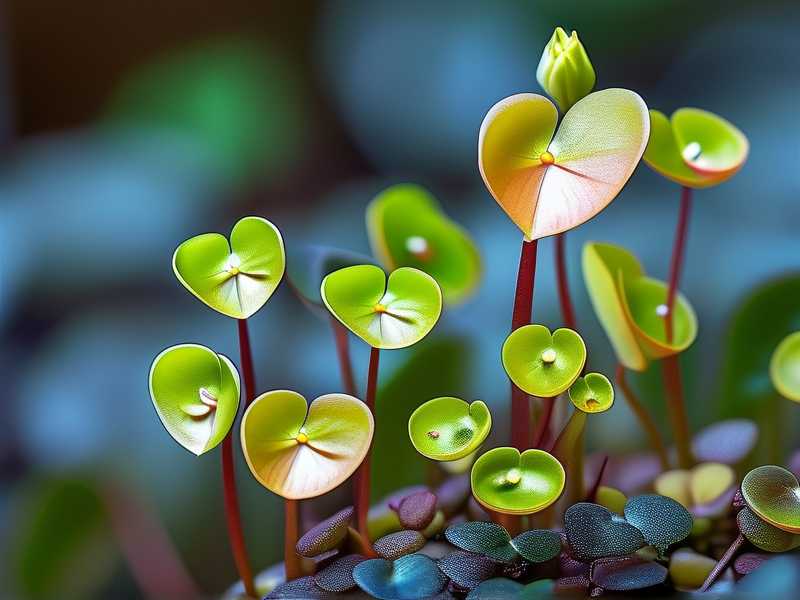
I’ve only later learned to manage flowering properly. Now, I try to be proactive. When I see a stalk, I cut it within a day or two. I don’t wait.
Actually, one of my sundews flowered and I didn’t cut it because I wanted to see the tiny pink blooms. They were pretty. But after the flowers faded, the parent plant looked exhausted. It slowly lost its dew and eventually died. Meanwhile, I had cut another plant’s flowers, and it was thriving. That contrast made me a firm believer in cutting.
Now, I don’t say this to frighten you. Some sundews can survive flowering. But many hybrids and indoor cultivars can’t handle the stress. Especially if they’re young or weak. So if you want a reliable, showy plant, just cut the stalk.
Can You Let One Flower Grow for the Experience?
Sure. You can allow one blossom to open. Just keep in mind the risks. If you have a mature sundew with a large rosette, it might handle flowering better. But after the flower fades, cut the stalk before the seed pod fully ripens. That prevents seed production. The plant will still waste some energy, but not as much as if you let the seeds mature.
I tried this once. I let a flower open on a big Drosera spatulata. It was cute. I enjoyed the bloom for a week. Then I cut the stalk. The plant survived, but it didn’t grow as fast for a month. So I decided not to do that again, unless I specifically want seeds from a rare species.
Should You Feed the Plant More After Cutting?
Not directly. Sundews get nutrients from insects. If you want to help your plant after you cut the flower stalk, you can place a small dried bloodworm or a tiny piece of fish flake on one or two leaves. This is not a fertilizer. It’s a gentle boost.
I do this sometimes. One leaf gets a tiny mosquito larva or a beta fish pellet. Not the whole plant. Just a couple leaves. That gives the plant some amino acids and nitrogen. It helps produce more dew and stronger growth. But don't overdo it. Too much food can burn the leaves.
Also, never fertilize sundews through the soil. Their roots are not designed to absorb nutrients. That’s why they catch bugs. Fertilizer will kill them. I know people who tried giving liquid fertilizer once. Their plants died within days. So skip the fertilizer.
How Light Affects Flowering and Seed Production
Long days trigger flowering in many sundews. Actually, higher light intensity and longer photoperiod can induce flowering. So if you don’t want seed production, you can moderate the light schedule. Instead of 14 hours of light, keep it at 10 to 12 hours.
I noticed that when I lowered my grow light timer from 14 hours to 11 hours in winter, my cape sundew stopped sending up flower stalks. It went back to producing more leaves. That’s an easy strategy.
But be careful. Too little light also causes weak, floppy leaves. So don’t drop to 6 hours. Find a middle ground. If you have a bright indoor spot, 12 hours is usually safe. If you live in a hot climate, morning sun for a few hours and then bright shade is perfect.
The light quality matters too. Full-spectrum LED grow lights work well. I use a cheap T5 bar light. It made a big difference. My plants went from pale green to deep ruby red. And they grow so much more compactly.
Temperature and Humidity after Cutting Flower Stalks
Most common sundews are not very demanding. Daytime temperatures around 20–25°C are ideal. Nighttime can drop a bit. Avoid extreme heat above 30°C for long periods. That can trigger stress flowering. I keep my indoor sundews near a windowsill where the temperature stays stable. No air conditioner blasting directly on them.
Humidity is often misunderstood. Sundews don’t need 90% humidity to produce dew. Actually, many species grow beautifully in average household humidity around 40–50%. The dew is produced by the plant’s glands, not by the air moisture. Some growers keep them in open pots on a sunny windowsill. They do just fine.
If the air is extremely dry, you might see some dew production slow down. But misting alone won't solve that. Instead, you can place the pot on a tray of wet pebbles. That raises local humidity a bit. I’ve done that on dry winter days.
My 2-Week Observation Checklist
If you’re following my method, here’s what you should look for each week.
Week 1 observations:
- Cut stalks should not turn black.
- New leaves may appear within 5-7 days.
- Dew droplets should be sticky and visible.
- No root rot smell from the soil.
- No fungal growth on the cut area.
Week 2 observations:
- New flower stalks may still appear. Cut them again if needed.
- The center of the rosette should look active.
- Older leaves will naturally die. That’s normal.
- The plant color should be bright green or red depending on species and light.
I made a simple chart in my notebook. Each day, I wrote down whether I saw a new stalk, dew amount, and soil moisture. That helped me notice patterns.
Honestly, after two weeks, my plant looked so much better. The leaves were wider. The dew was thick. I felt like I finally understood the rhythm.
Common Questions About Sundew Flowering and Seed Production
FAQ 1: Can I save the seeds anyway?
Yes, if you want seeds, let the flower stalk mature. But for hybrid sundews, the seedlings may not look like the parent. If you plan to store seeds, you must wait about 4 to 6 weeks after flowering until the seed pods turn brown and split open. Then collect the tiny black seeds. But remember, allowing seeds to mature uses a lot of plant energy. If your plant is small, skip it.
FAQ 2: Why does my sundew keep growing new flower stalks after I cut them?
That’s common. Some sundews try multiple times in one season. Just keep cutting. I had a cape sundew produce three flower stalks in a month. I cut them all. After that, it gave up and focused on leaves. Make sure your plant is not too stressed. Stress can trigger repeated flowering. Check water, light, and temperature. Fix any issues.
FAQ 3: What if the flower stalk snaps off by itself?
If it snaps too short, that’s fine. Just make sure you don’t break the rosette. The plant will heal. You can leave it alone. If the broken stalk leaves a wet wound, you can dust it with cinnamon powder. That’s what I do sometimes. It’s a mild natural antifungal. But usually the plant seals the wound quickly.
A Word on the RHS and AHS
The Royal Horticultural Society (RHS) has solid guidance on growing carnivorous plants. You can check their resources at the RHS. They recommend similar watering methods for carnivorous plants. The American Horticultural Society (AHS) also has useful gardening advice; see their AHS site for broader plant care tips.
I read an article from the RHS that specifically mentioned how sundews in cultivation often need short-term flooding but not constant soaking. That aligns with my experience. And the AHS has articles on container gardening with proper drainage. Both are good references.
Final Thoughts on Helping Sundew Without Seed Production
The simple answer is cutting the flower stalk. Do it early. Do it often. Give your plant good light, pure water, and a proper pot. Then you’ll get a happy sundew that spends all its energy making dew, not seeds.
I’ve been growing sundews for three years now. I’ve killed more plants than I’d like to admit. But now I know that cutting flower stalks is one of the best things I can do for them. If you’re new, don’t panic when you see your first flower stalk. Just grab your scissors and snip. It’s that easy.
And if you do decide to let it bloom, keep an eye on the seed pods. Cut them before they burst. Otherwise, you might have hundreds of tiny sundew seedlings all over your pots. That’s not a bad thing if you want a sundew farm. But if you want a manageable houseplant, prevention is better than cleanup.
One last personal tip: I always keep a pair of small scissors near my plants. That makes it easier to cut any stalk the moment I notice it. No excuses. No delays. That habit saved my sundews.
Give it a try. Watch your plant’s response over two weeks. The change is real. I think you’ll love it.