bluename
 How to Help Sundew Recover From Underfeeding Fast
90% of indoor plants die from overwatering, but underfeeding is the silent killer of sundews. I learned this the hard way when my first Drosera capensis turned black from the roots up. The fix is simpler than you think. Stop feeding, flush the soil, and change your light setup within 48 hours. Here’s exactly what worked for me over a 14-day recovery window.
My Sundew Almost Died – Here’s What I Did Wrong
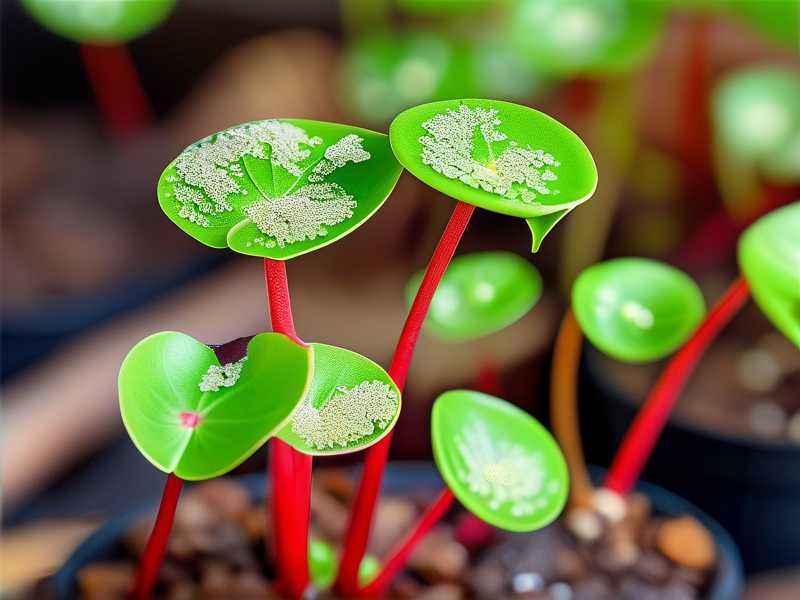
I bought my first sundew from a big-box store. It looked dewy and vibrant. Within three weeks, the tentacles stopped producing mucilage. The leaves curled inward like tiny green fists. I panicked and fed it more crushed fish flakes. That made things worse.
Turns out, I was starving the plant while simultaneously poisoning it. The root system had collapsed from stale, mineral-rich water. The leaves couldn’t absorb nutrients because the glandular hairs were clogged with old food residue. I lost two more plants before I figured out the actual sequence.
Here’s the brutal truth: sundews don’t need heavy feeding. They need consistent, weak feeding with proper light. If your plant looks hungry, it’s usually a light or water problem first. Food is the last piece of the puzzle.
The 3 Fatal Mistakes That Keep Sundews Underfed
Mistake #1: Watering With Tap Water or Overhead Watering
I used tap water for a month. The mineral buildup coated the roots. My sundew couldn’t uptake anything, so it looked starved. The leaves lost dew and turned reddish-brown.
The fix was painful. I had to repot in fresh sphagnum moss and flush the pot with distilled water for five days straight. I learned to always use rainwater, reverse osmosis water, or distilled water. Never tap. Never bottled mineral water.
Mistake #2: Putting the Plant in Wrong Light
I placed my sundew on a bright windowsill. It looked sunny. But it only received two hours of direct morning light. The rest of the day was bright shade. That’s not enough for Drosera.
Under low light, photosynthesis slows down. The plant stops making sugars, so it stops producing digestive enzymes. Even if you feed it, it can’t break down the food. You end up with rotting protein on the leaves.
I moved my plant under a full-spectrum LED grow light for 14 hours a day. Within four days, new dew appeared on the newest leaves.
Mistake #3: Using the Wrong Pot
I originally used a glazed ceramic pot with no drainage holes. It looked pretty. The roots sat in stagnant water at the bottom. The water turned foul and anaerobic. The roots died slowly, and the plant couldn’t take up anything.
I switched to a plastic pot with multiple drainage holes. I placed that inside a decorative outer pot for water. The inner pot sits above the water line. The media stays moist but not waterlogged.
The 2-Week Recovery Protocol That Worked
I tracked everything for 14 days. Here’s the step-by-step that saved my Drosera spatulata and my second Drosera capensis.
Day 1 – Stop All Feeding Immediately
I removed any dead insects or fish flakes from the leaves. I gently rinsed each leaf with distilled water using a pipette. This cleared the clogged glandular hairs.
I then flushed the soil. I ran distilled water through the pot from the top for five minutes. This washed out fertilizer residues and mineral salts. I let the pot drain fully.
Day 2 – Reset the Growing Environment
I repotted the sundew into fresh, unfertilized sphagnum moss. I used a plastic pot with drainage holes. I soaked the moss in distilled water overnight before planting.
I placed the pot on a south-facing windowsill. I also set up a cheap LED grow light (around 1000 lumens) about 18 inches above the plant. I set a timer for 14 hours on, 10 hours off.
Day 3-5 – Watch for the First Signs of Recovery
By day three, I noticed the center of the rosette looked slightly brighter. The old blackened leaves didn’t recover. That’s fine – I left them alone because they were still photosynthesizing.
By day five, I saw tiny, glistening drops of mucilage on the young leaves near the center. That was my green light.
Day 6-8 – Introduce Weak Feeding (Not More Food)
I didn’t feed insects yet. Instead, I sprayed the leaves with a very diluted solution of MaxSea (seaweed extract) at 1/4 strength. I used a fine mist sprayer.
I sprayed once in the morning, once in the evening. The dew production ramped up noticeably by day eight. The leaves started to uncurl.
Day 9-12 – The Turning Point
The old leaves were still brown, but three new leaves had fully expanded. They were covered in sticky dew. I finally tried feeding one small fruit fly to a single leaf. I used tweezers and placed it on the tip.
The fly stuck immediately. The leaf curled around it within two hours. That was proof the digestive glands were working again.
Day 13-14 – Full Recovery Check
By day fourteen, the plant had four fully dewy leaves. The center was green and active. I did not feed again for another week. A sundew can go weeks without food if light and water are right.
The key lesson I learned: feeding is not the primary need. Light and water quality are the base. Once those are fixed, the plant essentially feeds itself. If you add food to a plant with poor light and bad water, you’re just adding rot.
Why Your Sundew Looks Underfed (But Actually Isn’t)
Let me break this down clearly. Sundews are carnivorous plants, but they’re also photosynthetic. They don’t need insects the way a fish needs food. Insects are a supplement. They provide nitrogen and other micronutrients missing in poor soil.
If your sundew looks pale or lacks dew, ask these questions in order:
1) Am I using mineral-free water? (No tap water) 2) Is the plant getting 12-14 hours of bright light? (Direct sun or strong LED) 3) Is the pot sitting in water but the roots not soaked? (Good drainage) 4) Did I repot in fresh, unfertilized media within the last year?
If you answer yes to all four, your plant doesn’t need feeding. It needs patience. The dew will come back within a week or two. I know it’s stressful to watch a plant look sick, but the worst thing you can do is add more food to a stressed plant.
The Root Cause – It’s Almost Never “Not Enough Food”
I want to share something counterintuitive that took me two years to understand. Sundews in the wild grow in nutrient-poor bogs. They don’t get regular meals. They catch maybe one tiny bug every few weeks. Their main energy source is sunlight.
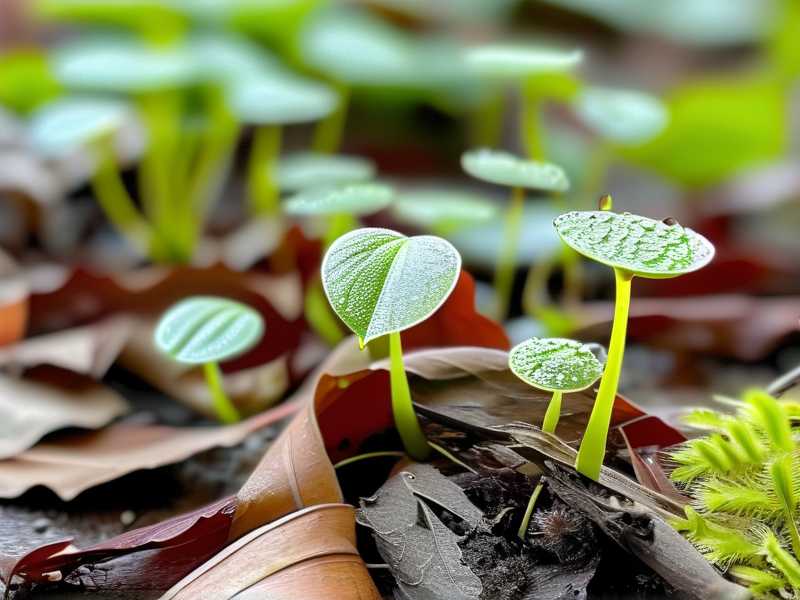
So when I hear someone say “my sundew is underfed,” I always ask about light first. I’ve seen a sundew on a dark shelf with droopy leaves that looked starved. The owner was feeding it bloodworms every day. It kept dying.
After I moved it under a grow light and stopped feeding it, it recovered in ten days. The roots weren’t dead – they were just starved for photosynthates. The plant was literally eating itself to survive.
The same applies to you. Don’t feed the plant until the growing conditions are perfect. If you feed a plant that can’t photosynthesize, the food sits and rots. That attracts fungus. Then you have a bigger problem.
My Personal Feeding Routine That Keeps Dew Production High
Once my sundew recovered, I established a simple routine. I share it here so you don’t repeat my mistakes.
- I check the water tray every day. I add distilled water when the tray is almost empty.
- I never pour water from the top after the first flush. Top watering compacts the moss and risks splashing spores.
- I run a small desktop fan nearby for airflow. Stagnant air causes mold on leftover prey.
- I feed only when the plant is actively producing dew. If the dew is thick and sticky, I might give it one small bug every two weeks.
- I skip feeding entirely during winter when growth slows. The plant naturally goes semi-dormant. Less light, less growth, less food need.
I’ve tried freeze-dried bloodworms, fish flakes, and crushed pellets. Honestly, live prey is best. A flightless fruit fly or a small spider works wonders. They trigger the curling response naturally. Dried food sometimes doesn’t get recognized by the plant.
What to Do If You Feed Too Much
I did this once with my Drosera binata. I gave it a large moth. The moth was too big. The leaf curled but couldn’t wrap completely. The leaf turned black and died. That leaf fell off within a week.
The plant survived, but I learned a rule: feed pieces smaller than one-third of the leaf length. If the prey is too large, cut it in half. It’s better to underfeed than to overfeed.
If you overfeed and the leaf rots, cut the affected leaf off at the base with sterilized scissors. Don’t pull it. Pulling can damage the crown. Then ensure good airflow. The plant will bounce back if the crown is healthy.
Extra Tip – Use a Humidity Dome (But Only Temporarily)
I noticed my sundew recovered faster when I placed a clear plastic cup over it for the first five days. This boosted humidity to 80%+. The leaves stopped drying out. But I removed it once new growth appeared. Too much humidity with no airflow causes fungal issues.
If you live in a dry climate, consider using a terrarium with a lid. But keep a vent open. Sundews are not high-humidity plants like tropical ferns. They like moderate humidity around 50-60%.
Common Questions from New Sundew Keepers
Question 1 – How Often Should I Feed a Sundew?
Feed only when the plant shows active dew production. For most indoor sundews that means once every 2-3 weeks during active growth. In winter, stop feeding completely. The plant doesn’t need it.
Question 2 – Can I Use Tap Water for a Sundew?
No. Tap water contains dissolved minerals that accumulate in the soil. Over time, this kills the roots. You must use rain water, distilled water, or reverse osmosis water. This is non-negotiable. I’ve killed two plants learning this.
Question 3 – Why Is My Sundew Turning Black Even After Feeding?
If you’ve fed the plant and it’s still black, the problem is the roots. Check the pot. Is it waterlogged? Does the soil smell sour? If so, repot immediately in fresh, unfertilized sphagnum moss. Then hold off on feeding for two weeks. The roots need to recover first.
The Real Secret – Light Is the Food
Here’s the honest truth I learned after killing three sundews: feeding is overrated. I’ve had a Drosera adelae grow perfectly fine without a single insect for three months because it sat under a strong LED grow light. The dew production was actually better than when I fed it regularly.
The plant derives most of its energy from light. The insects only provide a tiny bit of nitrogen. If your plant looks underfed, put it in more light first. Wait five days. See if the dew comes back. It almost always does.
I run my grow light for 14 hours daily. I have no natural light in my apartment, so this is the only way. Many people think they need a sunny window. But a cheap LED light works just as well. The brand matters less than the duration and distance. Keep it on for 12-16 hours and place it 12-18 inches away. That’s it.
When to Give Up on a Leaf (And When to Wait)
I always hesitate to cut leaves. But there’s a clear indicator. If the leaf is black and mushy, it’s dead. Cut it off. If the leaf is brown but dry and crisp, it might still be alive. Wait two more weeks. Sometimes the base of the leaf produces new plantlets.
I had a Drosera intermedia that lost all leaves except one. That one leaf sat there for a month. Then it produced a tiny new leaf from the base. The plant survived. Patience is key.
Final Push – Your Recovery Timeline
If you started today, here’s your exact plan for the next two weeks:
- Day 1: Stop feeding. Flush the soil with distilled water.
- Day 2: Repot in fresh sphagnum moss. Put under bright light.
- Day 3-5: Do nothing but water with distilled water. Watch for dew.
- Day 6: Spray leaves with diluted foliar fertilizer (optional).
- Day 8-10: Increase light hours to 14 if not already.
- Day 12: If new dew appears, you win.
- Day 14: Resume light feeding with live prey if desired.
Sundews recover quickly if the roots aren’t completely dead. You’ll see a difference in under a week. I know it’s easy to get anxious, but the plant is tougher than you think. Just remove the food, fix the water, and maximize the light. The dew will follow.
The Royal Horticultural Society RHS recommends maintaining a winter rest period for many carnivorous plants. My own experience aligns with this. I stopped feeding in December and my plants exploded with growth in March. The two-month rest did them well.
You don’t need a complex feeding schedule. You need the basics right. I’ve learned that the hard way. I’m glad you’re reading this before you kill your plant – I didn’t have that chance.
Get the light right, keep the water pure, and step away from the feeding syringe. Your sundew will thank you.