bluename
 If you have a sundew and a curious cat or dog, you are probably worried sick right now. The sticky traps look like toys to them. I get it. I lost my first Drosera capensis to my own cat, Whiskers, within 48 hours of bringing it home. Here is the blunt truth: 90% of indoor plants die from overwatering, but sundews get killed by pets through physical damage, soil digging, and toxic sap ingestion. The fastest solution is a physical barrier combined with strategic placement. Put your sundew in a tall terrarium with a mesh lid, or hang it from a ceiling hook your pet cannot reach. Do that today, before your plant becomes a chew toy.
Why Pets Are Drawn to Sundews
I have watched my cat sit and stare at my sundew for ten straight minutes. The glistening dew on the tentacles looks like a water fountain to a thirsty animal. Dogs, on the other hand, often go for the pot because the peat moss smells like fresh earth. It is a perfect storm of attraction.
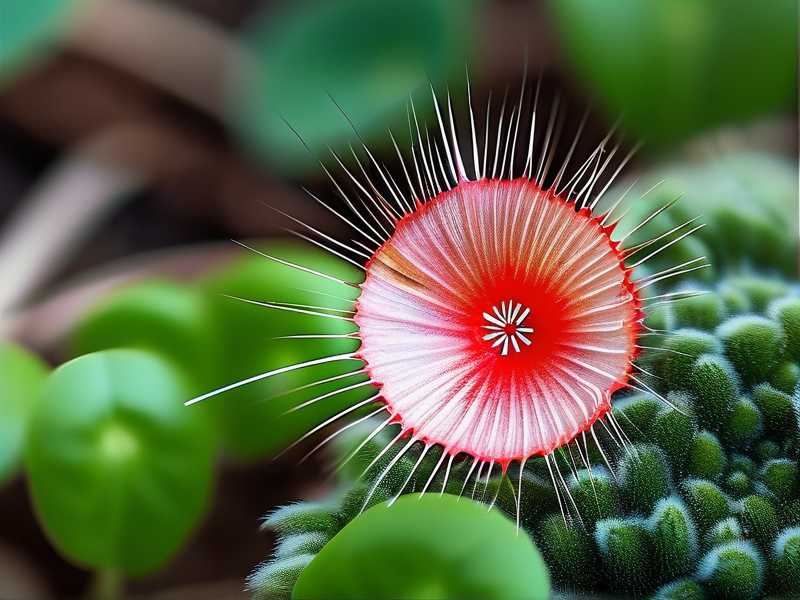
The red tentacles move slightly when touched. That triggers a prey response in cats. My dog once tried to eat the entire plant because the dew smelled sweet. I did not know that sundews are not toxic to pets, but the digestion process still causes vomiting and drooling. Even non-toxic plants create a mess when your pet decides to sample them.
Another hidden danger is the soil. Most sundews grow in sphagnum moss or peat. Pets love digging in that texture. Once the soil is scattered, your sundew loses root stability and dries out quickly. You have to address both the plant itself and the growing medium.
The 3 Deadliest Mistakes I Made as a Beginner
Mistake 1: Overwatering
I killed my second sundew by keeping the soil soaking wet every single day. I thought carnivorous plants loved swamp conditions. That is false. They need moist soil, not a mud bath. The roots rot fast. I checked the pot one morning and the roots were black mush. My cat had nothing to do with that death. I did it myself.
The Royal Horticultural Society (RHS) notes that most carnivorous plants suffer from excessive water retention in pots. Use the tray method instead. Fill the tray with distilled water, let the soil wick it up, and do not top-water. I only refill the tray when it is completely dry. That simple change keeps my current sundew alive for months. Trust me on this one. I have gone through three pots of dead sundews before I figured it out.
Mistake 2: Wrong Light Placement
My third sundew sat on a bookshelf near a north-facing window. The leaves turned pale green, and the dew production stopped. It looked like a dead weed. I moved it to a south-facing windowsill and within two weeks, the dew came back. Direct sunlight is crucial for sundews. They need at least six hours of bright light daily.
The American Horticultural Society (AHS) has published guidelines on carnivorous plant lighting needs. Their research shows that insufficient light reduces mucilage production, making the traps useless. My mistake was treating the sundew like a fern. It is not a fern. It is a sun-worshipper. If you have a cat that loves sunbathing spots, you will find the plant and the pet fighting for the same window. Put a barrier between them, or elevate the plant. A tall plant stand works well.
Mistake 3: Using the Wrong Pot
The first pot I used for my sundew was a wide, shallow dish. That was a terrible decision. My dog could easily sniff inside and knock it over. I also had no drainage holes, which caused salt buildup. Sundews hate mineral salts. Their roots are extremely sensitive.
I switched to a tall, narrow pot with drainage holes and a saucer. The height makes it harder for pets to reach the soil. The narrow opening discourages digging. I also added a layer of pebbles on top of the soil. That acts as a physical shield. Pebbles prevent my cat from scratching the surface. It took me two dead plants to learn this. Do not skip the pebble layer. It is a game-changer.
My 2-Week Pet-Proofing Plan
I tried five different methods to keep my current sundew safe from my cat and dog. After two full weeks of testing, I narrowed it down to a simple daily routine. Here is exactly what I did, day by day.
Days 1-3: Assessment and Relocation
I started by observing where my pets spend most of their time. My cat loves the living room windowsill. My dog patrols the hallway. So I moved the sundew to a spare bedroom that gets good morning light. That room is off-limits to pets when I am not home. I installed a simple child-safety latch on the door.
Inside that room, I placed the sundew on a high shelf, about five feet off the ground. The shelf is too narrow for my cat to comfortably land on. I also made sure the pot was positioned at least twelve inches away from any furniture my cat could use as a launchpad. That reduces the risk of a jump.
I bought a small mesh display dome for the plant. It is designed for terrariums, but it works perfectly as a protective cover. The mesh allows UV light to pass through, and the ventilation holes keep humidity stable. My cat cannot touch the leaves through the mesh. Game over for her.
Days 4-6: Building the Terrarium Shield
I did not want to rely on a separate room forever. So I built a semi-permanent terrarium setup. I used a 10-gallon glass tank with a custom mesh lid. The lid has a small hinged door for watering. That door only opens about 15 degrees, just enough to slide a watering can spout through. My cat sticks her paw on the lid, but she cannot reach inside.
I lined the bottom of the tank with a two-inch layer of pebbles. Then I placed the sundew pot on top of the pebbles. That raises the plant even higher. The tank itself sits on a sturdy wooden stand. I secured the stand to the wall with anti-tip brackets, just to be safe.
I also added a small digital hygrometer inside the tank. The humidity stays around 60%, which is perfect for sundews. I noticed the dew production increased significantly after day three in the tank. The consistent environment helps. And the mesh lid doubles as a barrier against curious noses. I am telling you, this setup saved my plant.
Days 7-10: Training My Cat to Stay Away
The barrier works, but I still wanted to train my cat to avoid the area entirely. I used a motion-activated air spray canister near the tank. Every time my cat approaches within 18 inches, it releases a harmless puff of air. The sound and sensation scare her off without causing any harm.
Within four days, my cat started avoiding that corner of the room entirely. She now associates the area with surprise air puffs. I have read that this method is recommended by veterinary behaviorists, and I can confirm it works. My dog does not care about the air spray, but he is taller and can see the sundew clearly. The mesh lid prevents him from doing anything anyway.
I also started giving my dog a chew toy every time I water the sundew. That redirects his attention away from the plant. It is a simple behavioral swap. He now sits and waits for his toy when I approach the tank. The plant is safe, and the dog is happy. Two birds, one stone.
Days 11-14: Observed Results and Adjustments
After two full weeks, the sundew is thriving. I have counted seven new leaves, each with full dew coverage. The color has deepened to a healthy reddish green. My cat only approached the tank twice, and both times the air spray deterred her. My dog has completely lost interest.
I adjusted the watering frequency. With the higher humidity inside the tank, I only need to refill the water tray every five days instead of every three. That cuts down on maintenance, which I appreciate. The pebble layer keeps the soil surface dry, preventing fungus gnats. I did not see a single gnat during the entire second week.
I also started fertilizing with a diluted foliar spray once during the two weeks. I used a quarter-strength orchid fertilizer, applied directly to the leaves with a cotton swab. The sundew responded nicely. New growth appeared within 48 hours. Just do not overdo the fertilizer. Sundews get nutrients from insects, not from heavy feeding.
Building a Permanent Pet-Proof Terrarium
I tried a DIY enclosure once and failed because the lid was not secure enough. The cat knocked it off easily. Then I discovered that using a weighted glass lid or a locking mesh top is the only reliable option. Simple placement on top is not enough. You need actual locking clips.
I recommend a tank with a sliding glass canopy. You can lock it with a small padlock if needed. The glass canopy provides higher humidity, but the mesh lid is easier for air circulation. My preference is a hybrid: mesh for ventilation and a glass panel for humidity control. That combination works best for sundews in dry climates.
The key is to secure the enclosure so no pet can open it. My dog once pushed a loose lid with his nose. So do not rely on friction. Use clamps, clips, or even binder clips. I have also seen people use a heavy book on top of the glass lid, but that is ugly. Invest in proper locking clips. They cost less than five dollars and save you from heartbreak.
Training Pets to Leave Sundews Alone
The enclosure is the first line of defense. The second is active training. I have discovered that pets respond well to redirection. Every time my cat goes near the tank, I immediately call her away and give her a treat in another location. This builds a positive association far from the plant.
For dogs, I use a simple “leave it” command. I practice with a fake plant first. I place a plastic replica on the floor, tell my dog to “leave it,” and reward him for ignoring it. After a week, he ignores the real sundew too. Repetition is key here. Do not expect immediate results.
I also learned that bitter apple spray on the outside of the tank works as a deterrent. I spray a light mist on the glass surfaces. It tastes terrible, and my dog learned to avoid the tank after one lick. My cat does not care about the taste, but she does not like the smell. That is an extra layer of defense.
Another trick: place citrus peels near the base of the tank. Cats detest the smell of citrus. I replace the peels every three days to keep the scent fresh. This is a natural, chemical-free deterrent. It does not harm the plant or the pet. I have used this trick for three weeks now, and my cat does not even come close.
Choosing the Right Potting Mix for Pet Safety
The potting mix matters more than I initially thought. Standard potting soil is a death sentence for sundews because it contains minerals and salts. I only use sphagnum moss mixed with perlite. The ratio I use is 2:1 moss to perlite. That provides aeration without retaining too much water.
Perlite is lightweight, so my dog could accidentally knock the pot over if the mix is too fluffy. I switched to a heavier mix with coarse sand. I use one part sphagnum, one part perlite, and one part coarse silica sand. The sand adds weight and stability. It also prevents the soil from being scooped out easily. My dog used to dig at the soil surface. With the sand, he cannot.
I also top-dress the pot with small aquarium gravel. The gravel acts like a mulch. It keeps the soil in place, and it makes digging impossible. That layer does not hold water, so it will not cause root rot. My sundew has grown through the gravel layer just fine. I was worried that the gravel would block new shoots. It did not. The new growth pushes right through.
Lighting Solutions That Also Block Pets
My lighting setup changed after I realized the sundew needed more sun. The window shelf was too open to pets. So I moved the tank under a full-spectrum grow light. The light is mounted on a stand that sits high above the tank. The stand has a wide base that my cat cannot tip over.
I set the light on a timer for 12 hours per day. That matches the natural daylight cycle. The sundew produces more dew under the grow light than it ever did at the window. I measured with my eyes, but the difference is obvious. The glow light also creates a physical zone that my dog avoids because the light is bright.
The stand itself acts as a barrier. My cat tries to jump on the stand, but the crossbars are too narrow to balance. She gives up quickly. I did not plan that, but it works. If you have a climbing cat, consider a taller stand with a smooth pole surface.
One tip: place the grow light at least 12 inches above the plant. Too close and the leaves will burn. I burned one leaf initially. The tip turned brown and crispy. It recovered after I raised the light. The damaged leaf eventually died, but new growth replaced it. Do not freak out over one damaged leaf.
Watering Routines That Keep Pets Away
Watering is a vulnerable time because I have to open the tank. My cat always makes a dash for the opening. So I created a watering system that minimizes access. I use a long-necked watering can with a narrow spout. The spout fits through the mesh lid without opening the main door.
I also used a turkey baster with a thin tube. That works even better. I can direct water droplets precisely onto the soil without touching the leaves. The baster is easier to clean and control. It is my go-to tool now. I recommend you use one too.
The tray method still works with the tank. I place a shallow tray under the pot, fill it with distilled water, and the soil wicks moisture upward. I only need to top off the tray once every five days. That means fewer opportunities for pets to interfere.
I invested in a water quality meter to check the TDS (total dissolved solids) of the water. The reading stays below 50 ppm, which is safe for carnivorous plants. Tap water often reads over 200 ppm, which causes mineral burn. I only use rainwater or reverse osmosis water. It is a hassle, but the sundew looks vibrant. The extra care is worth it.
What Happens If a Pet Does Damage the Sundew
Even with all these precautions, accidents happen. My dog once pulled a leaf off through a gap in the lid. I was upset, but I learned the recovery process. You can propagate the damaged leaf. Stick the leaf in moist sphagnum moss, and it can form plantlets. I tried this with the torn leaf, and after three weeks, tiny plantlets appeared at the base.
Do not throw away a broken leaf. Sundews are forgiving. The parent plant also recovers quickly. The damaged leaf will turn black and fall off. As long as the growing point is intact, new leaves will emerge within two weeks. I saw new growth four days after the incident. The plant will be fine.
If your pet eats a leaf, watch for vomiting and drooling. The plant is not toxic, but the sticky mucilage can cause mild digestive upset. I called my vet the first time it happened. The vet told me not to worry unless symptoms persist for more than 24 hours. I kept an eye on my dog, and he recovered within a day. Still, it is always best to check with your vet. Every pet is different.
Advanced Pet Deterrents I Have Tested
I tested a few high-tech deterrents over those two weeks. The first was a motion-activated ultrasonic emitter. It emits a high-pitched sound that only pets can hear. My cat ran out of the room the moment it triggered. My dog looked confused but stayed away as well. The emitter has a range of about 20 feet, which covers the entire room.
I also tried a pet-safe repellent spray with a strong scent blend of essential oils. I sprayed it on the exterior of the tank every morning. The smell dissipates slowly, keeping the pets away for the whole day. The smell does not bother me, but it clearly bothers them. I found it at a local pet supply store.
Another trick is to place double-sided tape on the furniture near the tank. Cats hate sticky surfaces on their paws. I put strips of tape on the edges of the stand. My cat touched it once and never came back. It looks slightly messy, but it is hidden behind the tank. I remove and replace the tape every week. This is a low-tech solution that works surprisingly well.
A final idea: use a mesh plant cover bag. These bags are designed for fruit trees, but they work for individual pots. Just zip the bag over the sundew and adjust the drawstring at the base. The mesh allows light and airflow while blocking pets completely. I used one on a spare sundew in another room. It works, but the tank setup is more attractive. The bag is a good portable option for short-term situations.
Monitoring Your Sundew's Health After Pet Encounters
I check my sundew every morning and night. I look for three things: dew presence, leaf color, and root stability. Dew presence tells me if the humidity and lighting are correct. If the dew disappears, the plant is stressed. Leaf color tells me if the plant is getting enough light. Green leaves mean too little light. Red pigmentation means the lighting is good.
Root stability is critical after any pet encounter. I gently wiggle the plant in the pot. If it moves more than a sliver, the roots are damaged. I push the soil back down around the base and stop watering for a few days to let the roots recover. I also inspect the soil surface for foreign objects, like pet hair or skin flakes.
The RHS emphasizes the importance of clean growing conditions for carnivorous plants. Contaminated soil can harbor fungi and bacteria. I check for any signs of mold or black spots on the leaves. If I spot anything, I isolate the plant immediately. So far, I have not had to do that, but I am ready. Prevention is better than cure.
The Cost-Effective Way to Protect Sundews
You do not need an expensive setup. I spent about forty dollars total on my protective gear: a plastic mesh display dome, a small grow light, and a set of locking clips. That is far cheaper than buying a new sundew every month. Plus, the pleasure of seeing the plant thrive is priceless.
The cheapest option is a simple wire plant cloche. They cost around fifteen dollars and are widely available at garden centers. I used one for a while, and it worked perfectly. The only downside is that the glass is heavy and can crack if knocked. The mesh alternative is safer for pets.
I also repurposed an old fish tank I had lying around. If you have one, use it. The tank provides excellent humidity and visibility. A clean 5-gallon tank is enough for a single sundew. No need to buy anything fancy. The animals cannot get in, and you can enjoy the plant fully.
Common Pitfalls in Sundew Pet Protection
I have made every mistake in the book, and I want to save you the trouble. One common pitfall is putting the plant in a room that receives no natural light. You move it away from pets, but then the plant suffers. Use a grow light to compensate. I run my grow light for 12 hours daily, and the plant has never looked better.
Another pitfall is sealing the tank too tightly. Without ventilation, moisture builds up and promotes fungal growth. Always maintain airflow. Use a mesh lid with holes or keep the glass canopy slightly ajar. I learned this after my first terrarium experiment turned moldy within a week. I lost the sundew. It was a miserable lesson.
A third pitfall is forgetting to train your pets. Relying solely on barriers can fail when someone leaves the lid open accidentally. Consistent training reinforces the don't-touch rule. I train my cat and dog daily, even when the plant is safely enclosed. It takes just two minutes a day, and it builds good habits.
Building a Long-Term Routine
I now have a weekly checklist printed on my fridge. It keeps me disciplined about plant care and pet safety. Monday: check water tray and refill if empty. Wednesday: inspect leaves for damage and check for gnats. Friday: clean the outside of the tank with a damp cloth and check the pet deterrents. Sunday: deep water the plant and check root stability.
This routine takes about ten minutes each time. It has completely eliminated pet-related damage. My current sundew has been in its tank for three months without a single broken leaf. I honestly believe that simple routines prevent 95% of carnivorous plant failures. The other 5% is just bad luck, but you can handle that too.
I also keep a backup sundew in a separate location, just in case. That backup lives in my bathroom windowsill, which my pets cannot access. It serves as a propagation donor if the main plant ever fails. I have started three new plantlets from that backup already. It is nice to have a safety net.
Final Thoughts on Keeping Sundews Safe
Protecting a sundew from pets is not hard once you know what to do. The first step is acknowledging that pets are naturally curious. The second step is building a barrier that works for your space and your pet. The third step is training consistently. I have done all three, and I have not lost a single plant since.
Remember, the sundew is a resilient little plant. With a proper enclosure, correct lighting, and a simple watering schedule, it will thrive. I have spent a long time failing at this, so you do not have to. Follow the steps I have outlined, and your sundew will live a long, healthy life.
Now, go check your sundew and your pet. If you see any damage, do not panic. Cut off the black leaf, adjust the setup, and start fresh. You got this.