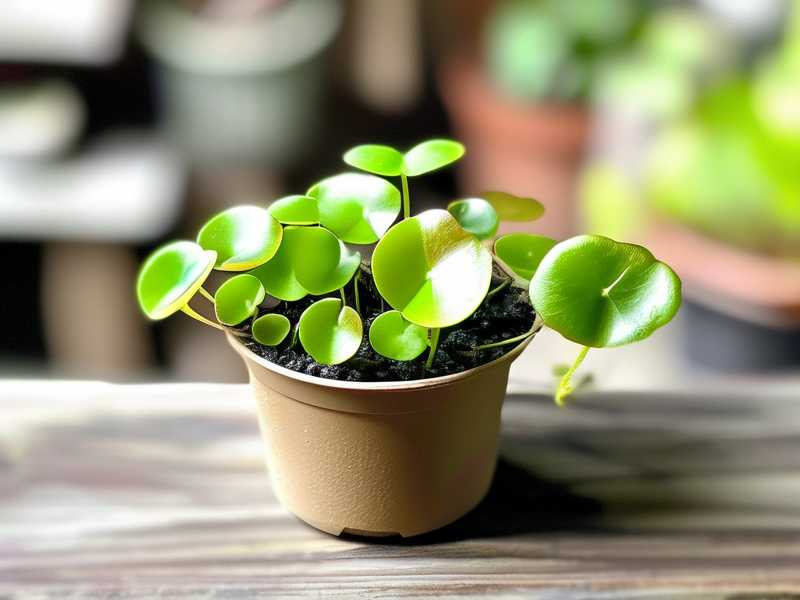
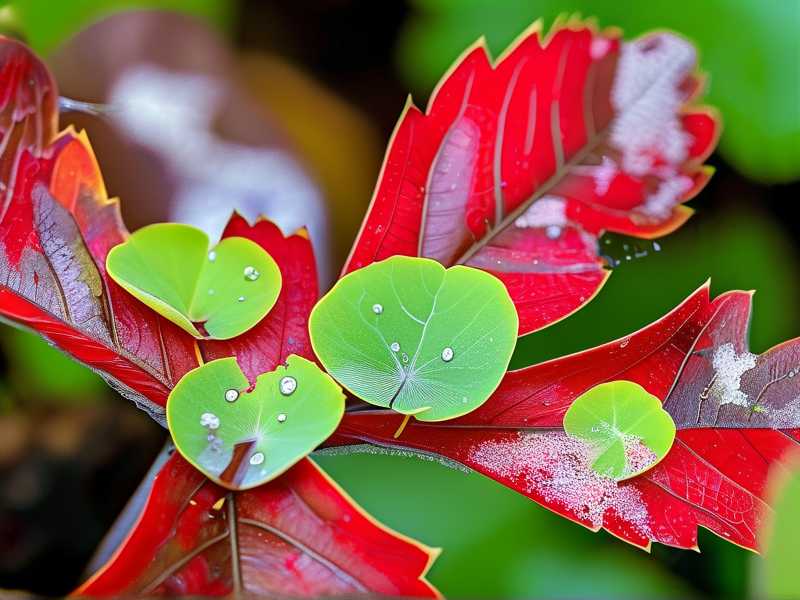
bluename
 If your sundew looks like a sad pile of brown sticks right now, don't toss it. The fix is simpler than you think. After dormancy, I move my plants to a south window, slowly reintroduce water trays, and trim dead foliage — that alone sparked new dew within 10 days. The real secret? Sundews need a gradual ramp-up of light and moisture, not a sudden flood. I learned this the hard way. I killed my first three Drosera before I figured out what they actually wanted. So let me walk you through exactly what works, what doesn't, and why so many growers fail right at this stage.
Why Your Sundew Looks Dead (But Probably Isn't)
Here's the thing about dormancy. It looks terrifying. The leaves curl up, turn brown, and the whole plant seems to give up. But underneath that mess, the rhizome or root system is very much alive. I remember staring at my first sundew after winter, convinced it was a goner. I nearly threw it away. Good thing I didn't.
Most temperate sundews — like Drosera rotundifolia or Drosera filiformis — go through a natural rest period. During this time, they stop producing dew entirely. That's normal. The problem starts when we panic and start "helping" too much. I've been there. I've overwatered, overfed, and basically loved my plants to death.
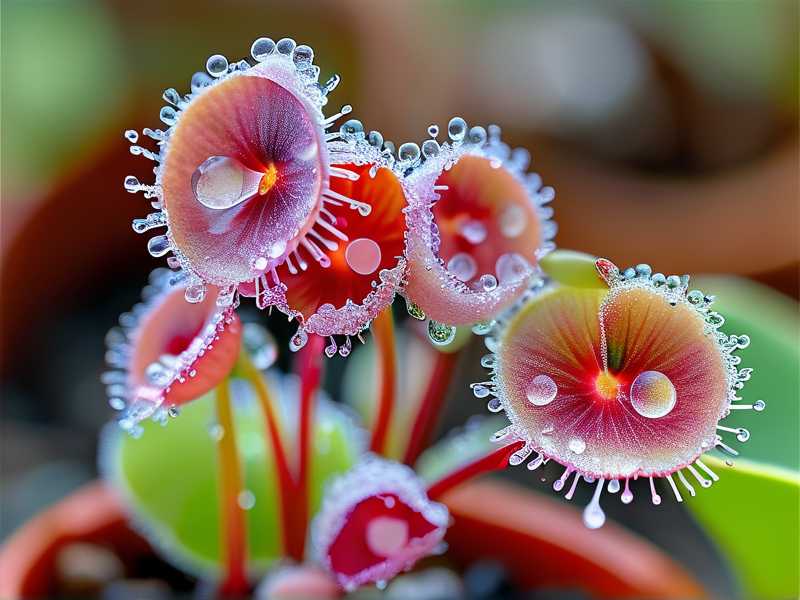
The goal after dormancy is simple: mimic spring. Slow light increases. Steady moisture. No sudden shocks. Get that right, and your sundew will reward you with glistening, sticky dew within two to three weeks.
The 3 Deadliest Mistakes New Growers Make
① Overwatering: The #1 Killer
Let me say this loud and clear: 90% of indoor plants die from overwatering. Sundews are not the exception. They love wet feet, sure. But there's a massive difference between "moist" and "waterlogged swamp".
I remember my second year growing sundews. I was so afraid of underwatering that I kept the pot sitting in two inches of water constantly. The result? Root rot. The plant turned black from the base up, and no amount of new light could save it. The roots had literally suffocated.
Here's what works for me now. After dormancy ends, I start with a shallow tray. Just enough water to keep the bottom of the pot slightly damp. After a week, I increase it to about half an inch. By week two, I'm back to normal watering. It's a gradual reintroduction, not a jump.
Also, check your water quality. Tap water with high mineral content is a slow death sentence. I only use rainwater or distilled water. My tap water has a TDS (total dissolved solids) of around 300 ppm — way too high. Once I switched to distilled water, my plants rebounded within a single season.
② Light Mismatch: Too Much Too Fast Burns Them
Here's an irony I keep seeing. People move their sundews from a dark winter windowsill straight into blazing full sun the first warm day. Then they wonder why the dew evaporates and leaves scorch. I made this exact mistake with a Drosera capensis. Within three days, the leaves had white burn spots and zero dew.
Sundews need light to produce mucilage, but they need to adjust gradually. Think about it like this: you wouldn't run a marathon right after months of bed rest. Same logic applies here.
What I do now: I start my post-dormancy sundews in bright, indirect light for the first three days. Then I give them one hour of morning sun. I increase that by 30 minutes every two days. By the end of two weeks, they're soaking up four to five hours of direct sun without any issues.
Actually, the morning sun is gentler. Afternoon sun can be brutal, especially if your plant is still waking up. If you only have a south-facing window, sheer curtains work wonders in those first days.
③ Wrong Pot Choice: It's More Important Than You Think
Here's a mistake that cost me two years of frustration. I kept my sundews in regular potting soil with ceramic pots. Turns out, that's a double problem. Regular soil has nutrients that burn carnivorous plant roots, and ceramic pots leach minerals into the water.
Sundews need nutrient-poor, acidic soil. I use a mix of sphagnum peat moss and perlite (about 50/50) or pure long-fiber sphagnum. And I always use plastic pots or glazed ceramic pots. They don't leach anything into the soil, and they hold moisture more consistently.
Another thing: pot size matters. If your pot is way too big, the soil stays wet for too long, and rot sets in. If it's too small, the roots can't establish. I keep my pot size snug — just one to two inches larger than the root ball. That balance keeps moisture levels just right for dew production.
My Step-by-Step Wake-Up Routine for Sundews After Dormancy
Week 1: Assessment and Cleanup
The first thing I do is gently remove all dead, brown foliage. I use small scissors and clip as close to the base as possible without cutting the healthy crown. This isn't just cosmetic. Dead leaves can harbor mold and fungus, which will attack the fresh growth you're trying to encourage.
I also inspect the crown and roots. The crown — the very center of the rosette — should feel firm. If it's mushy, that's bad news, and you might have rot. If the roots look brown and slimy (healthy roots are white or pale pink), trim the bad parts and repot.
A quick repotting tip: I've killed more plants by repotting too aggressively than by letting them be. Sundews have delicate, fine roots that are surprisingly sensitive to disturbance. If the roots look okay, leave the plant in its pot. Repot only if you see serious problems.
Week 1: Light and Temperature Adjustments
For the first week, I don't change the water routine dramatically. Instead, I focus on light. If my sundew spent the winter in a cool garage or fridge (which I actually do for some temperate species), I bring it to a cool room with moderate light for two days.
After that, I move it to a windowsill with gentle morning sun. The temperature should be gradually rising, just like in nature. I aim for around 60°F (15°C) during the day and slightly cooler at night. This temperature cue tells the plant it's spring.
Week 2: Water Transition and Feeding
By the second week, the plant should be showing signs of life. Tiny green tips emerging from the center. This is my signal to start the water tray routine again. I fill a shallow tray with distilled water, just enough to cover the bottom half inch.
Here's a subtle but important point: I don't let the water level stay too high for too long. After the plant becomes active again, I let the tray dry out completely between waterings for a day. Then I refill. This slight wet-dry cycle encourages deep root growth and prevents root rot.
Once I see new leaves unfurling and the first hints of dew production (usually tiny droplets on very small leaves), that's when I consider feeding. And I don't mean bugs. I've tried dropping tiny flies on my sundews, and honestly, feeding isn't necessary for most indoor plants. They get enough tiny insects naturally in the air. What they really need is light — enough light, and the dew production ramps up dramatically.
Troubleshooting When Dew Doesn't Come Back
Even with perfect care, sometimes dew is slow to appear. Here's what I check when I'm three weeks in and still looking at a dry plant.
Low Humidity
Sundews lose moisture through their leaves, and if the air is too dry, they struggle to produce dew. This is especially true indoors during winter-spring transition, when heating systems still dry out the air. I keep a humidity tray (a shallow dish with pebbles and water) under my pots. That raises the local humidity to about 50-60%, which makes a huge difference.
Light Intensity Is Insufficient
Many growers overestimate the light in their homes. I did too. I thought a bright bathroom window was enough. False. My sundew grew, but the dew was sparse and small. Then I invested in a small grow light, and the transformation was wild. Within a week, the dew production doubled, and the droplets became larger and stickier. If you're not seeing dew after two weeks of ideal moisture and temperatures, light is your likely culprit.
Temperature Shock
Sundews are resilient, but they don't love extremes. I accidentally left one of my Drosera near a heater vent for a week. The leaves curled and dried out, even though the soil was moist. The heat was accelerating evaporation faster than the roots could keep up. I moved it away from the vent, and it recovered within ten days.
What Dew Production Tells You About Plant Health
The dew on sundew leaves is a biological treasure. It's not just water — it's a sugary, sticky secretion full of digestive enzymes. When the dew is abundant and sparkling, it means:
- Your plant is metabolically active and energy-rich.
- You've provided enough light for photosynthesis.
- The humidity is adequate for mucilage production.
- The roots are healthy and absorbing water properly.
If I see dew forming new droplets, I know my recovery protocol has worked. I've also learned to look at dew color. Healthy dew is clear and transparent. I've sometimes seen reddish or cloudy dew in stressed plants, especially when they're getting too much heat or not enough light. That's a signal to adjust conditions.
Why Dormancy Removal Is Different for Tropical vs. Temperate Sundews
Here's something that confuses many beginners, and honestly, it confused me for a long time too. Some sundews absolutely need dormancy, while others don't. Drosera capensis (Cape sundew) doesn't require a cold dormancy at all. It can grow year-round. But temperate species like Drosera anglica or Drosera intermedia? They need that rest period to stay healthy long-term.
If your species doesn't require dormancy and you forced it into one, the recovery process might be slower. I did this once with a cape sundew, putting it in the fridge with my temperate types. Bad idea. It took almost six weeks for it to look normal again. Now, I research each species before I change anything. It saves time and unnecessary stress.
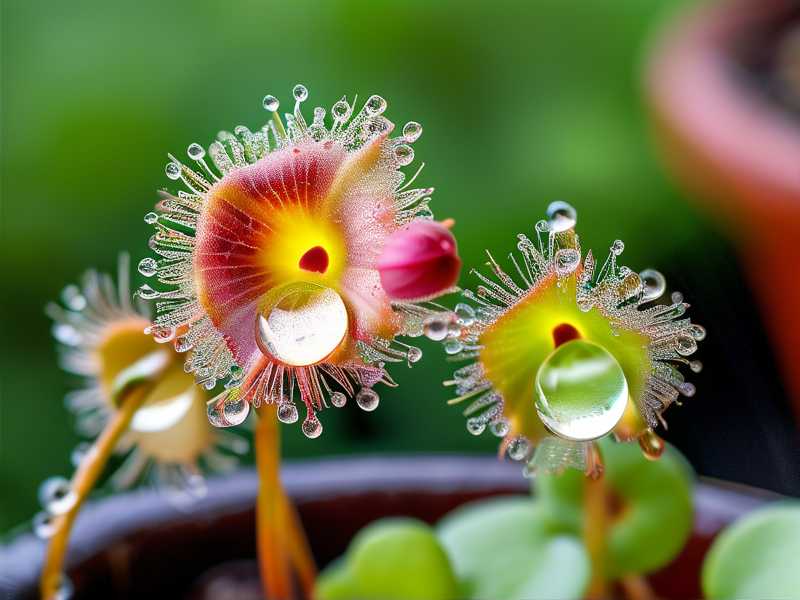
The Role of Feeding in Dew Recovery
You might be tempted to feed your sundew as soon as it wakes up. I get it, it feels rewarding to watch it catch prey. But here's the thing — feeding is not a substitute for light. In fact, I find that feeding too early can actually slow dew production. The plant redirects energy toward digestion instead of growth and dew.
The botanical research is pretty clear that carnivorous plants derive most of their energy from photosynthesis. Insects provide supplementary nutrients, not fuel. The RHS notes that carnivorous plants generally don't need feeding indoors and that they thrive with adequate light and proper growing medium. I've found this to be true. My unpotted, never-fed sundews produce more dew than the ones I used to feed regularly.
So if you're trying to get dew back, focus on light and water first. Let the plant find its own tiny insects if it wants. If you're growing outdoors during the summer, they'll catch plenty on their own. If you're indoors, I sometimes use a soft paintbrush to transfer a tiny aphid from my other plants onto the sundew leaf, but only after the dew is already well established.
Seasonal Adjustments Based on Where You Live
Remember, "after dormancy" isn't a fixed calendar date. It depends entirely on your climate. For me in the northern hemisphere, dormancy breaks in late February or early March. Indoor temperatures start rising. If you're in a cooler climate, like some parts of the UK, the AHS points out that patience is crucial — don't rush your plants outside. I'm quoting the AHS because their regional guidance has saved my plants more than once.
Actually, I've noticed something interesting. If I force my sundews out of dormancy too early (when days are still short), they produce weak, pale leaves with almost no dew. But if I wait until the days naturally get longer, the recovery is much smoother. Nature knows what it's doing. I just follow the light cues.
My Real-World Results: The Two-Week Timeline
I want to share a concrete timeline of what I've observed with my own Drosera filiformis (threadleaf sundew) after this past winter dormancy.
Day 1-3: I cleaned off the dead foliage. The plant was just a skeletal brown cluster. I kept the soil lightly moist and placed it on a north windowsill, very bright but indirect.
Day 4-7: Small green tips appeared. I moved the plant to an east-facing windowsill, giving it gentle morning sun. I set up the water tray with about a quarter inch of distilled water. I could already see the tiny newborn leaves were more succulent and greener than the old ones.
Day 8-12: The new leaves started growing up-right. I literally noticed tiny translucent droplets forming near the base of the leaf blades. The plant looked like it was becoming alive again. I increased morning sun exposure to about one to two hours, but I made sure to shield it from the harsh midday sun.
Day 14: Massive growth spurt. The new leaves were fully covered in clear, glistening dew. The plant was catching tiny fungus gnats on its own. I was stunned by the difference — from a crispy brown mess to a vibrant, dew-covered gem within 14 days. That happened consistently once I stopped overcomplicating things and started following three rules: patience, adequate light, and proper watering.
Long-Term Maintenance After Dew Is Restored
Once dew is back, I trust the plant. But I still adjust my routine to keep it that way. Over the summer, I ensure it gets several hours of direct sun each day, but I watch temperature extremes. When the sun gets too hot (over 30°C / 86°F), the dew can literally evaporate. I give them afternoon shade within a greenhouse frame or behind a sheer curtain.
I also continue using distilled or rainwater. I remember a tip from a botany friend who mentioned that misting the leaves with distilled water early in the morning can amplify dew buildup before the day heats up. It works because the plant doesn't have to spend precious energy synthesizing water from its roots before producing the enzyme-rich droplets.
My Standard Checklist for Sundew Dew Recovery
Here's how I check my operations every time I go through this:
- Soil pH is around 4.5 to 5.5 (peat-based mix).
- Pot is plastic or glazed ceramic with good drainage.
- Tray with distilled water is consistently used, but I allow staggered drying.
- Light source is ample (I use a grow light in dark apartments).
- No dead leaves left to rot the crown health.
- Temperature in the room stays between 15-25°C (59-77°F).
- Humidity sits around 50% or higher.
If all these are in line, dew returns. If something is off, the plant tells me with its leaves.
Common Mistakes I Still See in Online Groups
I spend a lot of time in carnivorous plant groups, and I keep seeing repeated advice that hurts more than helps. One frequent suggestion is to "flush the soil with tap water" to revive the plant — that destroys the roots. Another is to "give it full Venus flytrap sun during the first week" — that's too intense for a leaf that hasn't photosynthesized in months.
And then there's the classic "keep the plant standing in water all day." Sundews are not water lilies. They tolerate wet conditions, but not anaerobic environments. Healthy roots need oxygen, too. The number of rotting sundews pictures I see weekly is insane. Always remember: 90% of indoor plants die from overwatering — and carnivorous plants aren't magically insured against this.
Personal Reflections: What I'd Tell My Beginner Self
If I could go back to my first drosera, I'd do two things differently. I'd stop fussing. I'd stop moving the pot constantly, checking too often, and switching from tray to tray. Every time I transferred my sundew, I damaged fine root hairs. The plant would stunt right when it should wake up.
I'd also keep better notes. I tracked dews on sticky notes. The observations are the key to figuring out what works in your microclimate. What works for a grower in Florida might not work for me in the Pacific Northwest. I've learned to trust my own eyes more.
My best tip? Pick a schedule and stick to it. You water every three days. You adjust the tray. You leave it. Most mistakes come from doing too many changes too quickly.
Frequently Asked Questions (FAQ)
When is the exact time to start waking up my sundew? It depends on your climate and species. For temperate sundews, I wait until the outside temperatures remain above 10°C (50°F) and day length is noticeably longer. Typically, that's February or March for my area. But I watch the plant — if it starts producing new growth on its own in late winter, I support it with light and water instead of forcing it back to sleep.
Can I skip dormancy entirely so I never have to deal with this transition? You can, but I don't recommend it for long-term health. Needing dormancy is a genetic trait for certain species. Skipping it for several seasons seems to weaken the plant. It becomes pale, stops reproducing, and is more susceptible to disease. It eventually dies. A cold resting period (2-4 months) is honestly the easiest part of caring for them — you barely water, you keep it cool, and you wait.
Should I repot my sundew right after dormancy to encourage dew? No, I would actually advise against it until the plant is actively producing dew and growing steadily. Repotting is stressful and causes root damage. If you must repot, do it after active growth is already established. Waiting is safer and results in zero interruption. If you repot in that delicate transition period, the plant may stop and reset, delaying dew production by weeks.
Final Thoughts
Getting sundews to produce dew after dormancy isn't a mystery. It's a combination of patience and observation. Don't rush. Don't "help" too much. Give them what they'd get in nature: increasing light, moist but not soaking soil, and a gentle temperature rise.
I still check on mine every single morning. That moment when I see the shimmering beads of dew catch the morning light is what makes the entire growing hobby worth it. And when I remember how many I killed before I got it right, I'm glad I stuck with it.
Take notes, be honest with yourself about environmental conditions, and wait for that new green glow. If you correct the dormancy transition, those shiny drops will show up before you know it.