bluename
 If your sundew looks like a soggy lump of mush, you are not alone. I have killed three sundews by being too generous with the water bottle. Here is the short answer: stop watering immediately, tilt the pot to drain excess water, increase airflow and light gradually, and repot into fresh sphagnum moss if the roots smell sour. The whole process takes about two weeks if you catch it early. In this article I will walk you through exactly what I did when my Drosera capensis started turning brown from the crown down, and how it bounced back faster than I expected.
Why Overwatering Kills Sundews Faster Than You Think
Sundews are bog plants. Most beginners hear that and assume they want to sit in water forever. That is half true.
In nature, sundews grow in live sphagnum bogs where water is constantly moving and oxygenated. In a closed plastic pot on your windowsill, standing water goes stale. The roots suffocate. Bacteria and fungus move in. Within days, the crown turns black and the dew disappears.
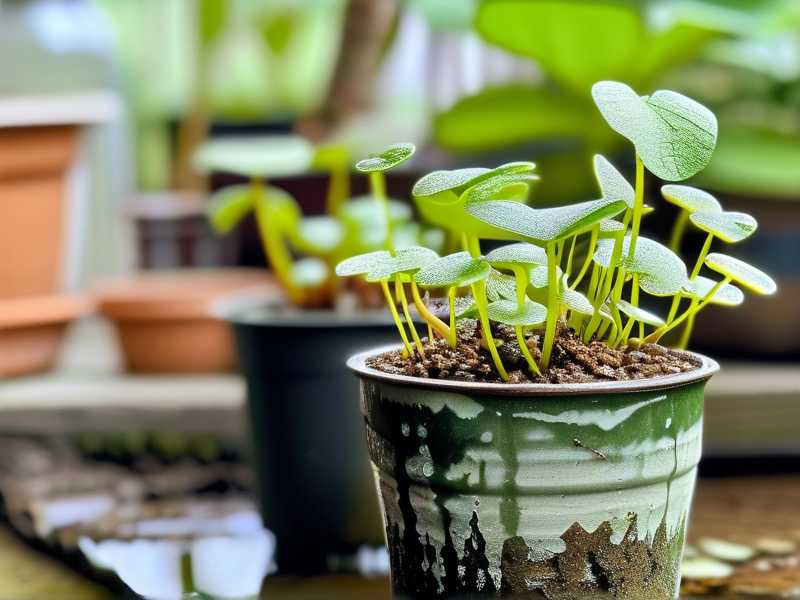
The Royal Horticultural Society (RHS) points out that most carnivorous plants are far more tolerant of poor water quality than of stagnant, oxygen-depleted root zones. That matches what I have seen. When I left my first sundew in a tray of tap water for a week, the roots turned to brown sludge. The plant was gone in five days. I learned the hard way that "wet" and "waterlogged" are not the same thing.
A common stat floating around gardening circles is that 90% of indoor plants die from overwatering. In my experience with sundews, that number feels low. Almost every sick sundew I have been asked about was sitting in water it did not need.
The Three Beginner Mistakes That Kill Sundews
Mistake 1: Watering on a Schedule Instead of Reading the Plant
I used to water every Sunday. That was my first fatal error.
Sundews do not care what day it is. They care about how wet the medium still is. If the sphagnum is still dripping, adding more water is like forcing someone to drink during a flood. I now squeeze a pinch of moss between my fingers. If water runs out easily, I wait.
Mistake 2: Putting the Plant in the Wrong Light After Overwatering
When a sundew looks sad, the instinct is to move it to a shady corner to "recover." I did this once. The plant stretched, lost its red color, and never produced dew again.
Light and water work together. A waterlogged sundew in low light is a sitting duck for rot. The plant needs bright, indirect light to drive transpiration and pull water through its roots. No light means no water movement. No water movement means rot.
Mistake 3: Using a Pot With No Drainage or the Wrong Size
I have a ceramic cachepot that I love. It has no holes. I put a sundew in it once. Three days later, the medium smelled like a swamp drain.
Sundews need pots with drainage holes, and they need to be small relative to the root ball. A huge pot holds too much water around roots that cannot drink it fast enough. I now use 3-inch plastic pots for most Drosera, and I never let them sit in deep water for more than a few hours.
My Two-Week Recovery Plan That Actually Worked
Here is the exact timeline I followed when my Drosera capensis started turning brown at the base. I am not a scientist. I am just a hobbyist who has killed enough plants to know what works.
Day 1: Stop the Bleeding
I lifted the pot out of its water tray and tilted it at a 45-degree angle. A surprising amount of brown water poured out. I set it on a dry saucer and did not water it again for 48 hours.
I also trimmed away the mushy black leaves with clean scissors. Leaving dead tissue against the crown invites fungus. I removed everything that pulled away with zero resistance.
Day 2 to Day 3: Increase Airflow and Light
I moved the pot to a spot with gentle air movement, not a direct fan. A small USB fan set to low, about two feet away, was enough. I also placed it under a grow light for 12 hours a day, about 8 inches above the plant.
The goal was not to dry the plant out. It was to get air moving around the crown and medium so the surface could dry slightly between waterings.
Day 4 to Day 7: Repot If You Smell Trouble
On day four, I checked the roots. They were brown and limp, not white and firm. I repotted into fresh, rinsed sphagnum moss. I squeezed most of the water out first. The new medium was damp, not dripping.
I did not fertilize. I did not use tap water. I used distilled water only, and I top-watered just enough to keep the moss moist like a wrung-out sponge.
If your roots are still white and firm, you can skip the repot. Just let the medium dry slightly and watch for new growth.
Day 8 to Day 14: Watch for Dew and New Leaves
By day eight, I saw a tiny green nub in the center of the crown. That was the first sign of life. By day twelve, that nub had opened into a small leaf with visible dew droplets.
The old damaged leaves never recovered. That is normal. Sundews do not heal brown leaves. They grow new ones. My job was to keep the new growth clean and moist, not soaked.
By day fourteen, the plant had three new leaves and was catching small fungus gnats on its own. I knew it would make it.
What I Do Differently Now to Prevent Overwatering
I stopped guessing. I use a simple method that works for me.
I keep my sundews in a tray with just a quarter-inch of water, and I let the tray go dry for a few hours before refilling. That dry period matters. It pulls oxygen into the root zone.
I also switched to live sphagnum moss for my most finicky Drosera. Live moss regulates moisture better than dried long-fiber moss. It also looks better, which is a bonus.
The American Horticultural Society (AHS) notes that matching a plant's natural water cycle is more important than following a rigid watering schedule. I could not agree more. Sundews want wet feet, not drowning roots. There is a difference.
When to Give Up and Start Over
Some sundews cannot be saved. If the crown is black and mushy all the way through, and there is no green tissue at the center, the plant is done. I have thrown away two plants that reached that stage.
But if there is any green left, there is hope. I have seen a sundew with one tiny green leaf node recover into a full plant in six weeks. Patience is the hard part.
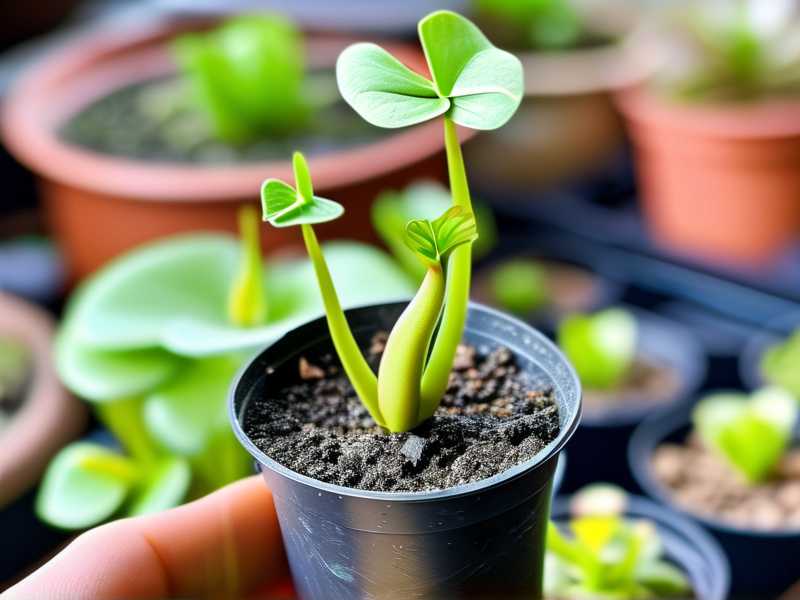
Do not toss the pot too soon. I once left a "dead" sundew in its pot for a month because I forgot about it. It came back from a root bud. That was a humbling lesson.
Frequently Asked Questions
How do I know if my sundew is overwatered or just thirsty?
Overwatered sundews have brown or black crowns, mushy stems, and no dew. Thirsty sundews have dry, crispy leaves but a green crown. If the crown is green and the leaves are dry, water it. If the crown is brown and the soil is wet, stop watering.
Can a sundew recover from root rot?
Yes, if the crown is still green and firm. Trim the dead roots, repot in fresh sphagnum, and keep the medium moist but not soaked. New growth usually appears within two to three weeks.
Should I use a terracotta pot for my sundew?
Terracotta can wick moisture away from the medium, which might help if you tend to overwater. But it also dries out faster, which can stress the plant. I prefer plastic pots with drainage holes and a careful watering routine.
Final Thoughts
Overwatering a sundew feels like a death sentence, but it is not always. The key is acting fast. Drain the pot, trim the rot, increase light and airflow, and repot if the roots smell bad. In two weeks, you will know if your plant is coming back.
I have lost sundews to this mistake. I have also saved them. The difference was catching it early and resisting the urge to water more. If you are reading this because your sundew looks bad, you are already on the right track. Put down the water bottle. Let the plant breathe. It will tell you what it needs.