bluename
How to Prevent Sundew From Getting Burned by Grow Lights
I learned the hard way that grow lights can cook a sundew faster than almost any other carnivorous plant. My first Drosera capensis looked like fried grass within three days under a 100-watt LED panel. The fix, as I found out over two frustrating weeks, comes down to distance, intensity, and timing. If you want to prevent sundew from getting burned by grow lights, start by moving your light at least 12 to 18 inches away from the plant and cutting the photoperiod to 10–12 hours. That single change saved my collection, and I'll walk you through everything I wish I'd known before I scorched four plants in a row.
Sundews Are Not Your Average Houseplant
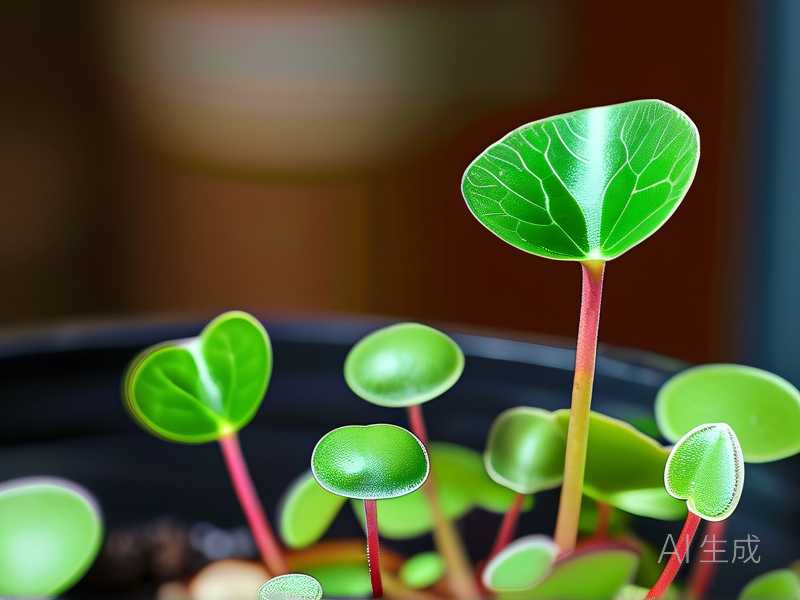
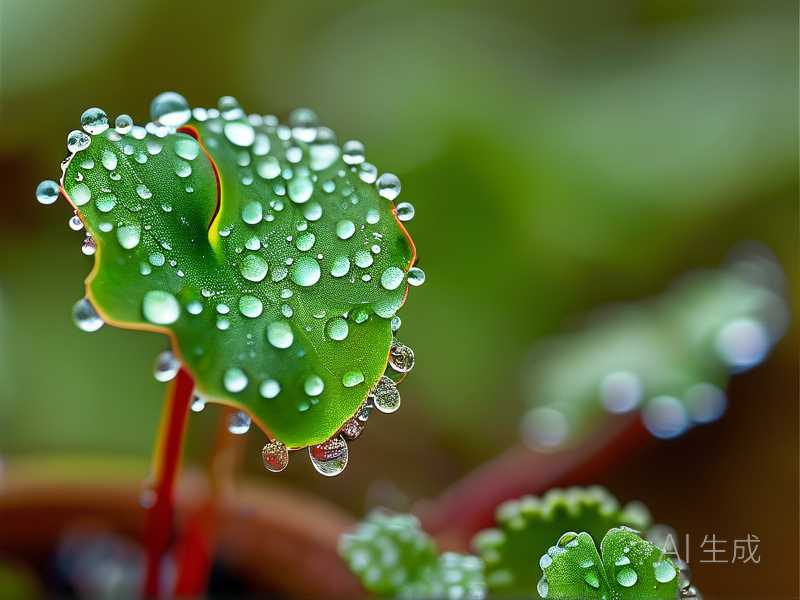
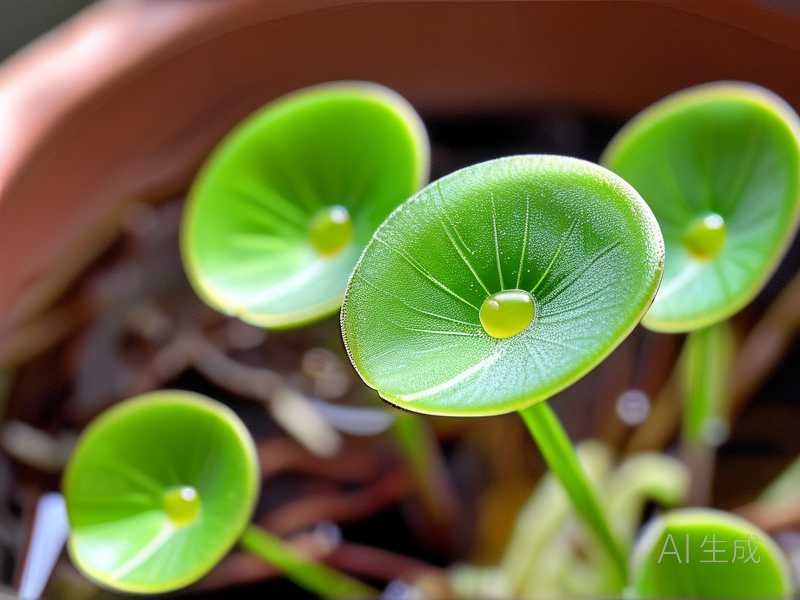
Sundews, or Drosera, are carnivorous plants that catch insects with sticky mucilage on their tentacles. That dew is their whole personality. When it dries up or turns brown, the plant is stressed.
There are hundreds of species, but most home growers start with Cape sundew (Drosera capensis), spoon-leaved sundew (Drosera spatulata), or tropical sundews like Drosera adelae. They're actually pretty forgiving once you get light and water right. The trouble is that "pretty forgiving" doesn't mean they tolerate a blast of artificial sunlight.
Their leaves are thin, wet, and full of water. Under an intense grow light, that moisture heats up, and the leaf tissue cooks from the inside. It happens in hours, not weeks. I've watched a healthy plant go from dewy and red to crispy and brown overnight.
The Royal Horticultural Society notes that most Drosera species thrive in bright, filtered light rather than direct midday sun. That same logic applies indoors with grow lights. More light isn't better. The right light is better.
Getting the Light Right Without Frying Your Plant
Here's the thing nobody tells beginners. Sundews need strong light for good color and dew production, but they need it indirect. Outdoors, that means morning sun and afternoon shade. Indoors, it means you have to dial in your grow light carefully.
For most LED grow lights, a distance of 12 to 18 inches works well for Drosera. If you're using a weaker fluorescent or a small clip-on LED, you can go closer, maybe 6 to 10 inches. The only way to know for sure is to watch the plant.
Signs of too much light:
- Leaves turn brown or gray from the tips inward
- Dew disappears completely
- Leaf edges curl up or look shriveled
- New growth comes in tiny and deformed
- Red coloration turns into a burned bronze or black
Signs of too little light:
- Plant stays green even if it's a red variety
- Dew production drops off
- Growth becomes leggy and stretched
- Leaves stay small and pale
I use a simple lux meter app on my phone. It's not perfect, but it gives me a rough number. For sundews, I aim for 10,000 to 20,000 lux at the leaf surface. Anything above 30,000 lux with an LED and you're asking for trouble unless you've acclimated the plant slowly.
Acclimation is the key word here. You can't just buy a sundew and stick it under a full-power grow light. I tried that with a Drosera binata and it was dead in 48 hours. Now I always do a two-week ramp-up.
My Two-Week Acclimation Method
Week one, days one through three: keep the light at 24 inches away, run it for 6 hours a day. Just let the plant adjust.
Days four through seven: move it to 18 inches, bump to 8 hours.
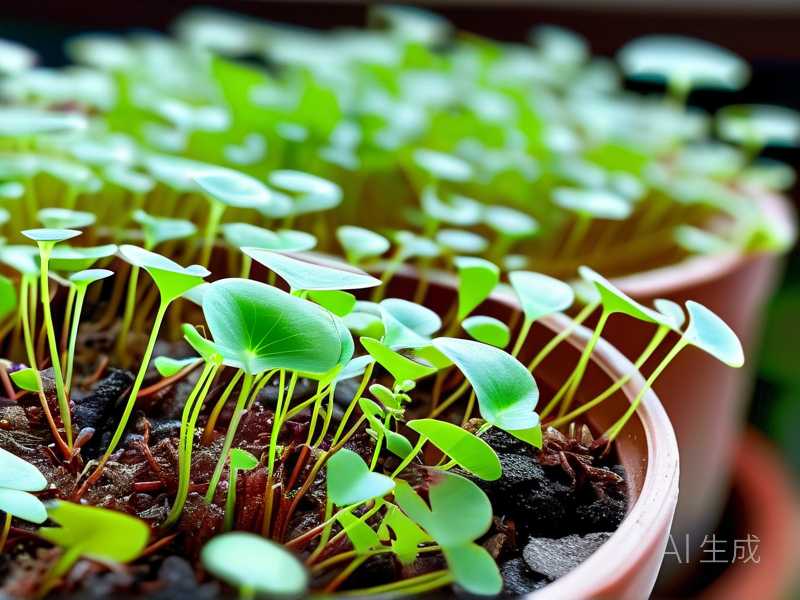
Week two, days eight through eleven: 14 inches, 10 hours. Watch for any browning.
Days twelve through fourteen: move to your target distance, usually 12 inches, and 12 hours. If you see burn, back off immediately.
This slow ramp saved my Drosera admirabilis after I nearly lost it. The leaves stopped browning by day five, and by day fourteen it had new dew-covered tentacles. It's tedious, I know. But it works.
Watering: The Real Reason Most Sundews Die
Let me say this plainly: 90% of indoor plants die from overwatering. That includes sundews, even though they're bog plants.
Sundews want wet roots, but they don't want stagnant, oxygen-starved soil. The classic tray method works best. You sit the pot in a shallow tray of water, usually half an inch to one inch deep, and let the soil wick up moisture. Refill the tray when it dries out.
Use only distilled water, rainwater, or reverse osmosis water. Tap water will slowly kill your sundew. The minerals build up in the soil and burn the roots. I killed two plants before I figured this out. My tap water is moderately hard, and within a month the leaves went yellow and the plant collapsed.
During summer, I keep the tray full almost constantly. In winter, when growth slows, I let the tray dry for a day or two between refills. That prevents root rot, which is the second most common killer after tap water.
If your sundew is in a terrarium or a closed setup, you don't need a tray. The humidity keeps the soil moist. Just water from the top when the surface starts to dry.
Soil and Repotting Without Stressing the Plant
Sundews need nutrient-poor soil. That sounds counterintuitive if you're used to regular houseplants, but carnivorous plants get their nutrients from insects, not from fertilizer.
My go-to mix is two parts sphagnum peat moss to one part perlite, plus a handful of long-fiber sphagnum on top. No potting soil. No compost. No Miracle-Gro. Those will kill your sundew.
For pots, I use plastic or glazed ceramic with drainage holes. Terracotta dries out too fast for bog plants unless you're using the tray method religiously. I've had good luck with 4-inch plastic pots for small species and 6-inch pots for Cape sundews.
Repot every one to two years, ideally in early spring just as growth resumes. Sundews have delicate roots. Rinse the old soil off gently with distilled water, trim any brown or mushy roots, and replant at the same depth.
I repotted my Drosera spatulata last March and it sulked for about ten days. Then it exploded with new growth. Patience pays off here.
Fertilizing: Less Is More, and Usually None
Here's my honest take: most sundews don't need fertilizer at all. If they're catching bugs, they're fed.
If you grow indoors and your plant isn't catching anything, you can feed it with a very diluted foliar fertilizer once a month during the growing season. I use a quarter-strength orchid fertilizer, and I mean a quarter of the already-diluted recommendation. Spray it on the leaves, not the soil. Never pour fertilizer into the tray.
The American Horticultural Society recommends avoiding any fertilizer with urea or high salts for carnivorous plants. I follow that rule strictly. I tried a general-purpose fertilizer once, at half strength, and the leaves burned within two days. That was a $15 plant and a hard lesson.
Skip fertilizer entirely in winter. The plant is dormant or semi-dormant and won't use it.
Seasonal Care for Grow-Light Sundews
Spring is when I dial the light back up. I increase the photoperiod from 10 to 12 hours over three weeks. I also start feeding again if the plant isn't catching insects. This is the best time to repot and divide clumps.
Summer is the trickiest season under grow lights because room temperatures rise. If your grow area gets above 85°F, the combination of heat and intense light will burn your sundew fast. I run a small clip fan to keep air moving. I also raise the light by 2 to 3 inches during heat waves.
Fall is transition time. I reduce the photoperiod by 30 minutes each week until it's down to 10 hours. I stop fertilizing completely. I also clean up any dead leaves to prevent mold.
Winter is when most indoor sundews either thrive or crash. I keep the light at 8 to 10 hours. I let the water tray dry between refills. I don't fertilize at all. If the room drops below 60°F, I move the plant to a warmer spot. Tropical species like Drosera adelae don't need a cold dormancy, but they do slow down.
Pests and Problems to Watch For
The most common issue I see is brown, crispy leaves from light burn. That's not a pest, it's a lighting mistake. Move the light up and cut the hours.
Aphids love sundew flower stalks. I use a cotton swab dipped in distilled water to wipe them off. No insecticides. Most sprays will damage the leaves.
Fungus gnats are annoying but usually harmless. They can become a problem if the soil stays too wet. Let the tray dry out for a day or two and the gnats will thin out.
Root rot shows up as black, mushy stems and a sudden collapse. Once it starts, it's hard to reverse. Repot immediately, cut away the rotten roots, and switch to fresh soil.
Yellow leaves usually mean mineral buildup from tap water. Flush the soil with distilled water several times, or just repot.
Three Mistakes That Killed My First Sundews
Mistake one: watering too much and too often. I kept the tray full 24/7 and the soil turned anaerobic. The roots rotted. Now I let the tray dry for a day between refills.
Mistake two: putting the grow light too close. I had a 45-watt LED six inches above a Drosera capensis. It was dead in three days. Now I never go below 12 inches unless I've acclimated the plant over two weeks.
Mistake three: using the wrong pot. I tried a terracotta pot with no tray. The soil dried out in hours and the sundew wilted. Plastic pots with a water tray are the way to go.
Questions I Get All the Time
How do I know if my sundew is getting burned versus just going dormant? Burned leaves turn brown or black from the tips and the dew disappears. Dormant sundews usually stay green but stop producing new leaves. If you're unsure, move the light up and see if new growth improves within a week.
Can I use a full-spectrum LED that's meant for cannabis? Yes, but you have to dim it or raise it much higher. Those lights are powerful. I use a dimmable LED and keep it at 50% power for sundews.
What's the ideal distance for a 100-watt LED? For most home setups, 14 to 18 inches works well. Start at 18 and move closer only if the plant looks pale or leggy. If it starts browning, back off immediately.
Sundews are tough once you understand their light and water needs. The burn problem almost always comes down to too much intensity or too little distance. Fix those two things, acclimate slowly, and you'll have a dewy, healthy plant that lasts for years. I've gone from killing four sundews to keeping a windowsill full of them. If I can do it, you can too.