bluename
 How to Grow Drosera Aliciae (Alice Sundew): A Step-by-Step Guide from a Fellow Plant Lover
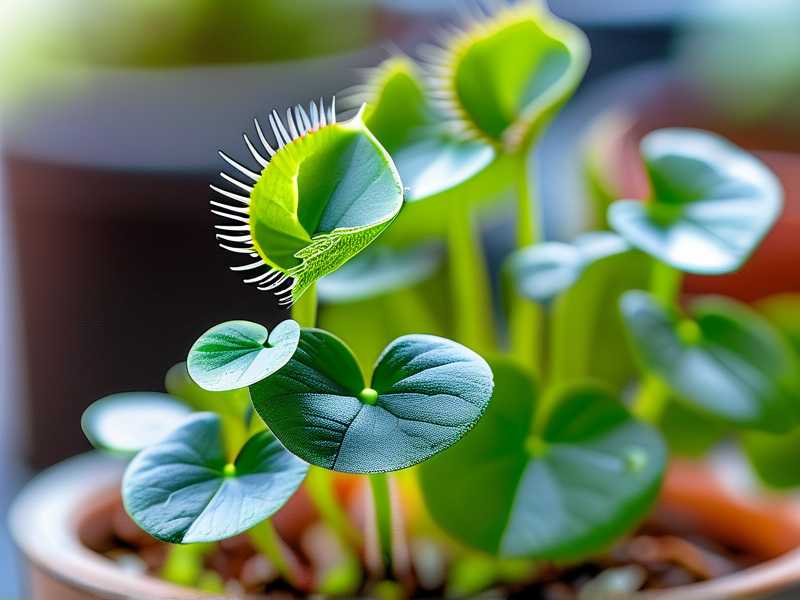
I remember the first time I saw a Drosera aliciae, or Alice Sundew. Its tiny, jewel-like leaves, each tipped with glistening, sticky tentacles, looked like something from another world. I was captivated. But when I brought my first one home, that excitement quickly turned to anxiety. Despite my best efforts, it began to wither. The leaves lost their dew, the vibrant reds faded, and I felt like I’d failed this fascinating carnivorous plant. If you’re here, you might know that feeling—the frustration of wanting to nurture a specialized plant but missing a few key pieces of the puzzle.
Growing Alice Sundew doesn’t have to be a mystery. After years of trial, error, and consultation with experts from societies like the International Carnivorous Plant Society (ICPS), I’ve distilled a reliable, hands-on method. This guide is the one I wish I had. I’ll walk you through my exact setup, a two-week observation log of a new plant’s adjustment, the mistakes I’ve made (and how to fix them), and how to achieve that stunning, dewy display that makes this sundew so rewarding.
Understanding Your Drosera Aliciae: It’s All About Habitat
Before we pot a single plant, we need to think like it. Drosera aliciae is a subtropical perennial native to South Africa. It doesn’t live in rich, fertile garden soil; it thrives in nutrient-poor, waterlogged, and acidic bogs. Its sticky tentacles are an ingenious adaptation to catch insects and compensate for the lack of nutrients in its environment. Trying to grow it like a typical houseplant is the most common and fatal mistake. As noted in the ICPS’s cultivation guides, success hinges on replicating these core habitat conditions: pure water, the right medium, and ample light.
My Foolproof Setup: Materials and Initial Planting
Here’s the exact shopping list and process I use every time I pot or repot an Alice Sundew.
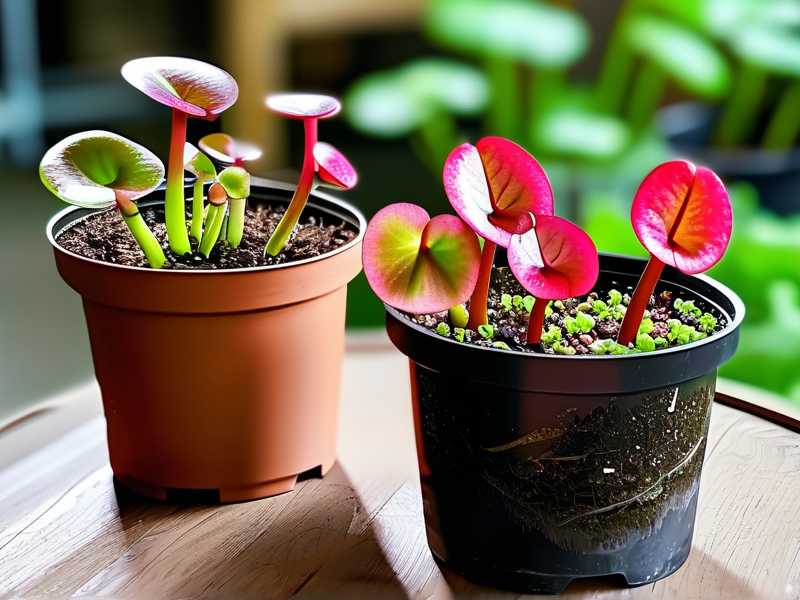
- The Pot and Water Tray: Always use a plastic pot with drainage holes. I avoid clay or ceramic pots, as they can leach minerals into the soil. The pot sits permanently in a shallow water tray (the “tray method”). This mimics the constantly damp conditions of a bog.
- The Growing Medium – The Non-Negotiable: This is critical. Do not use potting soil, compost, or any fertilized mix. It will kill the plant. I use a 50:50 mix of sphagnum peat moss and horticultural perlite. I rinse the perlite in distilled water first to remove dust. Some growers use pure long-fiber sphagnum moss with great success, but I find the peat/perlite mix easier to manage.
- The Water – Perhaps the Most Important Factor: Tap water is usually a death sentence due to dissolved minerals and salts. You must use rainwater, distilled water, or reverse osmosis (RO) water. I collect rainwater or buy distilled water by the gallon. This is non-negotiable for long-term health.
- Lighting for Maximum Color and Dew: Drosera aliciae loves bright light. While it can tolerate some direct sun, I’ve had my best results with strong artificial lighting. I use a simple LED grow light placed about 6-8 inches above the plant, on for 12-14 hours a day. This encourages compact growth, intense red coloration, and, most importantly, prolific dew production.
The First Critical Two Weeks: A Daily Observation Log
I recently acquired a new Drosera aliciae from a reputable nursery. Here’s my documented journey from day one, which highlights what you can expect.
- Day 1-3 (Acclimation): The plant arrived in good health but with minimal dew after shipping. I placed it in its new pot with my standard peat/perlite mix, watered it thoroughly with distilled water, and set it under my LED light. The existing leaves looked a little stressed.
- Day 4-7 (Adjustment): I kept the water tray consistently half-full. The first sign of success appeared: the newest leaves at the center (the growth point) began producing tiny, sticky droplets in the morning. Older outer leaves continued to decline—this is normal. I resisted the urge to feed it.
- Day 8-14 (Establishment): By the end of the first week, new leaves were emerging rapidly from the center. They were fully dewy and showed a beautiful pinkish-red hue under the lights. The plant had clearly rooted and adapted to its new environment. I gave it its first tiny feeding (a fruit fly) on day 10, which it digested within 48 hours.
This two-week pattern is typical. The key is patience—don’t panic if older leaves die back as the plant focuses energy on new root and leaf growth.
Common Pitfalls I’ve Encountered (And How to Solve Them)
I’ve made every mistake so you don’t have to. Here are the big ones.
- Pitfall #1: Using Tap Water. This caused mineral buildup, browning leaf tips, and a general decline. Solution: I immediately switched to distilled water and flushed the pot thoroughly by watering from the top until water ran out the bottom, discarding the runoff. For severely affected plants, repotting into fresh medium was necessary.
- Pitfall #2: Insufficient Light. My first sundew became tall, leggy, and pale green (“etiolated”), with very little dew. Solution: I moved it to a much brighter location under a dedicated grow light. Within weeks, new growth was compact, colorful, and glistening.
- Pitfall #3: Overhandling and “Helping” it Eat. I used to poke the tentacles constantly, fascinated by their movement. This drains the plant’s energy. Solution: I learned to observe, not interfere. I only feed it if it’s indoors and not catching bugs naturally, using a small insect no larger than the leaf.
- Pitfall #4: Letting the Medium Dry Out. Even one day with a dry tray can cause dew loss and stress. Solution: I made checking the water tray part of my daily routine. Consistency is key.
Ongoing Care: Feeding, Dormancy, and Propagation
Once established, your Alice Sundew is remarkably low-maintenance.
- Feeding: If grown outdoors or in a greenhouse, it will catch its own food. Indoors under lights, you can supplement with dried bloodworms (rehydrated in a drop of water) or small insects like fruit flies once every 2-4 weeks. Do not use fertilizer. As the Horticultural Society of Australia’s carnivorous plant resources state, these plants derive their nutrients from prey, not soil.
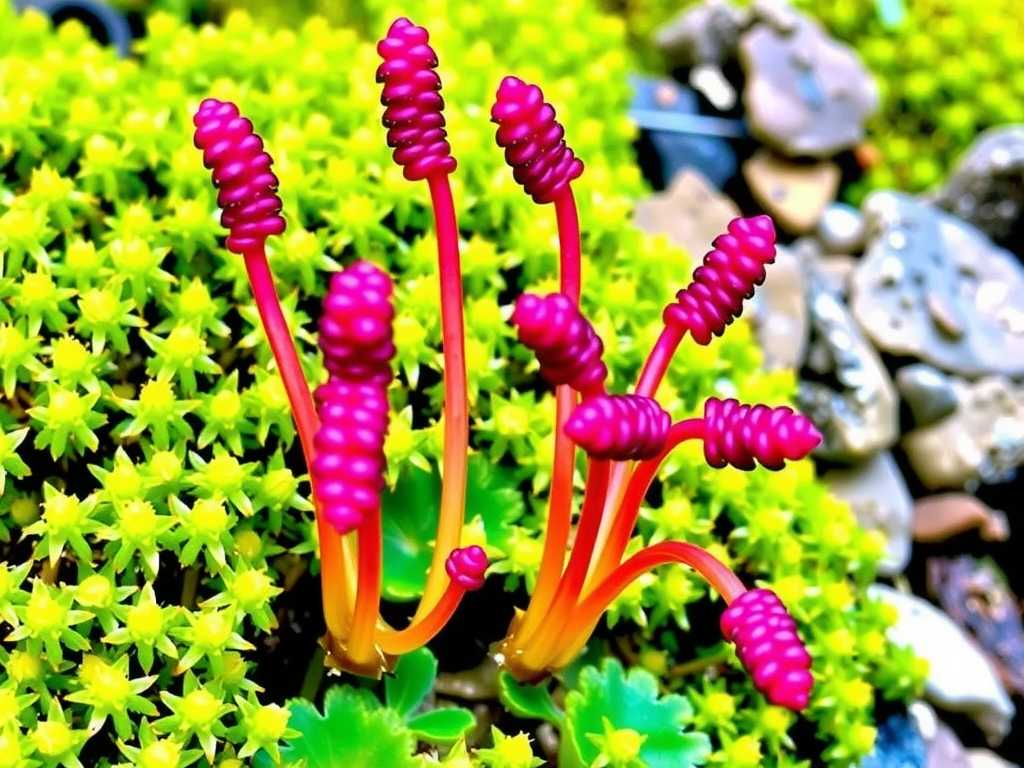
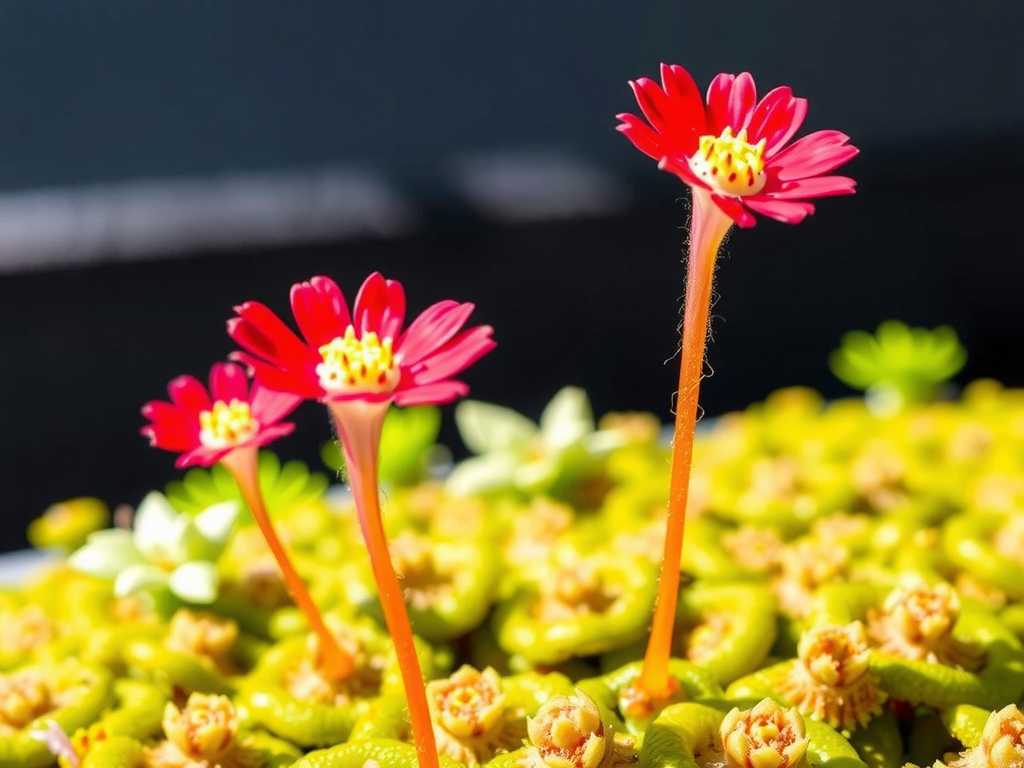
- Flowering and Propagation: Mature plants will send up tall flower stalks with pretty pink flowers. You can let them bloom, but it can slow leaf growth. I sometimes cut the stalk to redirect energy. The easiest propagation method is leaf cuttings. Simply lay a healthy leaf on damp peat moss, and plantlets will form at the base in a few weeks. They also produce offshoots (divisions) that can be carefully separated and potted.
- Subtropical “Dormancy”: Unlike temperate sundews, Drosera aliciae does not require a cold winter dormancy. However, growth may slow slightly in lower-light winter months. Just maintain consistent care year-round.
Troubleshooting a Struggling Alice Sundew Plant
- No Dew: Almost always caused by low humidity, insufficient light, or water stress (wrong type or dry medium). Address lighting and water first.
- Leaves Turning Black: This can be natural aging of older leaves. If new leaves are blackening, it’s often a sign of mineral burn from bad water or fungal rot from poor air circulation.
- Mold or Fungus Gnats: Caused by overly soggy medium and lack of air movement. Allow the water tray to dry slightly between refills, increase airflow with a gentle fan, and use a thin layer of dried sphagnum on the soil surface as a barrier.
Will my Alice Sundew die after flowering? No, this is a common myth. Drosera aliciae is a perennial. While flowering consumes energy, it will not kill the plant. You can choose to let it bloom or cut the stalk to promote more vegetative growth.
Can I grow Drosera aliciae with other plants? Only with other carnivorous plants that share the exact same requirements (pure water, low-nutrient medium), like other subtropical sundews or some pitcher plants. Never pot it with regular houseplants.
How often should I repot my sundew? Repot every 1-2 years in fresh medium to prevent decomposition and salt buildup. The best time is in the active growing season (spring or summer).
Watching a Drosera aliciae thrive is one of the most satisfying experiences for a plant enthusiast. The journey from a nervous new owner to a confident grower is all about understanding its simple but specific needs: pure water, bright light, and the right soil. By mimicking its natural bog habitat and avoiding the common traps of over-care or incorrect materials, you’ll be rewarded with a resilient, dewy, and endlessly fascinating plant. Stick with the fundamentals, be patient during the acclimation period, and you’ll have a thriving colony of these sticky, beautiful sundews before you know it.