bluename
 How to Propagate Sundew in a Terrarium: A Complete Step-by-Step Guide
You’ve fallen in love with the glistening, dewy tentacles of your sundew plant. Now, you want to multiply its otherworldly beauty and create a miniature bog ecosystem in your terrarium. But the process seems daunting. How do you propagate these delicate carnivorous plants without harming them? What if your cuttings rot, or the seeds never sprout? This guide is designed to eliminate that uncertainty. We will walk you through the most effective and reliable methods for how to propagate sundew in a terrarium, ensuring you can successfully expand your collection with confidence.
Understanding your sundew is the first step to successful propagation. Sundews (Drosera) are a diverse genus, and while propagation principles are similar, some methods work better for specific types. Terrariums offer a controlled environment with high humidity and stable temperatures, making them ideal nurseries for young sundew propagations.
Essential Pre-Propagation Terrarium Setup
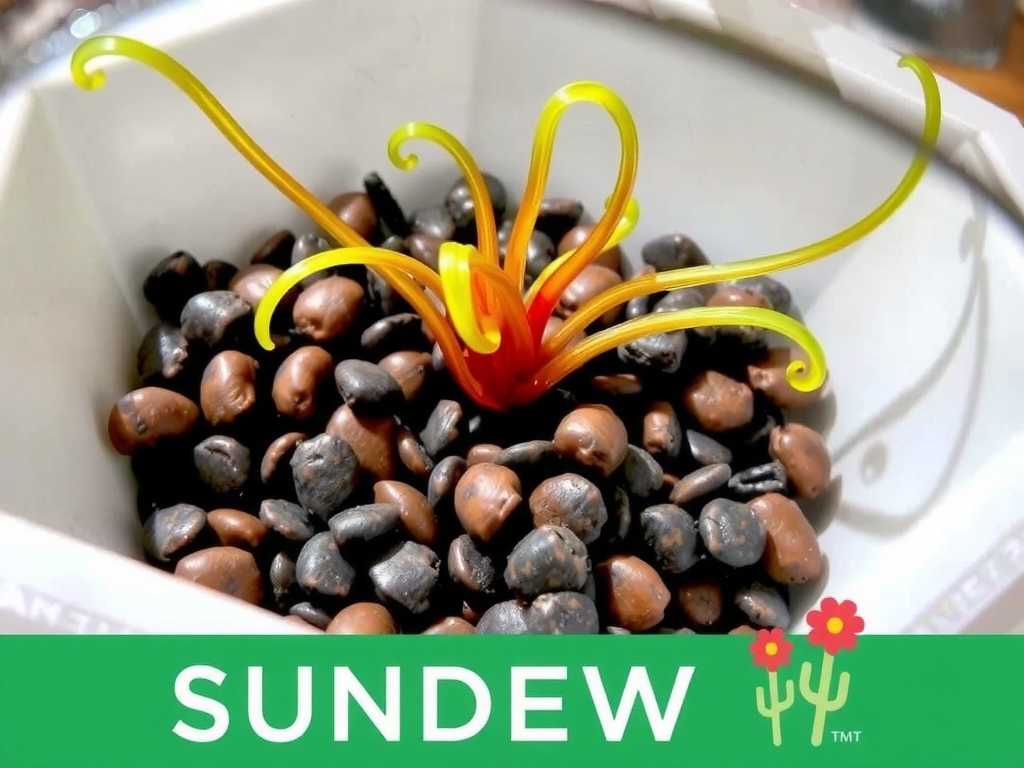
Before you make your first cut or sow a seed, your terrarium environment must be optimal. A poor setup is the most common reason for propagation failure.
Choosing the Right Substrate Never use regular potting soil. Sundews require nutrient-poor, acidic, and consistently moist media. A standard mix is a 1:1 ratio of sphagnum peat moss and horticultural sand or perlite. According to the International Carnivorous Plant Society, this mimics their natural bog habitat and prevents root burn from minerals. Pre-moisten the substrate with distilled water, rainwater, or reverse osmosis water before planting any propagation.
Lighting and Humidity Control Sundews need bright light to produce their sticky dew and thrive. Place your terrarium where it receives several hours of indirect, bright light or use a dedicated full-spectrum LED grow light. Humidity should be high (around 70-80%), which a closed or partially closed terrarium naturally maintains. However, ensure there is some air circulation to prevent fungal growth, a major threat to cuttings and seedlings.
Method 1: Leaf Cuttings (The Most Reliable Technique)
This is often the fastest way to get a new, mature plant. It works exceptionally well for many common terrarium sundews like Drosera capensis or Drosera spatulata.
Step-by-Step Process:
- Select and Cut: Choose a healthy, dew-covered leaf from your parent plant. Using a sterilized blade or scissors, cut the leaf from the stem, including as much of the leaf stalk (petiole) as possible.
- Prepare the Medium: Fill a small pot or a section of your terrarium with your pre-moistened peat-sand mix.
- Place the Cutting: Lay the leaf cut-side down on the surface of the medium. You can gently press the cut end into the substrate, but the entire leaf does not need to be buried. Some growers prefer to float leaves in a small container of water until plantlets form.
- Create a Mini-Greenhouse: Cover the pot with a clear plastic bag or a humidity dome if it's not already inside your closed terrarium. This keeps humidity near 100%.
- Wait and Watch: Place it under bright light. In 2-6 weeks, tiny plantlets will begin to form from the cut tissue. Keep the medium constantly moist. Once the plantlets have developed a few leaves of their own, they can be carefully separated and potted individually into your terrarium sundew setup.
Method 2: Flower Stalk Cuttings (A Clever Trick)
When your sundew sends up a flower stalk, don't just cut it off to save the plant's energy. You can use it for propagation! This method is excellent for propagating carnivorous plants that might not produce viable seeds.
How to Do It:
- Allow the flower stalk to grow to about 2-3 inches tall.
- Cut it off close to the base using a sterile tool.
- Lay the stalk horizontally on the moist propagation medium, much like a leaf cutting.
- Maintain high humidity and bright light. Small plantlets will often form along the length of the stalk. This method effectively turns a structure that consumes energy into a source of new plants.
Method 3: Seed Propagation (The Patient Grower's Method)
Growing sundews from seed is rewarding and allows for large numbers of plants. It's perfect for filling a terrarium landscape.
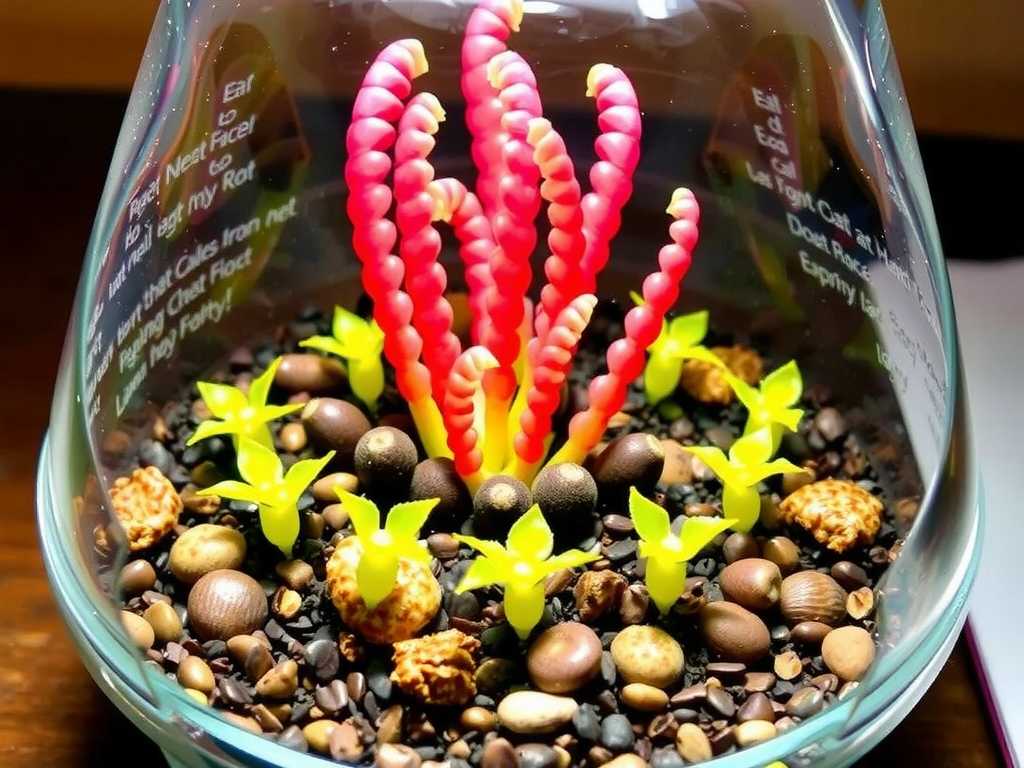
Sowing and Germination Care: Sundew seeds are tiny and require light to germinate. Scatter them directly on the surface of your prepared terrarium substrate. Do not bury them. Gently mist the surface with distilled water to settle them. Keep the terrarium closed to maintain consistent moisture and humidity. Place it in a warm, bright location. Germination can take anywhere from 2 to 8 weeks. Be patient and never let the surface dry out. As noted by carnivorous plant expert Dr. Barry Rice in his writings, a consistent film of moisture is critical for sundew seed germination success.
Managing Seedlings in a Terrarium Environment Once sprouted, the seedlings will be extremely small. Ensure they receive ample light to prevent elongation and weakness. Water from below by placing the propagation tray in a shallow dish of water, or mist very gently to avoid displacing the tiny plants. Thin them out as they grow to prevent overcrowding.
Method 4: Division and Root Cuttings
For sundews that form clumps or have robust root systems, division is a simple option.
Dividing Mature Plants: Carefully remove a mature, multi-crowned plant from its pot. Gently tease apart the root ball, separating individual rosettes or growth points, ensuring each has some roots attached. Replant the divisions immediately.
Root Cuttings: Some tuberous or fibrous-rooted sundews can be propagated from root pieces. Cut a section of healthy root (about 1-2 inches long) and place it horizontally just under the surface of the moist medium. New shoots will emerge from the root tissue.
Post-Propagation Care in Your Terrarium
Your job isn't over once plantlets appear. The first few months are crucial.
Acclimating New Plants: If you propagated in a super-high-humidity environment (like a bag), slowly acclimate the new plants to the slightly lower humidity of your main terrarium over a week by gradually increasing ventilation.
Feeding and Watering: Young sundews benefit from tiny food sources. You can feed them minute pinches of crushed fish food or freeze-dried bloodworms. Never use fertilizer. Continue watering exclusively with pure water, keeping the substrate perpetually damp but not waterlogged.
Troubleshooting Common Issues:
- Fungus or Mold: This is the top enemy. Increase air circulation immediately. A small fan nearby or opening the terrarium lid for a few hours daily can help. In severe cases, a light application of a sulfur-based fungicide may be necessary.
- No Growth or Rotting Cuttings: Usually caused by stale conditions, poor lighting, or contaminated tools. Ensure your tools are sterile, light is sufficient, and the medium is fresh and airy.
- Dried Out or Dew-Less Plantlets: A sign of low humidity or improper water. Check that your terrarium is retaining moisture and that you are using mineral-free water.
How long does it take for a sundew leaf cutting to produce a new plant? You can typically expect to see tiny plantlets forming within 3 to 6 weeks, depending on the species and environmental conditions. It may take several months for the plantlet to grow to a size suitable for independent transplanting.
Can I use tap water for my propagated sundews in the terrarium? It is strongly discouraged. The minerals and chemicals in tap water (like chlorine and fluoride) can accumulate in the terrarium substrate, burning the sensitive roots of young sundews and inhibiting growth. Always use distilled, rainwater, or reverse osmosis water.
Why are my sundew seeds not germinating in the terrarium? The most common reasons are old or non-viable seeds, insufficient light (they need light to germinate), or the surface drying out. Ensure your seeds are fresh, surface-sown, and that the terrarium medium surface remains constantly moist with a fine film of pure water under bright, indirect light.
Successfully propagating sundews transforms your terrarium from a static display into a living, growing project. By choosing the right method—whether it's the swift leaf cutting, the clever flower stalk trick, or the patient seed journey—and pairing it with a meticulously prepared environment, you unlock the ability to cultivate these fascinating carnivores. Remember, consistency in moisture, light, and purity of water forms the foundation. Start with a hardy species, apply these clear steps, and soon you'll be sharing the wonder of a propagated sundew with fellow enthusiasts.