bluename
 How to Grow Drosera Spathulata 'Tamlin' Successfully: A Complete Cultivation Guide
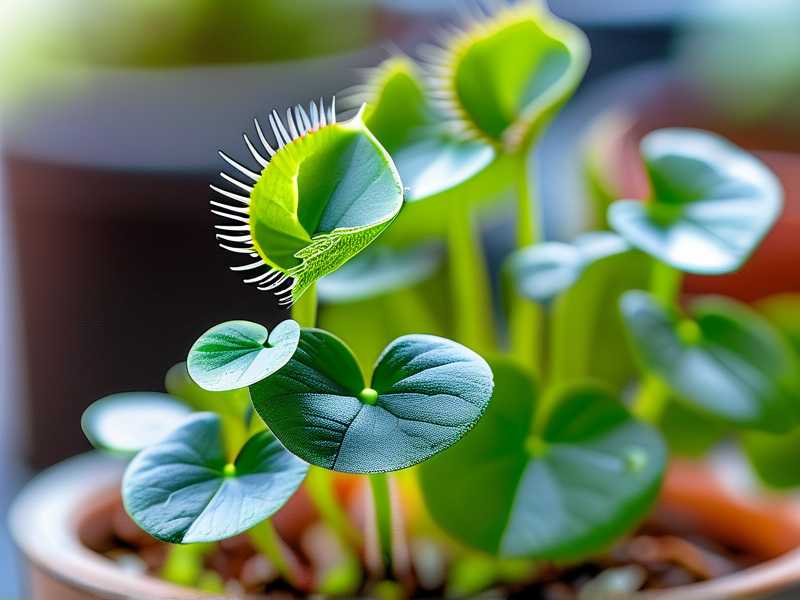
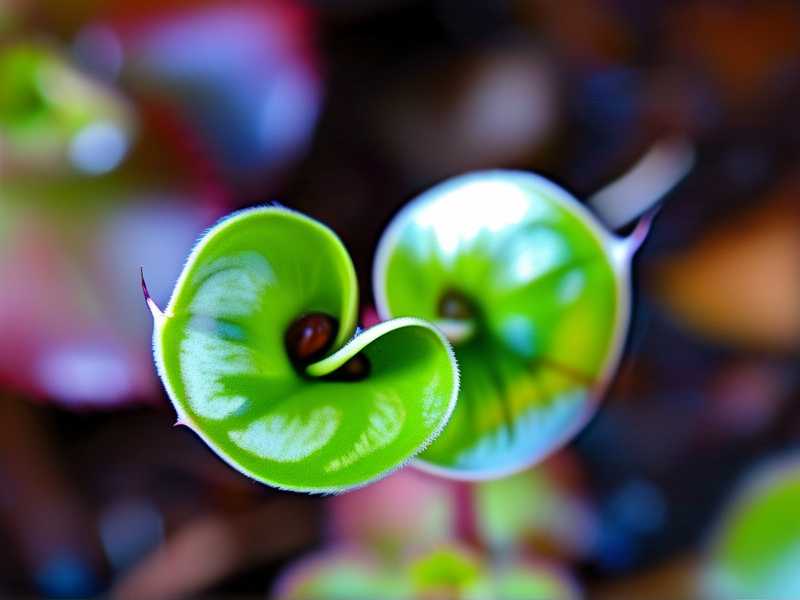
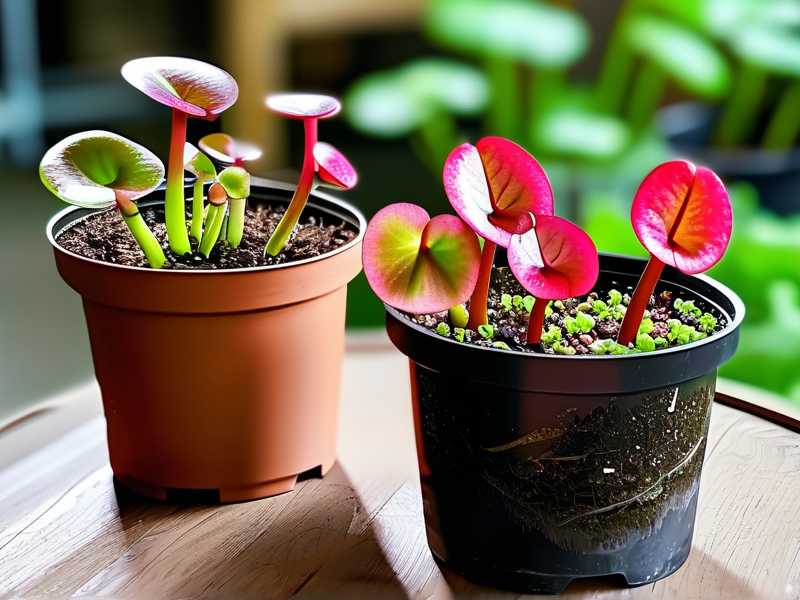
You've acquired the captivating Drosera spathulata 'Tamlin', a stunning cultivar of the spoon-leaved sundew, drawn in by its vibrant, dewy rosettes. Yet, that initial excitement is quickly replaced by anxiety as you watch its once-glistening tentacles dry out, or its compact form begins to falter. The struggle to replicate its natural boggy habitat on a windowsill or in a terrarium is real. This guide is designed to transform that struggle into success, providing you with the clear, actionable steps needed to not just keep your 'Tamlin' alive, but to help it thrive and multiply.
Understanding Your Plant: The Origins of Drosera Spathulata 'Tamlin'
Before diving into care, understanding what makes this plant special is key. Drosera spathulata is a widespread species, but 'Tamlin' is a selected cultivar known for its particularly brilliant red coloration and reliable, compact growth habit. Unlike tropical sundews, it hails from temperate and subtropical regions, often experiencing seasonal variations. This background is crucial—it informs its need for a distinct winter rest period and its tolerance for a range of temperatures. Grasping this genetic blueprint is the first step toward expert cultivation.
The Four Pillars of Sundew Success: Light, Water, Soil, and Humidity
Mastering these four elements creates the foundation for a flourishing carnivorous plant.
Light: The Engine of Red Color and Dew Production Drosera spathulata 'Tamlin' demands bright, direct light for at least 4-6 hours daily. Insufficient light is the most common culprit behind poor dew production and lackluster, green foliage. A south-facing window is ideal in the Northern Hemisphere. For consistent, year-round growth, many growers swear by LED or fluorescent grow lights placed 6-12 inches above the plant, running for 12-14 hours a day. Under intense light, 'Tamlin' will reward you with its signature deep red hues and sticky, mucilaginous traps glistening with digestive enzymes.
Water: The Non-Negotiable Rule Always use pure water. Mineral-rich tap, spring, or bottled water will accumulate salts in the soil, quickly poisoning your sundew. Distilled, reverse osmosis (RO), or collected rainwater are the only safe options. The watering method is equally critical: the tray method. Always keep your pot sitting in 0.5 to 1 inch of pure water. The soil should remain permanently moist, mimicking its natural bog environment. Never let the tray dry out completely, and never water from the top in a way that washes dew off the leaves.
Soil: A Nutrient-Free Foundation Fertilizer is a death sentence for these adapted plants. They derive all nutrients from their insect prey. The growing medium must be acidic, airy, and devoid of nutrients. A standard mix is a 1:1 ratio of sphagnum peat moss to perlite or horticultural sand. Ensure all components are unfertilized. This mix provides excellent moisture retention while preventing root rot. Repotting is rarely needed more than every 2-3 years, as these plants have shallow root systems.
Humidity: Supporting Dew Formation While 'Tamlin' is more adaptable than some tropical sundews, moderate humidity (above 50%) aids in robust dew formation. In very dry homes, especially during winter, a simple humidity tray (a shallow tray filled with pebbles and water) placed beneath the pot can help. Terrariums can work but require careful attention to avoid overheating and fungal issues under strong lights.
Feeding and Dormancy: The Advanced Care Cycle
Feeding: A Supplemental Boost Your plant can catch its own food if placed outdoors or in a sunny, indoor location where gnats or fruit flies are present. If not, you can supplement feed small, soft-bodied insects like fruit flies or bloodworms every 2-4 weeks. Place the insect directly on a leaf's dew. Avoid overfeeding; one leaf fed per plant is sufficient. Never use fertilizer or meat.
Navigating the Dormancy Period As a temperate cultivar, Drosera spathulata 'Tamlin' benefits from a winter dormancy. As daylight wanes in late autumn, you may notice slower growth and some leaf die-back. This is normal. During this period (approximately 3-4 months), reduce the water level slightly (just keep the soil damp, not soggy), and provide cooler temperatures, ideally between 40-55°F (5-13°C). A bright, cool windowsill or an unheated garage with a grow light is perfect. This rest period rejuvenates the plant for vigorous spring growth.
Propagation: Creating New Plants
One of the joys of growing 'Tamlin' is how readily it propagates.
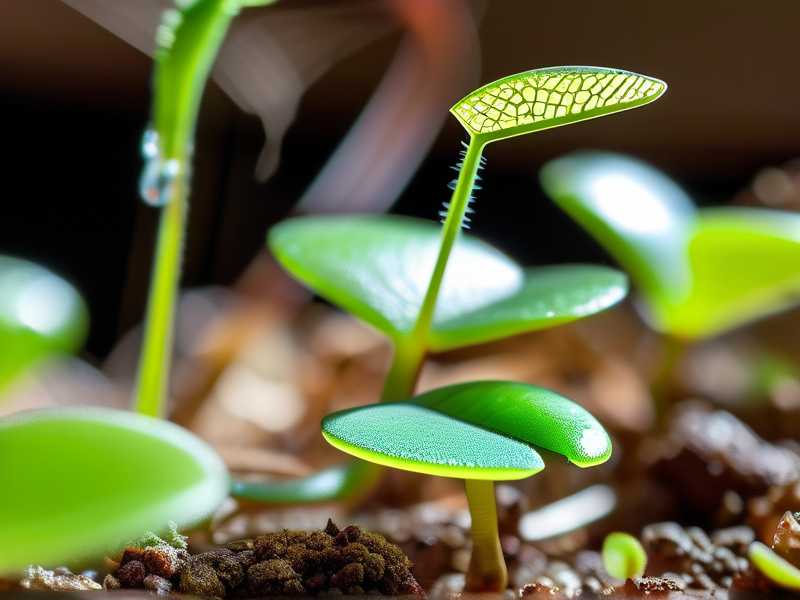
Leaf Pullings: The Easiest Method In spring or summer, select a healthy, dewy leaf. Gently pull it from the base, trying to include a tiny white piece of the stem (the petiole). Lay this leaf, dew-side up, on moist peat moss. Cover with a clear lid or bag to maintain humidity. In a few weeks, tiny plantlets will sprout from the base. This method has a very high success rate.
Seed Propagation After flowering, your plant may produce seed pods. Seeds can be sown on the soil surface and require light to germinate. Keep them consistently warm and moist. While rewarding, growing from seed is a slower process to achieve a mature plant.
Troubleshooting Common Issues
- Lack of Dew: Almost always caused by insufficient light or the use of impure water. Reassess your light source first.
- Brown or Blackening Leaves: This can be a natural process of older leaves dying back. If new growth is also affected, check for mineral burn from bad water or root rot from stagnant, non-aerated soil.
- Fungus Gnats: While the plant will eat them, large infestations can be a nuisance. Use sticky traps and allow the water tray to dry slightly for a day between refills to disrupt their lifecycle.
- Leggy, Pale Growth: A definitive sign of etiolation due to low light. Increase light intensity immediately.
My Drosera spathulata 'Tamlin' has stopped producing dew. What did I do wrong? The most likely culprits are inadequate lighting or water quality. Ensure it receives several hours of direct sunlight or equivalent grow light intensity, and confirm you are using only distilled, rainwater, or RO water. Low humidity can also be a contributing factor.
Do I need to feed my sundew insects regularly? No, regular feeding is not necessary for survival. Sundews are adept at catching their own prey. Supplemental feeding is just that—a supplement to promote faster growth. A plant receiving ample light will be healthy even without manual feeding.
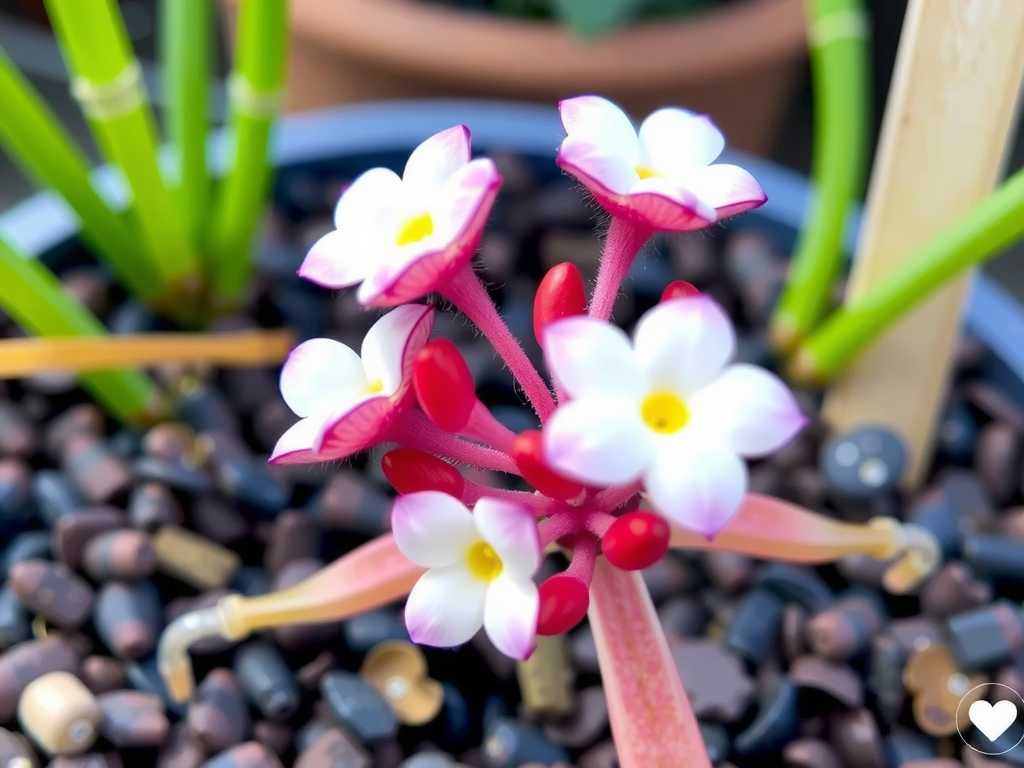
What should I do when my 'Tamlin' starts flowering? Flowering is a sign of a happy plant! The small pink flowers on tall stalks are charming. Be aware that flowering can divert energy from leaf growth. If the plant seems to weaken, or if you wish to prioritize vegetative growth, you can simply snip the flower stalk off at the base. If you let it flower and set seed, you can collect them for propagation.
Cultivating Drosera spathulata 'Tamlin' is a deeply rewarding experience that demystifies the world of carnivorous plants. By faithfully providing intense light, pure water, the correct soil, and respecting its seasonal dormancy, you will be rewarded with a resilient, colorful, and fascinating specimen. The key lies in consistency—mimicking the stable, yet specific, conditions of its natural habitat. With patience and attention to these details, your 'Tamlin' will not only survive but will become a thriving centerpiece of your plant collection, continuously captivating you with its glistening, insect-trapping beauty.