bluename
 How to Fix Sundew Dew Turning Brown: A Complete Care Guide
You've carefully chosen the perfect sundew, marveling at its glistening, sticky dewdrops that promise a natural pest control solution. But now, those sparkling droplets are turning brown, drying up, or disappearing entirely. It's a disheartening sight that leaves many carnivorous plant owners worried and full of questions. Is your plant dying? What did you do wrong? The good news is that in most cases, browning sundew dew is a fixable symptom, not a death sentence. This guide will walk you through the precise reasons behind this issue and provide actionable, step-by-step solutions to restore your plant's dazzling, deadly gleam.
Understanding the "dew" is crucial to fixing the problem. These droplets are not water but a complex, sticky mucilage secreted by the plant's tentacles. They serve the dual purpose of attracting prey and digesting it. When this dew production falters or the dew turns brown, it's your sundew's clear signal that its environmental needs aren't being met.

Diagnosing the Causes of Brown or Missing Dew
Before you can treat the issue, you need to play plant detective. Browning dew typically stems from a few key environmental failures. Let's identify the most common culprits.
Inadequate Watering Practices
This is the number one cause of dew loss. Sundews are bog plants, and their watering needs are non-negotiable.
- Using Tap Water: Minerals, chlorine, and salts in tap, bottled, or filtered water are toxic to sundews. They slowly poison the roots, leading to poor dew production and overall decline.
- Incorrect Watering Method: Allowing the plant to dry out or using the wrong watering technique stresses the plant, forcing it to conserve resources—often at the expense of dew.
Insufficient or Incorrect Lighting
Light is the energy source for dew production. Without enough of it, your plant cannot manufacture the sugars needed to create its sticky mucilage.
- Low Light Intensity: A sundew in a dim windowsill will often produce small, dry leaves with little to no dew as it stretches for light.
- Duration Matters: Even a bright light for only a few hours a day is insufficient. They thrive on long photoperiods.
Humidity Levels That Are Too Low
While some species are adaptable, most sundews originate from humid environments. Extremely dry air, especially from heating or air conditioning vents, can cause dew to evaporate faster than the plant can produce it or cause it to dry into a brownish residue.
Physical Damage and Natural Lifecycle
Sometimes, the cause is simpler.
- Tentacle Contact: Each tentacle's dew gland can only secrete its glue once. If touched, that droplet is gone for good on that tentacle.
- Leaf Aging: It is perfectly normal for older leaves at the base of the plant to lose their dew and eventually brown and die as the plant grows new ones from the center.
Step-by-Step Solutions to Restore Healthy Dew
Once you've diagnosed the likely cause, follow these targeted steps to revive your sundew's sparkle.
Step 1: Perfect Your Watering Routine
Immediately correct your water source and method.
- Switch to Pure Water: Use only rainwater, distilled water, or reverse osmosis water. This change alone can trigger a remarkable recovery within weeks.
- Employ the Tray Method: Place your pot in a saucer or tray and keep it consistently filled with 0.5 to 1 inch of pure water. This mimics the plant's natural bog habitat, allowing it to absorb moisture from the bottom as needed. Never let the tray dry out completely.
Step 2: Optimize Light Exposure
Provide the fuel for dew production.
- Provide Direct Sunlight: Place your sundew in a south-facing window (north-facing in the Southern Hemisphere) where it can receive at least 6 hours of direct sunlight.
- Supplement with Grow Lights: If natural light is insufficient, use a full-spectrum LED grow light. Position it 6-12 inches above the plant and provide 12-16 hours of light per day. You will see a direct correlation between increased light and increased dew.
Step 3: Manage Humidity Effectively
Create a localized humid microenvironment.
- Use a Humidifier: This is the most effective method for raising ambient humidity, especially in dry climates or during winter.
- Group Plants Together: Placing plants close together creates a shared, more humid microclimate.
- Avoid Misting: While intuitive, misting is not recommended. It can wash away precious dew and does not provide lasting humidity. It may also encourage fungal growth on leaves.
Step 4: Practice Proper Feeding and Grooming
Support your plant's health without harming it.
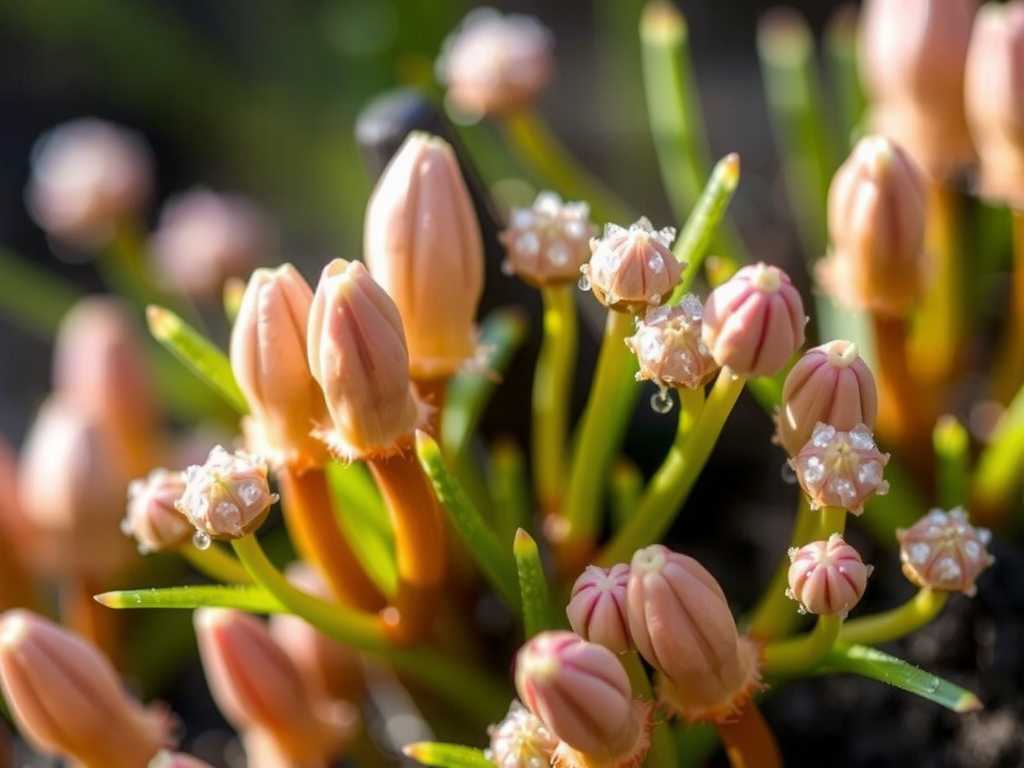
- Feed Sparingly: If your plant is indoors and dew-less, it cannot catch food. Once dew returns, you can feed it a small, soft insect (like a fruit fly) to a few leaves every 2-4 weeks. Never use fertilizer or chunks of meat.
- Remove Old Leaves: Gently trim away completely brown, dead leaves at the base to improve air circulation and appearance. Avoid touching healthy, dewy tentacles.
How to Prevent Sundew Dew Problems Long-Term
Consistency is key. Make these practices part of your regular care routine to avoid future issues.
- Seasonal Adjustments: Be mindful of lower humidity in winter and adjust with a humidifier. Light levels may also drop, potentially requiring a grow light supplement.
- Acclimate New Plants: When bringing a new sundew home or moving its location, allow it to acclimate gradually to stronger light to prevent shock and temporary dew loss.
- Observe and Respond: Your plant is your best guide. Sparse dew indicates a need for more light or better water. Crispy leaf tips often signal low humidity or mineral burn from bad water.
Is it normal for sundew dew to disappear at night? Yes, this is a common and normal phenomenon. Some sundew species reduce or reabsorb their dew at night and produce fresh droplets in the morning when light returns. This is not a cause for concern.
My sundew has dew but it's not sticky. What's wrong? Non-sticky dew often points to very low humidity, causing the mucilage to dry out and lose its tackiness before it can function. Increasing humidity around the plant, as outlined above, should resolve this.
I've fixed the water and light, but my sundew still isn't producing dew. What now? Recovery takes time. A plant that has been stressed may need several weeks to a month of consistent, correct care to fully rebound and begin producing new, healthy leaves with abundant dew. Ensure it is not in the path of drying drafts and be patient. Focus on new growth from the center; that's where you'll see improvement first.
Restoring the brilliant dew on your sundew is a rewarding process that hinges on mimicking its natural habitat. By providing pure water through consistent bottom-watering, intense and prolonged light, and appropriate humidity, you create the foundation for a thriving plant. Remember that browning dew is a message, not a final verdict. With careful observation and these targeted adjustments, you can transform your struggling sundew back into a sticky, glistening jewel of the carnivorous plant world.