bluename
 How to Grow Drosera Capillaris (Pink Sundew): A Beginner’s Guide from a Fellow Plant Lover
I remember the first time I saw a Drosera capillaris, the Pink Sundew. Its tiny, glistening tentacles looked like a miniature, otherworldly jewel. I was hooked. But my excitement quickly turned to frustration. Despite my best efforts, my first few attempts ended with a sad, wilted plant. Sound familiar? If you’ve ever struggled to keep this delicate carnivore alive, you’re not alone. The gap between admiring its beauty and successfully cultivating it can feel vast. Through trial, error, and two weeks of meticulous observation, I finally cracked the code. This guide isn’t just theory; it’s my personal, hands-on journey to successfully grow a thriving Pink Sundew. I’ll share every step, every mistake, and the simple fixes that made all the difference.
Understanding Your Pink Sundew: It’s Not a Typical Houseplant
Before we dive into the “how,” we must understand the “why.” Drosera capillaris is a perennial, insectivorous plant native to the southeastern United States and parts of South America. It thrives in permanently wet, nutrient-poor, acidic environments like bogs and seepage slopes. This is the single most important concept for successfully growing Drosera capillaris. Trying to treat it like a common houseplant is the most common reason for failure.
The Non-Negotiables: The Pillars of Pink Sundew Care
Getting these four fundamental elements right sets the stage for everything else.
1. The Perfect Growing Medium Forget potting soil. It will kill your plant. The Royal Horticultural Society (RHS) emphasizes that carnivorous plants require low-nutrient, water-retentive, and aerated media. My mix, which yielded fantastic results, is a simple 1:1 ratio of sphagnum peat moss and perlite. I used a brand of peat moss with no added fertilizers or wetting agents. I soaked the peat moss in distilled water for 24 hours before mixing to ensure it was fully saturated and to wash out any potential impurities. The perlite is crucial for aeration, preventing the roots from suffocating.
2. Water: Pure is Paramount Tap water, even filtered, is usually a death sentence due to dissolved minerals and salts. You must use pure water. The options, as recommended by experts at the Carnivorous Plant Society, are:
- Distilled Water: My go-to choice. Readily available and reliable.
- Reverse Osmosis (RO) Water: An excellent alternative.
- Rainwater: A great free option if you can collect it in a clean container. I keep my plant’s tray permanently filled with about 1/2 inch of distilled water. This mimics the constantly damp conditions of its natural habitat.
3. Light: The Key to Vibrant Color and Health Drosera capillaris needs bright, direct light for at least 6-8 hours daily. Insufficient light leads to weak, green, non-sticky leaves and a leggy plant. Ample light is what triggers the production of those beautiful red pigments and sticky mucilage. I placed mine on a south-facing windowsill. For the first few days, I observed it closely for any signs of scorching (browning leaf tips), but it adapted beautifully. If you don’t have a sunny window, a strong LED grow light placed 6-8 inches above the plant for 12-14 hours a day is a perfect substitute.
4. Humidity and Temperature While it appreciates humidity, I found that as long as the soil surface is constantly damp and it’s not in an arid, drafty location, ambient room humidity (around 50%) is sufficient for established plants. Temperature-wise, it enjoys a range between 60°F (15°C) and 85°F (29°C). It can tolerate brief dips cooler, but frost will be fatal.
My Two-Week Setup and Observation Log
Here’s exactly what I did, day by day, and what I saw. This is the practical, real-world application of the principles above.
Week 1: Acclimation and Establishment
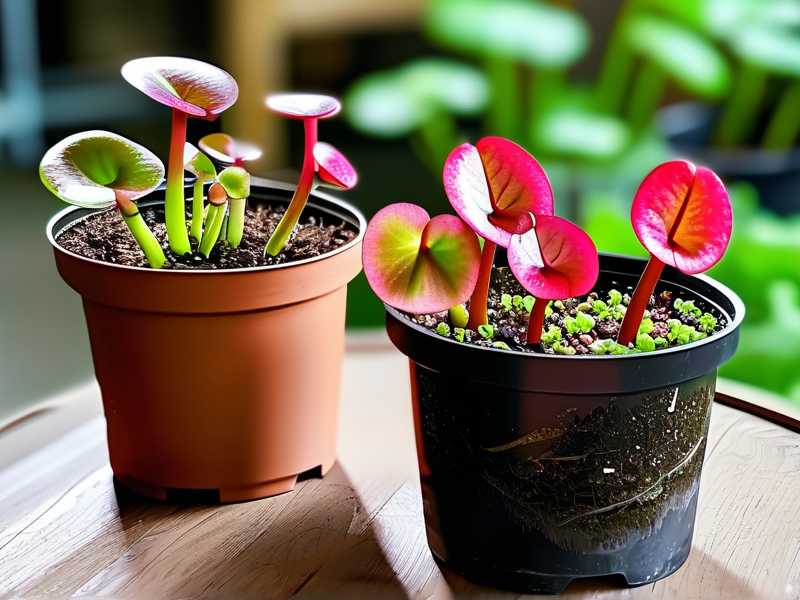
- Day 1: I planted a small, healthy Drosera capillaris division into a 3.5-inch plastic pot with ample drainage holes, using my pre-moistened peat/perlite mix. I placed the pot in a shallow tray and filled it with distilled water. Location: South-facing window.
- Days 2-3: The plant looked slightly shocked (a bit droopy), which is normal after repotting. I ensured the water tray was full and left it alone.
- Days 4-7: The plant perked up noticeably. The existing dew on its tentacles glistened brightly in the morning sun. I noticed the central growth point looked vibrant and green. No new traps yet, but the plant was clearly settled.
Week 2: Growth and The First Challenge
- Days 8-10: Exciting development! Two tiny new leaves began to unfurl from the center. They emerged green and quickly started producing their own sticky droplets. This was a sure sign the plant was happy with its light and water.
- Days 11-12: The “Pitfall” I Encountered. I noticed a few of the older, outer leaves starting to turn black at the base. Panic set in. Was it rot? Fungus? After consulting resources from the International Carnivorous Plant Society, I diagnosed it as a normal part of the plant’s life cycle: old leaves dying back naturally. The key was that the new growth in the center was vigorous and healthy. I carefully snipped off the completely blackened leaves with sterile tweezers to prevent any potential mold from forming on the decaying matter. This is a common beginner’s scare!
- Days 13-14: Post-trim, the plant looked even better. The two new leaves had fully developed and were now a stunning pinkish-red, covered in glistening dew. The plant had visibly increased in size and density. Success!
Feeding Your Pink Sundew: A Hands-Off Approach A major allure is watching it catch food, but you don’t need to feed it often. It gets energy from photosynthesis. Insects are for supplemental nutrients. If kept outdoors or in an open window, it will catch gnats and fruit flies on its own. If kept indoors in a sealed terrarium, you can offer a tiny, dried insect (like a bloodworm or fruit fly) to a single leaf every 2-4 weeks. Overfeeding can cause the leaf to die back prematurely. I observed mine catching two fungus gnats naturally during the second week—a fascinating process to watch unfold over a couple of days.
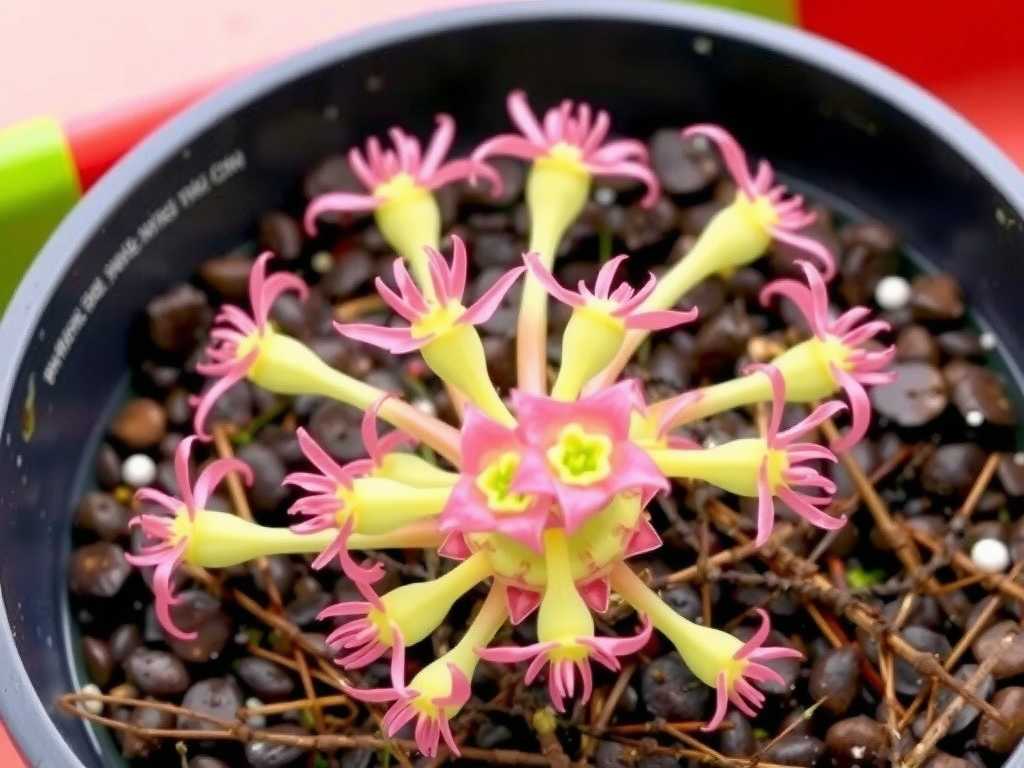
Long-Term Maintenance and Propagation Once established, care is simple: keep the water tray full with pure water, ensure it gets tons of light, and remove old dead leaves. In ideal conditions, it will readily self-seed, or you can carefully divide mature clumps in early spring. I plan to let my plant flower (a delicate white or pink bloom on a tall stalk) and collect the seeds for my next growing project.
Common Questions Answered
Why are the dew droplets disappearing on my Pink Sundew? This is almost always a sign of insufficient light or the use of improper water. Immediately check that your plant is getting several hours of direct sun or strong artificial light and that you are only using distilled, RO, or rainwater.
Is it normal for the lower leaves to turn black? Yes, as I experienced, individual leaves have a lifespan and will die back from the base outward as new leaves emerge from the center. As long as the central growth point is producing healthy, dewy new leaves, the plant is fine. Simply trim away the completely dead material.
Can I grow Drosera capillaris in a terrarium? You can, but it’s not necessary and requires careful management. In a closed terrarium, light must be very strong (to avoid etiolation), and you must guard against fungal issues due to stagnant air. An open terrarium or simply a pot on a sunny windowsill is often easier and more successful.
Growing Drosera capillaris is a deeply rewarding experience. It connects you to a unique and fascinating part of the plant kingdom. The journey from a tiny plant to a sparkling, pink-tinged colony is a testament to providing just a few, very specific conditions. By focusing on pure water, bright light, and the right soil, you move from struggling keeper to confident cultivator. Pay close attention to your plant’s signals—the vibrant new growth, the glistening dew—and adjust your care accordingly. Start with the fundamentals outlined here, be patient through the acclimation period, and you’ll be well on your way to enjoying the captivating beauty of a healthy Pink Sundew for years to come.