bluename
 How to Grow Drosera Burmannii (Burman's Sundew): A Beginner’s Guide from a Fellow Plant Lover
I remember the first time I saw a Drosera burmannii, or Burman's Sundew. It was a tiny, star-shaped rosette glistening with dewy tentacles, looking both delicate and deadly. I was instantly hooked. But my initial attempts to grow this captivating carnivorous plant ended in disappointment—crispy leaves, no dew, and a sense of defeat. If you’ve ever felt the frustration of watching your sundew struggle, you’re not alone. The common pain points—poor soil, incorrect watering, insufficient light—can quickly turn excitement into despair. After years of trial, error, and dedicated observation, I’ve perfected a reliable method. This guide isn’t just theory; it’s the exact step-by-step process I used to transform a batch of seeds into thriving, sticky carnivores, documented over a critical two-week establishment period.
Understanding Your Drosera Burmannii
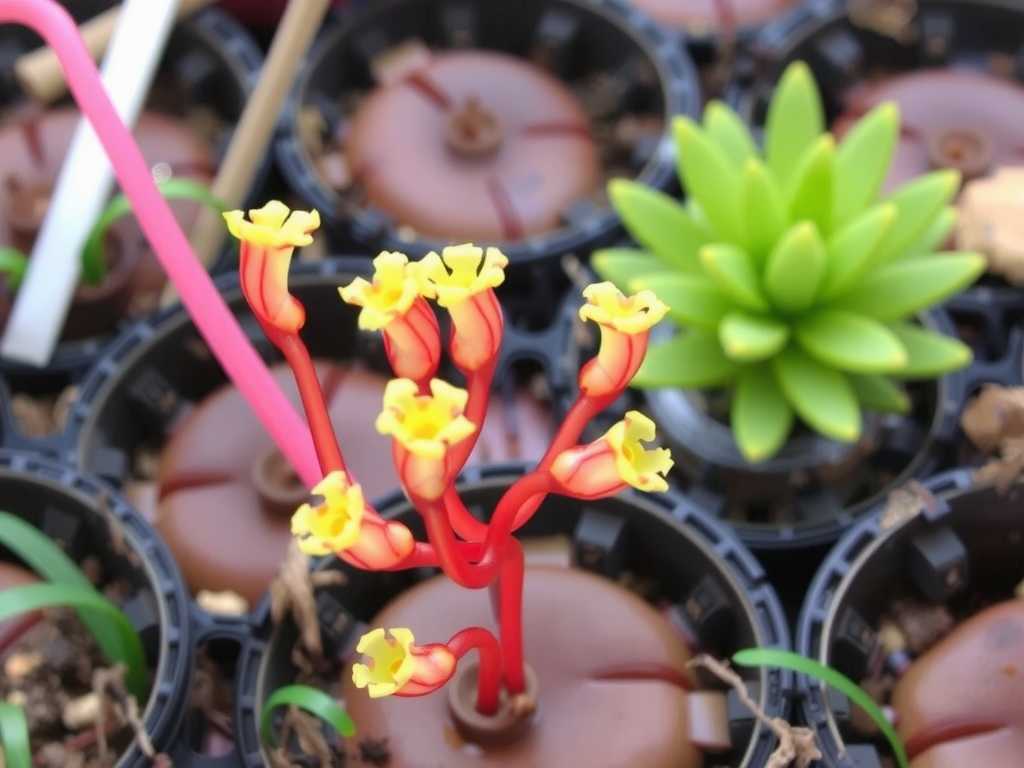
Before we get our hands dirty, let’s understand what makes this plant special. Drosera burmannii is an annual or short-lived perennial sundew native to a wide range from Asia to Australia. Unlike some high-maintenance carnivores, Burman's Sundew is often praised for its relative speed and forgiving nature, making it an excellent beginner carnivorous plant. However, "forgiving" doesn't mean it thrives on neglect. Its core needs are non-negotiable.
According to the International Carnivorous Plant Society (ICPS), all Drosera species, including D. burmannii, have evolved in nutrient-poor, waterlogged environments. Their sticky tentacles are a brilliant adaptation to harvest nutrients from insects. This is why standard potting mixes are toxic to them; they are adapted to extremely low-nutrient conditions. As horticulturist and author Barry Rice notes in his authoritative work, "Growing Carnivorous Plants," the single most common cause of failure is using mineral-rich soil or water.
My Complete Setup and Step-by-Step Growing Process
Here is the exact protocol I followed for my most recent and successful batch.
Gathering the Right Materials You cannot cut corners here. I used:
- Seeds: Sourced from a reputable carnivorous plant nursery.
- Soil: A 50:50 mix of pure sphagnum peat moss and horticultural perlite. I rinsed the perlite in distilled water to remove dust.
- Pot: A 3-inch plastic pot with multiple drainage holes.
- Water: Distilled water, reverse osmosis (RO) water, or rainwater only. Tap water, even filtered, usually contains dissolved minerals that will accumulate and kill the plant.
- Light Source: A strong LED grow light capable of delivering high intensity. A sunny south-facing window might work, but my consistent success started with artificial lights.
- Tray: For the water tray method.
Step 1: Planting and the Initial Soak I filled the pot with the pre-moistened peat/perlite mix, leaving about half an inch from the rim. I scattered the tiny seeds gently on the surface; they need light to germinate, so I did not bury them. Then, I placed the pot in a tray filled with about half an inch of distilled water. This tray watering method for sundews is crucial—it keeps the medium consistently moist from below, mimicking their natural bog habitat. I placed the setup directly under my grow lights, set on a 14-hour daily cycle.
The First 48 Hours: Setting the Stage In the first two days, nothing visible happens. But this period is about environment. I ensured the temperature stayed between 70-85°F (21-29°C), which is ideal for germination. The soil surface remained moist from the high humidity in the tray’s microclimate.
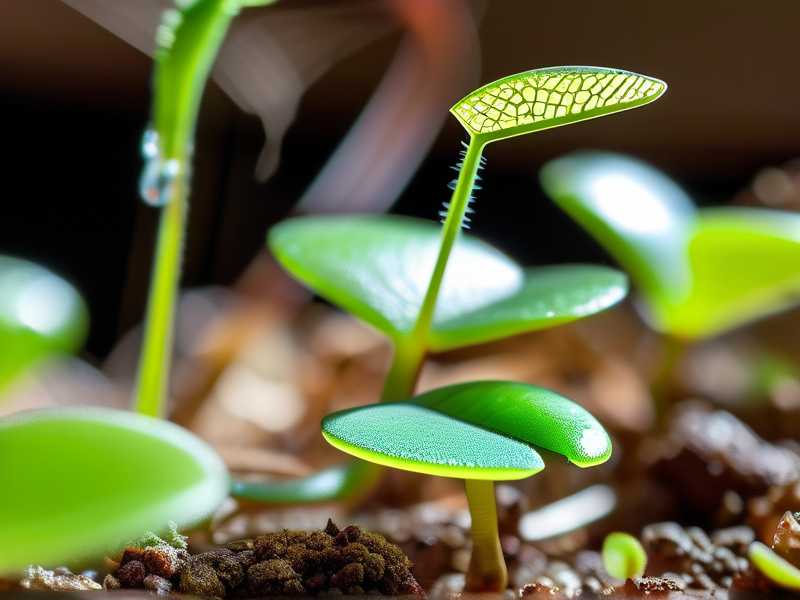
Days 3-7: Germination and Early Vigilance Around day four, I spotted the first tiny green specks! This is a thrilling moment. Over the next three days, dozens more sprouted. Here’s the first "pitfall" I encountered and solved: Algae growth. Because the surface is constantly wet and under bright light, a green film started to form. Previously, I’d panic and disturb the seedlings. This time, I carefully reduced the water level in the tray slightly, allowing the very top surface to be damp but not submerged. I also improved air circulation with a small fan set on low, placed several feet away. This simple adjustment suppressed the algae without drying out the seedlings.
Days 8-14: The Critical Development Phase This two-week mark is where my previous attempts often failed. The seedlings were up, but then they’d damp off or stop growing. My sustained observation here was key.
- Light Intensity: I noticed the seedlings stretching slightly. They were getting light, but not enough. Citing research on photomorphogenesis in carnivorous plants, I knew they needed more intensity to produce proper, dewy leaves. I safely lowered my grow light, increasing the PPFD (Photosynthetic Photon Flux Density). Within 48 hours, the stretching stopped. The rosettes began to flatten and compact.
- First Tentacles: By day 10, the true leaves started developing their characteristic red tentacle tips. This was my sign that the light was now correct.
- Watering Consistency: I maintained the tray method, letting the water almost dry out before refilling with fresh distilled water. I never watered from the top, as this can bury the tiny plants and compact the soil.
- Feeding: A major breakthrough! Once several seedlings had sticky dew (around day 12), I introduced food. Using dried bloodworms (for fish), I crushed a tiny pinch into an almost powder. With a damp toothpick, I placed minuscule specks onto a few tentacles on 3-4 different seedlings. Feeding Drosera burmannii this way supercharges their growth. Within 24 hours, the tentacles curled dramatically around the food. The fed seedlings visibly enlarged faster than their unfed siblings over the next week.
Ongoing Care for a Thriving Sundew
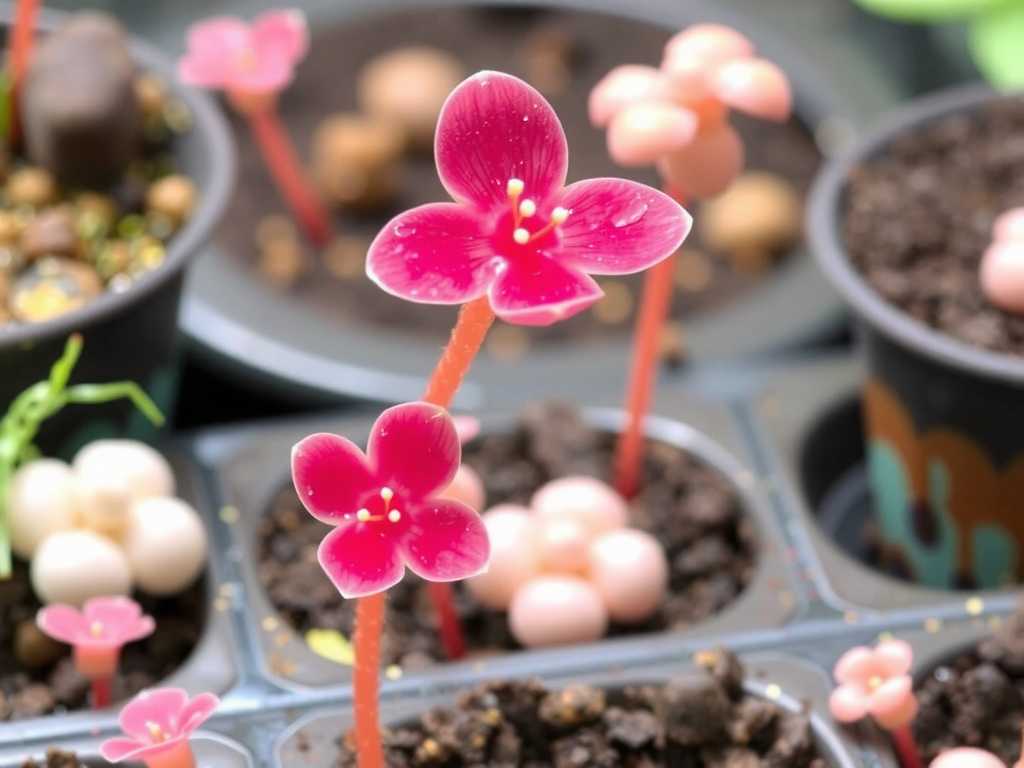
Light: The Non-Negotiable Factor Drosera burmannii needs brutal, direct light. Under my LED lights, they developed a beautiful red and green coloration. Insufficient light results in poor dew production, weak growth, and a green, leggy plant. Provide at least 6 hours of direct sun or 12-14 hours under strong grow lights.
Water: Pure is the Rule I cannot stress this enough. I only use distilled water. I once experimented with filtered tap water on a separate plant, and within a month, it was stunted and dewy-less, a victim of mineral burn. The tray method is perfect, keeping roots permanently moist but not flooded.
Soil and Repotting They will live happily in the peat/perlite mix indefinitely. As an annual, D. burmannii focuses on fast growth and prolific seeding. You rarely need to repot, but if you do, use only the recommended soil mix.
Feeding for Explosive Growth In a closed environment, you must feed them. My controlled experiment with bloodworms proved it. A tiny amount every 2-3 weeks on different leaves is ample. Do not use fertilizer in the soil. Their roots cannot absorb it; it will burn and kill them.
Winter Care and Dormancy In their natural cycle, D. burmannii often completes its life in one season, setting abundant seeds. You can collect these seeds to sow next year. If kept warm and under lights year-round, it may behave as a short-lived perennial. I’ve found letting it complete its annual cycle by collecting seeds is the most reliable long-term strategy.
What are the signs my Drosera burmannii is unhealthy? Lack of dew is the first red flag, usually pointing to insufficient light or poor water quality. Blackening leaves can be a natural process of old leaves dying back, but if the newest growth is black or mushy, it’s often due to root rot from stagnant conditions or mineral toxicity.
Can I grow it alongside my other houseplants? Generally, no. The constant soggy soil and pure water requirements are detrimental to most common houseplants. They are best grouped with other carnivores like Venus flytraps or pitcher plants that share the same needs.
How do I propagate Drosera burmannii? The simplest way is by seed. A happy plant will self-pollinate and produce dozens of seed pods. Once the pods are dry, you can sprinkle the seeds on a new prepared pot for a continuous colony. Leaf cuttings are possible but less reliable than with some other sundew species.
Growing Drosera burmannii successfully is a deeply rewarding experience. It demystifies carnivorous plant care and provides daily fascination. The key takeaways are unwavering commitment to pure water, providing intense light, and using a nutrient-free medium. By closely mimicking its natural bog habitat and paying attention during those critical first two weeks—especially to light intensity and surface moisture—you set the stage for a spectacular display. My two-week observation period was transformative; it moved me from passive hope to active understanding. Now, when I look at my glistening colony of Burman's Sundews, I see not just beautiful plants, but a testament to the power of getting the fundamentals right.