bluename
 How to Propagate Sundew from Stolons in Water: A Step-by-Step Guide
You've nurtured your sundew, watched it flourish, and now you see delicate, thread-like runners called stolons reaching out from the mother plant. This is a moment of excitement and a common pain point for many carnivorous plant enthusiasts. You want to multiply your collection, but the fear of losing both the new growth and the parent plant to rot or failure can be paralyzing. Traditional soil propagation feels risky. What if there was a simpler, cleaner, and highly visual method with a great success rate? There is. Propagating sundew from stolons in water is a remarkably effective technique that minimizes shock and allows you to witness root development firsthand. This guide will walk you through the entire process, turning your apprehension into confident action.
Understanding Sundew Stolons and Why Water Propagation Works
Before you make the first cut, it's crucial to understand what you're working with. Stolons are horizontal stems that grow from the base or crown of many sundew species, like Drosera capensis or Drosera spatulata. They are the plant's natural strategy for vegetative propagation, seeking new territory to plant a clone of itself.
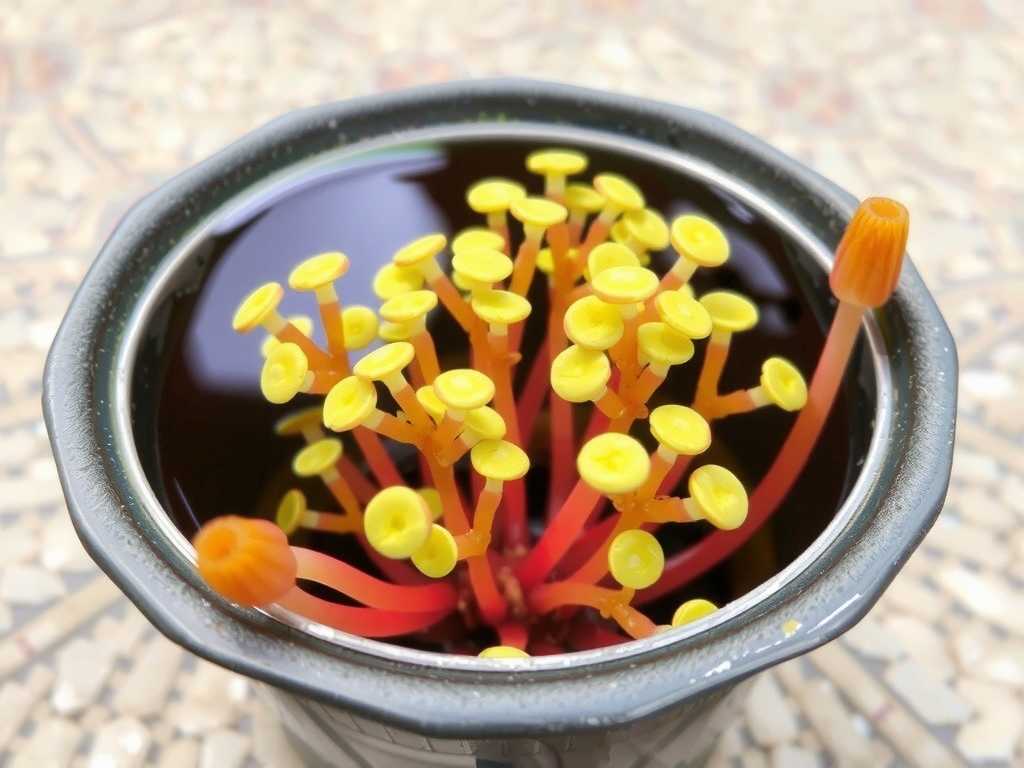
Water propagation leverages this natural instinct with several key advantages. It provides constant hydration, eliminating the risk of the fragile new plantlet drying out. It allows for clear monitoring of root initiation and growth—something impossible in soil. Furthermore, it creates a sterile environment that significantly reduces the chances of fungal or bacterial infections common in damp soil media. For beginners and experts alike, this method offers a high degree of control and success.
Essential Materials You Will Need
Gathering the right tools beforehand ensures a smooth process. You won't need specialized equipment, just clean and appropriate items.
- Sharp, Sterilized Scissors or Razor Blade: Precision cutting is vital. Sterilize with isopropyl alcohol to prevent introducing pathogens.
- Small Containers: Shot glasses, small jars, or clear plastic cups are perfect. Transparency is helpful.
- Distilled Water or Rainwater: This is non-negotiable. Never use tap water, as the minerals and chlorine will harm the sundew stolons and prevent successful propagation.
- Tweezers: For gently handling the tiny plantlets.
- Bright, Indirect Light Source: A grow light or a very bright windowsill (without harsh direct sun that could overheat the water).
- Prepared Soil for Later Transplanting: A mix of peat moss and perlite (50/50) is standard.
Step-by-Step: Propagating Your Sundew Stolons in Water
Now, let's walk through the core process of how to propagate sundew stolons. Follow these steps carefully for the best results.
Identifying and Selecting the Perfect Stolon
Not every runner is ready. Look for a stolon that has developed a visible, small node or a tiny green bump—this is the nascent plantlet. The ideal candidate is a few inches long and has this small growth point clearly formed. Avoid very thin, pale, or damaged stolons.
The Separation Procedure
This is the most delicate step. Using your sterilized scissors, make a clean cut on the stolon, about half an inch to an inch away from the new plantlet node. You want a small section of the stolon attached to the baby plant; it acts as an energy reserve. There's no need to cut it right at the node's base.
Setting Up the Water Propagation Station
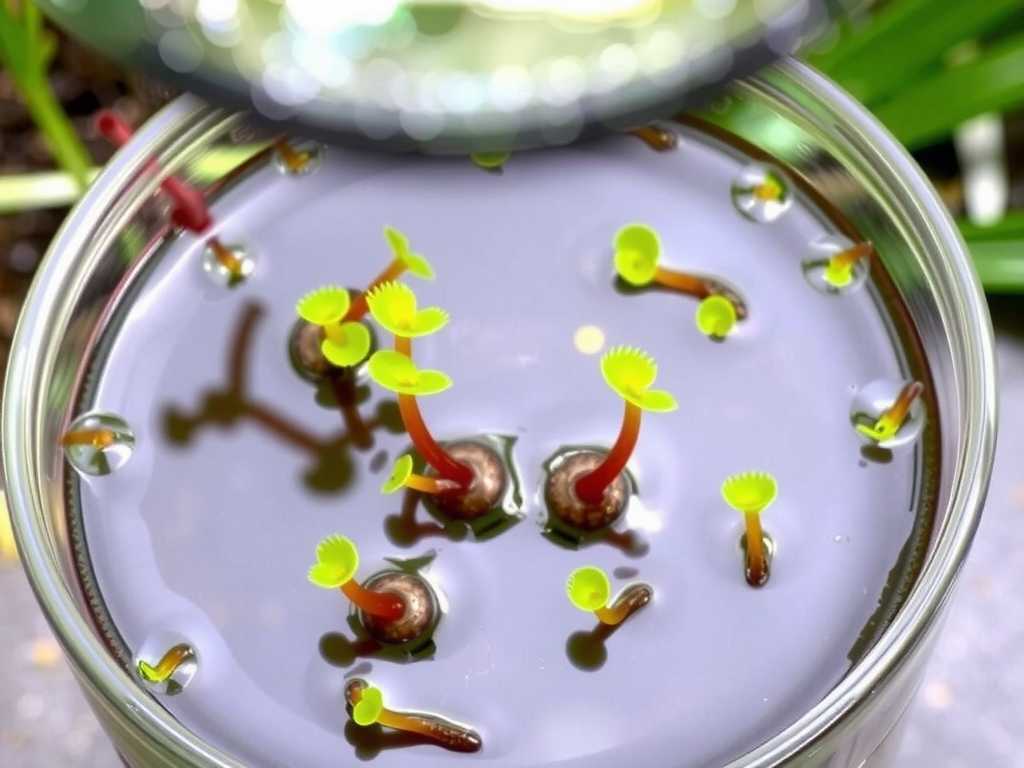
Fill your small container with about an inch of distilled water. Place the cut end of the stolon segment into the water, ensuring the tiny plantlet itself is above the waterline. Only the cut stem should be submerged. If the plantlet is underwater, it will likely rot. You can use a piece of plastic wrap with a small hole over the cup to help hold the stolon in place if needed.
Ongoing Care and Monitoring
Place your setup in a location with bright, indirect light. A windowsill with morning sun or under a grow light for 12-14 hours daily is ideal. Change the water completely every 3-4 days to keep it fresh and oxygenated, preventing stagnation and algae growth. Algae won't necessarily harm the propagation but can complicate root observation.
Within one to three weeks, you should see delicate white roots beginning to emerge from the node or cut stem. This is the sign of successful sundew water propagation. Let the root system develop until it is at least half an inch to an inch long, which may take a few more weeks.
Transplanting Your Water-Rooted Sundew
Once a healthy root system is established, it's time for the final move. Gently remove the plantlet from the water using tweezers. Prepare a small pot with your moistened peat-perlite mix. Make a shallow hole with a pencil or your finger. Carefully place the roots into the hole and softly firm the medium around them. Keep the soil consistently moist (using distilled water) and under high humidity for the first week—a clear plastic bag over the pot works well as a mini-greenhouse. After a week, you can gradually acclimate it to lower humidity by opening the bag for longer periods each day.
Troubleshooting Common Issues
Even with care, you might encounter hurdles. Here’s how to handle them.
- Rotting Stolon: If the submerged stem turns mushy and black, remove it immediately. Recut above the rot with a sterilized tool and place it in fresh water. Ensure the plantlet isn't submerged.
- No Root Development: Patience is key. If after a month nothing happens, the plantlet may not have been mature enough. Ensure it's getting sufficient light and the water is changed regularly.
- Algae Growth: While unsightly, algae is mostly harmless. Changing water more frequently and using an opaque container can minimize it.
Frequently Asked Questions
How long does it take for sundew stolons to root in water? You can typically expect to see the first white roots within 10 to 21 days, depending on the species and environmental conditions like light and temperature. A robust root system suitable for transplanting often takes 4 to 6 weeks.
Can all types of sundews be propagated from stolons in water? This method is most successful and commonly used for species that naturally produce stolons or runners, such as the Cape sundew (Drosera capensis), spoon-leaved sundew (Drosera spatulata), and similar rosette-forming varieties. It is not a standard method for tuberous or pygmy sundews, which have different propagation needs.
What is the main advantage of water propagation over soil for sundew stolons? The primary advantage is visibility and reduced rot risk. Water propagation allows you to monitor root health and growth directly, ensuring you only transplant a well-established plantlet. It also provides a consistently moist environment without the fungal pathogens often present in soil, leading to a higher success rate for many growers.
Witnessing new roots emerge in a glass of water is a rewarding experience that demystifies plant propagation. By starting with a healthy stolon, using pure water, and providing consistent light, you transform a single plant into a thriving collection. This water-based method offers a clear window into the life of your sundew, building both your skills and your confidence. Give it a try during your plant's next growth cycle—you might find it becomes your preferred technique for expanding your carnivorous garden.