bluename
 How to Grow Drosera Rotundifolia 'Red' (Cultivar): A Complete Care Guide
You've acquired the stunning Drosera rotundifolia 'Red', a captivating cultivar of the round-leaved sundew, renowned for its vibrant, ruby-red tentacles and mesmerizing insect-trapping prowess. But now, a familiar pang of anxiety sets in. How do you keep this beautiful carnivore thriving, avoiding the common fate of mold, browning leaves, or a slow, mysterious decline? Unlike typical houseplants, its needs are specific and non-negotiable. This guide is your definitive roadmap, transforming uncertainty into confidence. We will demystify the exact conditions this plant requires, ensuring your Drosera rotundifolia 'Red' not only survives but flourishes, showcasing its full, spectacular color.
Understanding Your Plant: Origins and Characteristics
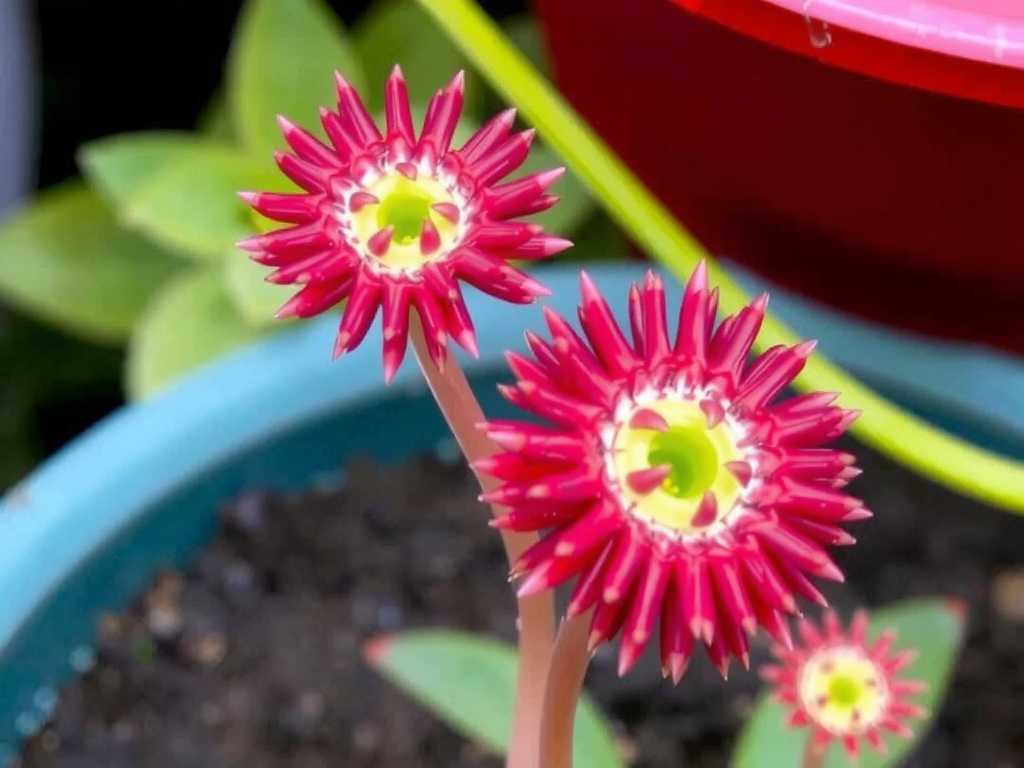
Drosera rotundifolia, the species from which this cultivar is derived, is a temperate carnivorous plant found across bogs and fens in the Northern Hemisphere. The 'Red' cultivar has been selectively bred or discovered for its intensely pigmented foliage, a trait that becomes most pronounced under strong, direct light. Its modified leaves are covered with sticky, glandular hairs (tentacles) that secrete dew to attract and digest small insects. This adaptation allows it to thrive in nutrient-poor soils where other plants struggle. Recognizing its wild origins is the first step to successful cultivation; you are essentially recreating a sunny, boggy environment in your home.
Essential Growing Conditions for a Thriving Plant
Replicating the natural habitat is the cornerstone of success. Getting these four elements right solves over 90% of common growing problems.

Light: The Key to Vibrant Color Light is the most critical factor for cultivating Drosera rotundifolia 'Red' successfully. This cultivar's signature red hue is a direct response to high light levels. Provide a minimum of 4-6 hours of direct sunlight daily, with bright, indirect light for the remainder of the day. A south-facing window is ideal in the Northern Hemisphere. Insufficient light will result in green, elongated leaves, poor dew production, and a weak plant. For indoor growers, a strong full-spectrum LED or T5 fluorescent grow light placed 6-12 inches above the plant for 12-14 hours daily is an excellent alternative, as noted by horticulturalists specializing in carnivorous plants.
Water: Pure and Consistent Moisture Never use tap, mineral, or spring water. The dissolved minerals will accumulate, poison the roots, and kill your plant. You must use only low-mineral water sources: rainwater, distilled water, or reverse osmosis (RO) water. The pot should sit in a permanent saucer or tray of this pure water, maintaining a water level of 0.5 to 1 inch at all times. This mimics the permanently damp conditions of a bog. The soil should never dry out, but the crown of the plant should not be submerged.
Soil: The Nutrient-Free Foundation Standard potting mixes are fatal. Drosera rotundifolia 'Red' requires an acidic, nutrient-poor, and well-aerated medium. The universal recipe is a 1:1 mix of sphagnum peat moss and perlite. Ensure the peat moss is untreated and fertilizer-free. Horticultural sand or silica sand can substitute for perlite. Avoid vermiculite, as it contains minerals. This inert mix provides physical support and moisture retention without introducing harmful nutrients.
Humidity and Temperature: Mimicking the Temperate Bog As a temperate plant, Drosera rotundifolia 'Red' appreciates moderate to high humidity (above 50%) but is more adaptable than tropical sundews. It thrives in daytime temperatures between 60-80°F (15-27°C). Crucially, it requires a winter dormancy period to maintain long-term health. This brings us to the most vital annual cycle.
The Crucial Dormancy Period To keep your round-leaved sundew 'Red' cultivar healthy year after year, you must provide a cold winter rest. In late autumn, as daylight wanes, the plant will stop producing large leaves and may form a tight, hibernacular bud. It needs 3-4 months of cold temperatures between 32-50°F (0-10°C). This can be achieved in an unheated garage, a cold frame, or even the refrigerator (for potted plants in a sealed bag). Reduce the water level during dormancy, keeping the soil just barely damp, not soggy. Come spring, return it to bright light and warm conditions, and it will resume vigorous growth.
Step-by-Step Planting and Potting Guide
- Choose the Right Pot: A 4-6 inch plastic or glazed ceramic pot with drainage holes is perfect. Avoid terracotta, as it leaches minerals.
- Prepare the Soil: Moisten your peat moss and perlite mix with distilled/RO/rain water until evenly damp. Fill the pot, leaving no dry pockets.
- Planting: Gently remove your plant from its previous container. Rinse the roots with pure water to remove old media. Make a small hole in the new soil, place the roots in, and gently firm the media around the crown (the central growing point). The crown must remain at the surface.
- Watering In: Place the pot in its permanent tray and fill the tray with 0.5-1 inch of pure water.
Feeding and Fertilization: A Delicate Balance
Your sundew is designed to catch its own food. If grown outdoors or in a sunny windowsill, it will capture gnats and other small insects naturally. Do not use standard plant fertilizer. If you must feed it indoors, options include:
- Live or Dead Insects: Small gnats, fruit flies, or bloodworms (fish food).
- Extremely Diluted Fertilizer: Some experts, like those at the International Carnivorous Plant Society, suggest occasionally misting the leaves with a max 1/4 strength orchid or Maxsea fertilizer, applied only to the leaves, not the soil. This is an advanced technique and riskier than natural feeding. Overfeeding can cause leaves to blacken and die. One small insect per leaf every 2-4 weeks is ample.
Common Problems and Their Solutions
- Lack of Dew: Caused by insufficient light, low humidity, or using impure water. Increase light exposure first.
- Brown or Blackening Leaves: This is often a natural process as older leaves die back. If new growth is also browning, check for mineral-contaminated water, soil that is too dry, or chemical contamination.
- Mold or Fungus: Usually due to poor air circulation, overly stagnant conditions, or dead leaves left on the media. Remove dead material and increase airflow with a small fan.
- Pests: Aphids or fungus gnats can occasionally be an issue. For aphids, a gentle swab with a cotton bud dipped in diluted dish soap can work. For fungus gnats, allowing the water tray to dry slightly between refills can break their life cycle.
Propagation Methods
You can expand your collection through several reliable techniques:
- Leaf Cuttings: Place a healthy leaf, dew-side up, on damp sphagnum moss. Tiny plantlets will form at the base.
- Seed: After flowering, you may collect seeds. Sow them on the surface of your soil mix, keep warm and bright, and be patient—germination can take weeks to months.
- Division: When repotting a mature clump, you can gently pull apart individual growth points (rosettes) with attached roots and pot them separately.
Why is my Drosera rotundifolia 'Red' turning green? This is almost exclusively a sign of insufficient light. The red pigmentation (anthocyanin) is produced as a protective response to high light levels. Move it to a much brighter location or supplement with a strong grow light to restore its vibrant color.
Can I grow this sundew outdoors? Absolutely, and it's often easier if you live in a temperate climate (USDA zones 3-7). Plant it in a waterlogged, sunny spot in a bog garden or keep it in its pot, sitting in a water tray on a sunny patio. It will experience natural dormancy and often catches more prey.
Do I need to feed my plant if it's not catching insects? While feeding promotes faster growth, a healthy Drosera rotundifolia 'Red' can survive for months without catching prey, as it photosynthesizes like any other plant. If you want to boost growth, occasional small feedings are beneficial, but they are not a strict requirement for survival if all other conditions are perfect.
Success with the Drosera rotundifolia 'Red' cultivar hinges on respecting its unique biology: intense light, pure water, nutrient-free soil, and a mandatory winter dormancy. By meticulously providing these four pillars of care, you shift from struggling to keep it alive to watching it thrive. The reward is a resilient, otherworldly plant that serves as a constant source of fascination, its glistening red tentacles a testament to your understanding of its specialized needs. Start with strong light and pure water today, and you'll be well on your path to mastering the cultivation of this remarkable carnivorous plant.