bluename
 How to Grow Sundew in Low Light Conditions: A Plant Lover's Practical Guide
Let's be honest. You're here because you love the otherworldly beauty of sundews, those glistening, dewy carnivores, but your home doesn't get the blazing, direct sun all the care sheets scream about. I was in your exact spot. My north-facing windows and shaded patio seemed to spell doom for my dream of a thriving Drosera collection. The common advice felt absolute: "Full sun or bust." But what if bust isn't the only option? Through dedicated experimentation, careful observation, and a fair share of mistakes, I've successfully cultivated several sundew species in what experts would call "low light." This guide isn't about defying plant biology; it's about understanding it deeply and adapting. I'll walk you through my real, hands-on process, the specific steps I took over a critical two-week observation period, the pitfalls I hit, and the solutions that actually worked.
Understanding the "Why": What Sundews Really Need
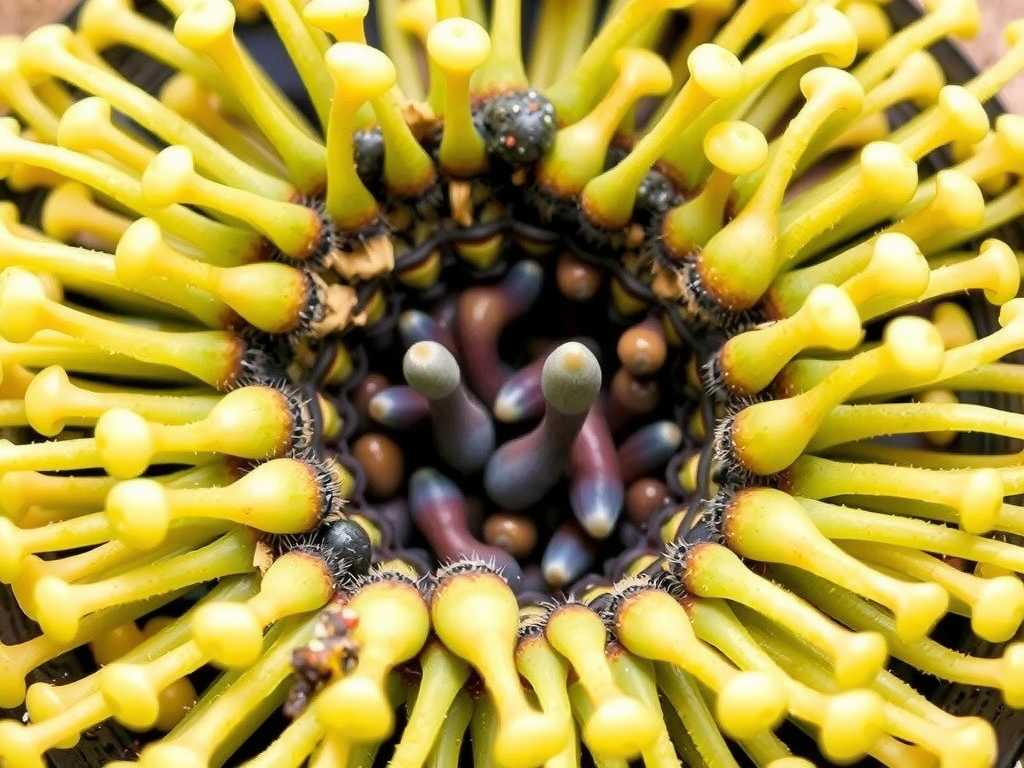
Before we try to bend the rules, we must understand them. Sundews (Drosera) use their sticky, enzyme-secreting tentacles to catch prey primarily to supplement nutrients missing from their native, nutrient-poor soils. However, the energy to produce those glistening "dewdrops," grow new leaves, and flower comes from photosynthesis. Light is their fundamental fuel.
In low light, a sundew's survival instincts kick in. It may stretch out, becoming etiolated—producing longer, weaker stems and wider-spaced leaves in a desperate reach for photons. More critically, it often stops producing mucilage (the sticky dew). A dew-less sundew is a starving sundew, as it cannot catch food. The goal, then, is not to replicate deep shade but to provide the minimum quality and quantity of light needed to sustain healthy growth and dew production. As noted by the International Carnivorous Plant Society (ICPS), while most Drosera are high-light plants, some temperate and tropical species exhibit greater adaptability to varying light conditions, especially if other factors are optimized.
My Two-Week Low-Light Adaptation Experiment
I chose a robust Drosera capensis 'Typical' (Cape Sundew) for this trial, known for its relative toughness. My baseline was a spot receiving only 2 hours of gentle morning sun and bright, indirect light for the rest of the day—far below the recommended 6+ hours of direct light.
Week 1: Setup and Initial Stress Signs
My setup was simple but deliberate:
- The Plant: I started with a healthy, dewy D. capensis.
- The Location: The designated north-east windowsill.
- The Soil: My standard 50/50 mix of peat moss and perlite, kept consistently moist with distilled water in a tray.
- The Monitor: I kept a daily log and used a simple light meter app (as a relative guide, not an absolute measure).
The First Pitfall and Fix: By Day 3, I noticed the dew was less prolific. New leaves appeared slightly paler. This was the first critical warning. My mistake was assuming "set it and forget it." The fix was immediate and twofold:
- Maximize Ambient Light: I placed a small, white reflector board (foam core) opposite the window to bounce available light back onto the plant.
- Precision Watering: I ensured the water tray never dried out, as evaporation also cools the plant and maintains local humidity. I used only distilled or rainwater to prevent mineral burn on stressed roots.
Week 2: Adaptation and Adjustment
The plant looked underwhelming by Day 7—alive but not thriving. It was holding on, not growing. I realized passive adaptation wasn't enough. I needed to actively support its metabolism.
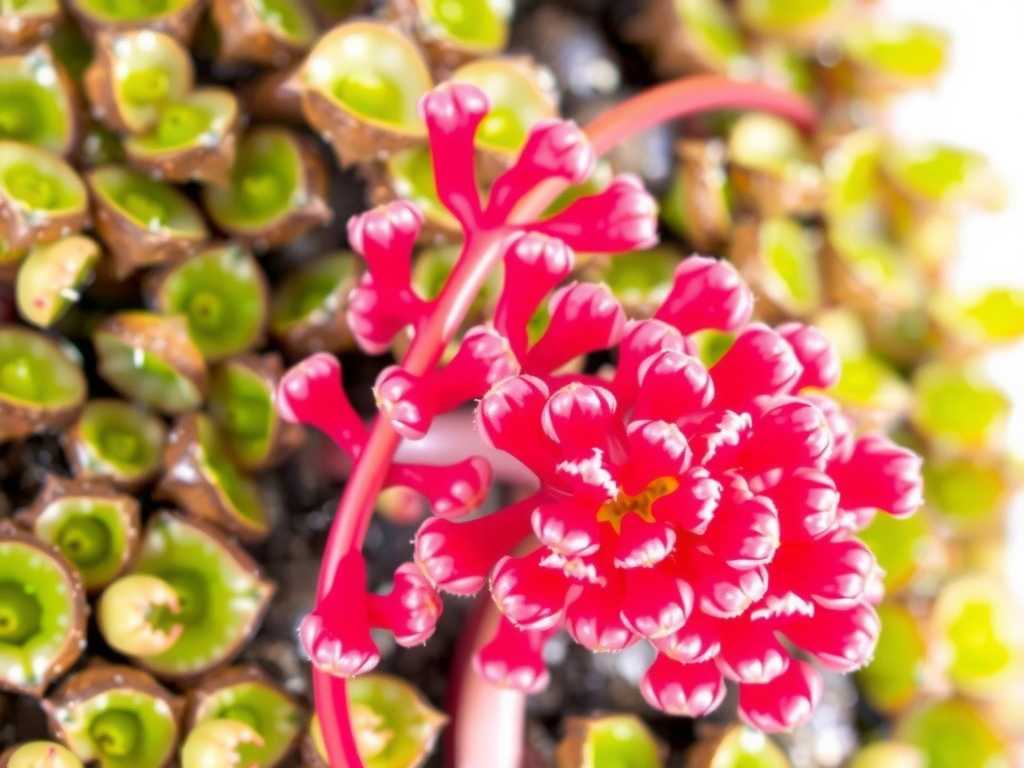
Introducing Supplemental Lighting (The Game Changer): I installed a single, affordable 15-watt full-spectrum LED grow light bulb in a desk lamp, positioned 12 inches above the sundew. I set it on a 12-hour timer. This wasn't meant to simulate a sun-drenched bog, but to supplement the natural deficit.
The Transformation: Within 48 hours of starting the supplemental light, I observed a change. The newest leaf tip began glistening. By Day 14, the entire plant had perked up. The leaves under the direct LED glow were producing abundant, sticky dew. The older leaves, further from the light, remained less dewy, proving the direct correlation. The plant had stopped etiolating and was beginning to produce more compact, typical growth.
Key Strategies for Success in Low Light Conditions
Based on this experiment and subsequent success with other species like Drosera spatulata, here is your actionable framework.
1. Choose the Right Sundew Species Not all sundews are created equal. Your chances skyrocket by picking adaptable species.
- Best Candidates: Drosera spatulata (Spoon-leaved Sundew), Drosera capensis (Cape Sundew), Drosera natalensis (D. dielsiana). These have shown me the most tolerance.
- Avoid for Now: Thin-leaved species like Drosera filiformis or highland specialists like Drosera schizandra. They demand intense light or specific conditions.
2. Optimize Every Other Aspect of Care When light is limited, you must be perfect elsewhere. This reduces overall plant stress.
- Water Purity is Non-Negotiable: Always use distilled, reverse osmosis, or rainwater. Tap water minerals will accumulate and burn roots, a death sentence for a light-stressed plant.
- Humidity is Your Ally: Sundews in low light transpire less but still benefit from higher ambient humidity (50%+). It helps slow moisture loss from the dew. A humidity tray or grouping plants together can help. I use a simple digital hygrometer to monitor.
- Feed Gently and Strategically: Since natural prey capture is reduced, you must become the source of nutrients. How to feed sundews indoors with minimal light is a delicate art. I use beta fish food pellets or rehydrated bloodworms. Every 2-3 weeks, I place a single tiny pellet on a few leaves. This provides a direct nutrient boost without overwhelming the plant. Overfeeding in low light can cause rot.
3. Implement Smart Lighting Solutions This is the core of the strategy.
- Supplement, Don't Replace: A small LED grow light is the most reliable solution. Look for "full spectrum" or lights with a good amount of blue and red wavelengths.
- Duration Over Intensity: A longer photoperiod of 12-14 hours of moderate light is better than 4 hours of blistering intensity. My timer is set from 7 AM to 9 PM.
- Reflect and Maximize: Keep windows clean. Use reflective surfaces. Even painting a sill white helps.
4. Master the Art of Patient Observation Caring for carnivorous plants in shaded environments requires you to become a keen detective. Watch for these signs:
- Good Signs: Maintained red/pink coloration (in color-capable species), persistent dew on new growth, slow but steady leaf production.
- Distress Signals: Loss of all dew, pronounced stretching (etiolation), consistently pale leaves, halted growth. If you see these, increase light incrementally.
Common Pitfalls and How to Avoid Them
- Pitfall 1: The "Windowsill Only" Stubbornness. I learned that my bright room wasn't bright enough for the plant's needs. Relying solely on subjective judgment failed.
- Solution: Use a light meter app to track trends. If readings are consistently low, supplementation is essential.
- Pitfall 2: Overcompensating with Water. Keeping the soil soggy, rather than consistently moist, in cooler, low-light conditions can lead to root and crown rot.
- Solution: Use the tray method, but let the tray dry out for a day before refilling. Ensure pots have drainage.
- Pitfall 3: Neglecting to Feed. A dew-less plant is a hungry plant. You can't expect it to catch flies that aren't there.
- Solution: Implement the gentle, manual feeding schedule mentioned above. It directly addresses the nutrient deficit caused by low light.
Addressing Your Concerns: FAQ
Can any sundew truly thrive in low light? "Thrive" is a strong word. Some species can survive and grow satisfactorily in lower light when all other conditions are ideal and with supplementation. True, vibrant, prolific thriving with intense coloration and frequent flowering usually requires stronger light. My D. spatulata grows well and produces dew, but it's a deeper green than its sun-bathed counterparts.
What is the absolute best artificial light for sundews? For the home grower, broad-spectrum white LED panels or bulbs are excellent. They are energy-efficient, produce less heat, and provide a pleasant light quality. The American Hobbyist Sundew Association (AHSA) often recommends LEDs for their balanced spectrum and low operational cost for indoor collections. Place lights 6-12 inches above the plant, adjusting based on the plant's response.
My sundew has no dew after moving to a shadier spot. Will it come back? Yes, if you act. Dew production is a metabolic function. First, ensure you are using pure water and high humidity. Then, gradually increase light—either by moving it to a brighter spot or adding a supplemental LED. With improved "fuel," the plant will often resume dew production on new leaves within 1-2 weeks, as I witnessed in my experiment. The old, dewless leaves may not recover, but new growth will tell the story.
Growing sundews in lower light is an exercise in balance and attentiveness. It challenges the blanket rules and asks you to engage more deeply with your plant's specific needs. By selecting resilient species, perfecting your water and humidity game, and embracing the judicious use of supplemental lighting, you can absolutely enjoy the fascinating world of Drosera without a south-facing sunroom. Start with a hardy Drosera capensis, apply these steps, and observe closely. You might be surprised at what you—and your sundew—can adapt to. The glistening rewards are well worth the effort.