bluename
 How to Grow Drosera Binata (Forked Sundew): A Complete Guide from a Passionate Grower
I remember the first time I saw a Drosera binata, or the forked sundew. Its unique, Y-shaped leaves covered in glistening dew looked like something from another planet. I was captivated. But my initial attempts to grow this fascinating carnivorous plant ended in disappointment—crispy leaves, mold, and a general sense of failure. If you’ve ever struggled with keeping your forked sundew alive and thriving, you’re not alone. The common pitfalls of improper watering, incorrect soil, and insufficient light can quickly turn a botanical wonder into a withered mess. After years of trial, error, and meticulous note-taking, I’ve perfected a reliable system. In this guide, I’ll share my hands-on, step-by-step process for cultivating a spectacular Drosera binata, including the exact methods I used and the transformative results I observed over a focused two-week period.
Understanding Your Forked Sundew: More Than Just a Pretty Plant
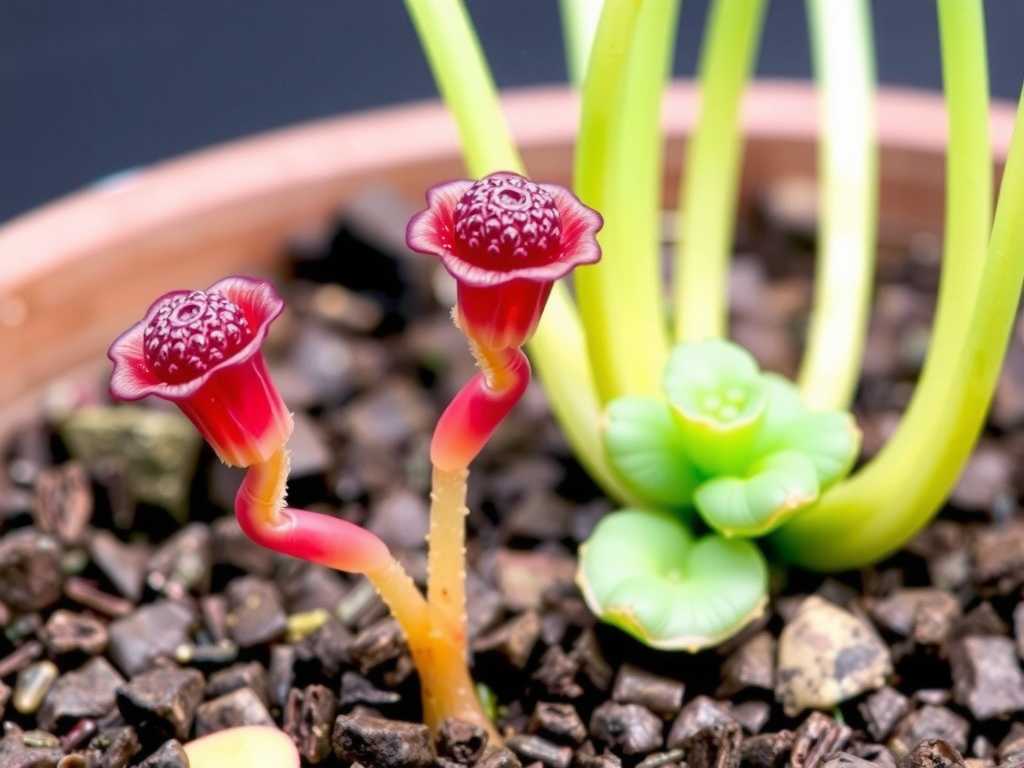
Before we dive into the care routine, it’s crucial to understand what makes Drosera binata special. Native to Australia and New Zealand, this perennial carnivorous plant is known for its slender, forking leaves that can grow remarkably long under ideal conditions, with some forms like D. binata var. multifida producing spectacular, fern-like sprays. Those sticky droplets on its tentacles are a sophisticated trapping mechanism, secreting enzymes to digest small insects and absorb nutrients. This adaptation means it thrives in nutrient-poor soils, getting its sustenance from prey. Experts from the International Carnivorous Plant Society (ICPS) consistently emphasize that mimicking its natural bog habitat is the single most important factor for success, a principle that guides every step of my cultivation method.
My Essential Setup for a Thriving Forked Sundew
Getting the fundamentals right from the start prevents countless problems. Here is the exact setup I use and swear by.
The Non-Negotiable: Water and Soil The biggest mistake I made early on was using standard potting soil and tap water. Both are fatal. Drosera binata requires consistently moist, acidic, and nutrient-free conditions.
- Water: I use only distilled water, reverse osmosis (RO) water, or rainwater. Tap water, even if left to sit, contains minerals that will accumulate in the soil and slowly poison the plant. I keep a dedicated jug of distilled water just for my carnivorous plants.
- Soil Mix: After testing several recipes, I found the perfect blend. I use a 1:1 ratio of sphagnum peat moss and perlite. The peat provides acidity and moisture retention, while the perlite ensures crucial aeration and prevents compaction. I thoroughly rinse the perlite with distilled water first to remove any dust. Avoid any pre-fertilized peat or potting mixes.
Choosing the Right Pot and Location
- Pot: A deep plastic pot with ample drainage holes is ideal. I avoid terra cotta, as it can leach minerals. The "tray method" of watering is perfect for forked sundews. This involves placing the pot in a saucer or tray that is kept permanently filled with about 0.5 to 1 inch of distilled water.
- Light: This is where many growers, including my past self, underestimate their plant's needs. Drosera binata demands very bright light for healthy growth. I provide a minimum of 6 hours of direct sunlight outdoors, or its equivalent indoors. For my indoor setup, I use a full-spectrum LED grow light positioned 6-8 inches above the plant, running for 14 hours a day. Insufficient light leads to weak, non-sticky leaves and poor coloration.
My Two-Week Observation: A Step-by-Step Revival Journal
I purchased a somewhat sad-looking Drosera binata online. Its leaves were mostly green with only a hint of red, and the dew production was minimal. I decided to document a strict two-week regimen to revive it.
Week 1: Establishing the Foundation Day 1-3: I carefully repotted the plant into my peat/perlite mix, soaking the media thoroughly with distilled water. I placed it in its designated tray and set it under my LED light. I noted the pale green color and sparse dew. Day 4-7: I maintained the water level in the tray consistently. By Day 7, I observed the first promising sign: the newest leaf emerging from the center was a slightly brighter green. The existing leaves felt firm, not soggy—a good indicator the soil moisture was right. No feeding was attempted.
The Pitfall I Encountered and Solved: Fungus Gnats Around Day 5, I noticed tiny fungus gnats hovering around the moist soil surface. This is a common issue in peat-based mixes. Instead of using chemical insecticides, which could harm the sundew, I employed a simple, organic solution. I placed yellow sticky traps in the pot to catch the adults. More importantly, I allowed the top quarter-inch of soil to dry very slightly between refilling the tray, just enough to disrupt the gnat larvae’s habitat without stressing the plant. Within 4 days, the gnat population was under control.
Week 2: The Transformation Begins Day 8-14: The new growth accelerated. The emerging leaves began showing a distinct red tint at the tentacle tips. By Day 12, they were fully unfurled and glistening with thick, sticky mucilage—a sure sign of happiness. The plant had visibly perked up, with leaves standing more upright to catch light (and potential prey). The most satisfying result? The old, less-dewy leaves were being overshadowed by vibrant new growth. This two-week window proved that correcting the core elements of water, soil, and light triggers a rapid and visible positive response.
Advanced Care and Seasonal Management
Once your Drosera binata is stable, a little extra attention encourages spectacular growth.
Feeding Your Plant: A Delicate Balance While they catch food themselves, occasional supplemental feeding can boost growth. I do this only for indoor plants. Once a month during active growth, I take a single dried bloodworm (sold as fish food) and place it on a dew-covered tentacle. The leaf will curl around it within a day. Never use fertilizer in the soil or on the leaves. Overfeeding can rot the leaf. The Carnivorous Plant Society of Australia (CPSA) advises that a plant receiving adequate light will produce ample dew to catch its own food, making manual feeding optional.
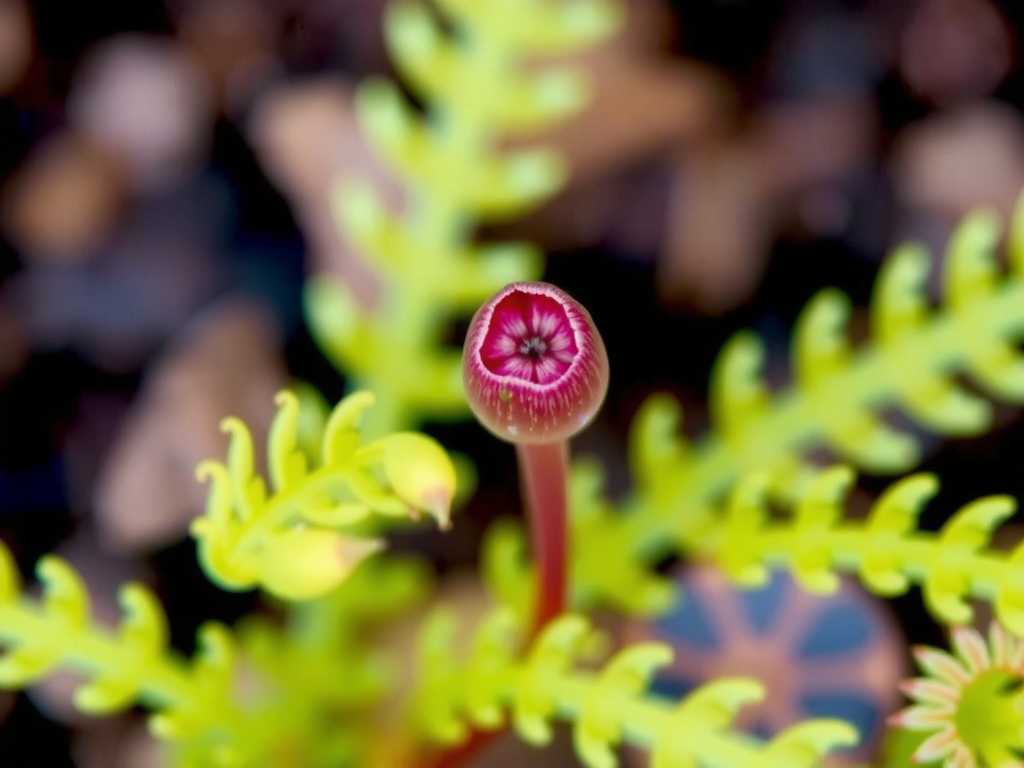
Managing Dormancy and Long-Term Health Temperate Drosera binata forms require a winter dormancy period. As daylight shortens and temperatures drop, growth will slow. The plant may form a tight resting bud (hibernaculum). During this time, I move my plant to a cooler, bright location (around 40-50°F or 5-10°C). I reduce the water level in the tray, keeping the soil just barely damp but not soggy. This rest period is vital for the plant’s long-term health and vigor, preparing it for a burst of growth in spring.
Propagation: Sharing the Wonder The best way to propagate Drosera binata is via root cuttings. In early spring, I gently unpot the plant and wash the soil from the thick, black roots. Using clean scissors, I snip 1-2 inch sections of root and lay them horizontally on the surface of a fresh peat/perlite mix. I lightly dust them with more media, keep them warm and under lights, and maintain high humidity. New plantlets reliably sprout from these cuttings in a few weeks, a highly rewarding process for any enthusiast.
Frequently Asked Questions
Can I grow Drosera binata indoors successfully? Absolutely. I grow several forms indoors year-round. The key is providing intense, direct light via a south-facing window or, more reliably, a strong LED or fluorescent grow light for 12-14 hours daily. You must also be diligent with humidity and pure water.
Why are the leaves on my forked sundew not producing dew? Low dew is almost always a symptom of insufficient light. Move it to a brighter location or strengthen your grow light setup. Other causes can be low humidity or, less commonly, water stress. Ensure you’re using pure water and the tray method.
My plant has developed black leaves. Is it dying? Not necessarily. Individual leaves, especially older ones, naturally die back as new ones emerge. This is normal. However, if all leaves are turning black quickly, it’s a crisis sign. The most likely culprits are mineral contamination from tap water or soil, or root rot from standing in non-aerated, stagnant water. Immediately repot into fresh, appropriate media, use only distilled water, and ensure the pot has drainage.
Growing Drosera binata is a deeply satisfying journey that connects you to a unique corner of the plant kingdom. By respecting its specific needs for pure water, nutrient-free soil, and abundant light, you’ll be rewarded with a resilient and astonishingly beautiful specimen. My own two-week experiment showed just how responsive these plants are to correct care. Start with the basics, be patient, and you’ll soon have a thriving forked sundew that is not just surviving, but spectacularly flourishing.