bluename
 How to Propagate Sundew in Water: A Step-by-Step Guide from a Fellow Plant Lover
I’ve always been fascinated by sundews. Their glistening, dewy tentacles are a marvel of nature, but for a long time, the idea of propagating them felt intimidating. I’d read about leaf cuttings and division, but the processes seemed fraught with risk of mold and failure. My core frustration was simple: I wanted more of these beautiful plants without harming my precious parent specimens or dealing with finicky soil mixes that could rot delicate new roots. If you’ve ever felt the same, staring at a healthy sundew and wishing you could safely multiply it, then this guide is for you. After extensive experimentation, I found a method that is remarkably simple, clean, and effective: water propagation. Over the next sections, I’ll walk you through my exact process, share the real results from a two-week observation period, and highlight the pitfalls I encountered so you can avoid them.
Why Consider Water Propagation for Sundews?

Traditional propagation for carnivorous plants like sundews often involves sphagnum moss. While effective, it requires consistent moisture management and poses a constant threat of fungal growth. Water propagation, in contrast, offers a transparent, controlled environment. You can literally watch the roots develop. According to the International Carnivorous Plant Society, maintaining high humidity and cleanliness is paramount for successful vegetative propagation. Water propagation inherently provides the constant humidity new cuttings crave. Furthermore, experts from the Carnivorous Plant Hub often note that sterile water reduces pathogen exposure compared to organic media during the initial rooting phase. This method aligns perfectly with the principle of providing a low-stress start for your plant cuttings.
My Step-by-Step Water Propagation Journey
I decided to use my robust Drosera capensis, the Cape sundew, for this experiment. Its resilience makes it an ideal candidate for beginners.
Gathering Your Tools and Selecting the Right Leaf
You don’t need fancy equipment. I used:
- A sharp, sterilized razor blade (rubbed with isopropyl alcohol).
- A small, clear glass or jar.
- Distilled water or rainwater (tap water is harmful due to minerals).
- A healthy parent sundew.
The selection of the leaf is crucial. I chose a mature, healthy leaf from the outer rosette, not the newest central growth. Using my sterilized blade, I made a clean cut as close to the base of the leaf stem as possible without damaging the crown of the plant. The goal is to get a full leaf with its white, basal meristematic tissue intact—this is where the new plantlets will form.
The Setup: Creating the Perfect Water Environment
Here’s where I made my first minor mistake. Initially, I simply submerged the entire leaf in a shallow dish of water. Within two days, the glandular tentacles began to deteriorate, and the leaf started to look soggy. I quickly corrected course.
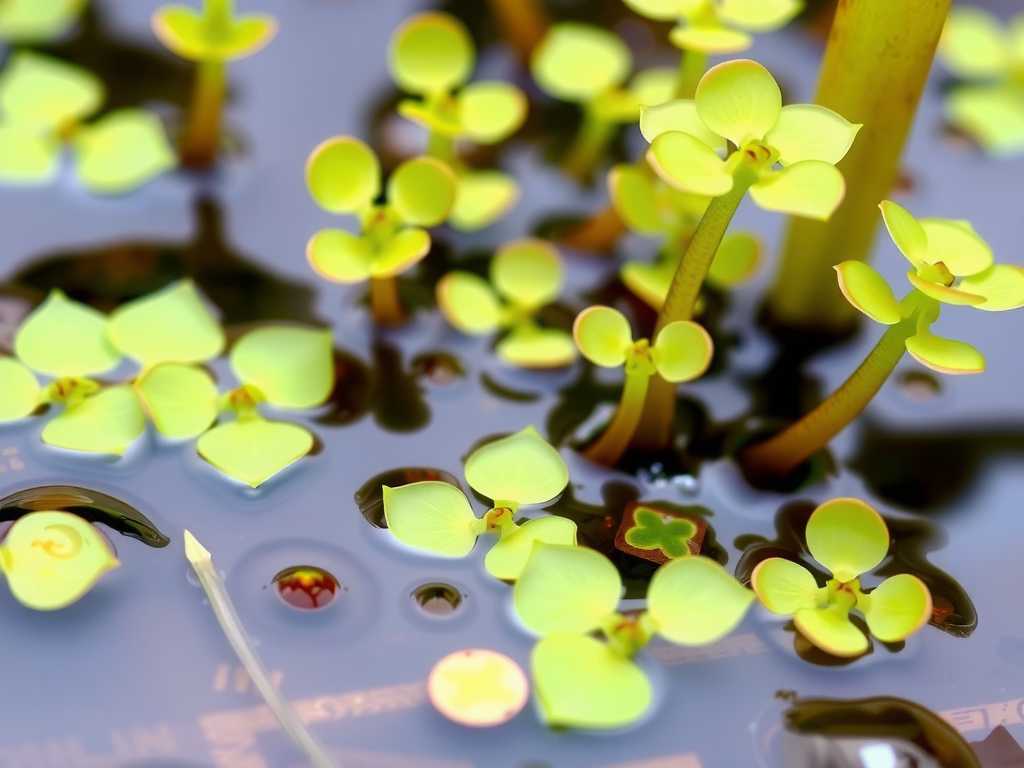
The proper technique is to suspend only the base of the leaf cutting in water. I took a small glass, filled it with about an inch of distilled water, and rested the leaf across the top so that just the cut end was immersed. The rest of the leaf, with its sticky traps, remained completely dry and in the air. I placed the setup on a bright windowsill with plenty of indirect light, avoiding direct, scorching sun which could overheat the water.
The Two-Week Observation: A Diary of Growth
- Days 1-3: The leaf looked unchanged. The submerged cut end remained green and healthy. No signs of rot.
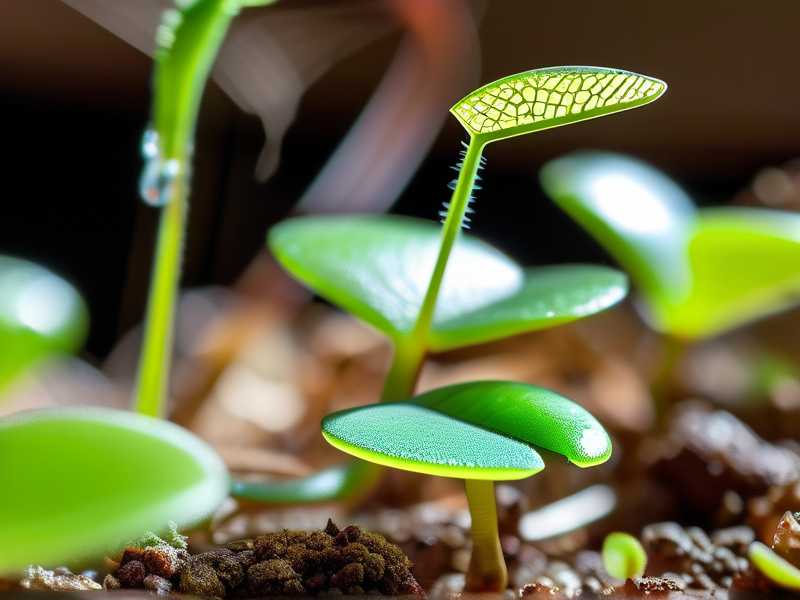
- Days 4-7: This is when the excitement began! Tiny, green protuberances started to appear at the very base of the leaf, right at the waterline. These weren’t roots yet, but undifferentiated plant tissue.
- Days 8-10: The green nubs multiplied and began to elongate. Some developed into distinct, hair-like white roots reaching into the water, while others started forming miniature leaf buds. I made sure to top up the water with fresh distilled water as it evaporated, keeping the root zone consistently covered.
- Days 11-14: By the end of the second week, I had several clearly defined plantlets, each with 2-3 tiny, functional sundew leaves already producing minute droplets of mucilage. The root system was a delicate white fuzz about half an inch long. The original parent leaf was still green and healthy, acting as a nutrient source.
Transitioning to Soil: The Critical Move
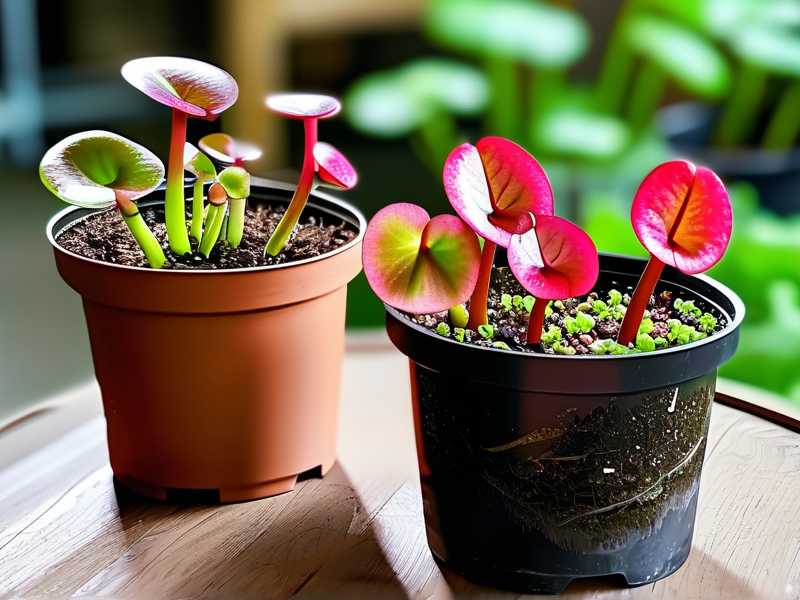
After 14 days, the plantlets were vigorous but needed nutrients from prey to sustain long-term growth. It was time to pot them. This is a delicate stage. I prepared a pot with a standard carnivorous plant mix: 50/50 sphagnum peat moss and perlite, pre-moistened with distilled water. Using tweezers, I gently separated the cluster of plantlets, ensuring each had at least one root. I made a small hole in the soil, placed the roots in, and gently pressed the media around the base. To maintain critical humidity, I covered the pot with a clear plastic bag, creating a mini-terrarium, and placed it back in bright, indirect light. Over the next week, I gradually opened the bag to acclimate the young sundews to lower humidity.
Common Pitfalls and How I Solved Them
- Rotting Leaf: As mentioned, submerging the entire leaf is a recipe for decay. Solution: Only immerse the cut stem base.
- Algae Growth: In my first attempt, using a clear glass in very bright light led to green algae forming in the water. While not immediately harmful, it can compete for resources. Solution: Use fresh distilled water and change it every 5-7 days, or use a slightly less transparent container. I switched to a clean ceramic white cup.
- Stagnant Water: Stagnant water can become depleted of oxygen. Solution: While not mandatory, gently agitating the water when you check on it helps. I found that simply changing the water weekly was sufficient for my cuttings to thrive.
- Impatience: The urge to pot them too early is strong. Solution: Wait until you see both distinct roots and new leaf growth. A robust start in water leads to a much more successful soil transition.
Ensuring Long-Term Success for Your Water-Propagated Sundews
Once established in soil, care for your new sundews as you would any other. They require:
- Bright Light: At least 6 hours of direct or very bright indirect light daily.
- Pure Water: Only distilled, reverse osmosis, or rainwater.
- Nutrient-Free Soil: Never use standard potting soil or fertilizers.
- Humidity: While adaptable, higher humidity supports faster initial growth. The plastic bag method post-transition is key.
The American Horticultural Society’s plant propagation guidelines emphasize the importance of aftercare following the rooting phase. Your role shifts from root encourager to a provider of ideal growing conditions. By mimicking their natural bog habitat—low nutrients, high light, and pure water—you’ll watch your water-propagated sundews mature into stunning, insect-catching specimens.
Frequently Asked Questions
Is water propagation suitable for all sundew species? While I had great success with Drosera capensis, D. spatulata, and D. adelae, it may not work as well for all species, particularly tuberous or very delicate varieties. It’s best to start with common, resilient species.
How long should I leave the cuttings in water before moving to soil? There’s no single perfect timeline. I moved mine at two weeks, but a safer range is 2-4 weeks. Look for multiple plantlets and roots at least 0.5 inches long. A stronger root system increases soil transplant success rates.
My cutting isn’t producing plantlets; it’s just growing roots. What should I do? Be patient. Sometimes the plant focuses energy on root development first. Ensure it has enough light. If after 3-4 weeks you only have roots, you can still pot it. Often, the plantlet growth will follow once it’s in nutrient-free soil and can begin catching tiny insects.
Water propagation has revolutionized how I expand my sundew collection. It’s a visually rewarding, low-cost, and highly effective method that turns one plant into many. By following these steps—selecting the right leaf, suspending it properly, patiently observing, and carefully transitioning to soil—you can share the wonder of these carnivorous plants with friends or simply enjoy a thriving colony of your own. The key is clean tools, pure water, bright light, and a little patience. Give it a try; watching that first tiny plantlet emerge is a magic every plant enthusiast should experience.